

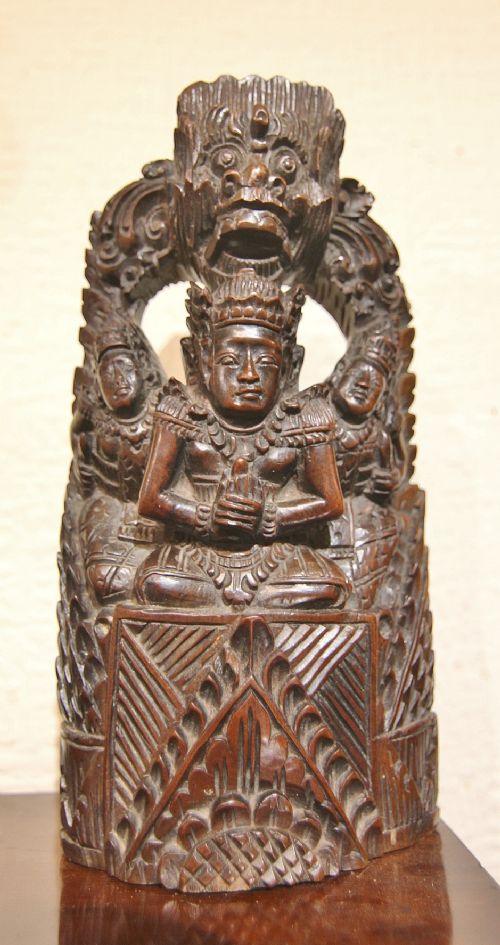
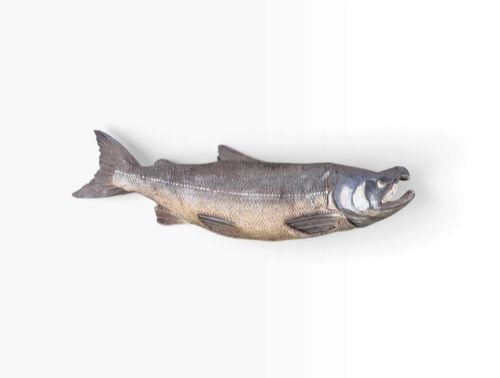
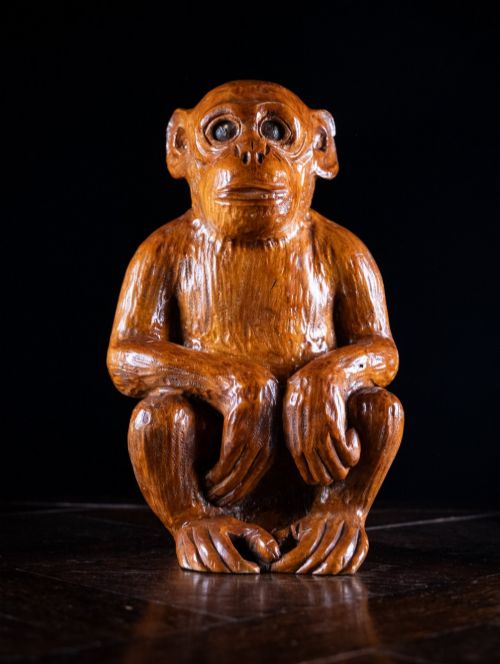
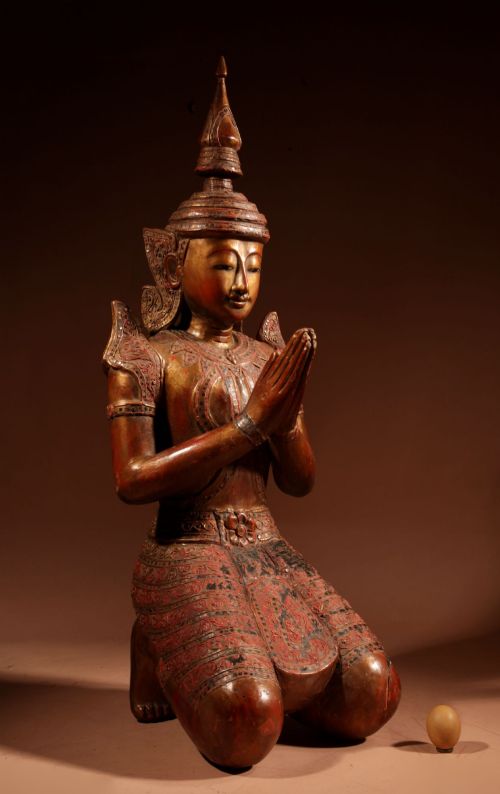


Asian Carved Wood Statue
An asian carved wood statue brings centuries of ritual, folklore, and master craftsmanship into a room.

Asian Carved Wood Statue
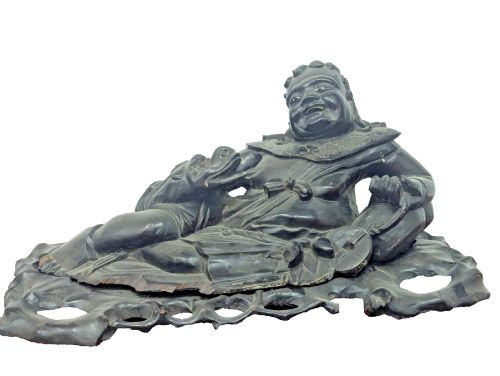
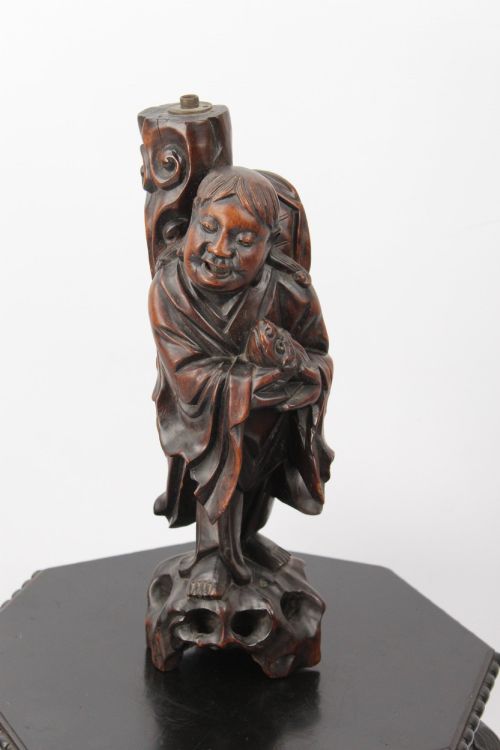
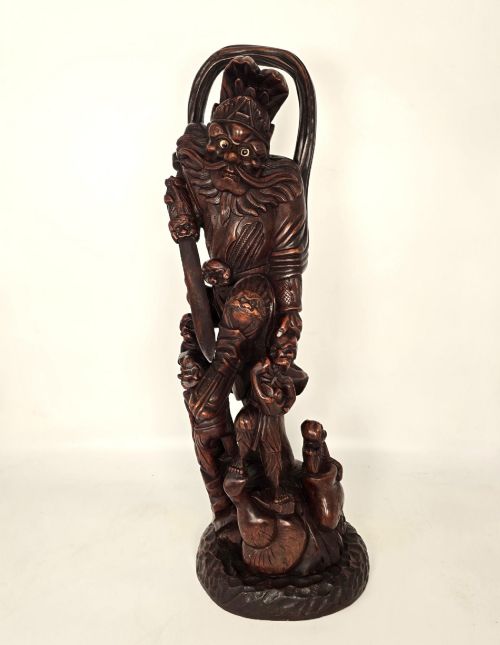
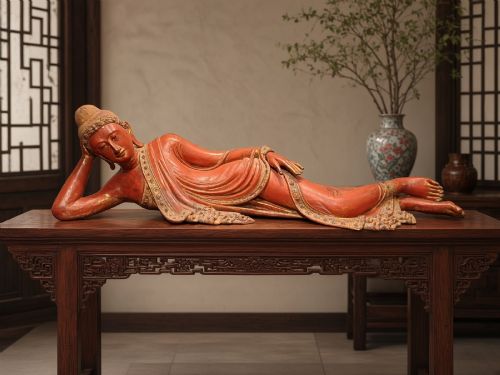
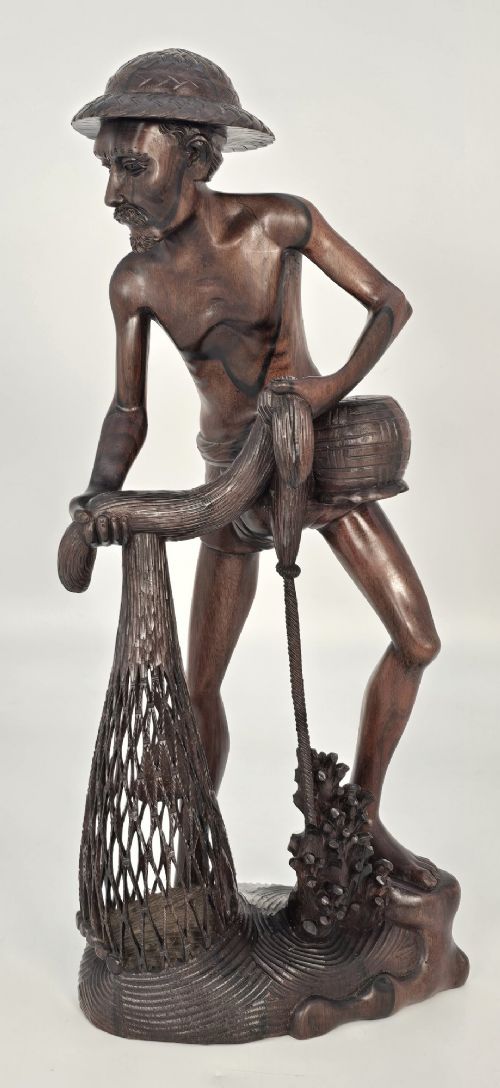
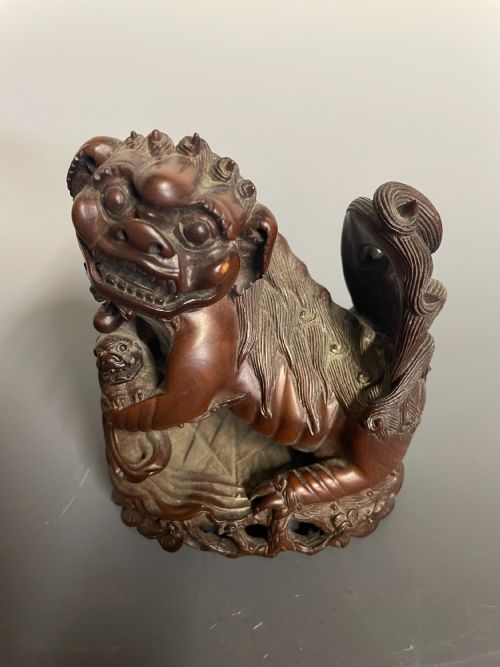
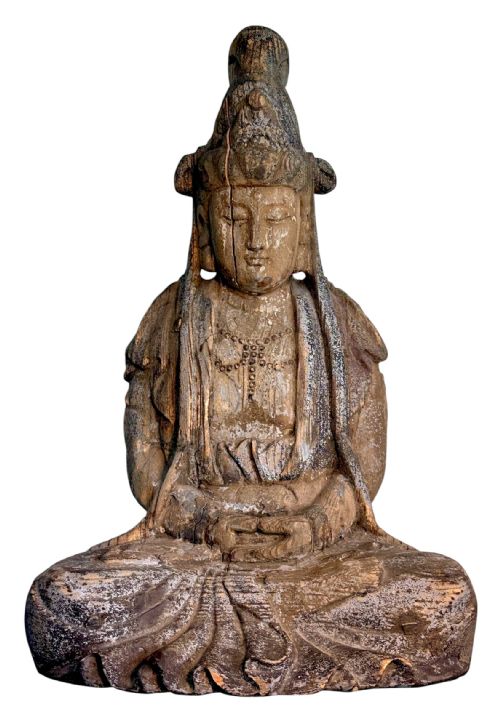
When you search for an asian carved wood statue, you encounter figures rooted in religious devotion, folklore, and secular daily life from across Asia. The examples on this page span several centuries, featuring Buddhist deities, Daoist immortals, temple guardians, and figures representing fishermen, scholars, and mythical beasts.
You are most likely to meet Chinese hardwood carvings from the nineteenth century alongside Japanese Meiji period boxwood okimono and Burmese gilt wood temple figures. These range from intimate cabinet sculptures to monumental guardian figures that once stood in traditional buildings.
How they were made
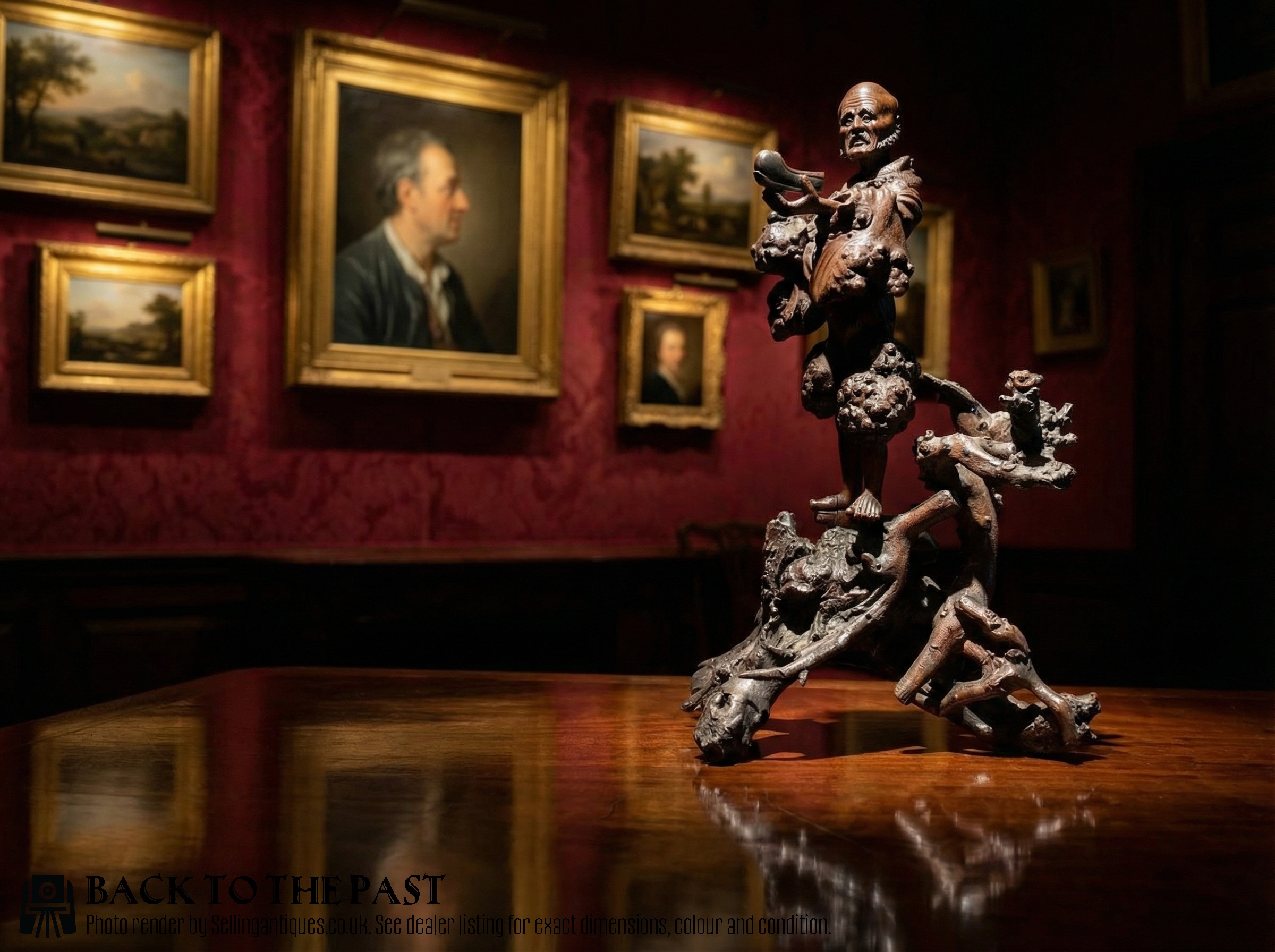
Carvers utilised dense timbers such as hardwood, boxwood, and organic root wood, which allowed for intricate detail and high relief work without splitting. Artisans also employed burr root wood to embrace the natural contours and knots of the material within the final composition.
Surfaces were frequently enhanced with gold leaf, lacquer, and polychrome paint applications to delineate garments, flesh, and ritual objects. Mixed metal mountings occasionally complemented the carved timber elements to add structural contrast.
Asian Carved Wood Statue Retail Price Guide 2026
Typical asking prices for asian carved wood statue among the pieces listed under this phrase on Sellingantiques today, from the lower quarter to the upper quarter. They describe what is for sale here now, not the wider market.
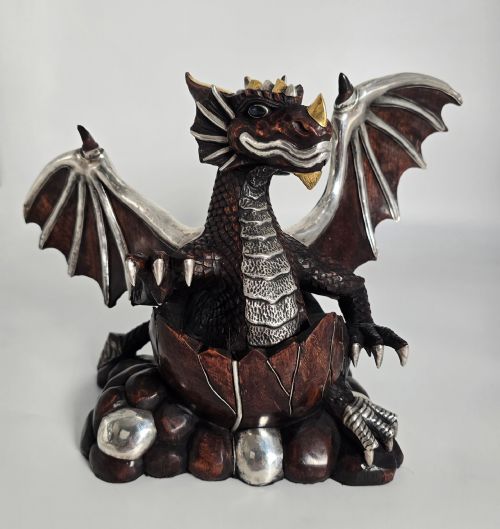
Mongolian pack horses and playful monkeys share shelf space with venerable deities and fierce temple guardians.
What varies in quality
The preservation of original surface finishes, such as polychrome paint, lacquer, and gilt wood, directly influences the integrity of the piece. Natural patination developed through age adds depth to the wood grain without obscuring the original hand carving.
The Asian Carved Wood Statue Glossary
- Okimono
- A Japanese ornamental carving designed for display on a shelf or in a tokonoma alcove. These sculptures often depict figures from folklore, deities, or animals.
- Root wood
- Timber carved directly from the gnarled underground root systems of trees. Artisans incorporate the natural twists of the wood into the overall design of the sculpture.
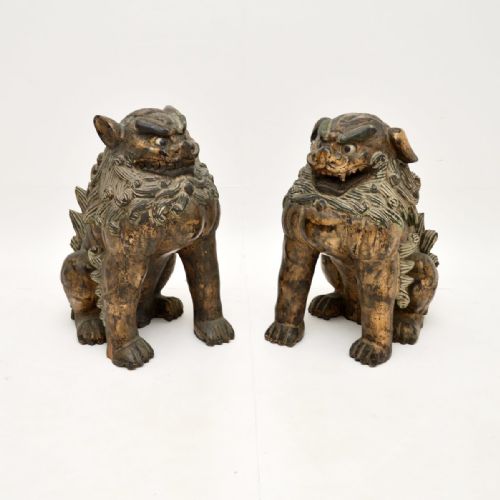
- Foo Dog
- A traditional guardian lion depicted in pairs to protect sacred spaces. These mythical creatures appear frequently in Chinese wood and stone carving.
- Boxwood
- A dense, pale hardwood prized for fine detail work and miniature carvings. It develops a warm golden patina over time.
Asian Carved Wood Statue: Frequently Asked Questions
Where were these statues originally placed?
Many of these figures originated in temples, shrines, or domestic altars where they served devotional or protective functions. Others were created as scholarly desk objects or decorative works for traditional interiors.
Over time, temple figures were often retired from active ritual use, while smaller secular carvings remained in private collections and homes.
How should I clean a wooden carving?
Dusting gently with a soft, dry brush or a lint-free cloth preserves the delicate carved details and surface patination. Avoid using water, chemical polishes, or liquid cleaners on antique timber.
Keeping the sculpture away from direct sunlight and steady humidity prevents the wood from drying out and cracking.
How can I tell different periods apart?
Stylistic shifts and tool marks often offer clues to the era in which a sculpture was produced. Meiji period Japanese works frequently display distinct precision in boxwood, while nineteenth-century Chinese pieces often utilise heavy hardwoods or root wood.
Earlier temple figures from the eighteenth century or earlier frequently feature layered gilt and polychrome finishes over deep relief carving.
What subjects do these statues represent?
Common subjects include Buddhist figures such as Guanyin and seated Buddhas, alongside Daoist immortals like Liu Hai and Budai. Guardian figures, mythical animals, and genre scenes of daily life also appear frequently across the regional traditions represented here.
Each subject carried specific cultural, religious, or auspicious meanings for the original maker and owner.