
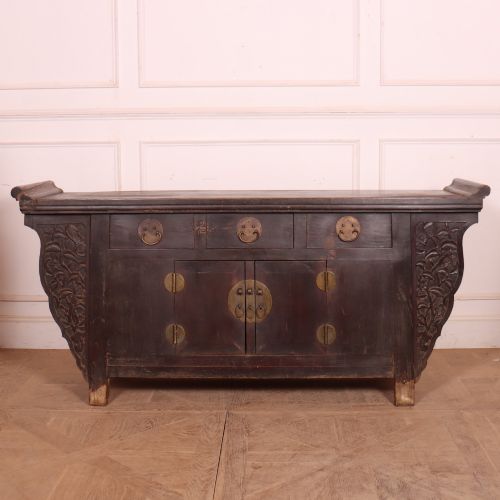
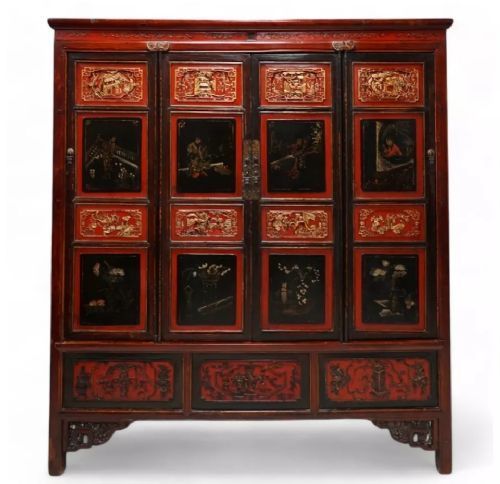
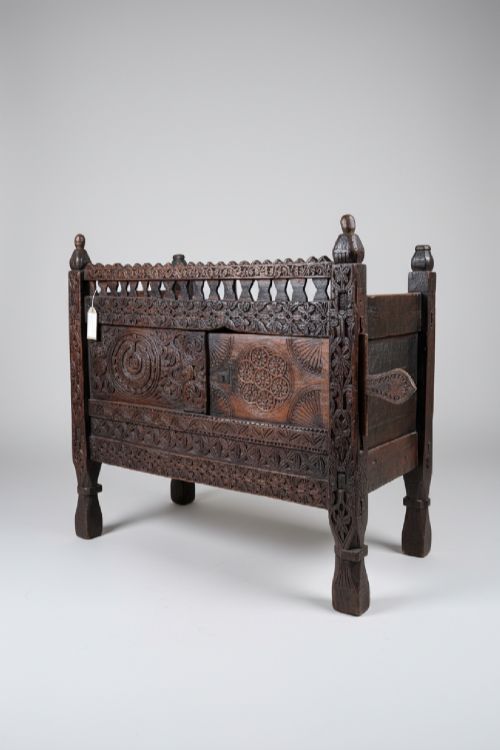


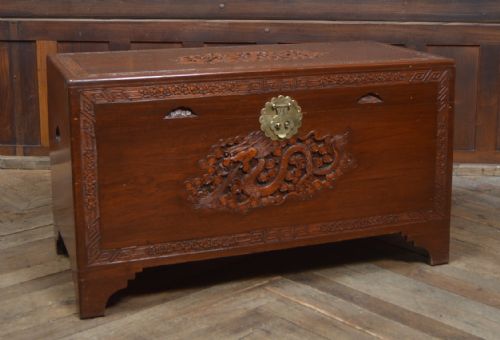
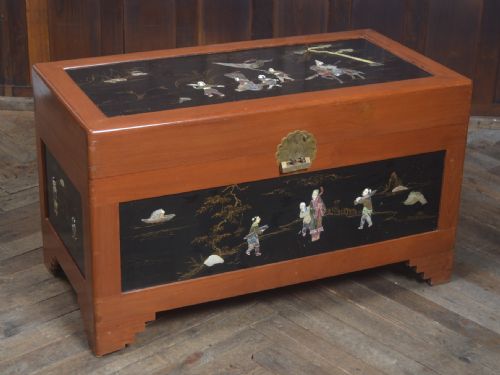


Asian Carved Storage Box
These functional asian carved storage box examples combine practical utility with traditional carving, offering durable protection for textiles and household goods.
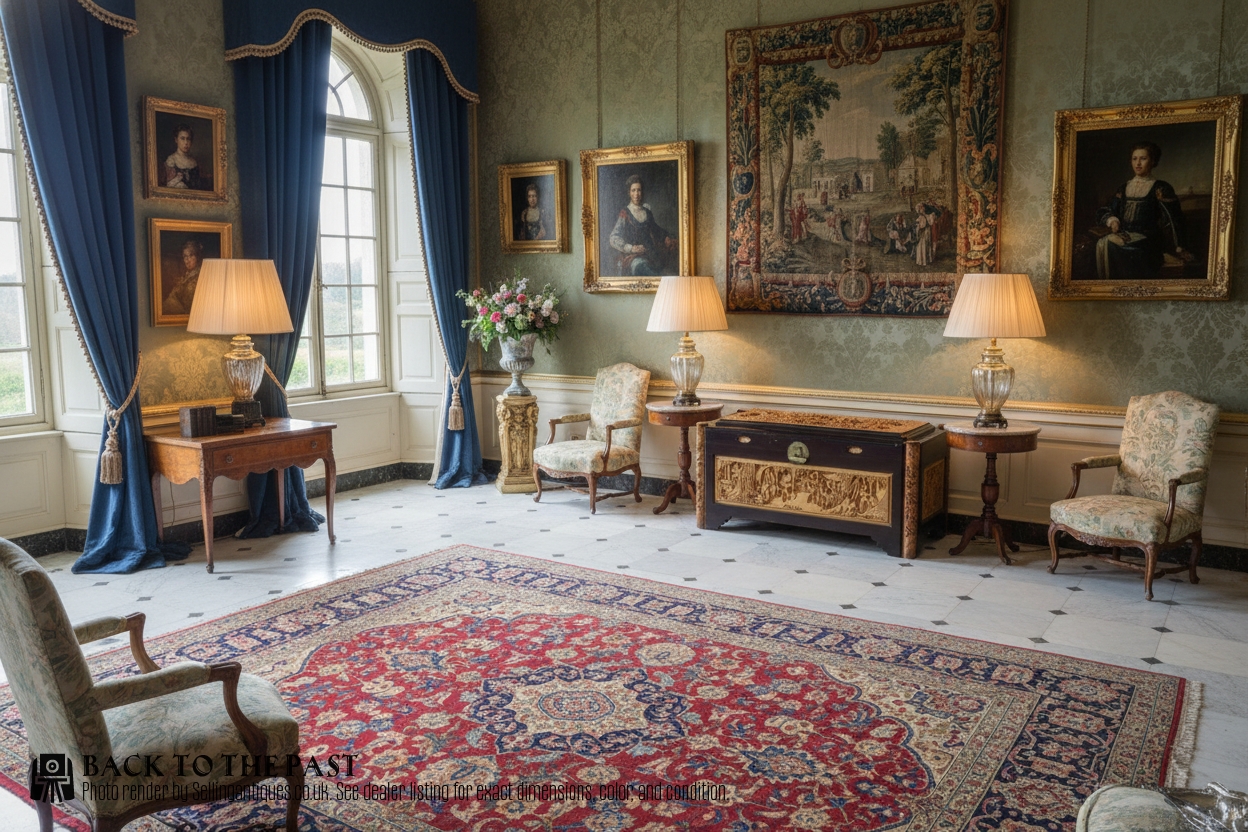
Asian Carved Storage Box
An asian carved storage box brings traditional craftsmanship into domestic spaces, serving as a functional trunk or blanket box. These pieces range from nineteenth-century dowry chests to early twentieth-century camphorwood trunks.
Objects span several decades, including Qing dynasty pieces alongside 1920s and 1930s export items. Each trunk demonstrates specific regional aesthetics, from Swat Valley folk art to Chinese export styles.
Materials and construction methods
Makers utilised resilient timbers such as camphor wood and elm to construct these trunks, providing natural protection against insects and dampness. Hardwood and brass elements frequently appear, adding structural stability and decorative contrast.
Surface decoration relies on deep relief carving, red lacquer finishes, and mother-of-pearl inlay. Craftsmen combined traditional joinery with detailed surface work to produce durable storage vessels.
Listings feature items spanning the nineteenth century through the 1930s, constructed from camphor wood, elm, and brass.
Distinctions in quality and execution
Superior examples display crisp, deep relief carving that maintains sharp definition across the entire surface of the wood. The complexity of the decorative scheme, whether floral motifs or figurative scenes, dictates the refinement of the piece.
The choice of primary timber and secondary materials also influences the standard of the box. Pieces incorporating brass hardware or mother-of-pearl inlay demonstrate elevated levels of ornamentation and material cost.
The Asian Carved Storage Box Glossary
- Camphorwood
- A durable, aromatic timber utilised extensively for trunks because its natural scent repels moths and insects. This wood accepts deep relief carving readily.
- Dowry chest
- A traditional storage container created for a bride's household linens and personal possessions. These pieces often feature specific regional motifs.
- Chinoiserie
- European interpretation and imitation of Chinese artistic traditions and motifs. This style appears on various nineteenth-century storage pieces.
- Mother of pearl
- The iridescent inner layer of certain mollusc shells, employed for delicate inlay work. Craftsmen embed small pieces into the wood surface to create shimmering patterns.
- Elm
- A tough domestic hardwood selected for structural integrity in traditional cabinetry. It provides a stable base for lacquer finishes.
Asian Carved Storage Box: Frequently Asked Questions
What were camphor wood trunks used for?
These trunks served primarily to store garments, blankets, and valuable textiles within the home. The natural properties of camphor wood helped protect wool and silk from insect damage during long storage periods.
Their sturdy construction also made them suitable for travel and shipping personal belongings across maritime trade routes. Later versions continued this practical tradition while serving as decorative furniture in domestic interiors.
How do I identify a nineteenth century chest?
Nineteenth-century pieces often display traditional joinery methods, hand-carved surfaces, and signs of genuine age in the patina of the wood. Examining the interior construction and hardware helps determine the manufacturing period.
Makers of this era frequently utilised solid camphor wood or elm, applying carving techniques characteristic of regional workshops before mass production methods became widespread.
Where were these carved boxes made?
The pieces originate from various regions including China, the Swat Valley, and Anglo-Indian workshops. Export hubs produced many trunks specifically for international markets during the nineteenth and early twentieth centuries.
Regional differences appear in the choice of wood, such as elm or camphor, and in the specific style of carving, ranging from folk art to formal export designs.
How do I care for a camphor wood box?
Maintain the wood by keeping the chest away from direct heat sources and sudden humidity changes. Regular dusting with a soft cloth preserves the carved surface without damaging the finish.
Avoid applying modern chemical polishes that might react adversely with historic lacquer or natural timber oils. Gentle care ensures the carved details remain crisp and distinct.