


Hand Carved Wooden Chest
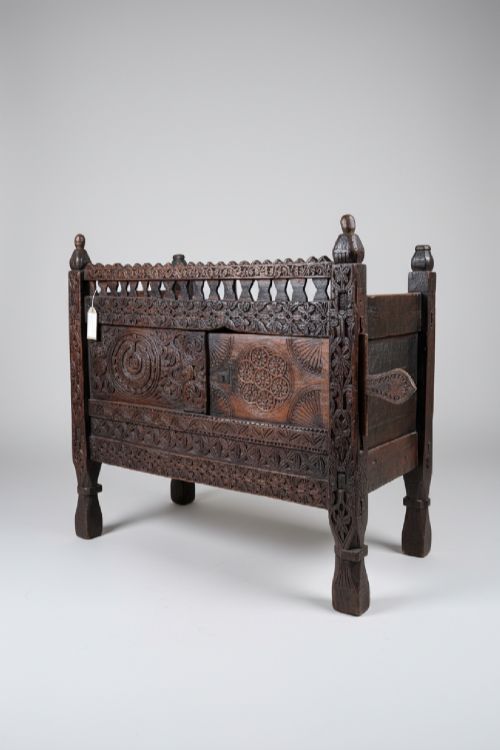
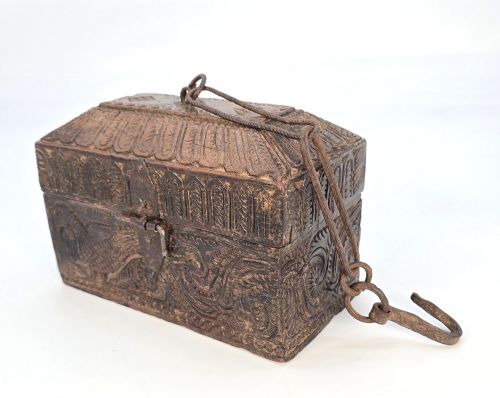
A hand carved wooden chest brings texture and storage to a room, offering everything from small caskets to large dowry trunks.
Hand Carved Wooden Chest
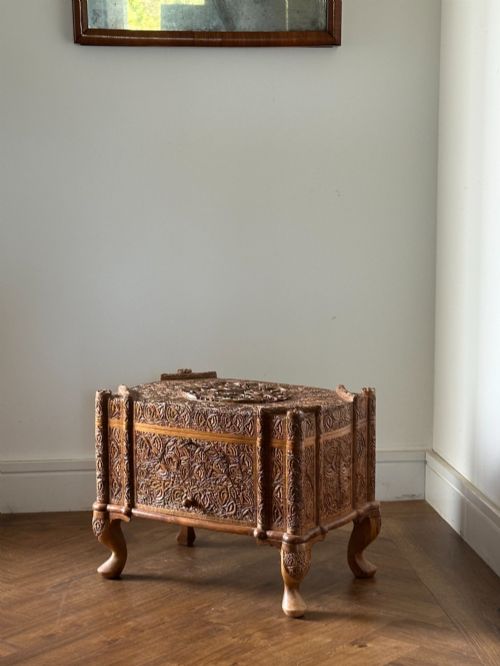
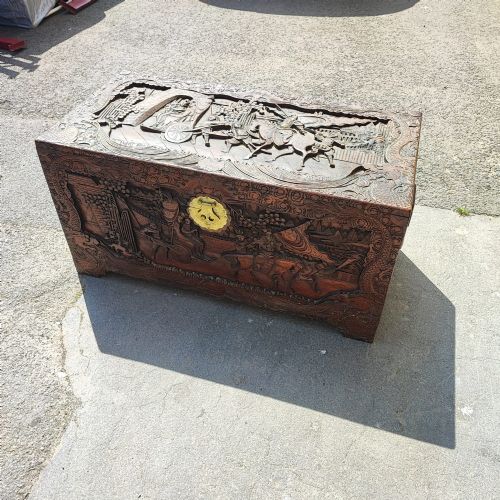
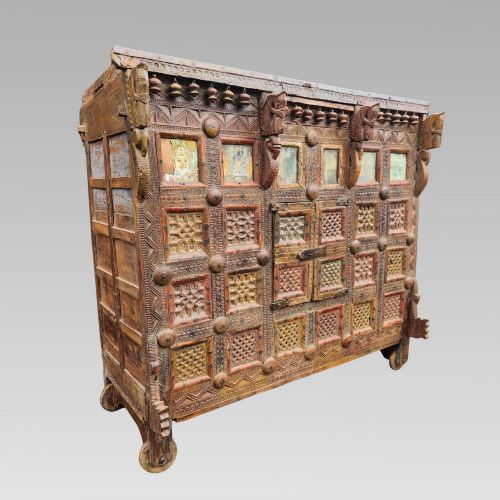
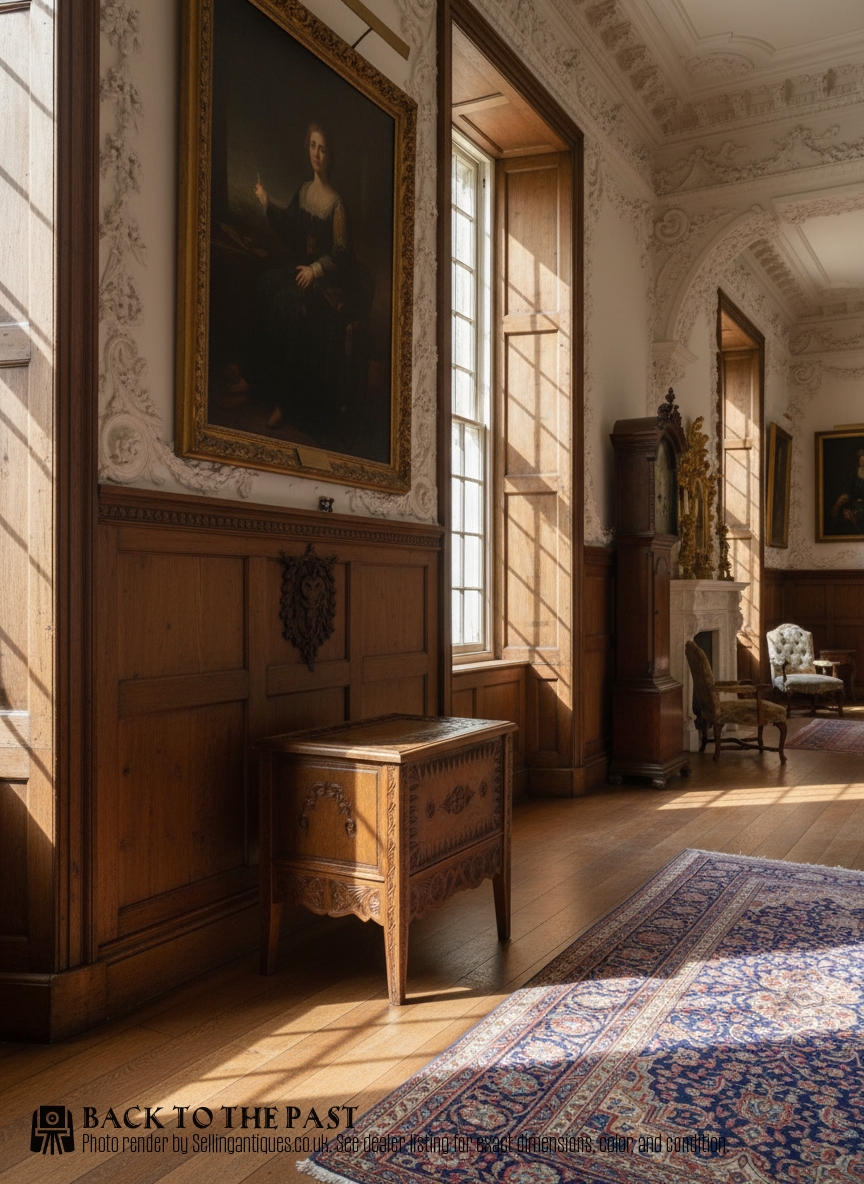
When searching for a hand carved wooden chest, buyers encounter a wide variety of storage forms dating from the eighteenth century through to the mid-twentieth century. The selection ranges from compact sandalwood jewellery boxes and spice caskets to large camphor wood blanket trunks, oak marriage coffers, and regional dowry cabinets.
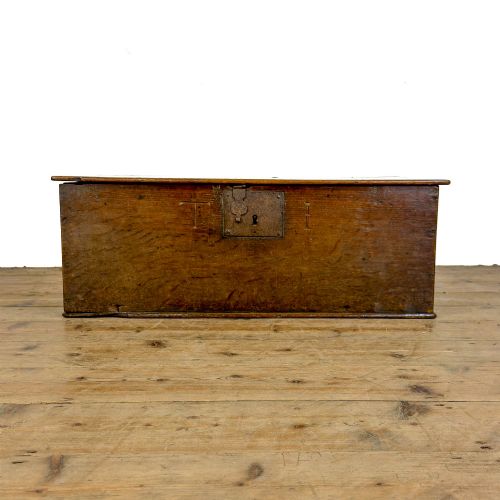
The pieces originating from international workshops include Chinese export camphor trunks, Anglo-Indian sandalwood and teak pieces, and Spanish painted blanket chests. British examples appear in sturdy oak through traditional styles such as Arts and Crafts coffer chests and primitive shepherds coffers.
Smaller tabletop boxes and tea caddies sit alongside heavy floor-standing chests, offering different scales of storage for domestic interiors. Each piece displays distinct regional carving traditions, from deep floral motifs to geometric patterns.
Materials and construction methods
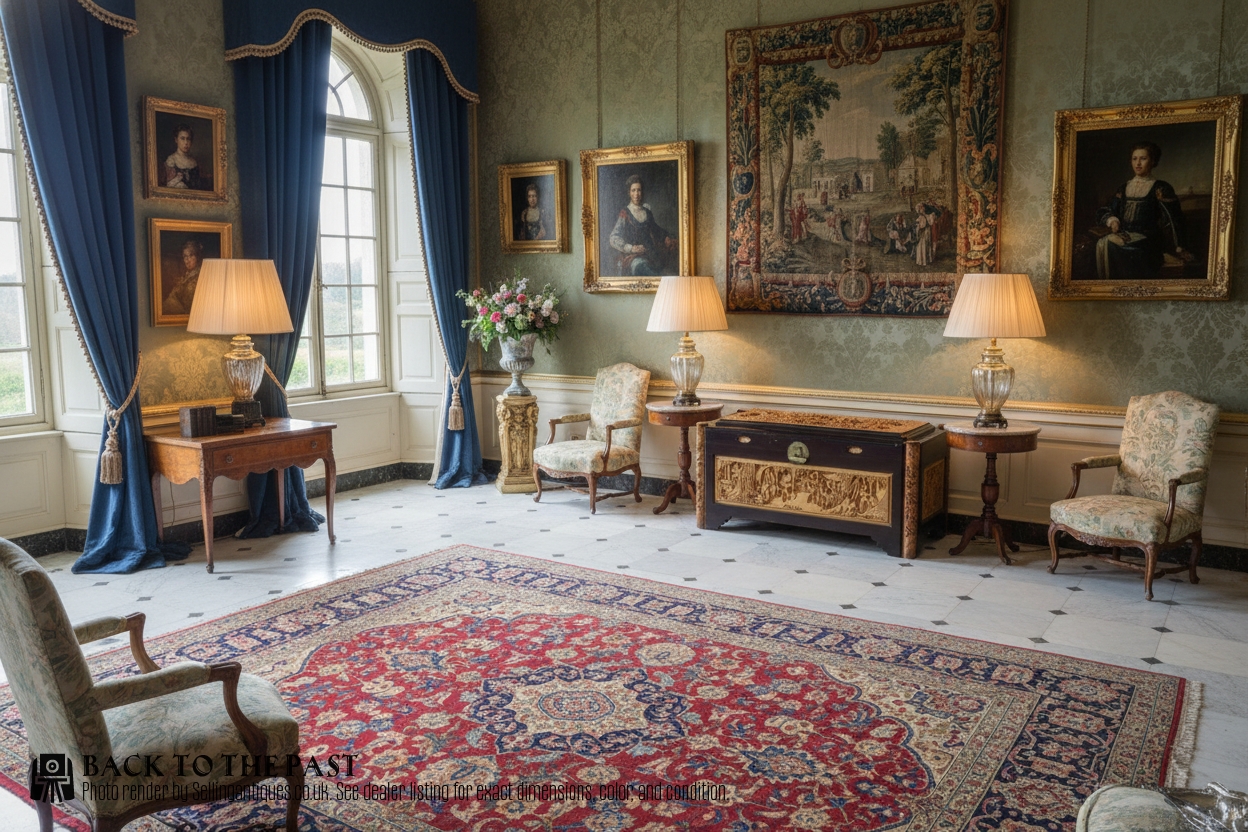
Makers utilised a diverse palette of dense timbers including camphor wood, teak, sandalwood, oak, walnut, and padouk. Hardwoods provided the structural stability needed for heavy relief carving while resisting local pests and humidity.
Joinery techniques combined traditional pegged joints in oak bible boxes with intricate tongue-and-groove assembly in oriental camphor trunks. Metal elements such as brass hinges, iron straps, and locks added functional reinforcement to lids and corners.
Surface treatments ranged from clear polish on native hardwoods and black forest walnut to painted finishes on Spanish pine and black lacquer applied to Chinese cabinets.
Camphor trunks retain their distinct medicinal scent for generations, quietly perfuming every room they inhabit long after their travels end.
Distinctions in quality
The standard of a hand carved wooden chest rests on the depth and crispness of the chisel work across the timber. Superior pieces exhibit confident relief carving with sharp undercut details, whereas lesser examples show shallow, mechanical stamping.
Timber selection dictates overall integrity, with dense heartwoods and well-matched grain patterns outlasting warped or hastily seasoned substitutes. Intact original hardware, functioning brass locks, and stable interior fittings elevate the standing of a piece.
Regional execution matters greatly, as specialist workshops in regions like the Swat Valley or South India employed master carvers whose distinctive regional motifs display superior proportion and balance.
Jack Grimble
The Hand Carved Wooden Chest Glossary
- Camphor wood
- A fragrant timber native to Asia, traditionally utilised for storage trunks because its natural scent repels moths and insects. It is lightweight yet durable.
- Bible box
- A small, sloped-lid wooden desk or container historically used to store family bibles and important documents. These pieces often feature carved friezes on the front panels.
- Coffer
- A heavy wooden chest traditionally used for storing valuables, textiles, or provisions. Early examples often rest directly on the floor or on short stile feet.
- Cellarette
- A lockable container or cabinet designed to hold bottles of wine or spirits safely. They appear in refined woods with internal partitioning.
- Dowry chest
- A large storage trunk prepared for a bride, filled with household goods and linens. These chests frequently display the most elaborate carving associated with their specific culture.
Hand Carved Wooden Chest: Frequently Asked Questions
What were camphor wood chests used for?
Camphor wood chests served primarily for storing garments, woollens, and valuable textiles in maritime trade and domestic settings. The natural aroma of the timber protected stored fabrics from insect damage.
Their sturdy construction also made them suitable for luggage during long sea voyages, allowing travellers to secure their personal belongings.
How do I date an antique oak bible box?
Dating relies on examining the construction marks, joint types, and carving styles present on the panels. Eighteenth-century examples often feature hand-cut dovetails, pegged mortise and tenon joints, and characteristic chip-carved friezes.
Later reproductions typically display modern machine-cut screws and standardised hardware that differ from period work.
How do I care for a carved wooden chest?
Maintain the timber by keeping the chest away from direct heat sources and sudden humidity changes to prevent the wood from splitting. Dust the carved recesses regularly with a soft, dry brush.
A light application of appropriate beeswax can help nourish dry hardwoods without building up a heavy residue over the carved details.