

Asian Bronze Statue
An asian bronze statue brings centuries of craft, devotion and myth directly into a room through enduring metalwork.
Asian Bronze Statue
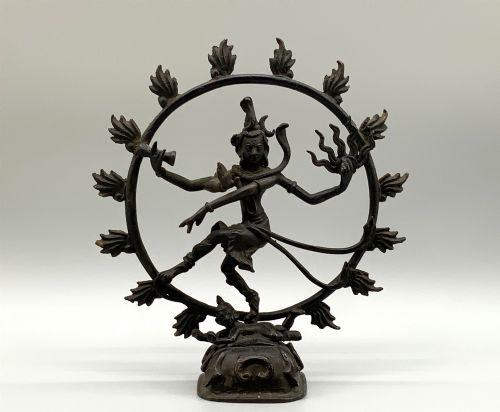
An asian bronze statue encompasses sacred deities, mythical beasts, animals and human figures originating from diverse traditions across the continent. When searching for an asian bronze statue, collectors frequently encounter pieces from the nineteenth century, alongside earlier works stretching back to the sixteenth century.
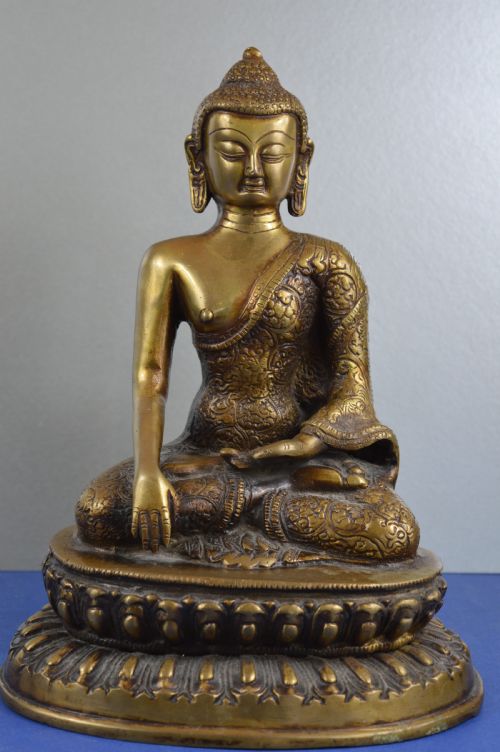
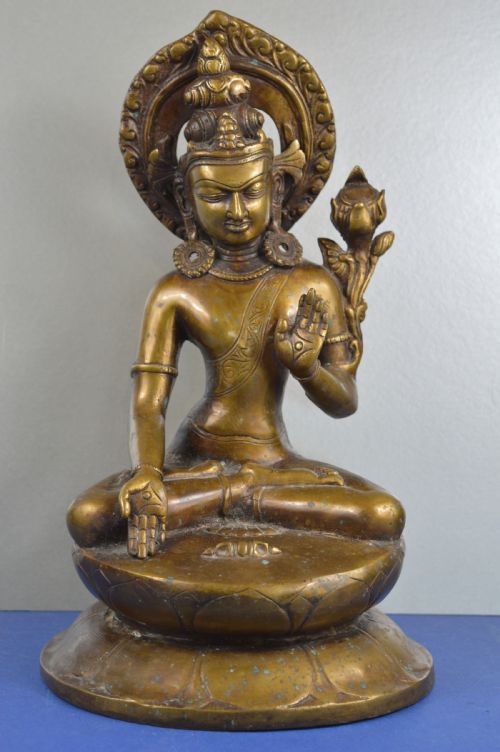
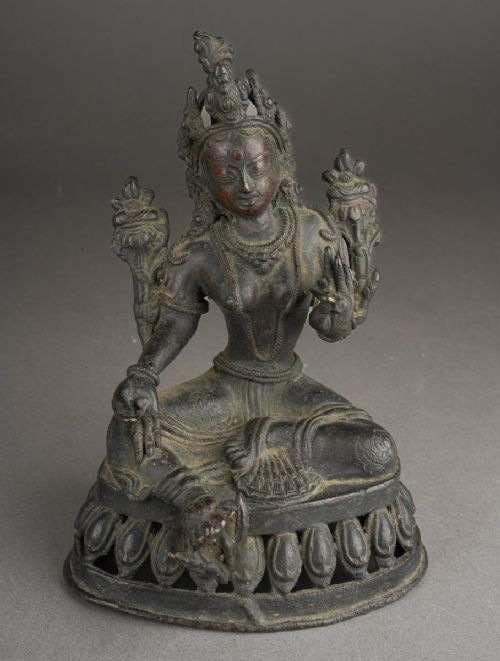
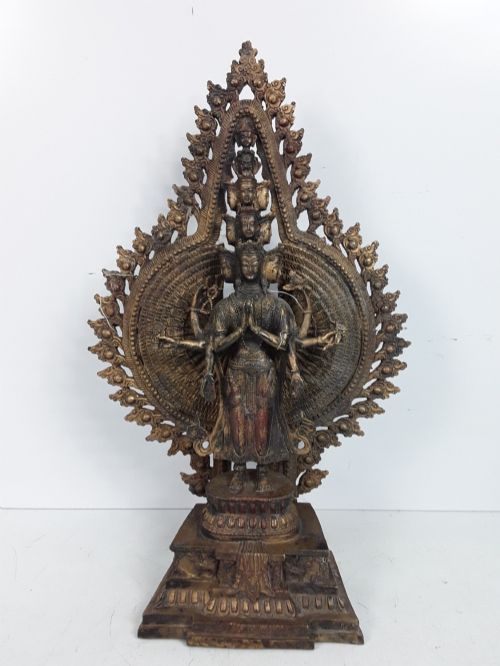
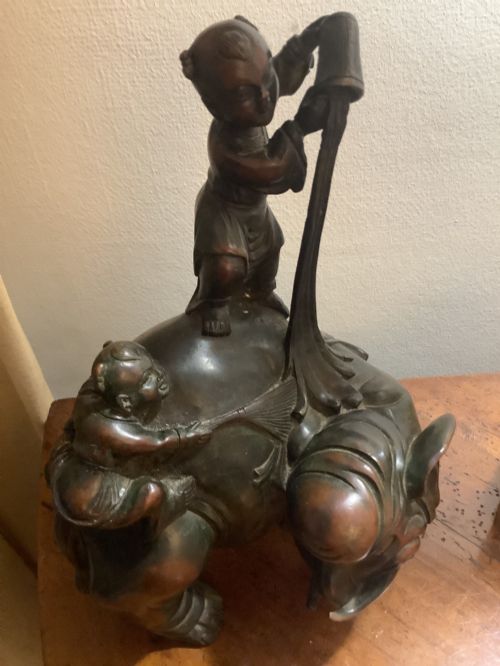
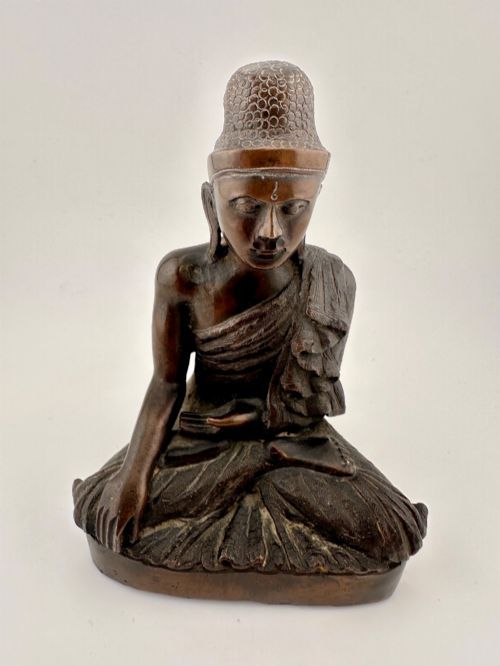
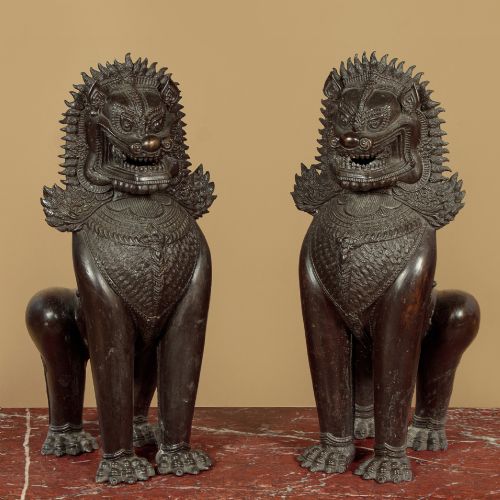
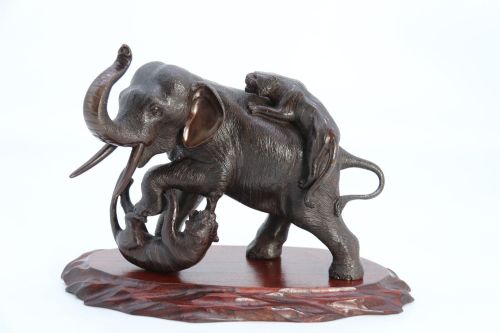
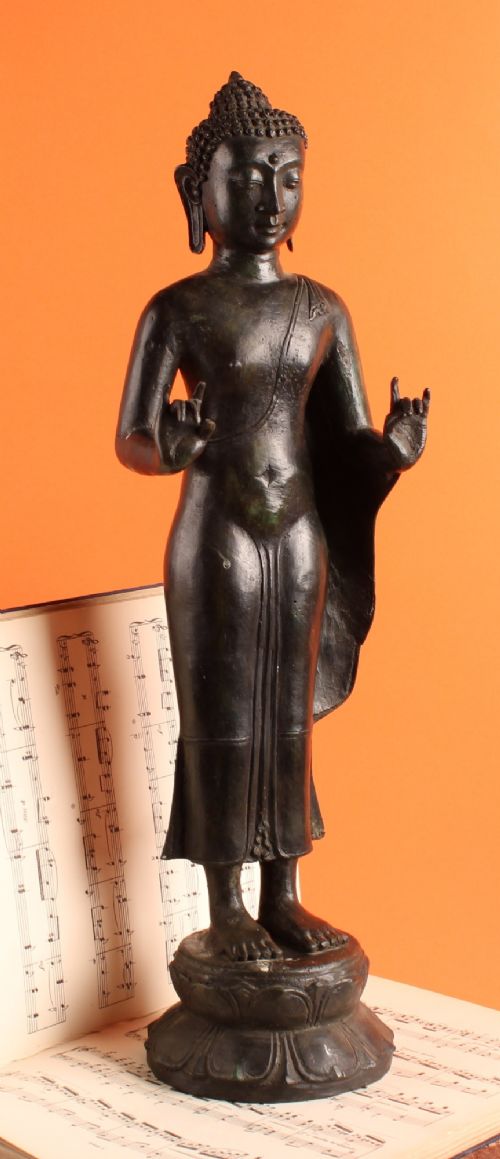
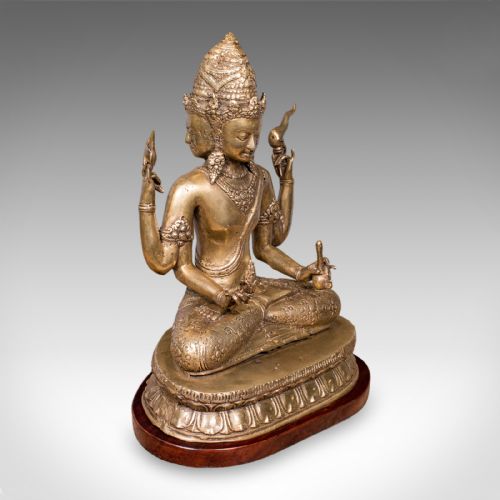
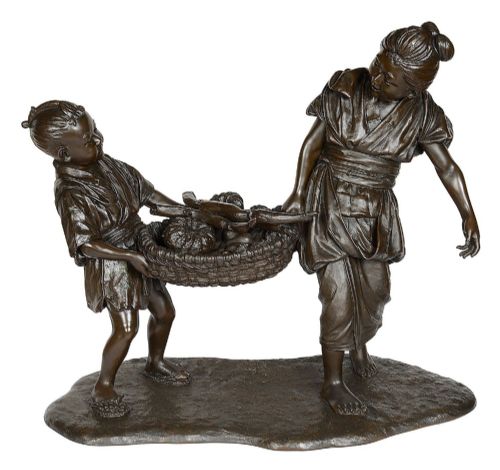
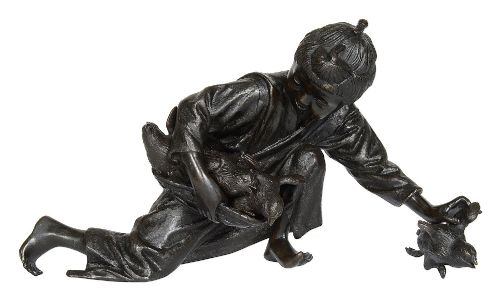
The selection ranges from large temple guardians and shrine figures to diminutive scholar's objects and okimono. Regional styles span Japanese Meiji period castings, Chinese dynastic figures, Tibetan and Nepalese Buddhist deities, and Southeast Asian Buddha statues.
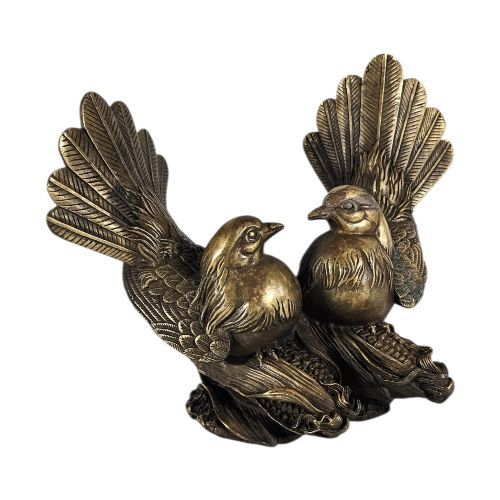
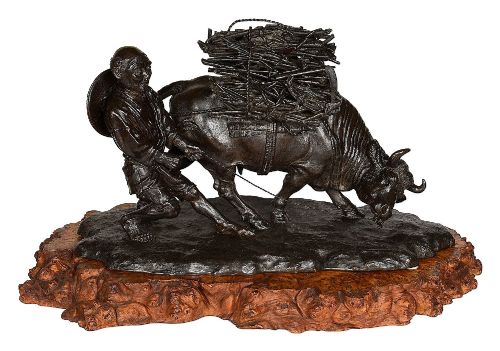
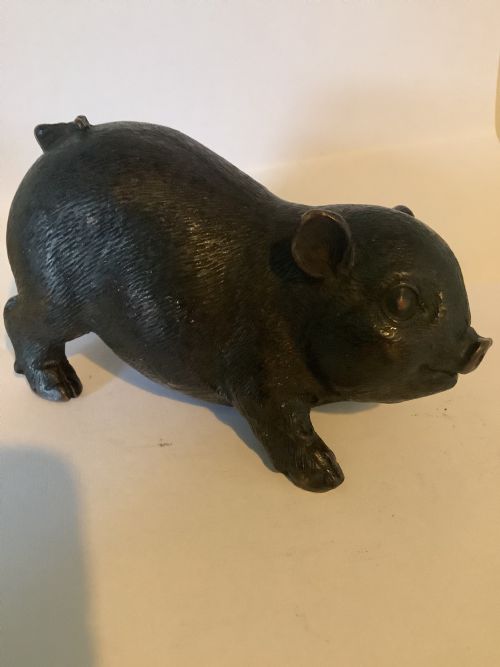
Forms include seated and standing Buddhas, bodhisattvas, mythical creatures such as qilin and pixiu, and naturalistic depictions of animals and labourers. These objects served roles in domestic shrines, temple rituals and scholarly contemplation before entering the decorative sphere.
Materials and casting methods
Makers primarily utilised bronze, copper alloy and brass, frequently enhancing surfaces with fire gilding, patination or applied pigments. The lost-wax casting method enabled intricate detailing in figures ranging from small shrine ornaments to large garden sculptures.
Surfaces often show deliberate patination, ranging from deep dark tones to warm golden hues, sometimes accented with engraved details or contrasting metals like silver and copper. Wood and marble occasionally serve as supporting elements or bases for these metal sculptures.
Asian Bronze Statue Retail Price Guide 2026
Typical asking prices for asian bronze statue among the pieces listed under this phrase on Sellingantiques today, from the lower quarter to the upper quarter. They describe what is for sale here now, not the wider market.
The inventory records distinct regional traditions, including Meiji period Japanese works, Sino-Tibetan deities and Rattanakosin Buddha figures.
Evaluating the craftsmanship
Quality rests in the crispness of the chasing, the fluidity of the modelling and the depth of the original patination. Master casters achieved subtle facial expressions and natural drapery folds that distinguish fine studio or temple pieces from commercial export wares.
Signatures, marks and the integrity of the casting weight further separate standard decorative items from works of exceptional sculptural merit. Preservation of surface finish and the retention of original gilding or pigment play a significant part in the standing of a piece.
Masaaki·Seiunsai Miyamoto Sei
The Asian Bronze Statue Glossary
- Mudra
- A symbolic hand gesture in Buddhist and Hindu iconography that conveys specific teachings or states of mind. These gestures help identify the deity represented in a sculpture.
- Okimono
- A Japanese term for a decorative object traditionally displayed in an alcove or on a shelf. These freestanding sculptures often depict animals, mythical figures or everyday subjects.
- Bodhisattva
- An enlightened being who defers entering nirvana to help others achieve salvation. They are frequently depicted wearing elaborate crowns and jewellery.
- Patination
- The natural or artificial coloration developed on the surface of metal over time. A stable, undisturbed patination contributes to the character of antique bronze.
- Qilin
- A mythical hooved chimerical creature in Chinese mythology associated with prosperity and serenity. Figures of these beasts often double as scholar's desk items.
Asian Bronze Statue: Frequently Asked Questions
How do I date an antique bronze sculpture?
Dating relies on stylistic markers, casting techniques, regional characteristics and any visible maker marks or reign inscriptions. Comparing the form to known dated examples helps narrow down the period of production.
Material composition and the nature of the surface patination also provide vital clues regarding the age and origin of the metalwork.
Where were these statues originally displayed?
Many figures held sacred positions within temples, domestic shrines or monastic settings across Asia, serving as focal points for meditation and devotion. Other forms, such as okimono and scholar's objects, were designed for secular interior spaces and scholar's desks.
Larger animal sculptures and garden figures were placed in courtyards or landscaped environments to project status and harmony.
How should I care for bronze in my home?
Bronze requires minimal maintenance, typically needing only gentle dusting with a soft cloth to prevent particulate accumulation. Avoid using chemical cleaners, polishes or abrasive cloths that can strip away the historic patination.
Keeping the sculpture away from excessive moisture and direct sunlight helps preserve the metal surface and any remaining gilt or pigment.