






Asian Bird Painting
When you search for an asian bird painting, you find works on silk, pith paper, and porcelain that bring centuries of traditional craft into a room.
Asian Bird Painting
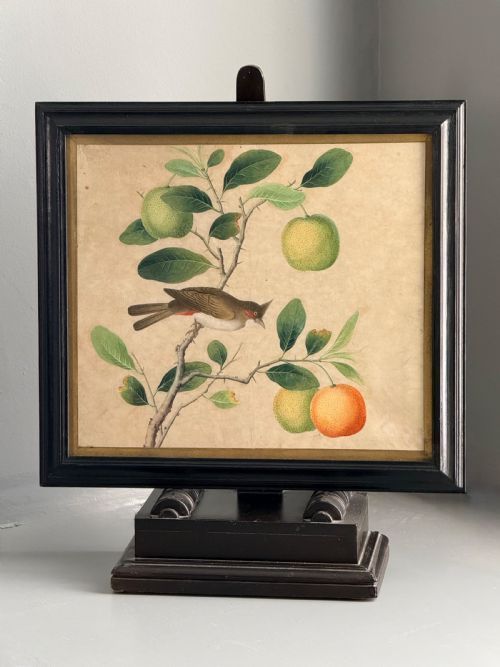
An asian bird painting encompasses framed silk watercolours, gouache works on pith paper, and hand-painted porcelain plates and vases depicting avian subjects. These decorative objects emerge across periods spanning from the eighteenth century through the early twentieth century.
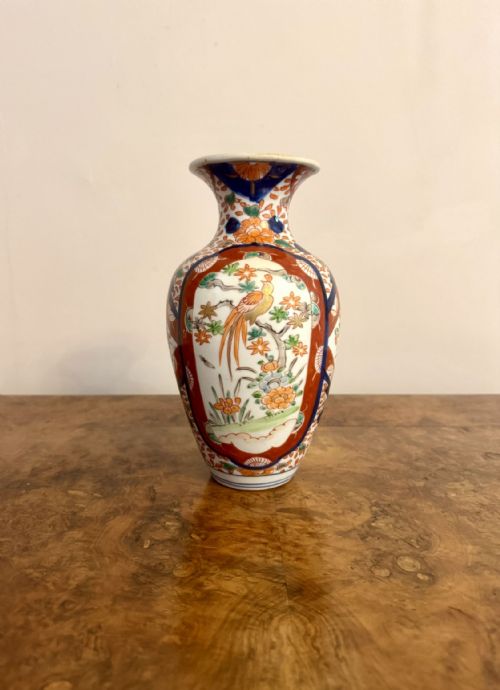
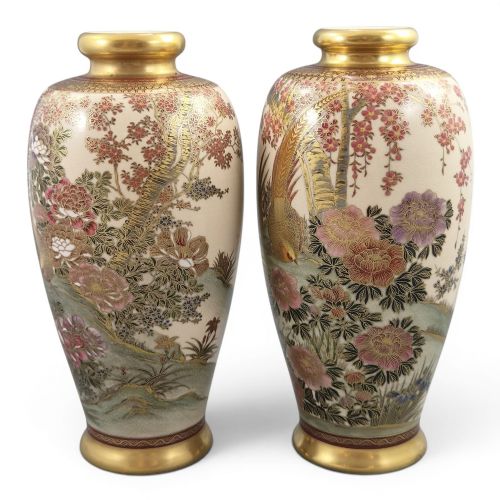
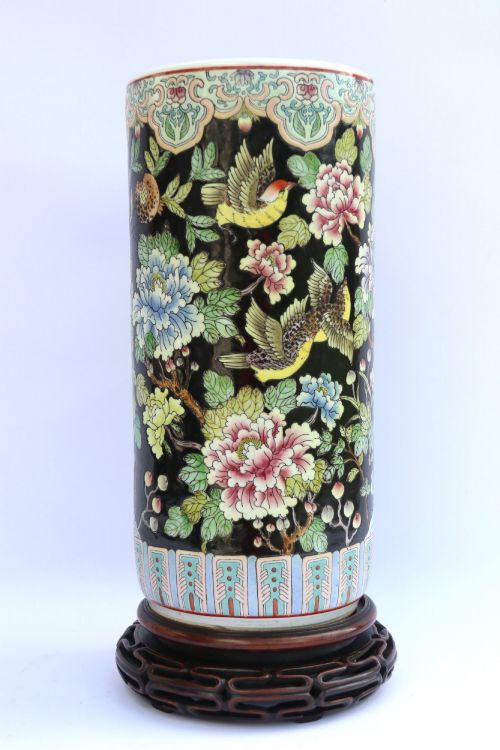
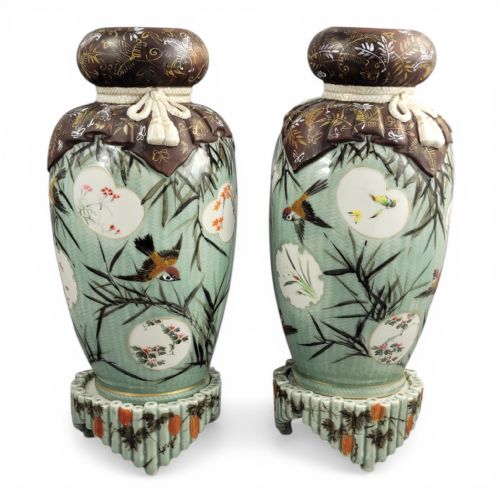
The versions most frequently met on this page include Japanese Imari and Satsuma porcelain alongside Chinese watercolour paintings on silk and pith paper. Makers across China and Japan render herons, ducks, phoenixes, and exotic birds amidst blossoms and foliage.
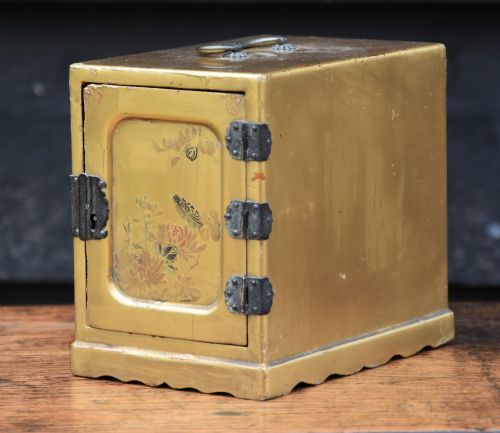
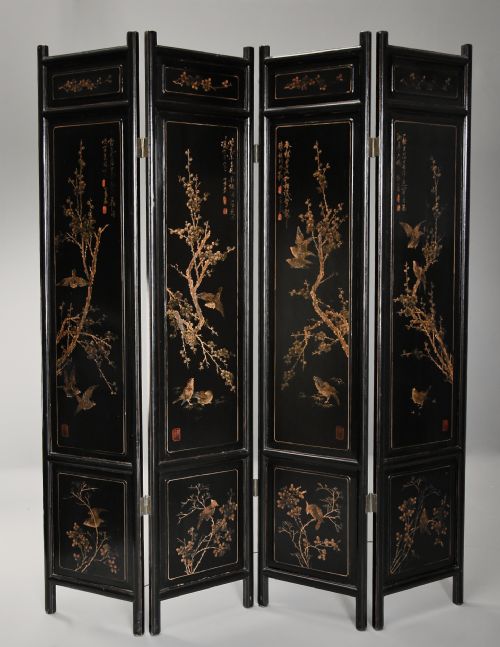
Forms range from flat wall art and wall hangings to three-dimensional vases, chargers, lacquer boxes, and four-leaf room dividers. Each piece combines pictorial art with functional or decorative contexts from East Asian traditions.
How they were made
Painters apply watercolour and gouache directly onto delicate silk fabrics or thin pith paper sheets, capturing fine feather details with precise brushwork. Artisans utilise natural mineral pigments and inks to achieve lasting depth in every avian depiction.
Potters shape porcelain and earthenware bodies before applying intricate enamel glazes, gold leaf highlights, and underglaze blue. Lacquer workers build up layers on wood surfaces, often incorporating carved details or metallic dust to frame the painted motifs.
Listings feature items from the 18th century through the 1950s, using materials including silk, porcelain, lacquer, and gold leaf.
What varies in quality
The distinction between standard items and the top of the range rests upon the precision of the brushwork and the complexity of the glaze or lacquer work. Master workshops employ finer lines and more harmonious colour palettes that elevate simple decorative objects into significant works of art.
Condition and originality also dictate standing, particularly where delicate silk, pith paper, or original wooden stands remain intact without extensive restoration. Signed pieces by recognised makers demonstrate a higher level of execution and historical documentation.
Manpei·Kinkōzan·Kato Sanhei·Kizan
The Asian Bird Painting Glossary
- Pith paper
- A traditional Asian painting surface made from the spongy interior of Tetrapanax papyrifer stems. Artists use it for gouache and watercolour illustrations.
- Satsuma ware
- A type of Japanese earthenware featuring a ivory crackle-glaze decorated with polychrome enamels and gold. It frequently depicts birds, flowers, and figures.
- Imari porcelain
- Japanese porcelain decorated in underglaze blue, iron red, and gold, manufactured primarily for export. The style displays rich floral and avian patterns.
- Chinoiserie
- A European artistic style reflecting Chinese aesthetic influences in decorative arts and furniture. It often incorporates painted bird and floral motifs on dark lacquer surfaces.
- Kodansu
- A small Japanese tabletop cabinet or jewellery box with multiple drawers and hinged doors. They often feature elaborate lacquer and gilt decoration.
Asian Bird Painting: Frequently Asked Questions
What is pith paper?
Pith paper is a delicate organic material harvested from plant stems, historically used in China for gouache paintings.
It absorbs pigments differently than standard paper, giving painted bird scenes a soft and luminous appearance.
How do I identify Satsuma ware?
Satsuma ware is recognised by its distinctive cream-coloured earthenware body covered in a fine network of crackled glaze.
Artisans then add detailed enamel paintings enriched with gold leaf.
Where were Imari plates made?
Imari plates were produced in Japan around the port town of Arita and exported extensively through the port of Imari.
They combine deep underglaze blues with vibrant iron reds and gold.
How should I hang silk art?
Silk paintings require careful framing behind protective glass to shield the delicate fabric from dust and direct sunlight.
Keeping them away from moisture prevents the natural fibres from warping over time.
Are these pieces signed?
Certain porcelain vases and paintings bear artist signatures or workshop stamps on the base or corner.
These marks help identify specific Japanese and Chinese makers from the nineteenth and twentieth centuries.