




Oriental Wall Hanging Art
Oriental wall hanging art encompasses centuries of woven textiles, painted scrolls, and carved panels originating across Asia.
Oriental Wall Hanging Art
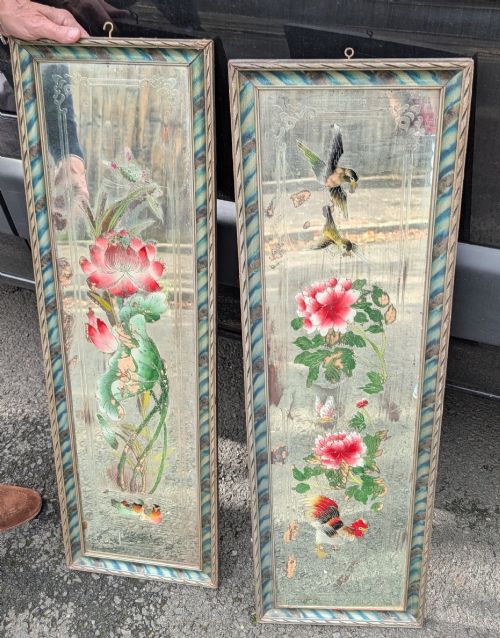
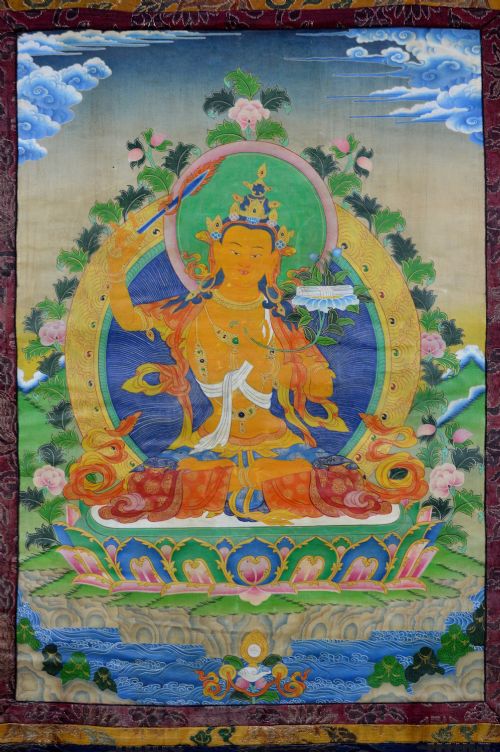
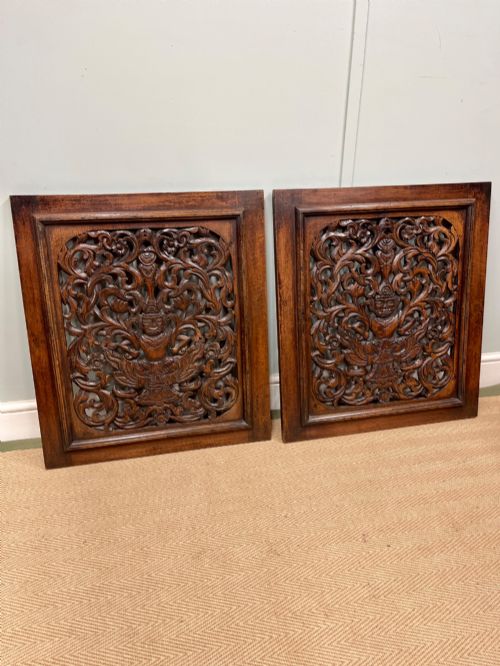
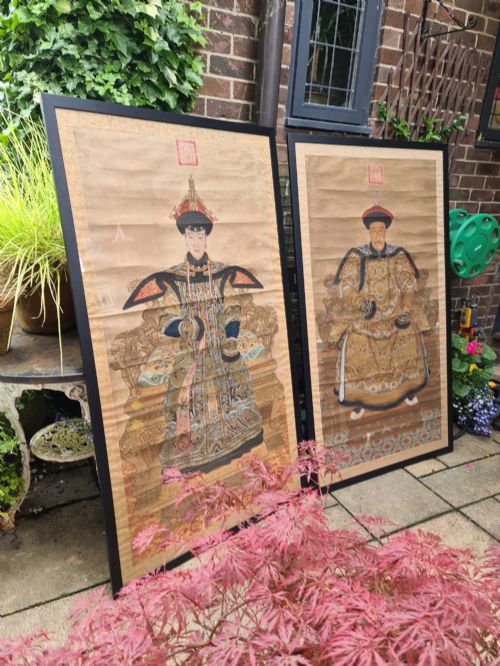
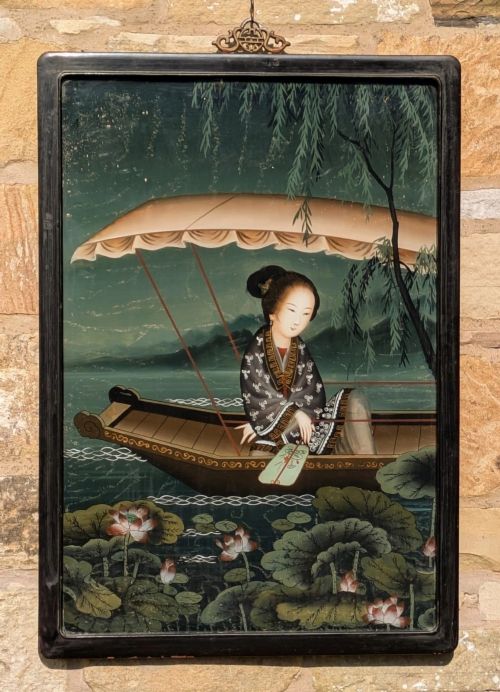
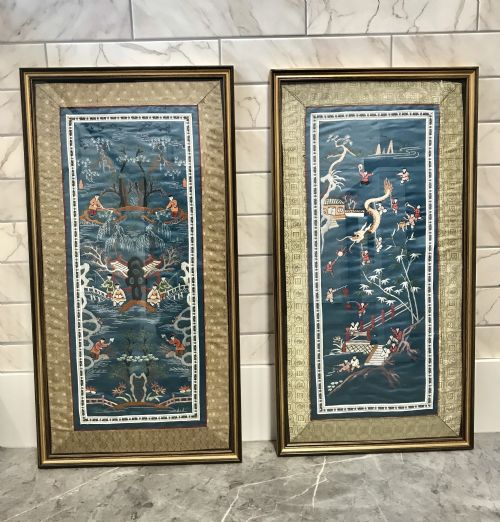
Oriental wall hanging art covers a diverse group of objects designed for vertical display, ranging from nomadic tribal bags to framed ancestral scrolls. Buyers searching this phrase will frequently encounter nineteenth-century Chinese silk embroideries, reverse glass paintings, and carved wooden panels alongside Central Asian textiles.
The selection spans numerous regions, including Persia, Tibet, Japan, and China, reflecting distinct cultural traditions through materials like hand-spun wool, silk, and teak. Formats vary from large framed textiles and pillar rugs to multi-panel lacquer screens and delicate scroll paintings.
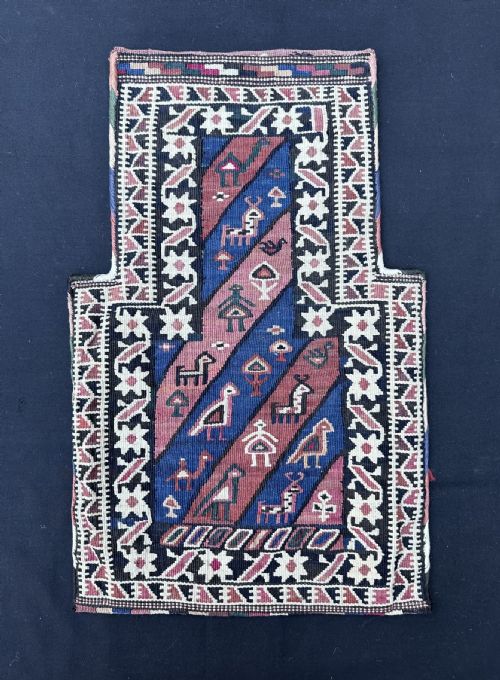
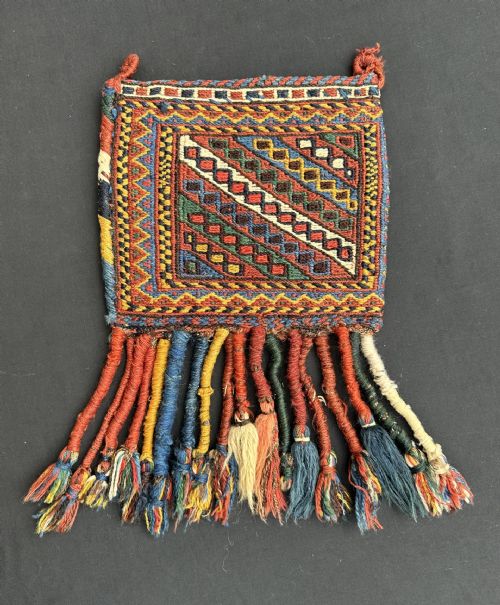
Tribal weaving traditions are well represented by Turkmen, Yomut, and Afshar pieces originally utilised for storage, now repurposed for display. These items bring rich patterning, traditional iconography, and varied textures directly to interior spaces.
Materials and construction methods
Textile works rely heavily on natural fibres such as silk, wool, and cotton, often combined through specialised techniques like hand sewing, embroidery, ikat dyeing, and felt applique work. Many fabric pieces incorporate detailed pictorial or geometric motifs rendered in vibrant threads.
Rigid wall art utilises carved hardwoods like teak and oak, complemented by traditional lacquer finishes and reverse glass painting techniques. These pieces frequently employ relief carving, gilding, and inset elements to create depth and texture.
Scroll paintings and religious works are executed on paper or silk grounds using mineral pigments and ink, occasionally framed behind protective glass or mounted within textiles for structural support.
Listed periods include the Victorian era alongside various decades of the nineteenth and twentieth centuries.
Factors determining quality
Quality in these works is dictated by the fineness of the execution, whether through the density of stitches in an embroidery or the crispness of detail in a hand-carved wooden panel. Superior examples display confident draughtsmanship and balanced composition.
The preservation of original materials and surface finishes significantly influences desirability, with intact dyes, minimal restoration, and well-maintained grounds commanding greater appreciation. Faded pigments or heavy structural repairs alter the integrity of the piece.
The Oriental Wall Hanging Art Glossary
- Suzani
- An embroidered textile from Uzbekistan, typically worked in silk on a cotton or linen ground with floral motifs.
- Soumak
- A flat-weave carpet technique using a wrapping stitch that creates a textured face and a clean reverse.
- Chinoiserie
- European artistic style reflecting Chinese motifs and techniques, popular in decorative arts and mirrors.
- Reverse painting on glass
- A technique where the image is painted directly onto the back of a glass panel to be viewed from the front.
- Torba
- A small Turkmen storage bag, frequently woven with guls and displayed as a decorative wall hanging.
Oriental Wall Hanging Art: Frequently Asked Questions
How do I hang heavy wooden panels?
Heavy carved wooden panels require secure wall anchors and appropriate brackets attached directly to structural studs to support the weight safely.
Consulting a professional framer or installer ensures the hanging hardware matches the specific weight and dimensions of the timber.
Can antique textiles be exposed to light?
Delicate silk and wool textiles suffer permanent fading when exposed to direct sunlight over extended periods of time.
Positioning these pieces away from windows and utilising UV-filtered glass helps preserve the original colour intensity.
How are tribal bags cleaned?
Nomadic bags and tribal weavings require gentle surface dusting or professional textile conservation rather than immersion washing.
Harsh detergents and aggressive scrubbing damage fragile natural fibres and historical dyes.
What is a scroll painting?
Scroll paintings are traditional Asian artworks executed on paper or silk, designed to be rolled for storage or unrolled for vertical display.
Proper humidity control prevents the mounting fabric and paper ground from warping or cracking over time.