
Arts and Crafts Vessel
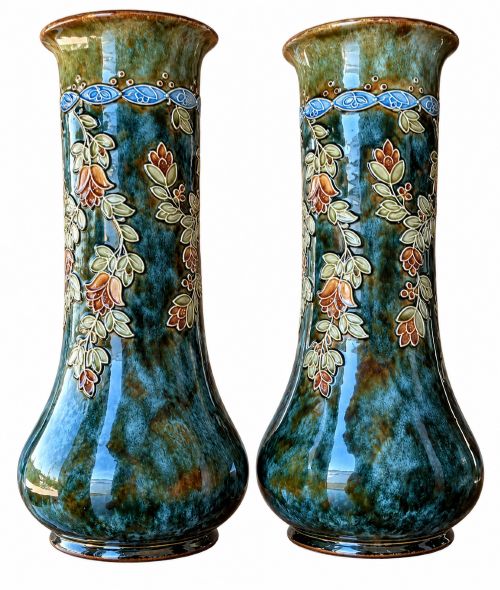
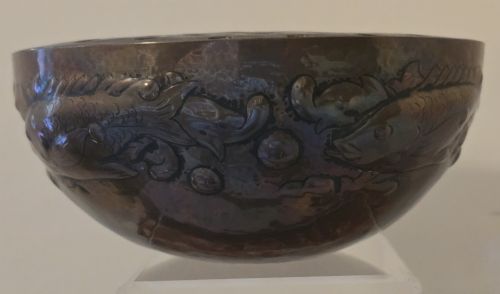
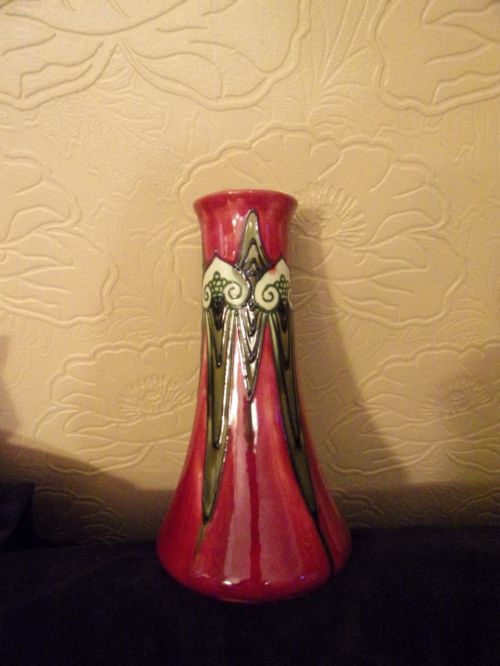
These arts and crafts vessel examples bring hand-hammered metalwork and studio pottery straight into the modern home.
Arts and Crafts Vessel
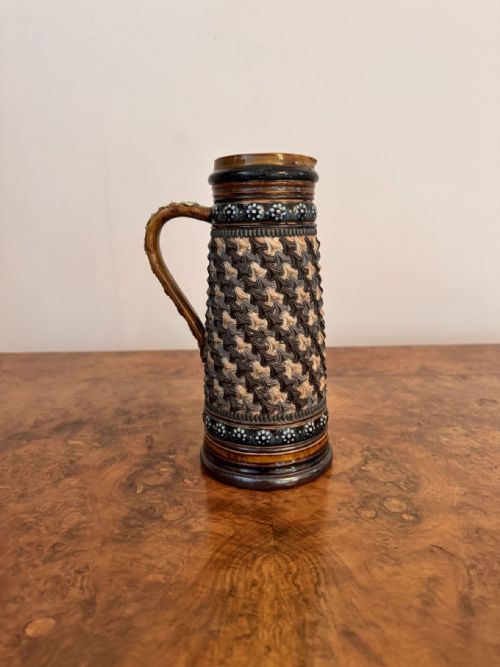
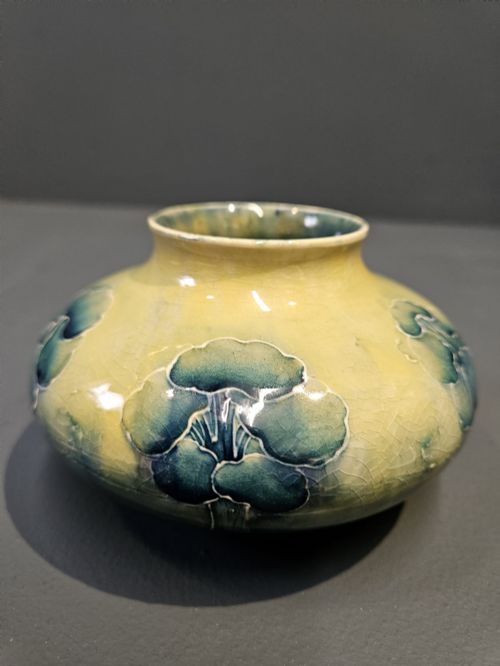
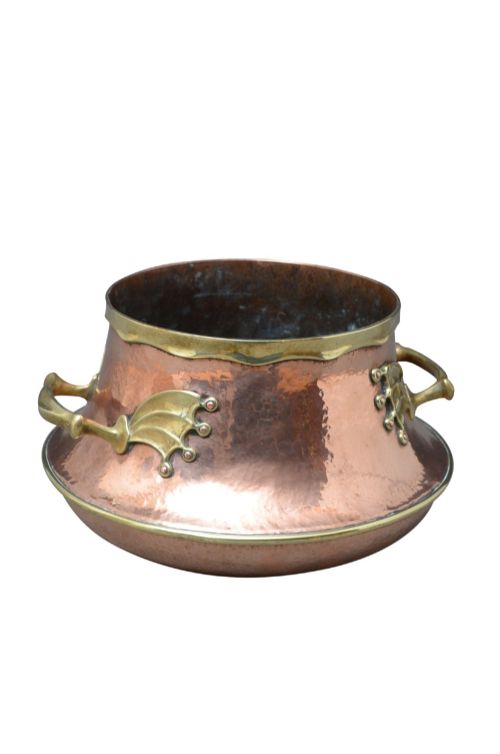
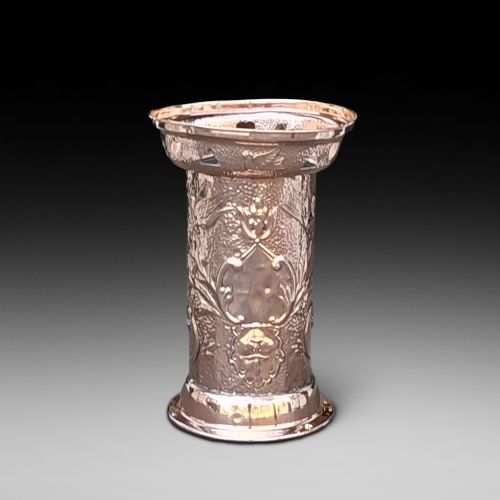
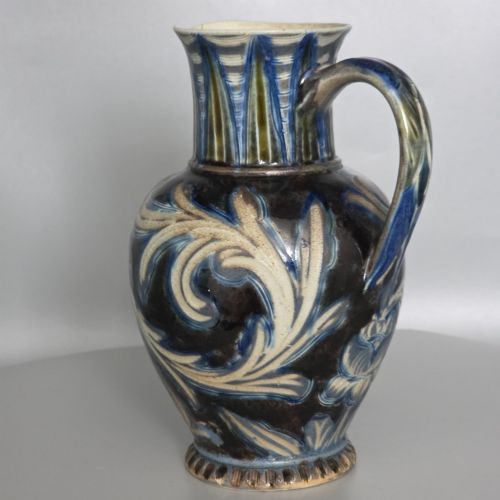
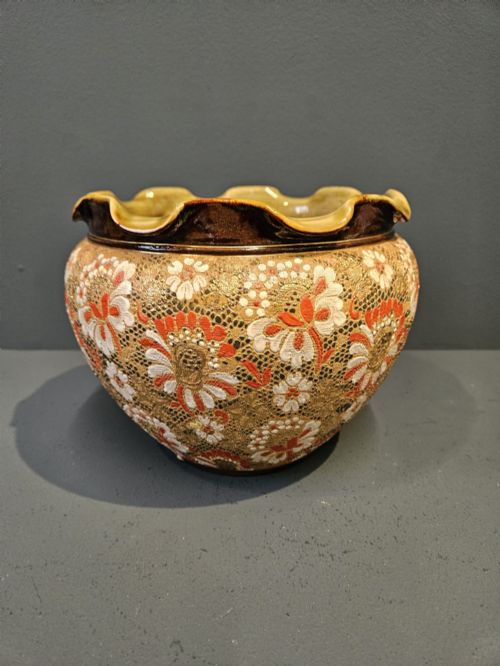
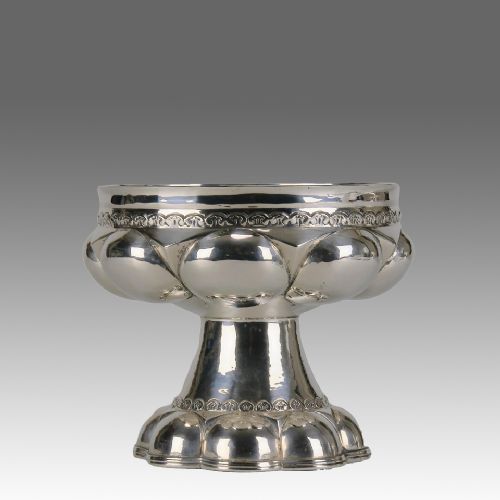
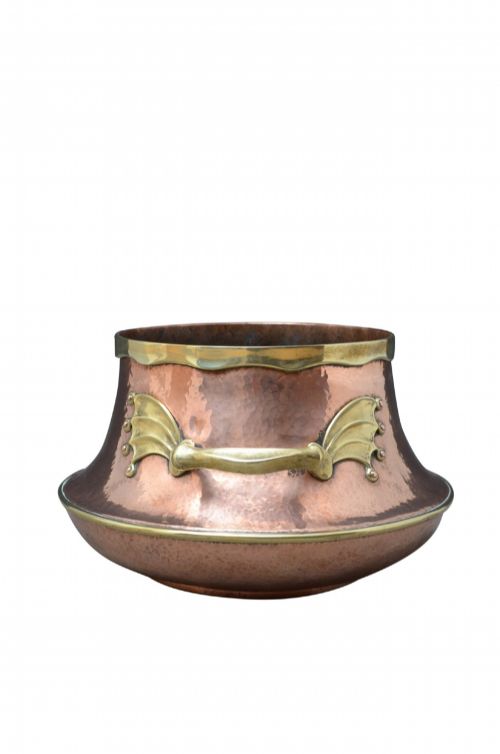
An arts and crafts vessel encompasses utilitarian and decorative forms ranging from copper jardinieres and brass umbrella stands to stoneware vases and pewter bowls. The selection on this page leans heavily toward turn-of-the-century metalwork in hammered copper and brass, alongside substantial Victorian and Edwardian art pottery jugs and urns.
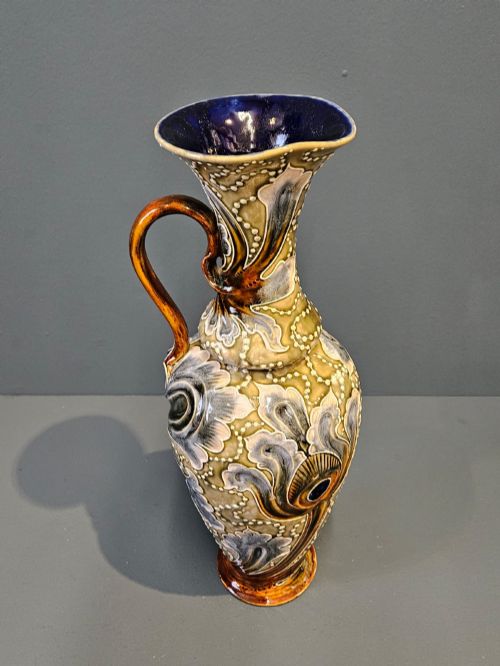
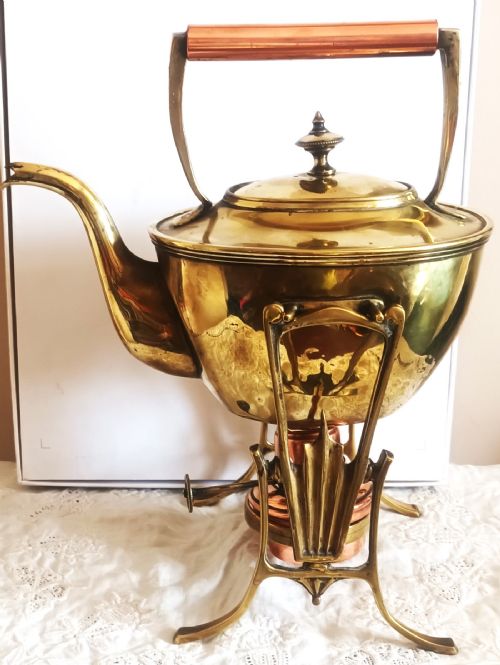
Makers working within the movement produced vessels intended for daily domestic utility, elevating items like coal buckets, spirit kettles, and rose bowls into decorative arts. Buyers will encounter both austere metal vessels bearing the hammer marks of their maker and richly glazed ceramic wares decorated with foliate tube-lining or incised slip.
Materials and methods
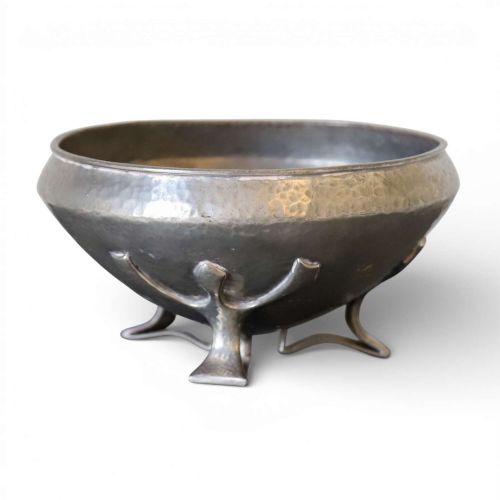
The metalwork relies on sheet copper, brass, and pewter, often shaped by hand-hammering over wooden stakes to leave visible texturised facets across the surface. Pewter items such as Tudric wares were cast using detailed moulds, frequently incorporating enamel cabochons or stylised Celtic motifs designed by leading artists.
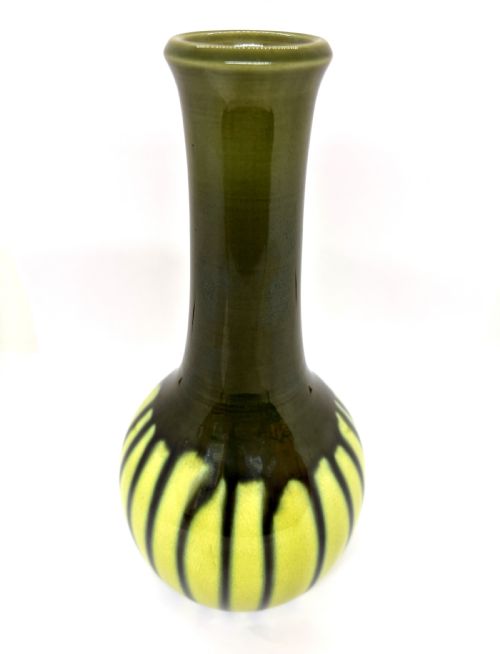
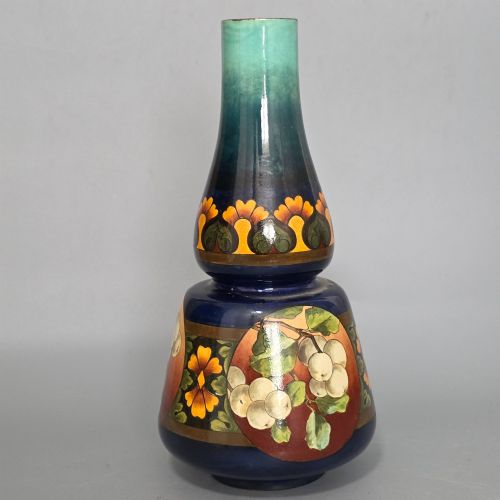
Ceramic vessels utilise stoneware, earthenware, and faience bodies finished with slip, salt glaze, or tube-lined glazes. Decorators applied surface patterns by hand using incising tools or specialised slip trailers before firing the pottery in kilns.
Some copper coal buckets retain genuine coal dust settled firmly in the hammer marks from nineteen hundred.
Evaluating the craftsmanship
Quality in these vessels rests upon the clarity of hand execution and the integrity of the design form. Superior metalwork displays confident, purposeful hammer marks and robust gauge metal that maintains its structural rigidity without excessive thinning.
Ceramic quality is defined by the precision of the glaze application and the depth of the incised or tube-lined decoration. Pieces designed by notable Liberty collaborators or executed by senior studio potters demonstrate greater artistic ambition and disciplined control over the medium.
Royal Doulton·Newlyn Copper·Moorcroft·Liberty and Co·Nathan and Hayes·William Soutter and Sons·Joseph Sankey·Keswick·Wileman·Sir Edmund Elton
The Arts and Crafts Vessel Glossary
- Tudric
- A trade name used by Liberty & Co for a range of pewterware introduced in the early twentieth century. These pieces frequently employed designs by artists like Archibald Knox and Oliver Baker.
- Tubelining
- A ceramic decoration technique where liquid clay or slip is squeezed through a nozzle onto the body to form raised outlines before glazing. This creates a tactile, compartmentalised design.
- Jardiniere
- A large decorative pot or container designed to hold a plant or floral arrangement. They appear frequently in heavy copper, brass, or glazed stoneware across this period.
- Intarsio
- A type of earthenware pottery introduced by Wileman and Company, known for rich multi-coloured printed and painted patterns resembling inlaid wood or tiles.
- Tyg
- A large drinking vessel featuring multiple handles, typically originating in medieval times but revived by Victorian art potteries like Doulton Lambeth as a decorative display piece.
Arts and Crafts Vessel: Frequently Asked Questions
How do I clean antique copper vessels?
Antique copper vessels benefit from gentle dusting and occasional cleaning with a mild, non-abrasive metal cleaner if active tarnish obscures the surface detail. Avoid aggressive chemical polishes that strip away the mellow patination accumulated over a century.
Leaving the natural darkening intact preserves the historic character and tactile warmth characteristic of early metalwork.
Can I use these jardinieres for real plants?
Many copper and ceramic jardinieres were designed to house potted plants inside domestic rooms. Protecting the interior with a modern plastic liner prevents moisture damage and chemical corrosion from damp soil.
Checking for historic soldered repairs ensures the vessel remains watertight before introducing any moisture.
How do I date Doulton Lambeth stoneware?
Doulton Lambeth pieces usually carry impressed factory stamps and monograms of individual artists on the base. Cross-referencing these monograms with standard ceramic registers allows for precise dating of the vessel.
The shift from utilitarian salt-glazed utility wares to ornamental faience helps place pieces chronologically.