

Glazed Earthenware Pitcher
A glazed earthenware pitcher holds liquids while displaying centuries of ceramic artistry across diverse glazes and forms.
Glazed Earthenware Pitcher
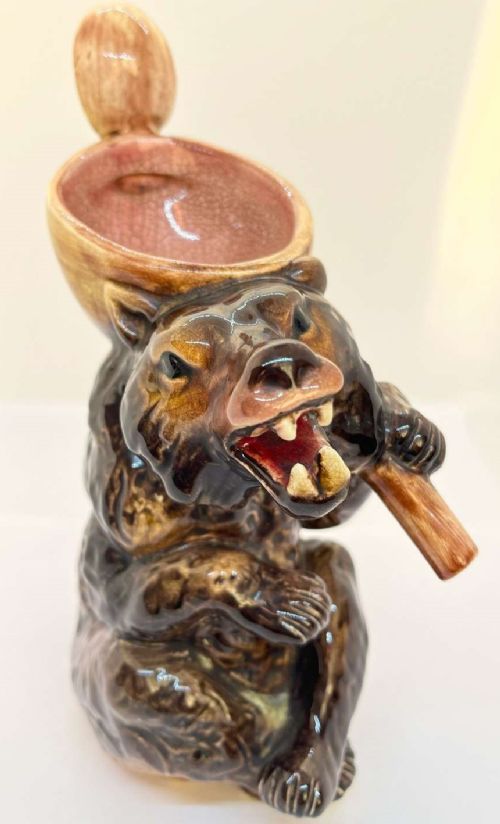
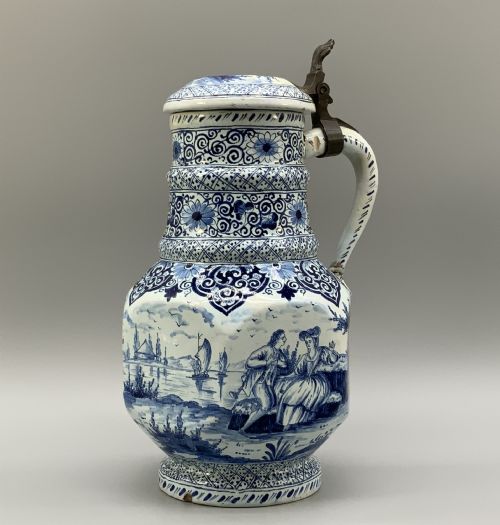
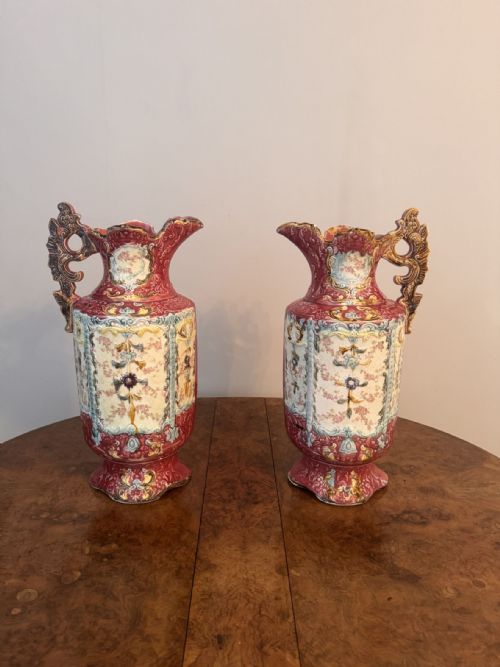
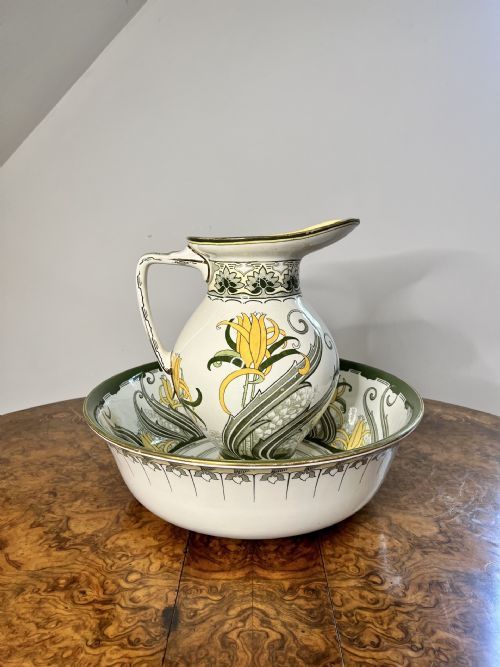
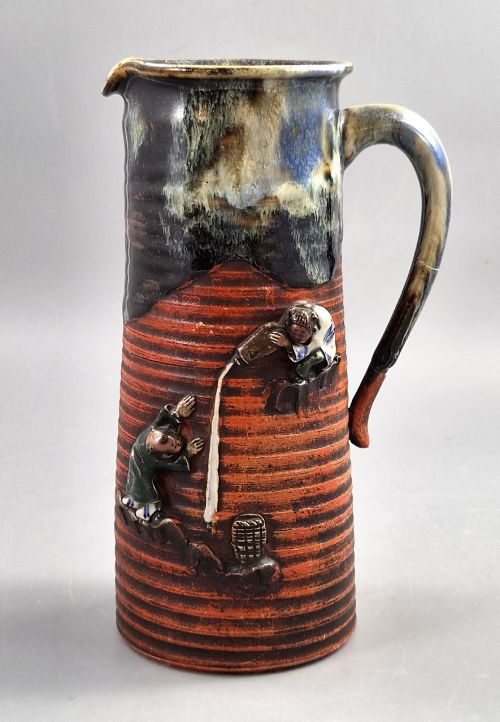
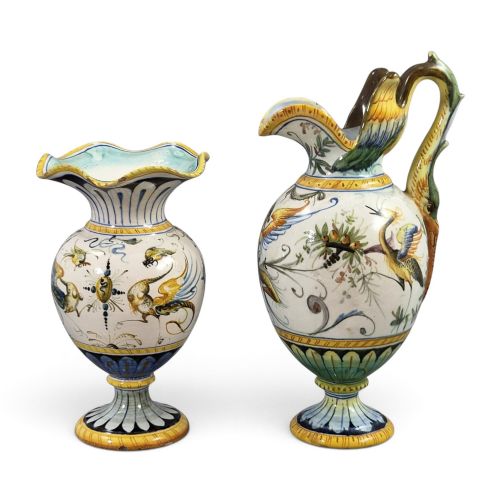
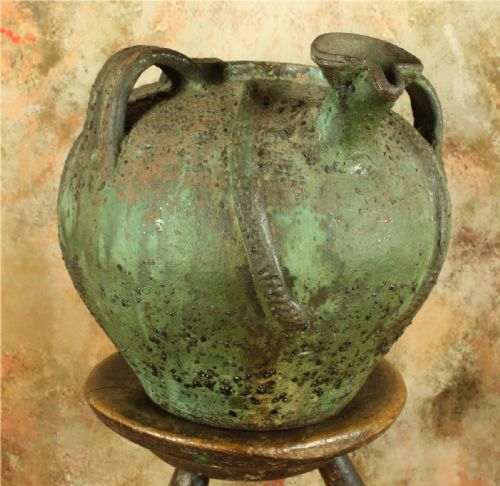
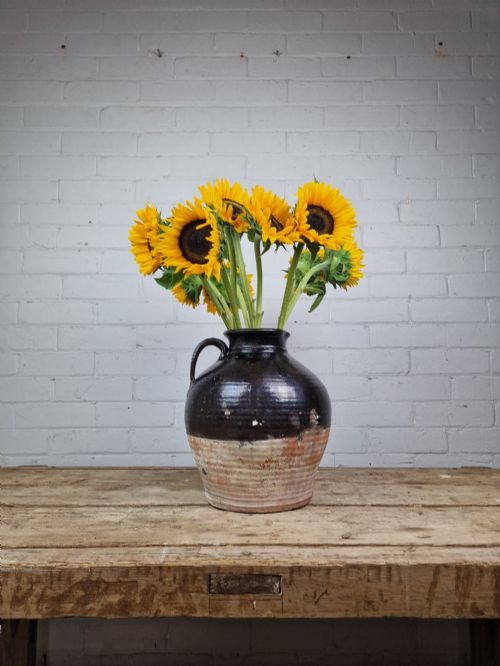
A glazed earthenware pitcher encompasses utilitarian vessels and decorative jugs created across the eighteenth, nineteenth, and early twentieth centuries. These objects range from sturdy rural olive pots and slipware vessels to refined Dutch Delftware and Victorian majolica ewers.
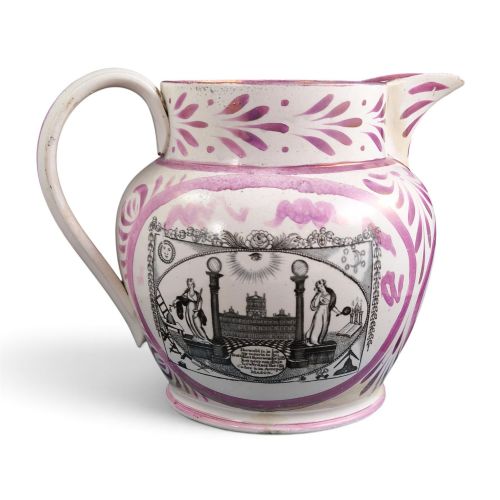
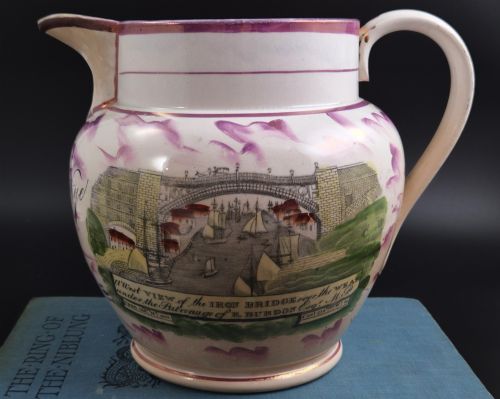
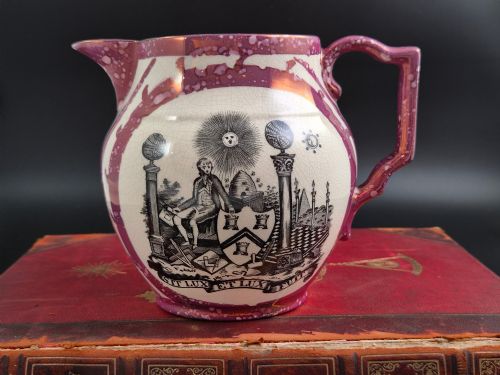
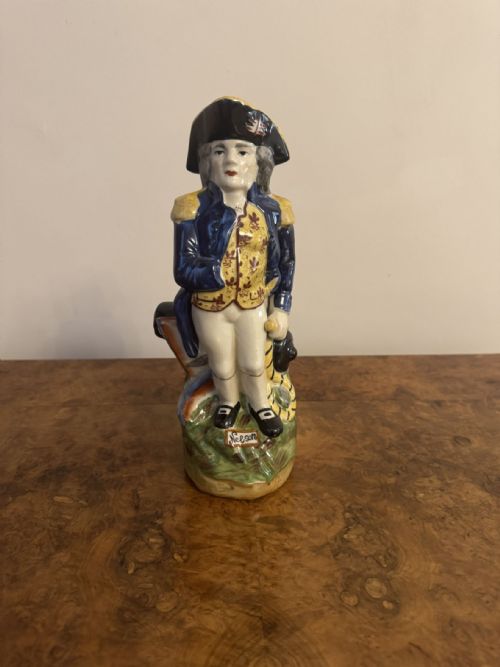
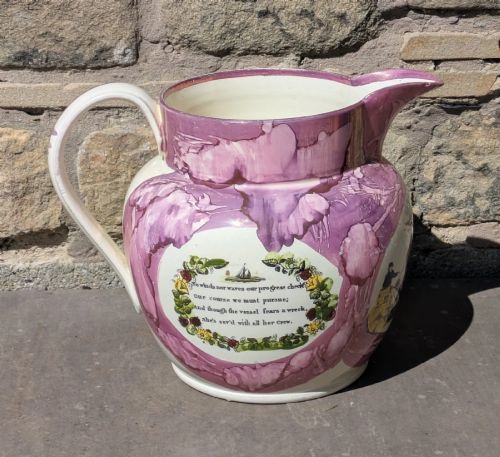
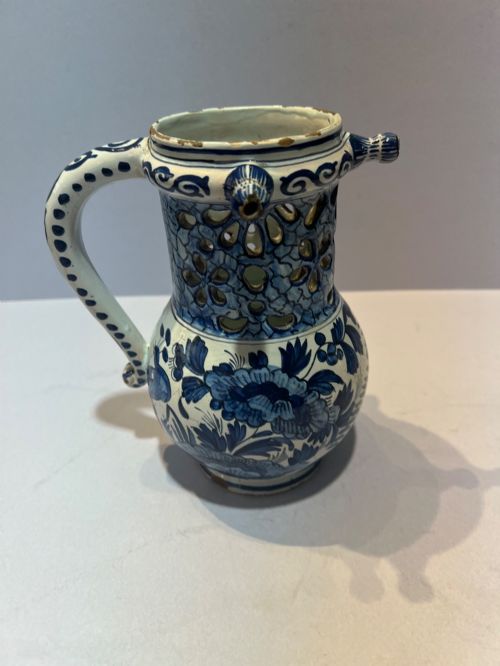
Buyers encounter numerous regional variations, including Sunderland pink lustre jugs featuring maritime themes, Staffordshire toby jugs, and French faience water pitchers. The selection spans straightforward tavern jugs alongside elaborate puzzle jugs and Renaissance Revival ceramics.
Dating primarily from the Georgian, Victorian, and Edwardian eras, these pieces reflect both domestic utility and ornamental ambitions. Formats extend from small cream jugs to large multi-handled storage vessels.
Materials and Construction
Potters formed these pitchers from porous clay bodies, subsequently applying various surface treatments to seal and decorate the vessels. Tin glaze, metallic lustre, and enamel finishes provided both waterproofing and colourful ornamentation.
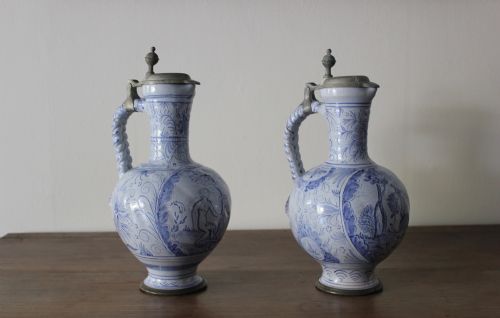
Firing techniques determined the final appearance of the earthenware, allowing for rich blue-and-white Delftware designs, deep black basalt bodies, and glossy majolica surfaces. Artisans frequently hand-painted or stamped specific motifs directly onto the wet or fired glaze.
Monkey toby jugs and clever puzzle jugs remind us that historical drinkers appreciated a substantial dose of whimsy with their ale.
Factors of Distinction
Distinctions in quality often rest upon the crispness of the hand-painted decoration and the complexity of the moulded form, such as figural toby jugs or mask spouts. Well-executed pieces display deliberate brushwork and secure application of lustre or enamel.
The sophistication of the glaze chemistry and the stability of the fired earthenware body separate standard utility wares from ambitious studio and factory productions. Maker attribution and historical named subjects further elevate specific examples.
Holdcroft·Cantagalli·Doulton Lambeth·Sir Edmund Elton·Pieter Verburg
The Glazed Earthenware Pitcher Glossary
- Earthenware
- Porous pottery fired at relatively low temperatures, requiring a vitreous glaze to hold liquids securely. It forms the base material for the majority of traditional pitchers and jugs.
- Majolica
- A colourful, tin-glazed earthenware developed with bright opaque metallic oxide glazes. Victorian iterations frequently utilised this technique for bold figural and botanical designs.
- Lustreware
- Pottery decorated with a metallic film that produces an iridescent sheen upon firing. Sunderland pieces often utilised pink splash lustre for dramatic visual effects.
- Slipware
- Pottery decorated with liquid clay applied before firing to create contrasting surface patterns. Early examples display simple trailed lines or abstract markings.
- Delftware
- Tin-glazed earthenware originating in the Netherlands, traditionally painted in blue and white with floral or pictorial scenes. It mimics imported Chinese porcelain styles.
Glazed Earthenware Pitcher: Frequently Asked Questions
How were glazed earthenware pitchers used historically?
These vessels served practical domestic roles such as pouring ale, water, milk, and oil during daily meals. Many functioned within taverns or households for serving beverages directly at the table.
Larger variants were designed for storage or washing rituals, while ornamental examples displayed intricate sculptural forms intended for display in parlours.
How do I date an antique pitcher?
Dating relies on stylistic clues, including the specific glaze type, decorative motifs like transfer printing or hand-painted tin glaze, and the shape of the handle or spout. Victorian and Georgian pieces often carry distinct colour palettes and manufacturing marks.
Changes in ceramic bodies and prevailing artistic movements, such as Art Nouveau or Renaissance Revival, also provide reliable chronological markers.
What is the difference between delftware and majolica?
Delftware typically refers to tin-glazed earthenware featuring blue-and-white or polychrome painted scenes influenced by East Asian porcelain imports. It is strongly associated with Dutch production traditions.
Majolica employs opaque lead glazes loaded with metallic oxides to achieve vibrant, highly saturated colours across relief-moulded Victorian forms.