



French Barware
French barware brings enduring style to the home bar through silver plate, cut crystal, and distinctive metalwork spanning the nineteenth and twentieth centuries.
French Barware
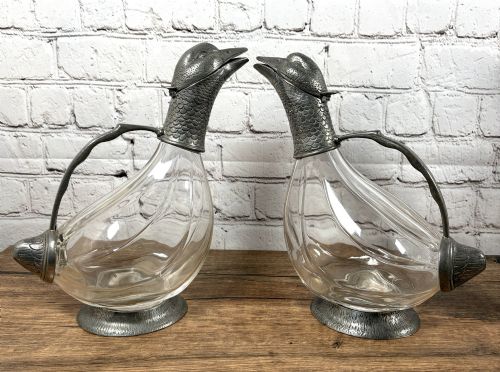
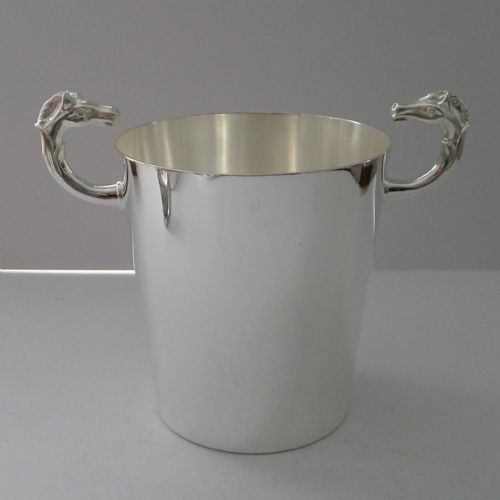
French barware encompasses functional serving pieces designed for wine, champagne, spirits, and cocktails, ranging from nineteenth-century wine tasters and liqueur boxes to twentieth-century cocktail shakers and ice buckets. When exploring French barware, a buyer encounters everything from nineteenth-century Baccarat crystal and silver-plated Christofle vessels to Art Deco cocktail sets and Mid-Century equestrian pieces by Hermès.
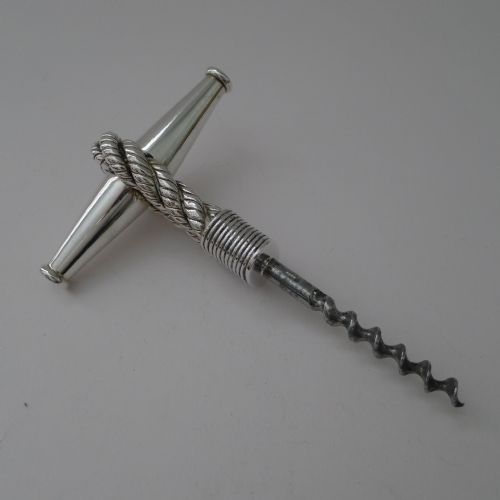
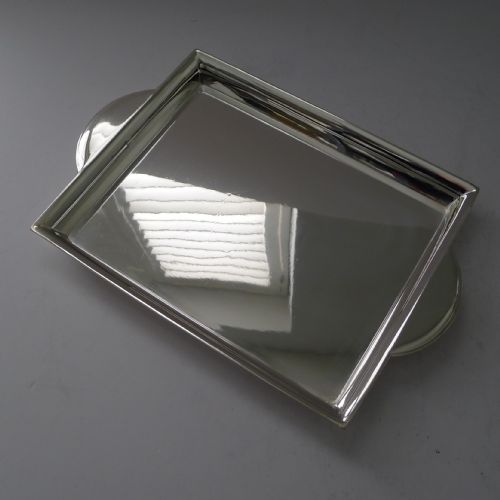
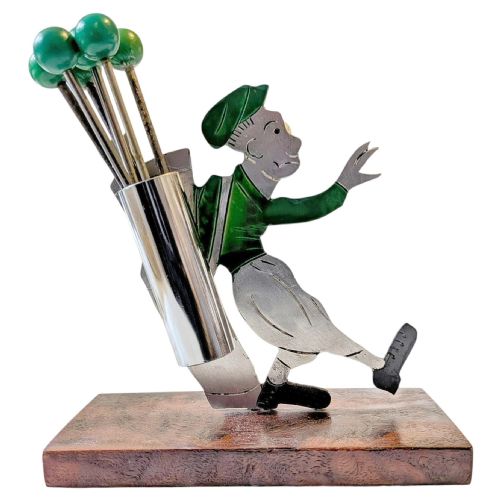
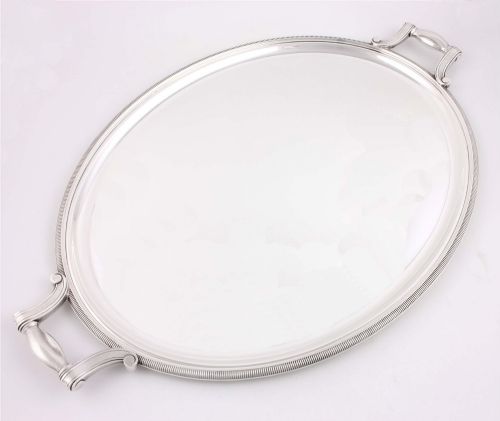
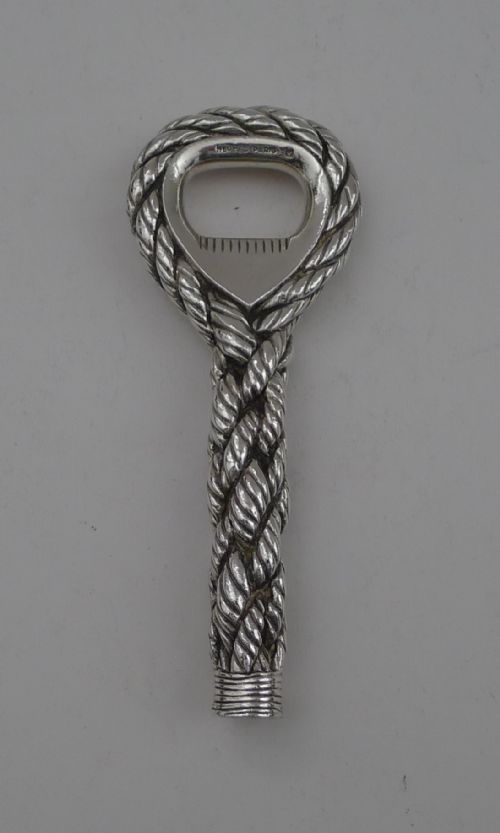
The objects take many forms, including champagne coolers, wine coolers, ice buckets, cocktail shakers, decanters, serving trays, bottle openers, corkscrews, and novelty cocktail stick sets. Pieces often reflect specific design movements, notably Belle Epoque, Art Nouveau, Art Deco, and Mid-Century Modern, alongside regional styles such as French Bistro, French Classic, and French Country.
Materials and construction
Makers utilised silver plate, solid silver, chrome, brass, copper, and vermeil to form the bodies and mounts of these serving pieces, often combining metals with glass, cut crystal, crackle glass, wood, and enamel. Silver plating was extensively applied over base metals by prominent firms, while glassware and crystal vessels were frequently hand-blown, hand-cut, or moulded by renowned glasshouses.
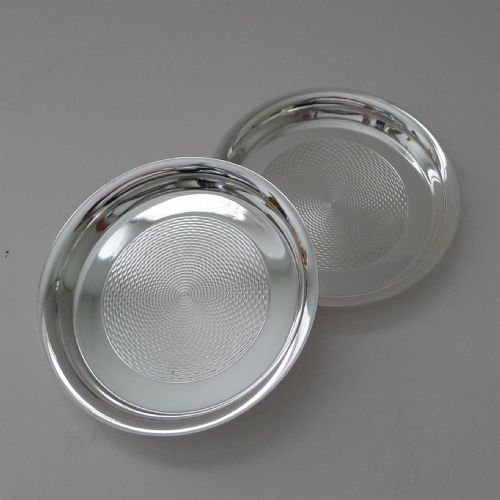
Decorative techniques recorded across the items include engine-turning, heavy embossing, gilt bronze mounts, and specialised casting for figural novelty pieces and equestrian motifs. Construction often involved precise fitting of metal hardware to crystal bodies, secure silver-gilt applications, and integrated wooden framing for liqueur cellarets.
French Barware Retail Price Guide 2026
Typical asking prices for french barware among the pieces listed under this phrase on Sellingantiques today, from the lower quarter to the upper quarter. They describe what is for sale here now, not the wider market.
Materials recur across multiple forms, combining silver plate, cut crystal, chrome, copper, and wood in serving trays, shakers, and ice buckets.
Distinguishing quality
Quality rests upon the weight and purity of the materials, the clarity of cut crystal, and the integrity of the silver plating or metal surfaces. Superior pieces display substantial metal gauge, crisp stamping or engraving, and seamless integration between glass bodies and metal mounts.
Attribution to documented makers and specific design houses elevates an item, as seen in signed works by Christofle, Hermes, Rene Lalique, and Ercuis. The complexity of execution, particularly in detailed novelty cocktail sticks, hand-blown crackle glass, and intricate equestrian castings, separates standard utilitarian objects from exceptional collector pieces.
Hermes Paris·Christofle Paris·Sudre·Rene Lalique·Ercuis Paris·Luc Lanel·Maison Barra
The French Barware Glossary
- Silver Plate
- A thin layer of silver bonded to a base metal core such as copper or nickel brass. This technique allowed manufacturers to produce robust and opulent tableware at a lower cost than solid silver.
- Vermeil
- Sterling silver that has been plated with a thin layer of gold on the exterior surface. This finish provides a warm golden sheen alongside the durability of a precious metal base.
- Tantalus
- A locking beverage stand that holds decanters securely within a metal frame while displaying the contents. The design prevents unauthorized access to the bottles by trapping the stoppers beneath a locked bar.
- Cut Crystal
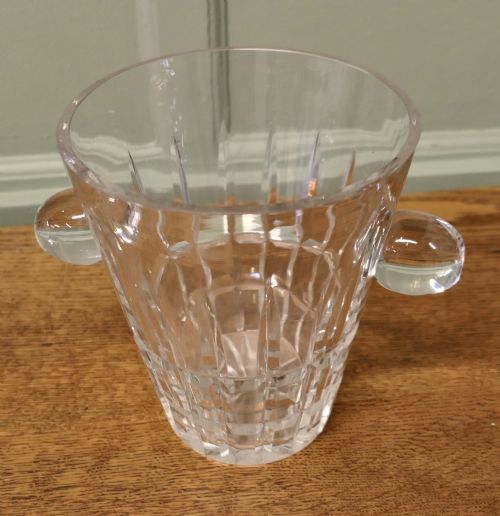
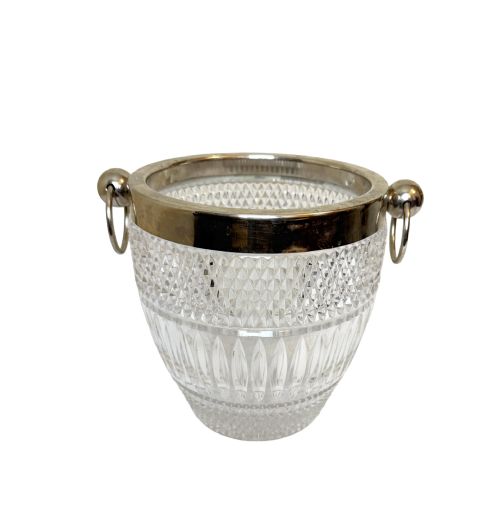
- Glass containing lead oxide that is hand-cut with geometric or floral facets to enhance brilliance and light refraction. The heavy lead content allows for deep, sharp incisions across decanters, ice buckets, and stemware.
French Barware: Frequently Asked Questions
What is a French champagne bucket?
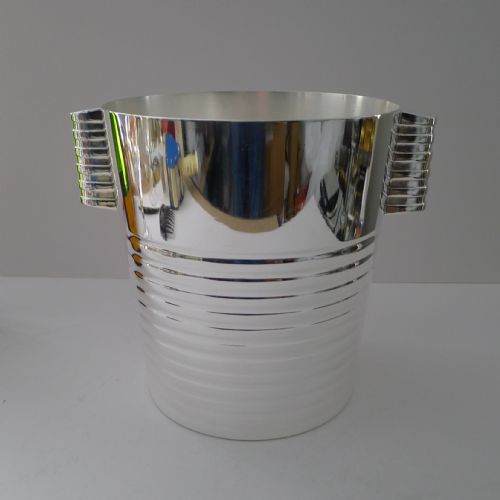
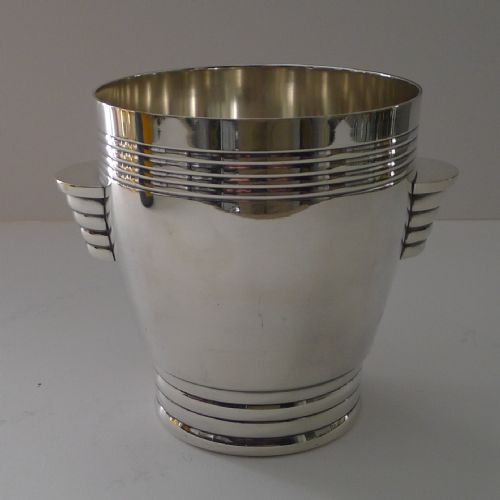
A French champagne bucket is a deep vessel designed to hold ice and water for chilling wine bottles at the table. These pieces are typically formed from heavy silver plate, brass, copper, or cut crystal, often featuring side handles or maker stamps from prominent Parisian houses.
Historically utilised in dining rooms and at social gatherings, these coolers keep sparkling wine at the correct temperature throughout a meal. Today they serve both as functional bar accessories and decorative decorative objects.
What is a cave a liqueur?
A cave a liqueur is a nineteenth-century portable cellar box containing fitted glass decanters and matching liqueur glasses. They were designed to sit on sideboards or tables for serving after-dinner drinks to guests.
Enclosed in wooden cases, sometimes featuring brass inlays or leather linings, these sets kept precious spirits locked away when not in use. They represent a high point of nineteenth-century entertaining traditions.
Are silver-plated bar items durable?
Silver-plated bar items are exceptionally durable when manufactured with a thick layer of silver over a stable base metal. They are built to withstand the rigours of mixing drinks, holding ice, and regular handling during social events.
Over decades of use, high-quality plating develops a soft patina that enhances the appearance of the piece. Proper care involves gentle cleaning with non-abrasive silver polishes to preserve the metallic finish.