
Glazed Pottery Vessel
When you search for a glazed pottery vessel, you step into centuries of earth shaped, fired and sealed by hand.
Glazed Pottery Vessel
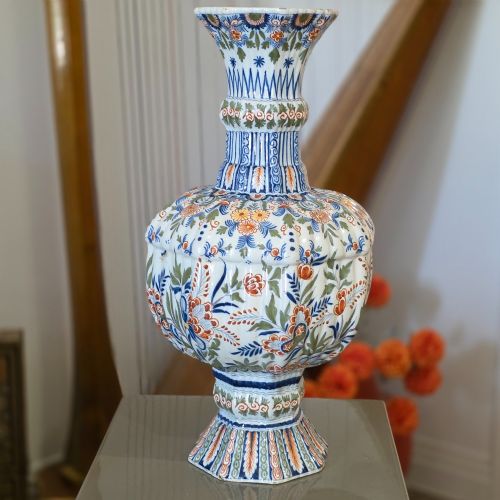
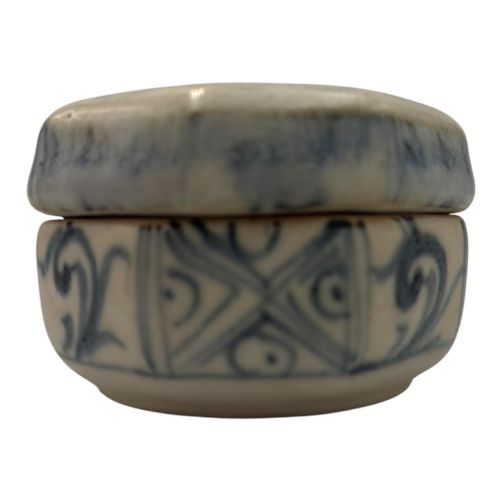
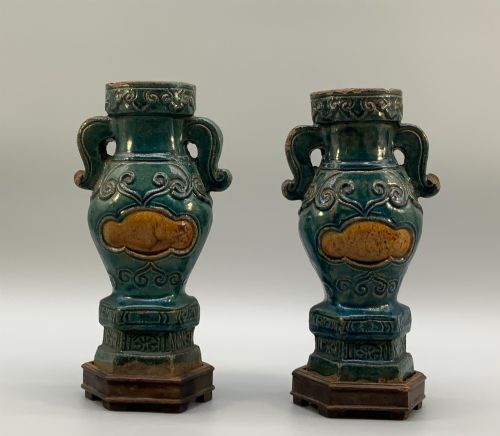
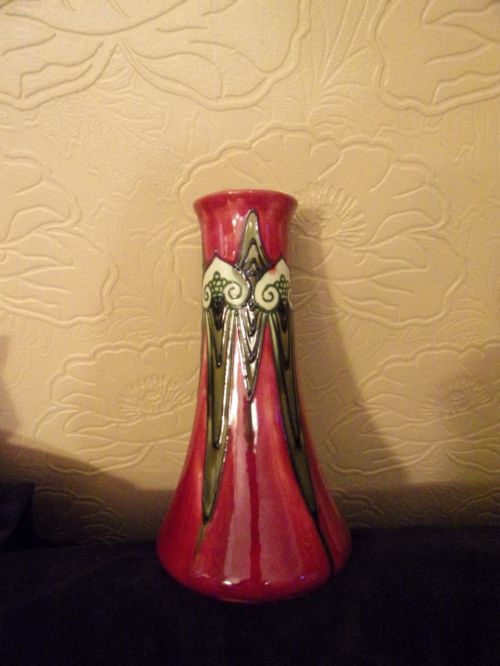
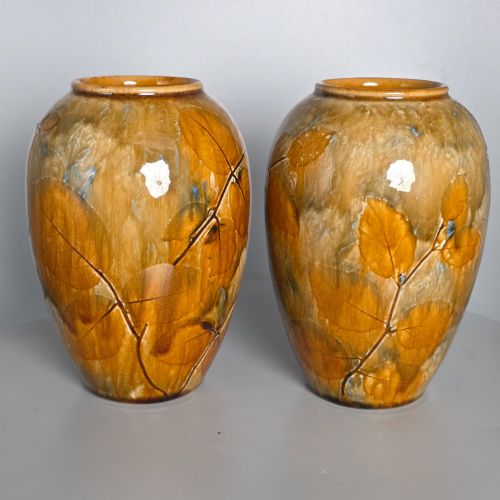
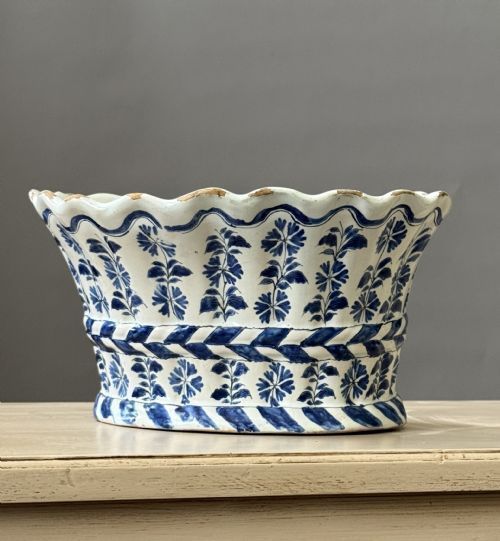
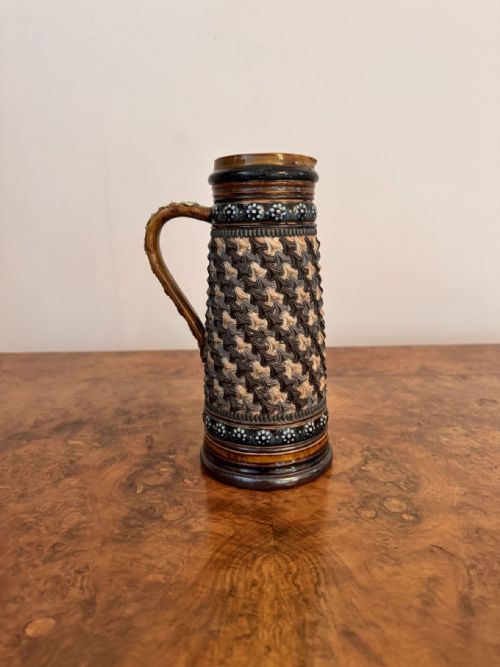
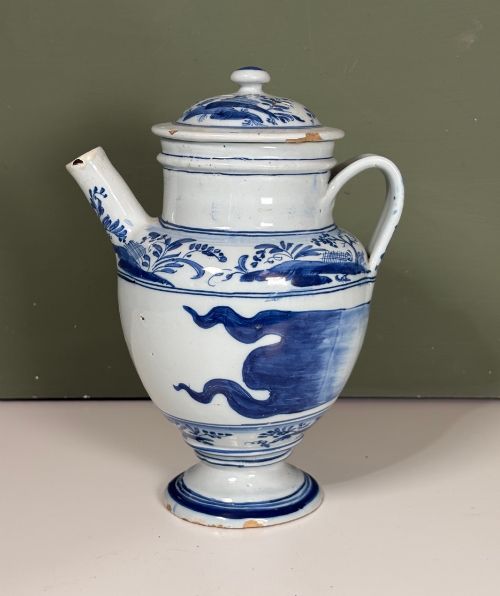
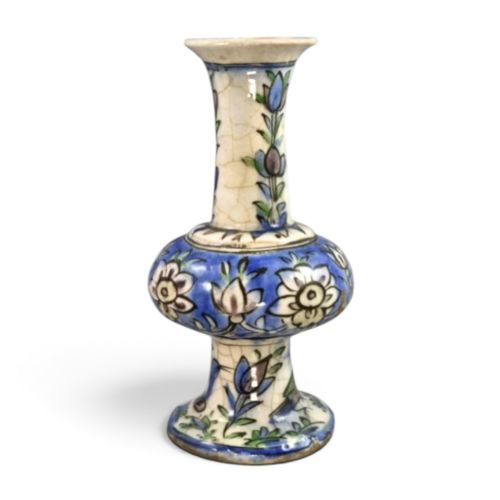
A glazed pottery vessel unites utility and ornament across centuries of domestic and ritual life, taking forms from apothecary jars and waterpots to monumental garden jars. When you search for a glazed pottery vessel on this page, you encounter pieces spanning the seventeenth century through to the art pottery movements of the early twentieth century.
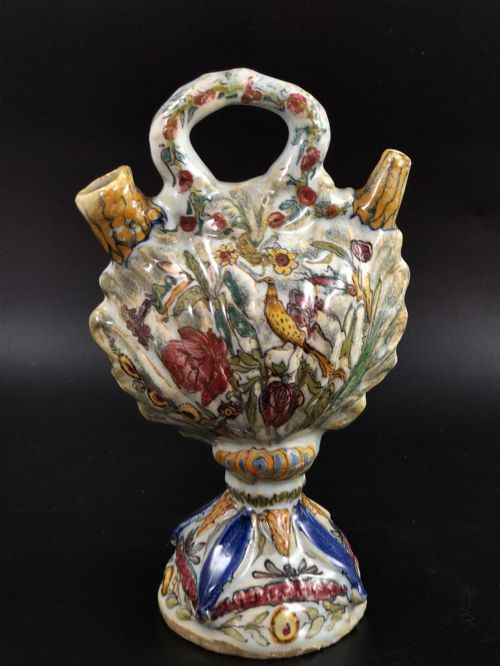
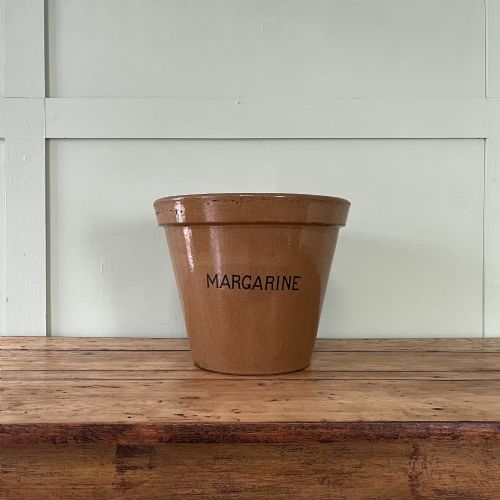
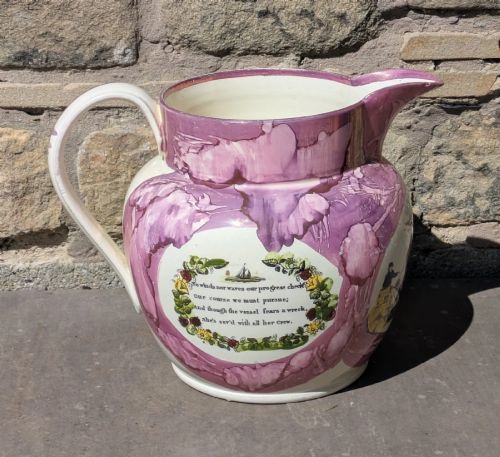
The selection ranges widely in geographic origin, featuring English salt-glazed stoneware, Dutch and Italian tin-glazed earthenware, Persian Qajar ceramics, and Japanese Meiji period wares. Jugs, vases, bough pots and pilgrim flasks dominate the offerings, each bearing the distinct finish of its kiln and period.
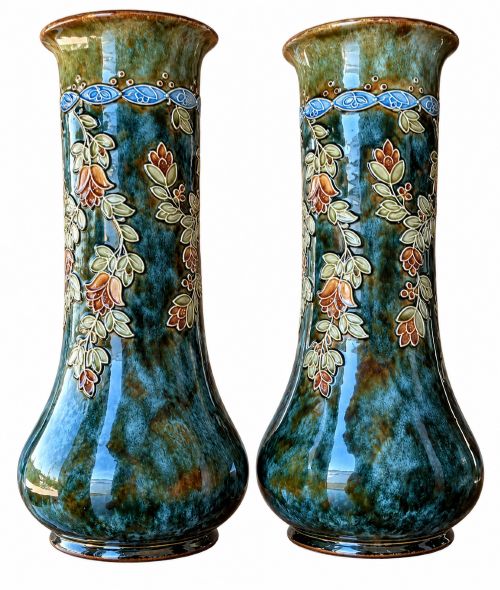
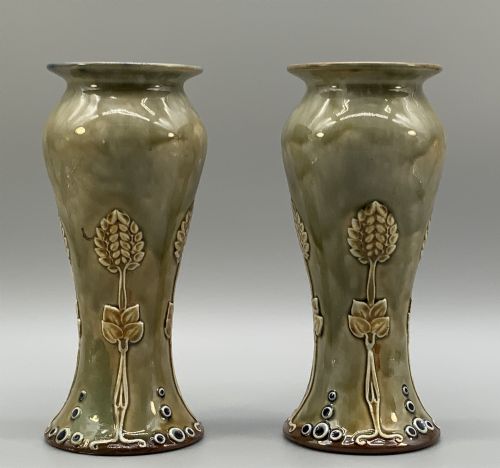
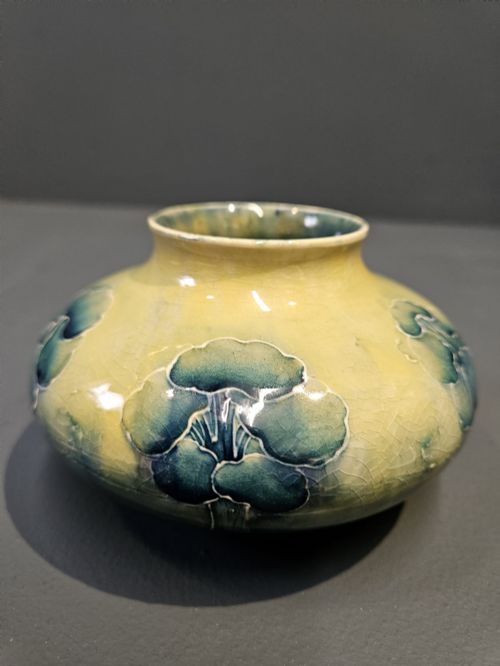
Makers and regional potteries from Doulton Lambeth to Moorcroft and Burmantofts sit alongside unmarked traditional earthenwares. Domestic pitchers share space with scholar's vessels and commemorative loving cups, offering a cross-section of global ceramic history.
How they were made
Potters shaped native clays - ranging from heavy terracotta and stoneware to finer earthenware - on the wheel or moulded them by hand. Surfaces received liquid slips, tin glazes, or salt applications before entering wood or coal-fired kilns.
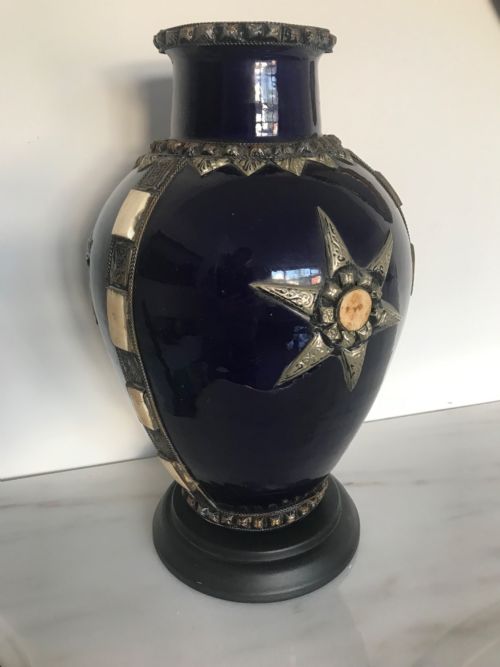
Decoration relied on pigment painting, incising, tube-lining, or applied metal mounts and cabochons. The interaction between heat, glaze chemistry, and mineral oxides produced the varied surface textures and pooled colours visible on these pieces today.
Materials range from raw terracotta and heavy stoneware to refined tin-glazed ceramics.
What varies in quality
Quality reveals itself in the balance of the thrown form, the control of the kiln temperature, and the depth of the glaze. Master potters achieved an intentionality in brushwork and relief work that lesser production pieces simply missed.
Art pottery and factory pieces show distinction in crispness of design, such as clean tube-lining or precise application of silver collars and mounts. Age and survival play their part, but artistic execution remains the primary measure of excellence.
Royal Doulton·Doulton Lambeth·Moorcroft·Boch Freres
The Glazed Pottery Vessel Glossary
- Earthenware
- Porous pottery fired at lower temperatures, typically covered in a glaze to hold liquids. It forms the foundation of much historic domestic ware.
- Tin-Glaze
- An opaque white glaze containing tin oxide, used as a smooth surface for painted decoration on wares like delftware and majolica. It creates a bright ground for cobalt blue and polychrome pigments.
- Stoneware
- Dense, vitreous pottery fired at high temperatures until the clay body vitrifies and becomes naturally impermeable to water. It resists chipping and holds salt-glazes exceptionally well.
- Slipware
- Pottery decorated with slip, a liquid clay mixture trailed or brushed onto the unfired body. It produces tactile linear patterns under a clear or amber glaze.
- Bough Pot
- A decorative vessel designed to hold cut branches and foliage for interior display. These containers often feature pierced lids to keep stems upright.
Glazed Pottery Vessel: Frequently Asked Questions
How do I clean an antique glazed vessel?
Dust gently with a dry, soft cloth to protect the glaze and any historic surface wear.
Avoid submerging porous earthenwares in water, especially if they show hairline cracks or historic repairs.
Can I use these vessels for fresh flowers?
Many historic glazed vessels were made to hold water, but older earthenware can remain porous or develop leaks over time.
Place a small glass or plastic insert inside delicate or valuable vases to protect the ceramic body from moisture.
What is the difference between delft and majolica?
Delft generally refers to tin-glazed earthenware produced in England and the Netherlands, typically featuring blue and white painting.
Majolica describes tin-glazed pottery with origins in Italy and later revivals, known for vibrant polychrome palettes.
How do I identify the period of a glazed pot?
Examine the base, throwing marks, and glaze chemistry, alongside any impressed factory stamps or artist signatures.
Stylistic cues such as Art Nouveau tube-lining or Ming dynasty forms provide clear chronological markers.