





Arts and Crafts Jug
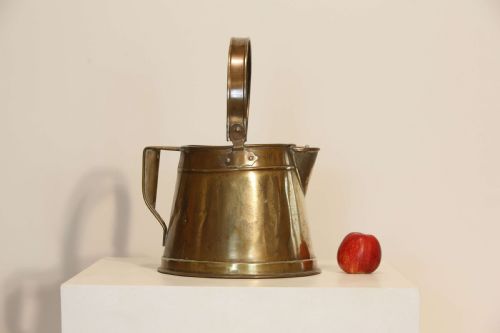
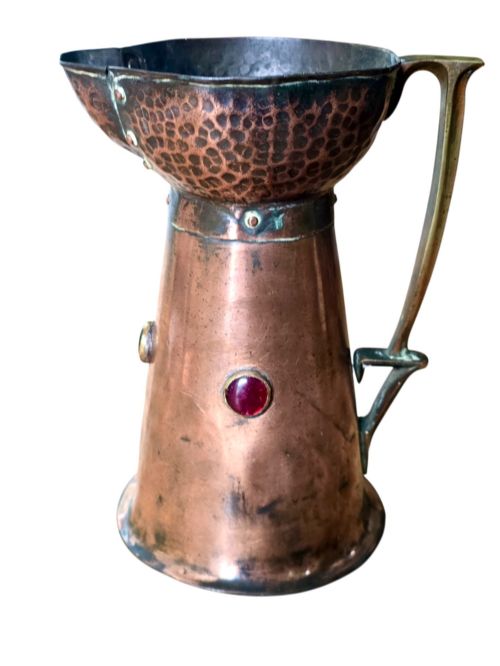
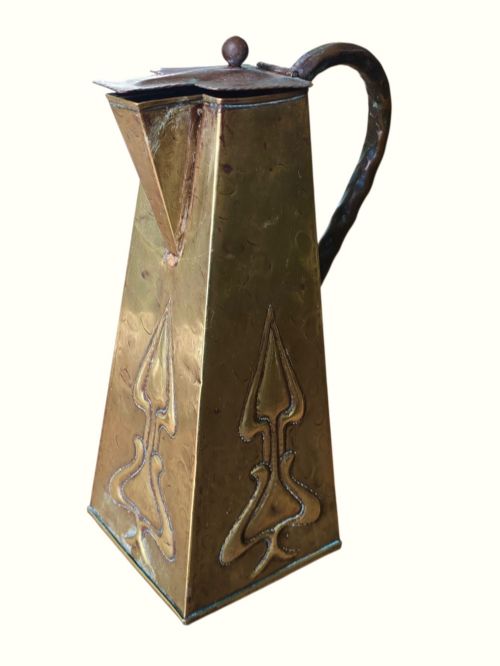
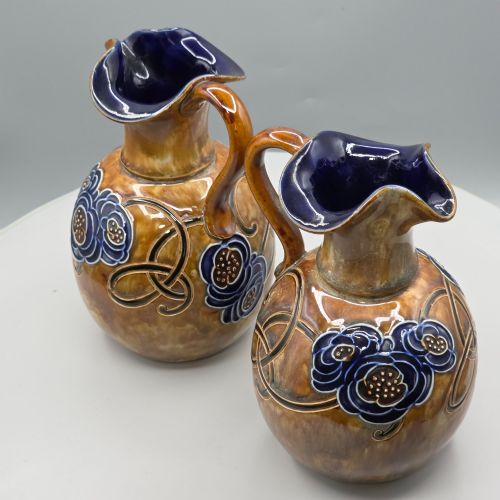
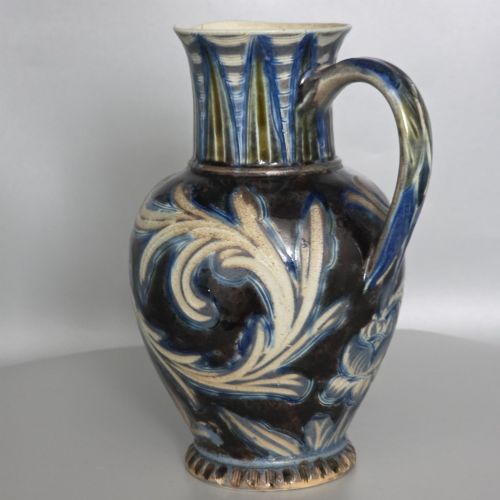
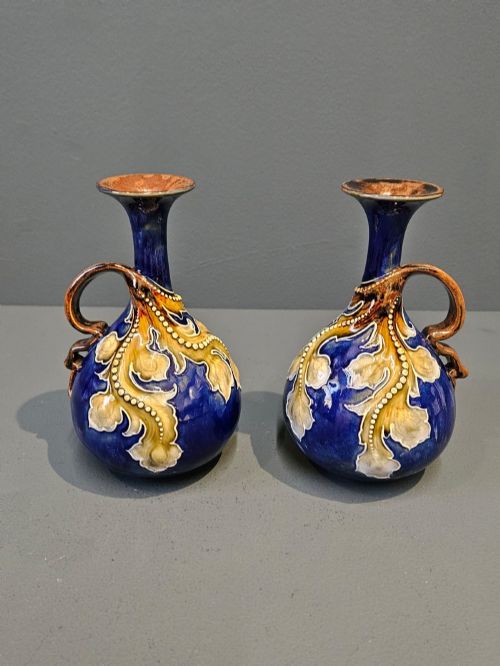
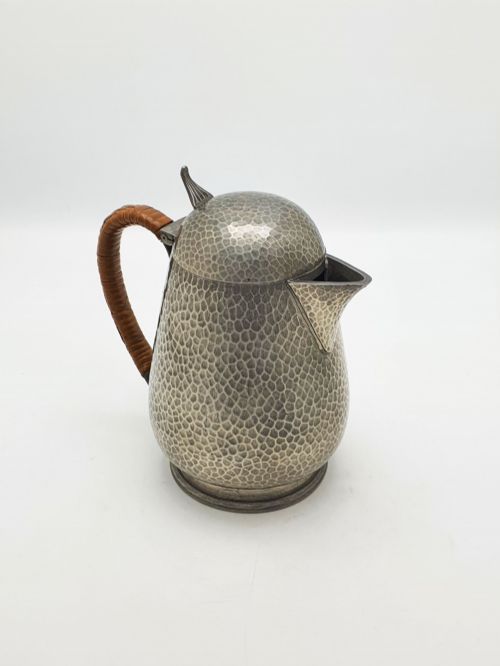
These arts and crafts jugs combine robust utility with hand-wrought design, offering tactile ceramic and metal forms that anchor any table.
Arts and Crafts Jug
An arts and crafts jug represents a period of hand-wrought design where makers rejected mass production in favour of individual craftsmanship. When searching this phrase, a buyer encounters everything from robust salt-glaze vessels to delicate silver cream jugs.
The pieces appearing most frequently on this page span the Victorian and Edwardian eras, encompassing both utilitarian kitchenware and ornamental display pieces. Stoneware and earthenware forms share space with hammered copper and pewter vessels.
Makers utilised diverse materials to create vessels ranging from modest cream jugs to large exhibition ewers and flagons. Collectors find distinct regional expressions, from London potteries to West Country studio kilns and West Midlands metalwork workshops.

Materials and methods
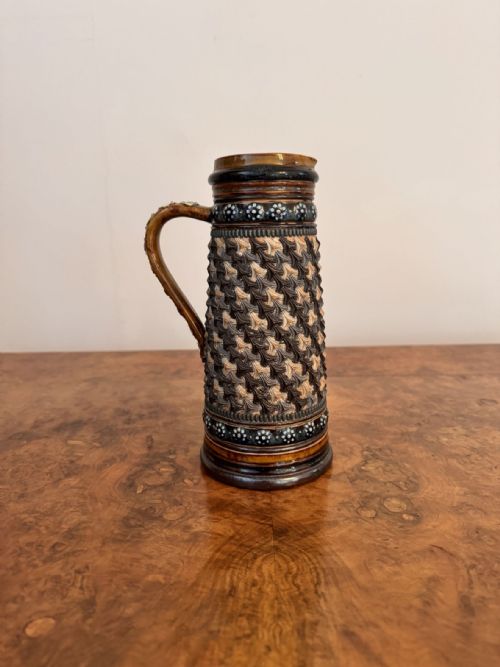
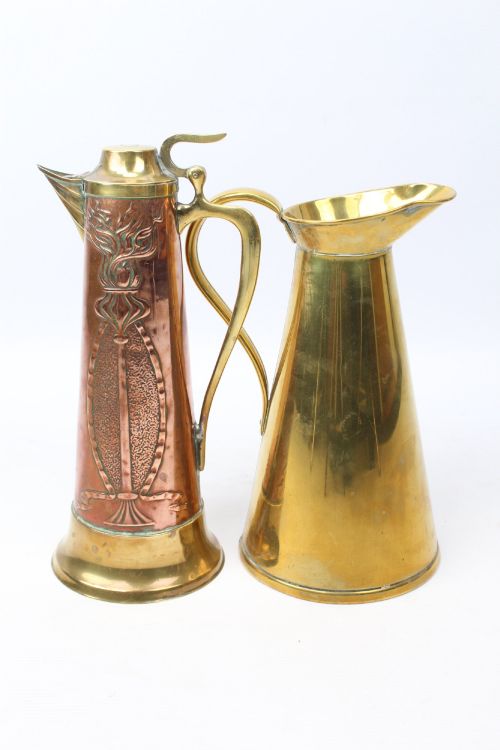
Potters shaped ceramic and stoneware bodies by hand, often finishing surfaces with salt glaze, incised decoration, or rich slip to give depth to the clay. Metalworkers hammered sheets of copper, brass, and Tudric pewter over wooden formers, attaching handles of cane or forged metal.
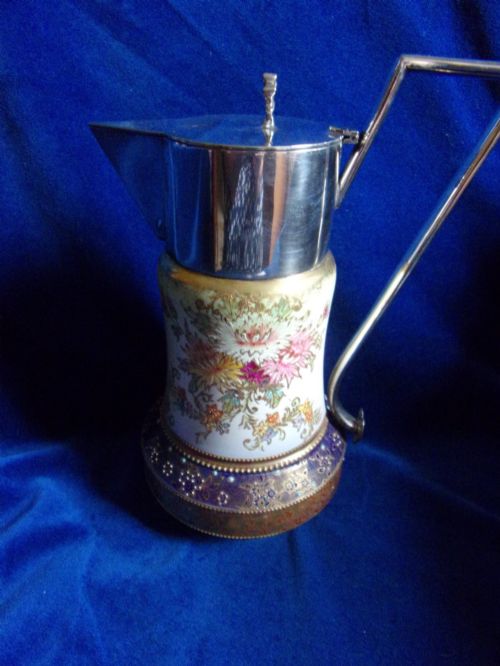
Workshops employed specialised techniques such as enamelling and metal plating to enrich plain surfaces, whilst artists painted direct onto the raw clay bodies. Every handle, rivet, and glaze application reflects the physical labour of the maker's workshop.
Arts and Crafts Jug Retail Price Guide 2026
Typical asking prices for arts and crafts jug among the pieces listed under this phrase on Sellingantiques today, from the lower quarter to the upper quarter. They describe what is for sale here now, not the wider market.
The listings on this page span the Victorian, Edwardian, and early twentieth-century periods, utilising copper, pewter, stoneware, and ceramic.
Assessing quality and execution
The finest pieces demonstrate a clear harmony between material and form, where the hand of the maker remains evident without appearing clumsy. Superior ceramic examples show crisp incised decoration and even salt glazing, whilst premier metalwork reveals confident hammer marks and secure riveting.
Design attribution elevates certain pieces, particularly when associated with known architects or major studio potters who pushed artistic boundaries. The weight of the metal, the balance of the handle, and the clarity of any maker stamp or signature separate standard production items from masterworks.
Doulton Lambeth·Sir Edmund Elton·Joseph Sankey·Archibald Knox for Liberty and Co·Hukin and Heath·H F Fearncombe and Co
The Arts and Crafts Jug Glossary
- Salt Glaze
- A vitreous coating formed by throwing common salt into the kilns during high-temperature firing, creating an orange-peel texture on stoneware jugs.
- Ewer
- A large pouring vessel with a wide spout and looped handle, historically used for water but frequently produced as a decorative arts and crafts display piece.
- Tudric
- A proprietary brand of pewter utilised by Liberty and Co, containing a high proportion of silver to prevent tarnishing and allow fine casting.
- Incised
- A decorative technique where patterns, lines, or inscriptions are cut directly into the leather-hard clay body before firing.
- Claret Jug
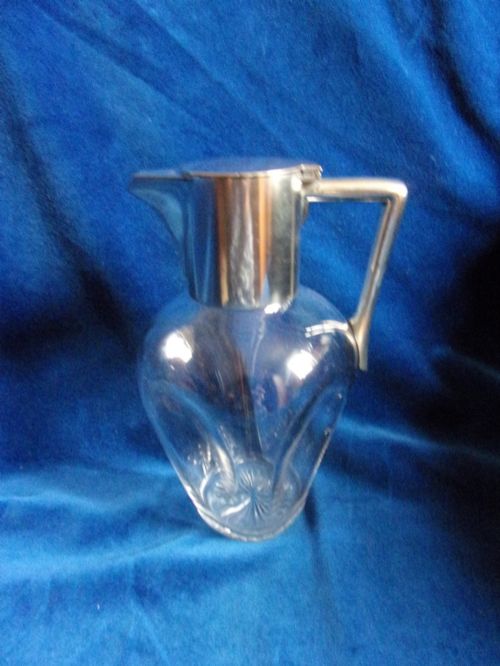
- A specialised table vessel designed for serving wine, typically combining a glass body with metal mounts, hinges, and pouring lips.
Arts and Crafts Jug: Frequently Asked Questions
What is an arts and crafts jug?
An arts and crafts jug is a pouring vessel made during the late nineteenth or early twentieth century that prioritises artisanal skill and honest materials over machine manufacturing.
These pieces typically showcase hand-thrown pottery, hammered copper, or pewter, reflecting a design ethos that celebrated the physical contribution of the craftsman.
How were these jugs used?
Many of these vessels served practical daily functions such as pouring water, milk, cream, or wine at the dining table.
Others functioned purely as decorative ewers or display flagons intended to showcase the artistic capabilities of specific potteries and metalwork studios.
How do I identify a studio pottery jug?
Studio pottery jugs often feature artist monograms, incised signatures, or specific pottery stamps pressed directly into the unglazed base of the clay.
Look for distinctive glaze effects, such as the fluid slip work found on Elton pottery, which mark the piece out from standard factory output.