

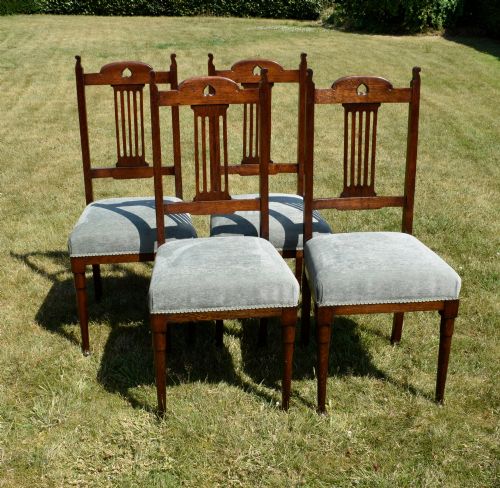
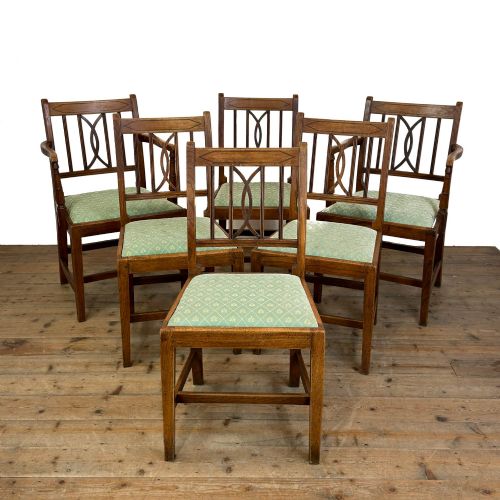

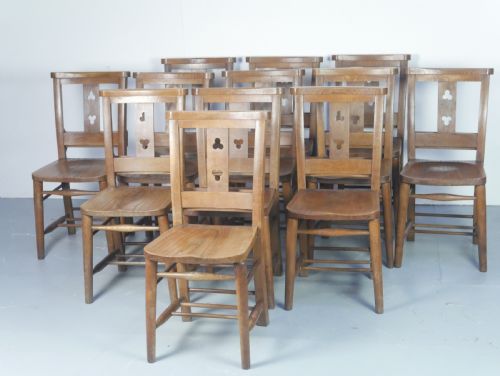
Arts and Crafts Dining Set
An arts and crafts dining set brings honest construction and straightforward timber into the room, offering matched seating and tables built to last.
Arts and Crafts Dining Set
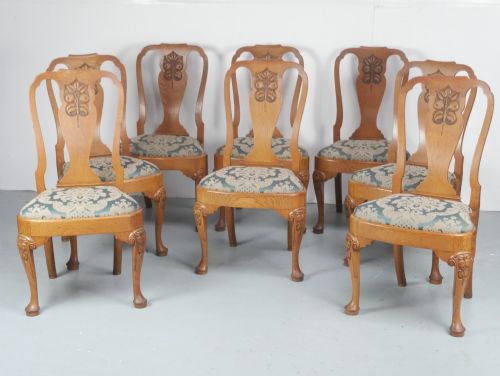
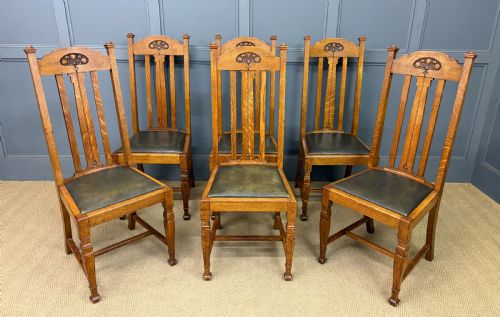
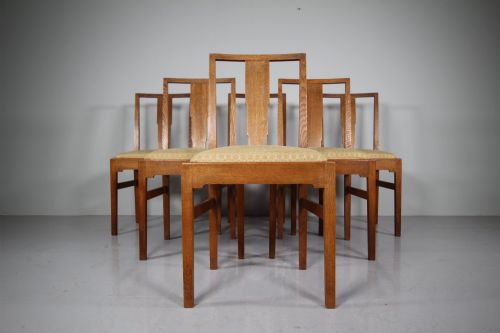
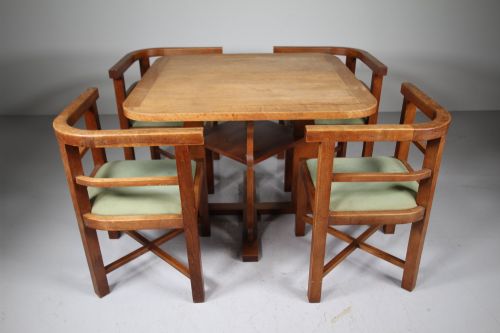
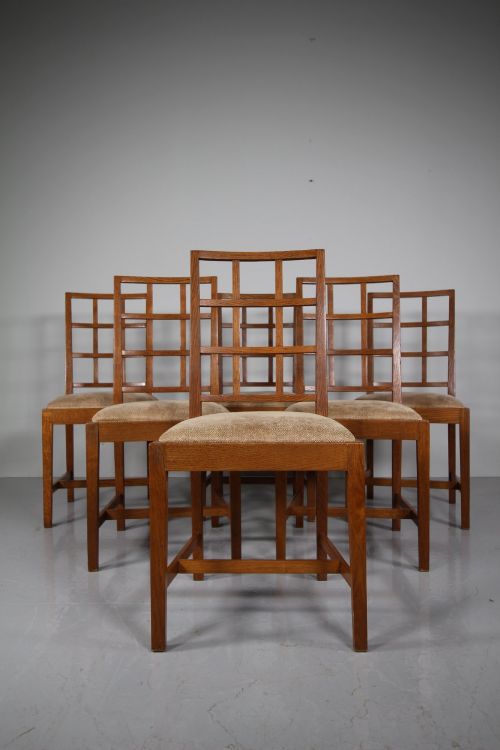
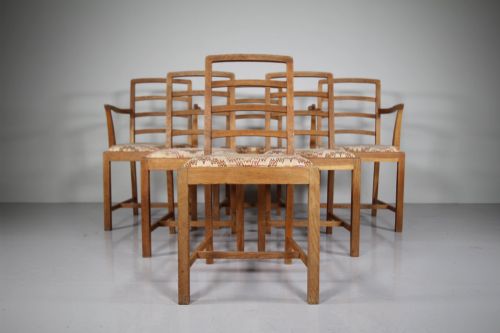
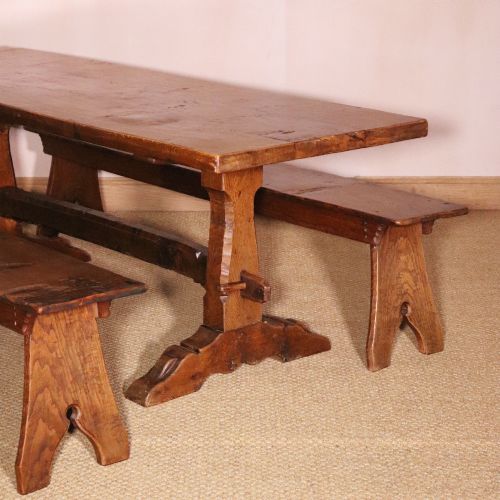
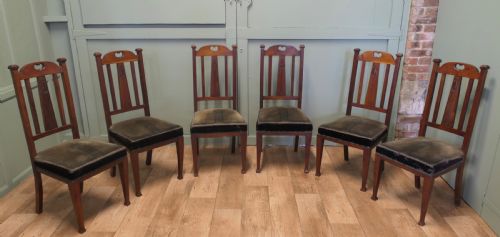
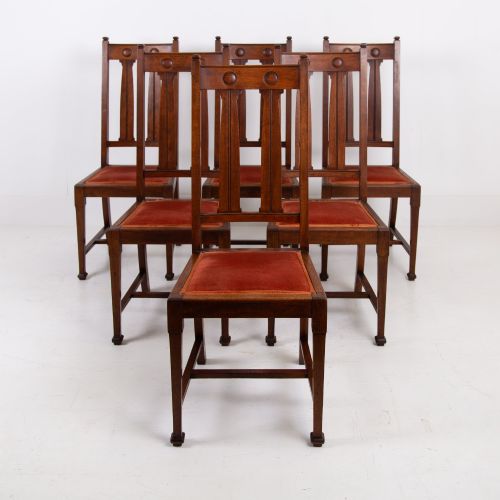
An arts and crafts dining set typically comprises a table paired with matching chairs, originating primarily from the late nineteenth century through to the 1930s. Buyers searching for an arts and crafts dining set encounter matched seating groups ranging from sets of four to sets of twelve, occasionally accompanied by side tables or benches.
The pieces appearing most frequently on this page date from the Edwardian era and the 1920s, reflecting the enduring output of workshops inspired by the movement. Oak forms the backbone of these listings, though examples in mahogany, walnut, and teak also emerge.
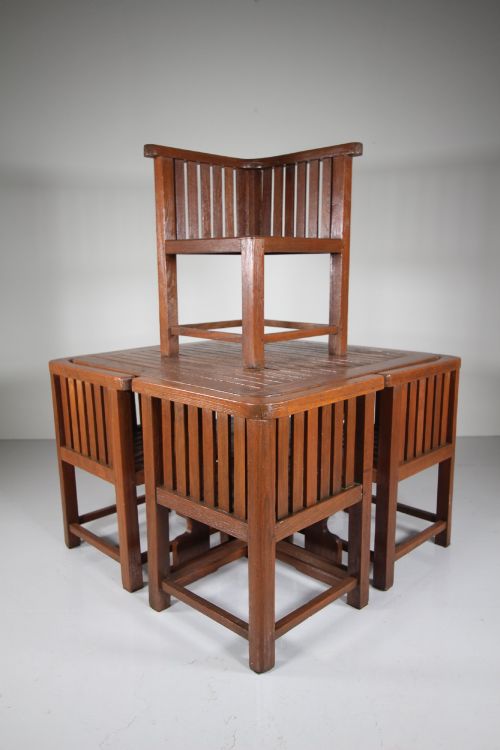
Regional variations span English provincial designs, London retailers, and Scottish interpretations, alongside pieces linked to the Cotswold School and specific commercial makers. Buyers find both indoor dining arrangements and occasional garden sets constructed for domestic utility.
Materials and construction
Solid timber forms the primary substance of these sets, with golden oak dominating alongside mahogany, walnut, elm, and teak. Joinery relies on traditional pegged mortise and tenon joints, valuing visible construction methods over concealed fixings.
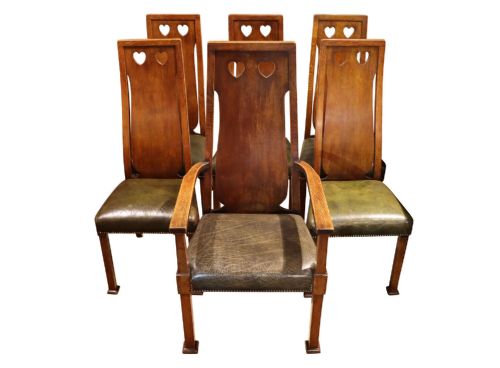
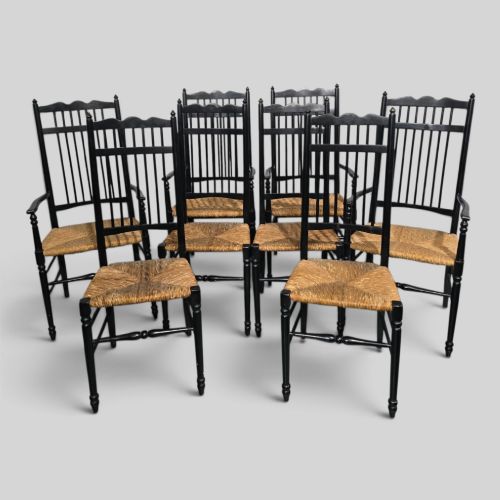
Seating surfaces incorporate materials such as rush, leather, and woven fabric, often secured with brass studs. Metalwork appears in decorative strap hinges, hinges, and occasional menu holders, grounding the wooden forms with functional hardware.
Arts and Crafts Dining Set Retail Price Guide 2026
Typical asking prices for arts and crafts dining set among the pieces listed under this phrase on Sellingantiques today, from the lower quarter to the upper quarter. They describe what is for sale here now, not the wider market.
The documented periods span the late nineteenth century through to the 1940s, encompassing Edwardian variations and Cotswold School pieces.
Standards of craftsmanship
The distinction between standard commercial output and exceptional workshop production lies in the handling of the timber and the integrity of the joinery. Superior sets display carefully selected grain patterns and hand-finished details that elevate plain utility into considered design.
Makers' labels, stamps, or documented provenance elevate a suite, separating anonymous provincial sets from identifiable works associated with leading retail houses and notable designers of the period.
Gordon Russell·Edward Barnsley·Heals of London·Goodyers London·Jack Grimble·Liberty and Co·Charles Bevan·Edward Gardener·Shapland and Petter·George Henry Walton
The Arts and Crafts Dining Set Glossary
- Cotswold School
- A twentieth-century design movement centred around Gloucestershire that emphasised hand-tooling and solid wood construction. Practitioners followed principles established by Ernest Gimlet and the Martin brothers.
- Rush seating
- Woven marsh plant stems used to create resilient, flexible chair seats. This traditional method appears frequently on vernacular and designer country chairs alike.
- Mortise and tenon
- A joint wherein a projecting tongue fits snugly into a corresponding cavity to lock two pieces of timber at a right angle. It remains a hallmark of durable cabinetmaking.
- Highback chair
- A seating form featuring an elongated backrest that emphasises vertical lines and grain patterns. These chairs often incorporate upholstered panels or slatted spindles.
Arts and Crafts Dining Set: Frequently Asked Questions
What defines an arts and crafts dining set?
An arts and crafts dining set is characterised by honest construction, visible joinery, and a focus on natural materials like solid oak. These suites prioritise utility and simple forms over ornate historical revivalism.
Designers and workshops sought to revive hand-craftsmanship, resulting in sturdy tables and chairs that often feature exposed pegs, straight lines, and occasionally leather or rush seating.
How do I care for antique oak dining furniture?
Maintaining solid oak and leather surfaces requires minimal intervention beyond regular dusting with a dry cloth. Avoid placing wooden dining sets near direct heat sources or in fluctuating humidity.
Applying occasional natural wax helps nourish the timber and preserves the finish without sealing the grain under modern synthetic varnishes.
How can I identify maker marks on these sets?
Maker marks on these dining sets typically appear as paper labels, branded stamps, or carved signatures underneath chair seats or table frames. Retailers and workshops often marked their output to denote quality and origin.
Documented pieces may also retain original paper retailer labels from London houses or provincial cabinetmakers active during the early twentieth century.
Were these dining sets made for indoor or outdoor use?
The majority of dining sets from this movement were constructed for interior domestic dining rooms and kitchens. However, specific resilient timbers like teak were utilised for garden dining sets designed to withstand outdoor conditions.
Indoor sets typically feature polished oak, walnut, or mahogany, while garden variants rely on weather-resistant hardwoods and simpler slatted constructions.