

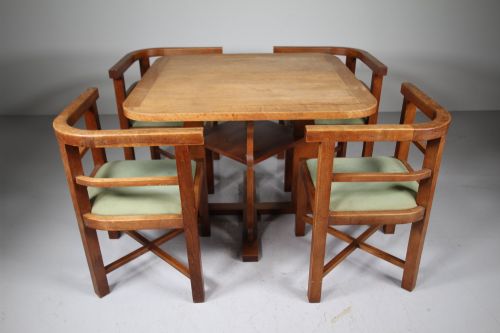
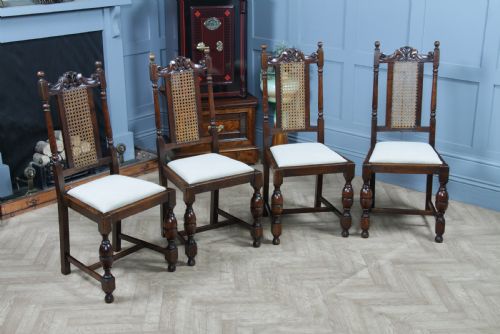
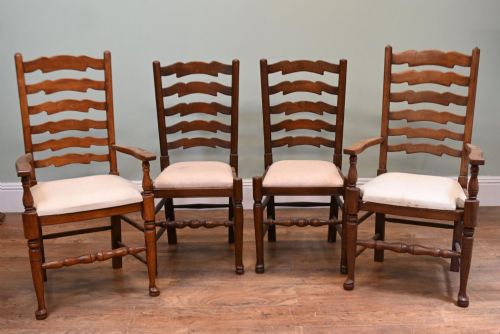
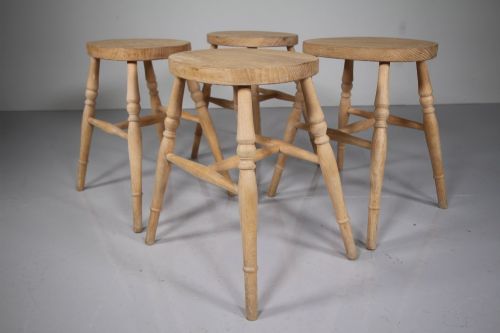
Edwardian Oak Dining Set
An edwardian oak dining set brings solid timber construction and historic Revival character straight to the family table.
Edwardian Oak Dining Set
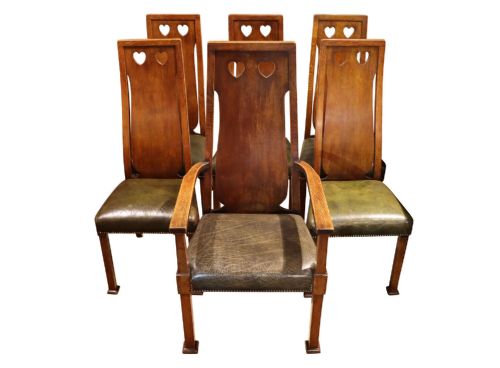
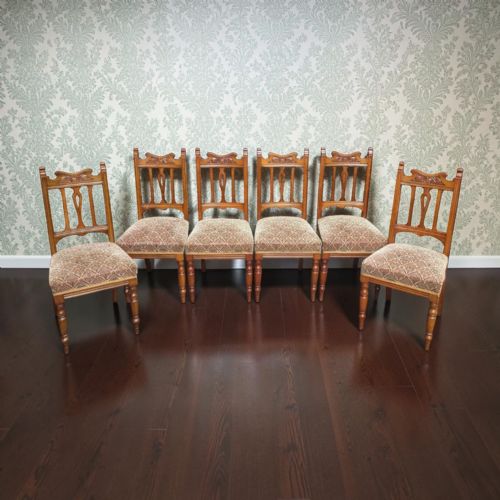
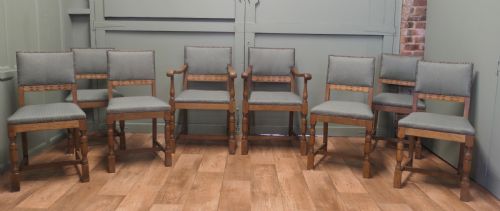
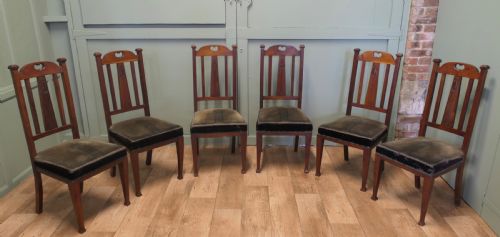
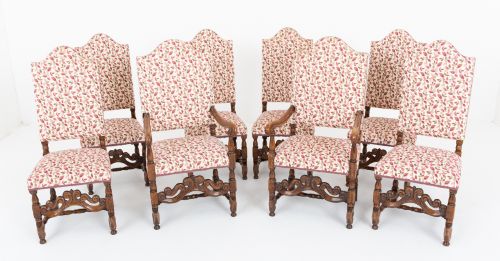
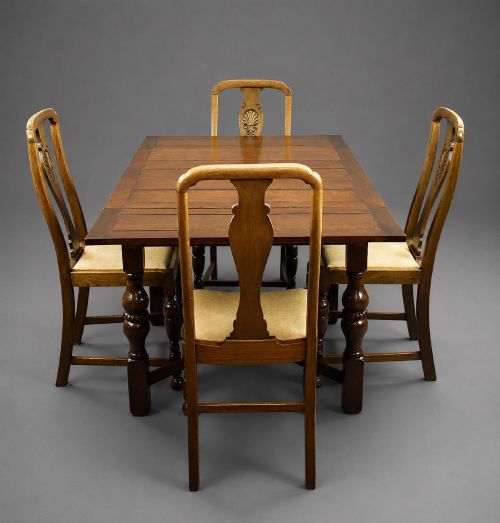
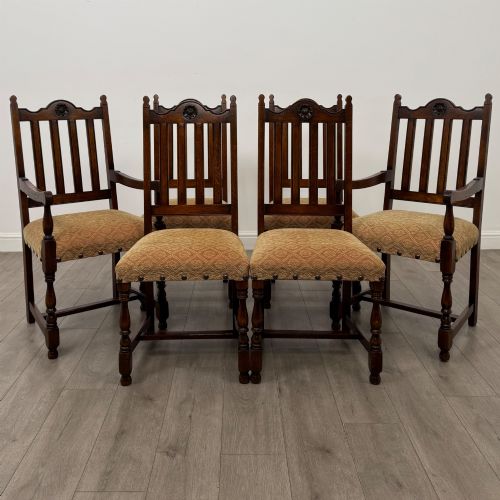
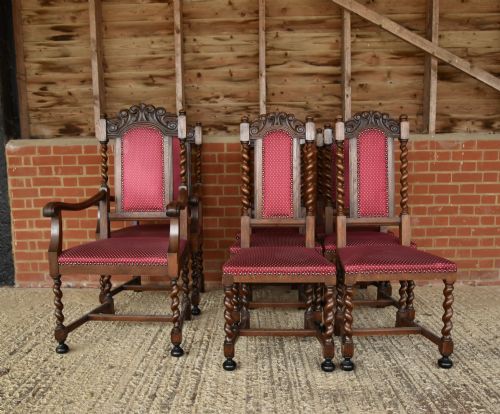
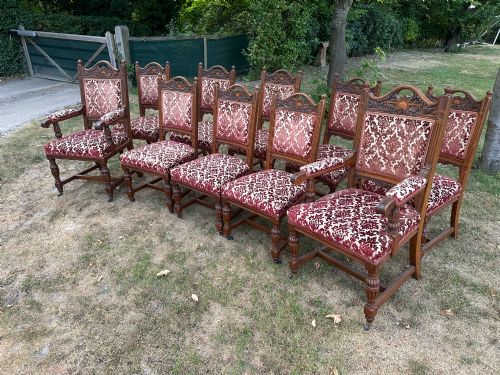
An edwardian oak dining set comprises matching groups of chairs, frequently paired with extension tables or sideboards from the early twentieth century. You will encounter sets ranging from four chairs up to grand groups of ten or twelve, often including carver armchairs for the heads of the table.
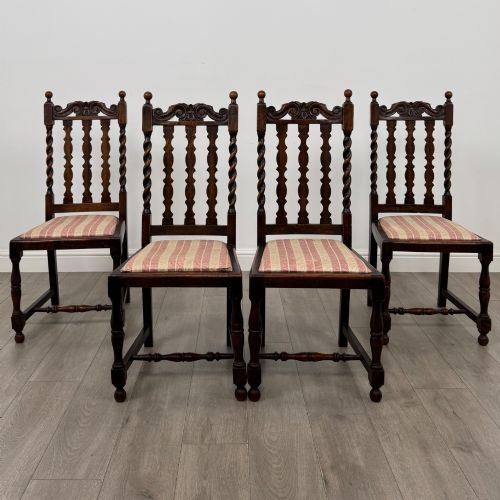
The aesthetic draws heavily on earlier vernacular and Revival movements, spanning straightforward ladderback forms to elaborate Jacobean carved panels. Many examples reflect the honest construction of the Arts and Crafts movement alongside hearty country house traditions.
While the period is strictly Edwardian and surrounding decades, the listings also incorporate related oak seating from the late nineteenth century and the 1920s. These suites serve everyday dining while anchoring a room in traditional British cabinet-making history.
Materials and construction
Solid oak forms the structural core of these sets, selected for its density, visible grain, and durability in daily use. Cabinet-makers utilised quarter-sawn timber to reveal distinct medullary rays, especially prized in Arts and Crafts pieces.
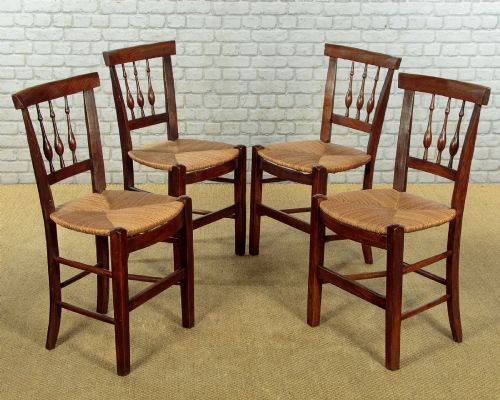
Upholstery materials play an integral role, incorporating supple leather, durable fabric, velvet, and woven rush seats. Brass studs, carved top rails, and twisted legs introduce texture and decorative contrast to the heavy timber frames.
Edwardian Oak Dining Set Retail Price Guide 2026
Typical asking prices for edwardian oak dining set among the pieces listed under this phrase on Sellingantiques today, from the lower quarter to the upper quarter. They describe what is for sale here now, not the wider market.
Listings feature oak combined with leather, fabric, brass, velvet, rush, and elm across Edwardian, Victorian, and 1920s periods.
Measures of quality
The standard of a set rests upon the depth of the carving and the architectural integrity of the joints. Pierced splats, barley twist turnings, and pegged mortise-and-tenon construction separate ambitious workshop production from simpler provincial output.
Uniformity across a large set dictates value, as matched groups assembled decades later differ from suites born together in a single workshop. The integrity of original leather upholstery and rush seating also distinguishes untouched survivals from later replacements.
Goodyers London·M. D. Miller And Sons Nottingham·Liberty And Co·Charles Bevan·Lambs Of Manchester·Shapland And Petter
The Edwardian Oak Dining Set Glossary
- Carver
- An armchair with wooden armrests designed for the head of a dining table. These typically match the side chairs in a larger suite.
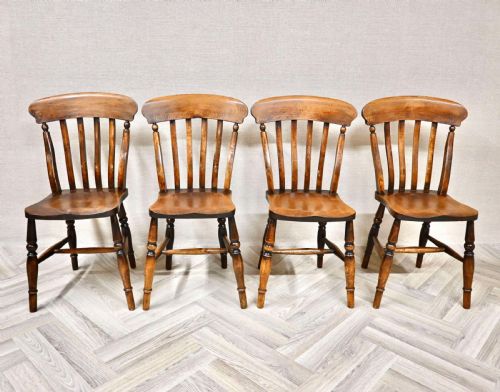
- Ladderback
- A chair back featuring horizontal wooden slats arranged like the rungs of a ladder. This vernacular form appears frequently in country and Edwardian dining sets.
- Draw leaf
- A dining table equipped with pull-out leaves stored beneath the main surface. This mechanism allows the table to extend quickly for guests.
- Jacobean Revival
- A design style mimicking seventeenth-century English furniture. It is characterised by heavy turned legs, strapwork, and geometric panel carving.
- Arts and Crafts
- A design movement prioritising handcraftsmanship, visible construction, and simple utility. Pieces from this tradition avoid excessive ornamentation in favour of honest material expression.
Edwardian Oak Dining Set: Frequently Asked Questions
How many chairs come in a typical set?
Sets commonly appear in groups of four, six, or eight, though larger gatherings of ten or twelve exist for spacious dining rooms. Many larger configurations include two matching carver armchairs.
Buyers should verify whether all chairs share identical wear and timber grain to ensure the set originated together.
What is the difference between Arts and Crafts and Jacobean styles?
Arts and Crafts dining sets emphasise honest construction, exposed joinery, and golden oak surfaces with minimal applied decoration. Jacobean revival sets lean into heavy carved ornamentation, dark finishes, and elaborate geometric panels.
Both styles utilise solid oak but project entirely different moods within a dining interior.
Are these dining sets suitable for everyday use?
Solid oak construction and pegged joints make these antique suites exceptionally sturdy for daily family meals. Regular conditioning of the timber and leather keeps the surfaces resilient against active use.
Checking the stability of stretchers and frame joints ensures the chairs withstand constant sitting.
How do I care for leather and rush seats?
Leather upholstery benefits from periodic conditioning to prevent cracking, while rush seating requires dry conditions and protection from sharp punctures. Gentle cleaning preserves the natural patina accumulated over a century.
Avoiding direct sunlight prevents the organic materials and oak finishes from drying out prematurely.