

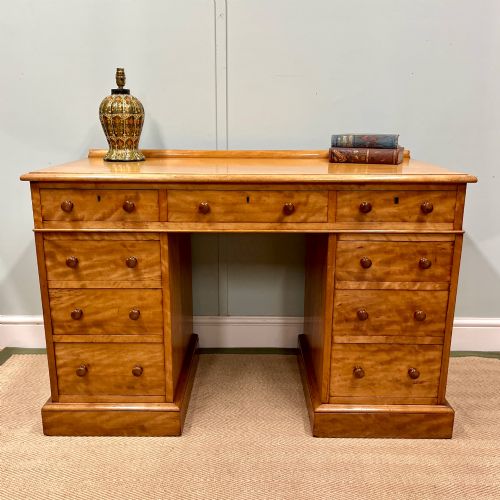


Vintage Heal and Son
These vintage Heal and Son pieces bring functional British craftsmanship into your home, combining robust timber construction with clean, enduring design.
Vintage Heal and Son
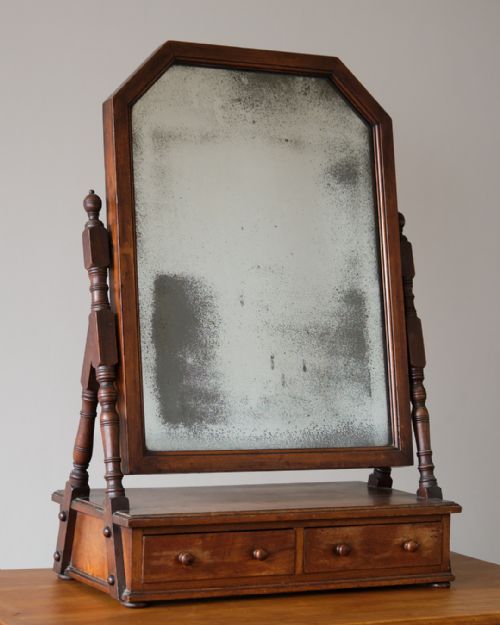
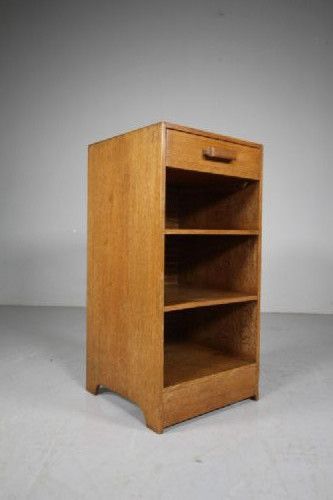
When you search for vintage heal and son, you encounter furniture and home accessories originating from the notable London firm across the nineteenth, Edwardian, and twentieth centuries. The selection spans practical items for daily use, including oak bedside cabinets, dressing tables, desks, and single bed frames.
You are most likely to meet oak and walnut items from the Edwardian period and the 1930s on this page. These pieces reflect the shift from ornate Victorian styles toward simpler forms aligned with the Arts and Crafts movement and early modernism.
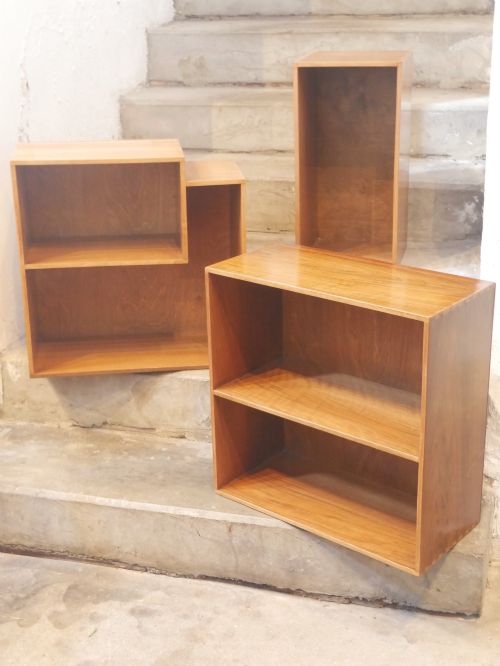
The objects range from display boxes and nest of tables to larger bedroom furniture, often bearing the maker label of the firm. Each piece demonstrates the company's long-standing focus on utility combined with thoughtful design.
How they were made
Makers utilised solid timbers such as oak, walnut, mahogany, and satin birch, frequently pairing them with wood veneer and plywood for interior or curved elements. Brass hardware appears on desks and cabinetry to provide functional contrast and secure fastenings.
Construction techniques emphasise structural integrity and timber selection, allowing the natural grain of the wood to remain visible. Caning is also utilised on specific items like rocking cribs, showing traditional textile integration within wooden frames.
Even a simple rocking crib received retail attention from the firm, proving babies deserved proper joinery too.
What varies in quality
The distinction between standard commercial output and finer workshops lies in the selection of timber figures and the restraint of decorative carving. Pieces featuring matched grain patterns and subtle detailing command attention for their visual balance.
The presence of original maker labels or stamps distinguishes verified items from pieces produced in the general style of the firm. Construction depth, such as solid drawer linings and intact brass fittings, further separates utilitarian output from exceptional examples.
The Vintage Heal and Son Glossary
- Arts and Crafts
- A design movement prioritising traditional craftsmanship, simple forms, and visible construction methods. It heavily influenced the early twentieth-century output of the firm.
- Kneehole desk
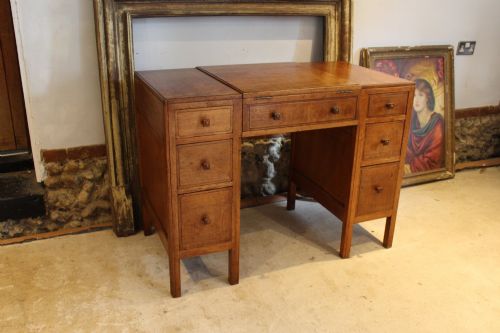
- A writing table featuring a central recess for the legs with pedestals of drawers on either side. This form provides practical storage while maintaining a compact footprint.
- Nest of tables
- A set of graduated tables designed to fit neatly beneath one another when not in use. They offer flexible surface space in living areas.
- Satin birch
- A pale, lustrous timber with a fine grain used for decorative furniture surfaces during the nineteenth century. It provides a bright alternative to darker mahoganies.
- Veneer
- A thin layer of choice wood adhered to a base timber surface to display attractive grain patterns. This technique prevents warping while showcasing expensive woods.
Vintage Heal and Son: Frequently Asked Questions
How do I identify a genuine Heal and Son piece?
Look for paper labels, branded signatures, or stamps embedded within drawers or on the reverse of the woodwork. These markers confirm the origin of the furniture.
Compare the construction quality and timber choices against documented examples from the nineteenth and early twentieth centuries to verify authenticity.
What periods do these items cover?
The listings span from the nineteenth century through the Edwardian era up to the 1930s. Each period introduces distinct stylistic shifts.
Victorian and Edwardian items often display heavier timber forms, while 1930s pieces lean towards streamlined modernism and lighter oak finishes.
How should I care for antique oak furniture?
Maintain the timber by keeping pieces away from direct heat sources and strong sunlight that can dry out the wood. Apply natural waxes sparingly to preserve the finish.
Dust regularly with a soft, dry cloth to prevent surface buildup without harming the original patina.
What are the common wood types used?
Oak is the predominant material seen across beds, cabinets, and tables from this maker. Walnut and mahogany also appear frequently in desks and dressing furniture.
Plywood and wood veneer supplement these solid timbers in later twentieth-century designs to create smooth surfaces.