



Art Deco Oak Dining
Art deco oak dining furniture brings solid twentieth-century geometry and rich timber grain directly into your home.
Art Deco Oak Dining
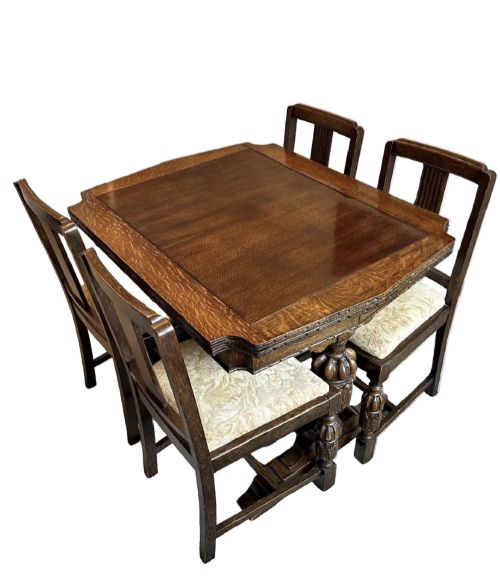
Art deco oak dining furniture encompasses dining sets, tables, chairs, sideboards, and cutlery canteens produced during the nineteen-twenties and nineteen-thirties. These pieces combine robust oak timber with the distinctive geometric lines characteristic of the period, often incorporating limed finishes or wood veneers.
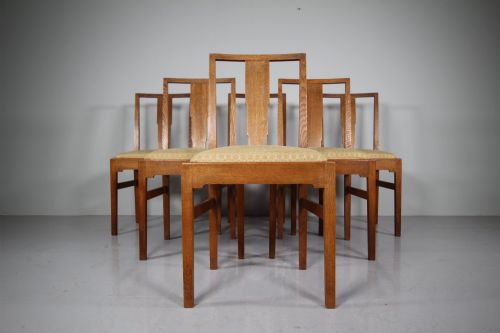
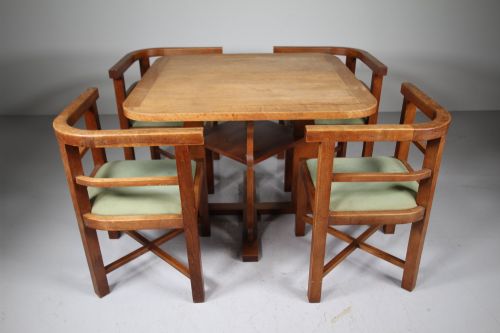
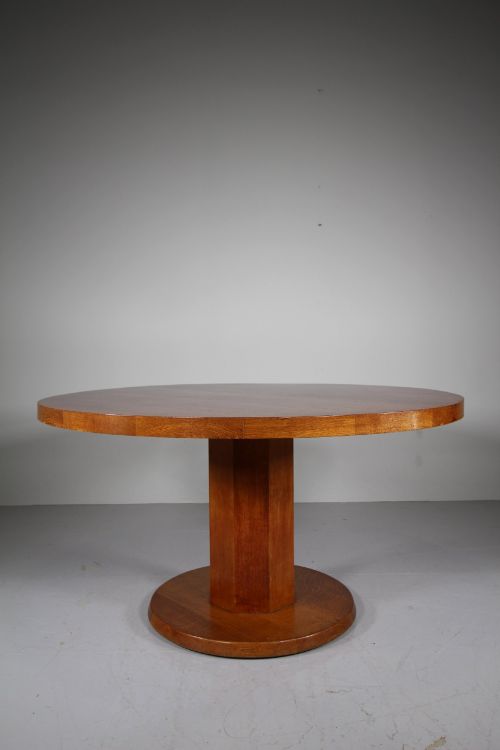
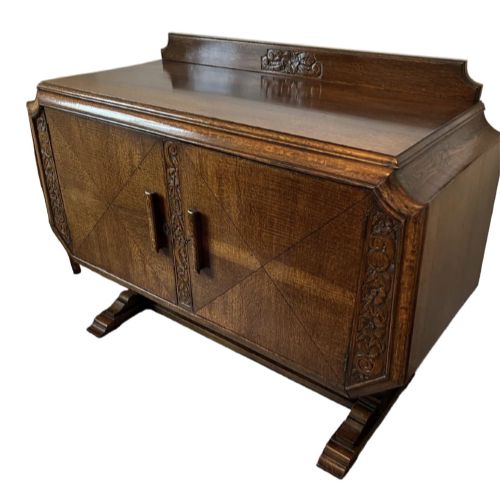
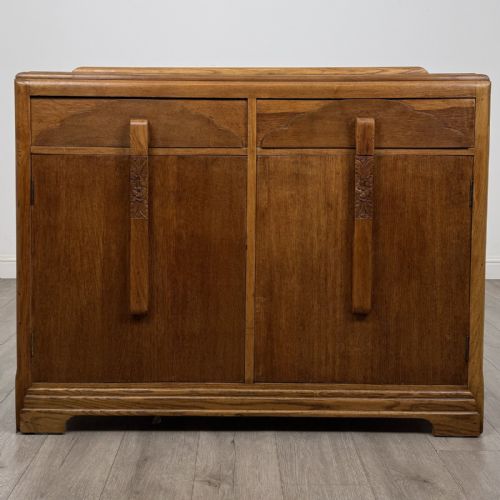
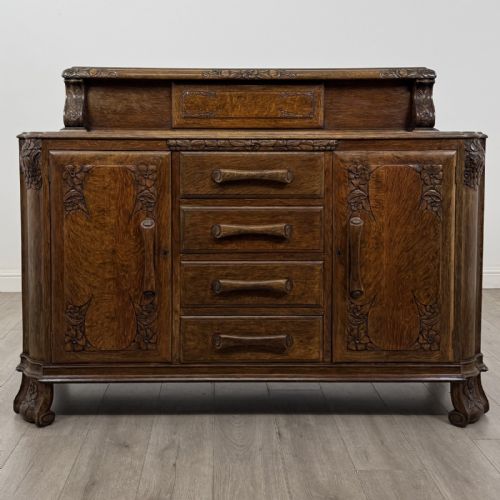
Buyers frequently encounter complete dining sets, sets of chairs numbering four or six, circular tables, and substantial sideboards featuring raised or carved galleries. The items span various interpretations of the style, from simple utilitarian forms to distinctive Cotswold School influences.
Originating predominantly from the interwar decades, these items reflect the shift towards modern domestic interiors while retaining traditional cabinetmaking materials. Tables and chairs dominate the selection, accompanied by storage furniture designed to coordinate within the dining room.
What varies in quality
Quality rests in the selection of the timber grain, the precision of the veneering, and the integrity of the structural joinery across tables and chairs. Superior examples display carefully matched oak figure and harmonious proportions rather than plain, unconsidered timber.
Maker attribution and original labels elevate certain pieces, distinguishing standard commercial production from workshop output associated with notable firms of the era. The retention of original upholstery materials, labels, and fitted interiors also influences the standing of individual dining pieces.
Art Deco Oak Dining Retail Price Guide 2026
Typical asking prices for art deco oak dining among the pieces listed under this phrase on Sellingantiques today, from the lower quarter to the upper quarter. They describe what is for sale here now, not the wider market.
Listings feature oak, fabric, wood veneer, limed oak, silver plate, baize, and velvet across items dated to nineteen twenty and nineteen thirty.
Gordon Russell·Heals
The Art Deco Oak Dining Glossary
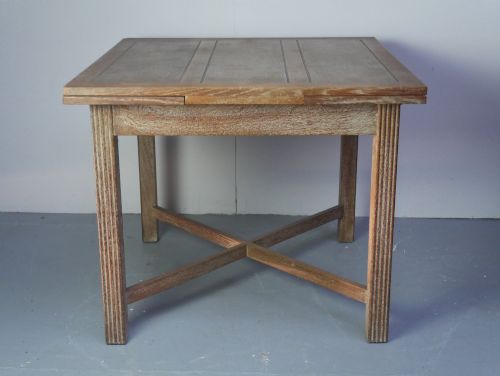
- Limed oak
- A finishing technique where a white or pale pigment is rubbed into the open pores of oak timber to highlight the grain pattern. This treatment creates a lighter, fashionable surface popular in twentieth-century furniture.
- Veneer
- A thin layer of superior wood adhered to a secondary timber base to create decorative patterns and prevent warping. It allows makers to display striking grain formations across large flat surfaces.
- Baize
- A coarse woolen fabric traditionally used to line interior compartments of storage furniture and cutlery canteens. It protects silver plate and utensils from scratching during daily use.
- Gallery
- A raised wooden border running along the back or edges of a sideboard to prevent items from sliding off. Carved or plain versions add architectural height to the piece.
- Silver plate
- A thin coating of silver applied over a base metal foundation for cutlery and tableware fittings. It provides the appearance and lustre of solid silver within fitted dining canteens.
Art Deco Oak Dining: Frequently Asked Questions
What defines art deco oak dining furniture?
Art deco oak dining furniture is defined by its twentieth-century manufacturing dates of the nineteen-twenties and nineteen-thirties, combined with solid oak timber and geometric styling. Pieces range from circular dining tables and chair sets to sideboards with raised galleries.
Makers utilised natural oak grain alongside wood veneers and limed finishes to achieve a modern interwar aesthetic.
How do I identify a period sideboard?
Period sideboards from the interwar decades feature characteristic oak construction, often enhanced by carved gallery backs or decorative veneered panels. They provide essential dining room storage while reflecting the architectural trends of the era.
Examine the interior configuration and timber selection to understand the manufacturing period.
How should I care for limed oak?
Limed oak surfaces require gentle dusting with a dry or slightly damp cloth to preserve the pale pigment settled within the grain. Avoid harsh chemical cleaners that might strip the delicate finish from the timber.
Maintaining stable room humidity protects both the solid oak and any applied wood veneers.
Are dining chairs sold individually?
Dining chairs typically appear in matched sets of four or six rather than as isolated pieces, designed to accompany circular or rectangular tables. Sets often share identical upholstery materials like velvet or fabric.
Complete dining sets sometimes include tables, chairs, and sideboards sourced together from the same period.