



Art Nouveau Statuette
An art nouveau statuette captures the fluid lines and organic motifs of the turn of the century in cast metal, carved stone, and painted porcelain.
Art Nouveau Statuette
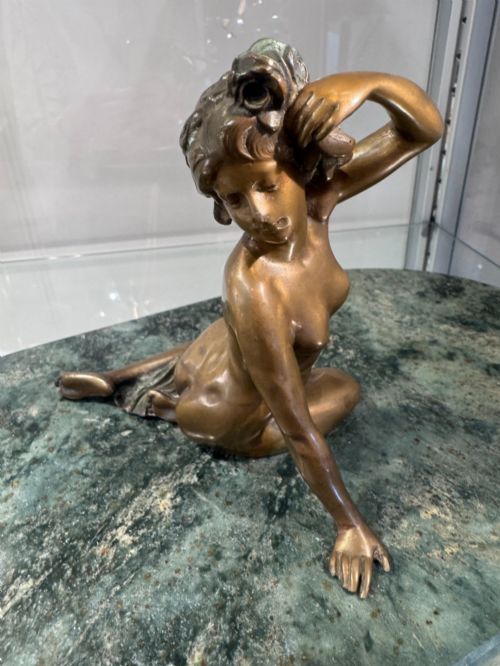
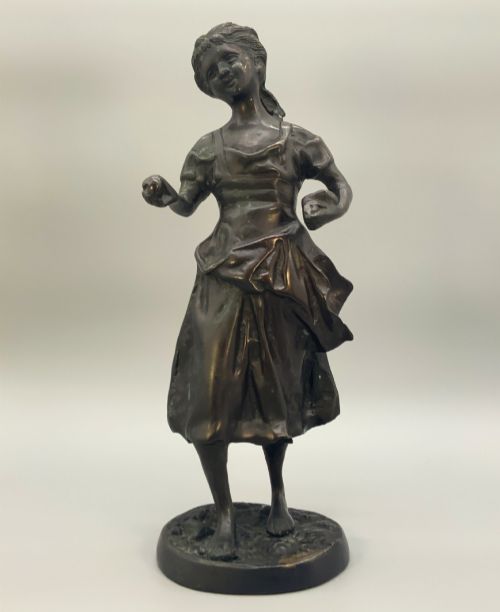
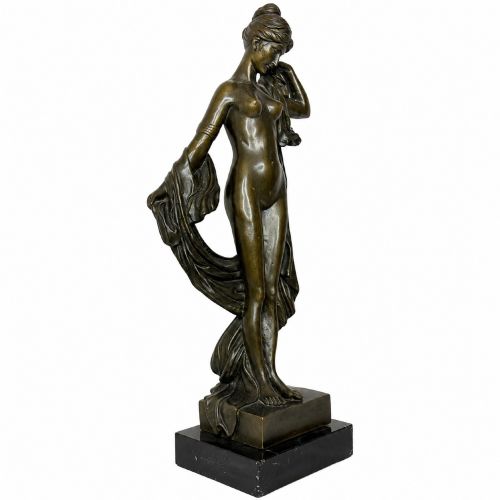
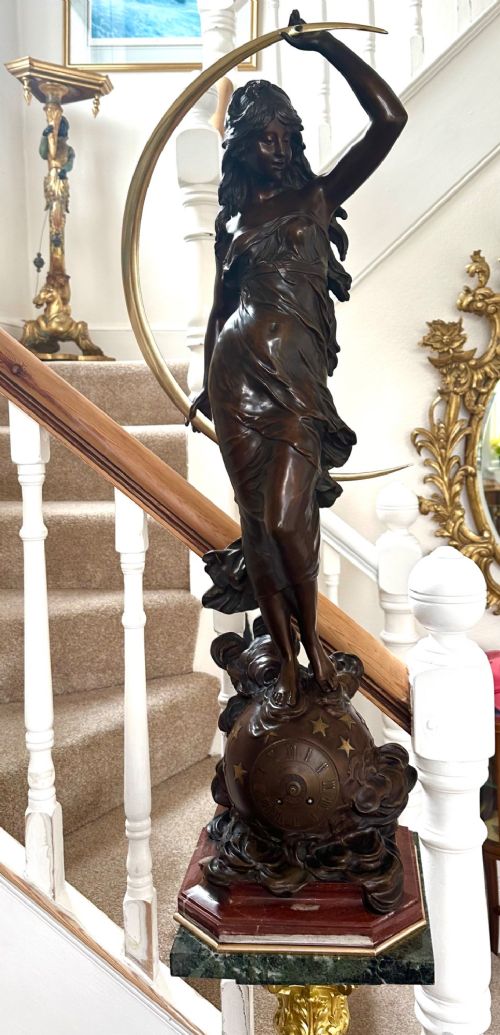
An art nouveau statuette typically portrays female figures, classical maidens, dancers, and allegorical subjects framed by the sweeping curves and naturalistic details characteristic of the period. These objects appear across various forms including decorative figurines, portrait busts, and freestanding sculptures.
The versions most commonly met on this page originate from French and Austrian workshops spanning the late nineteenth century through the early decades of the twentieth century. Makers rendered these subjects in distinct regional flavours, ranging from Viennese cold-painted bronzes to French classical revival figures.
Makers utilised familiar classical and mythological themes, such as nymphs, maidens, and figures representing harvest or dance, translating them into the sinuous aesthetic of the turn of the twentieth century.
Materials and casting techniques
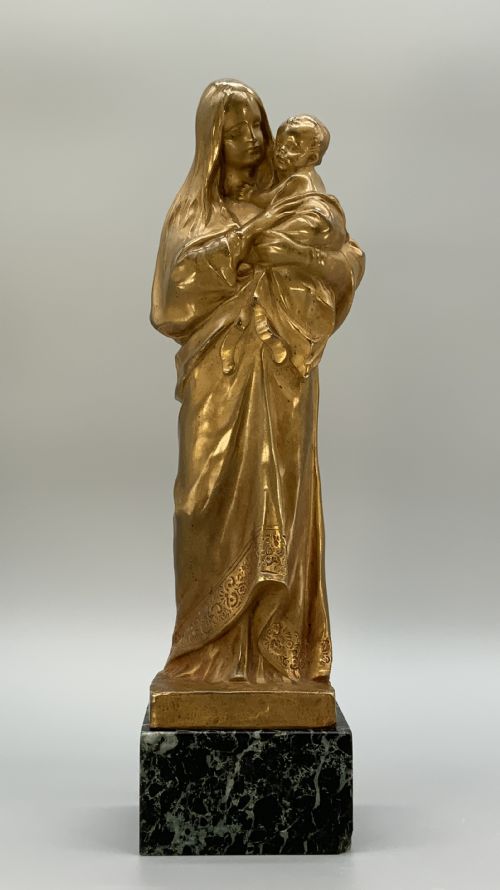
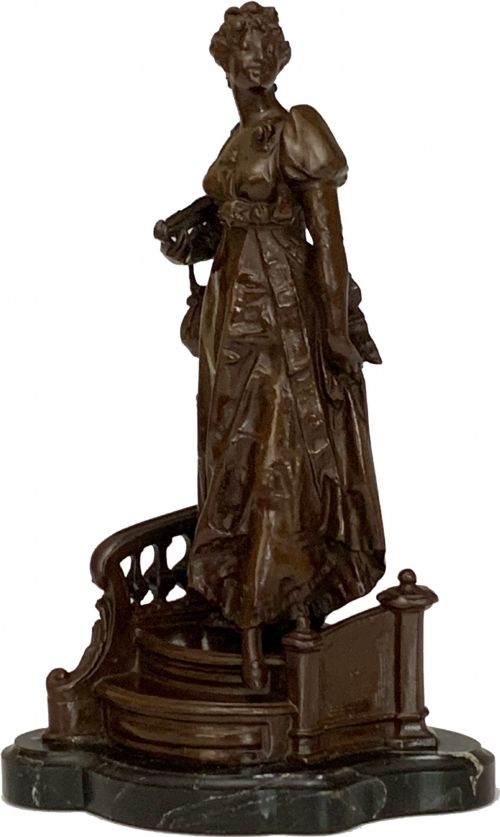
Foundry workers utilised bronze, gilt bronze, and patinated bronze, often casting figures with intricate surface detail that captured flowing hair, draped garments, and organic pedestals. Many of these bronze pieces incorporate integral marble or stone plinths to provide weight and contrast.
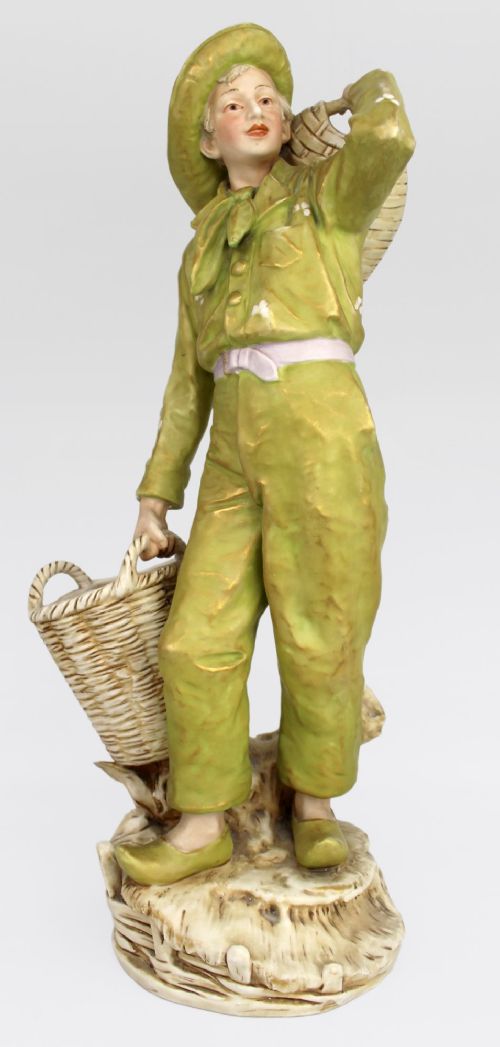
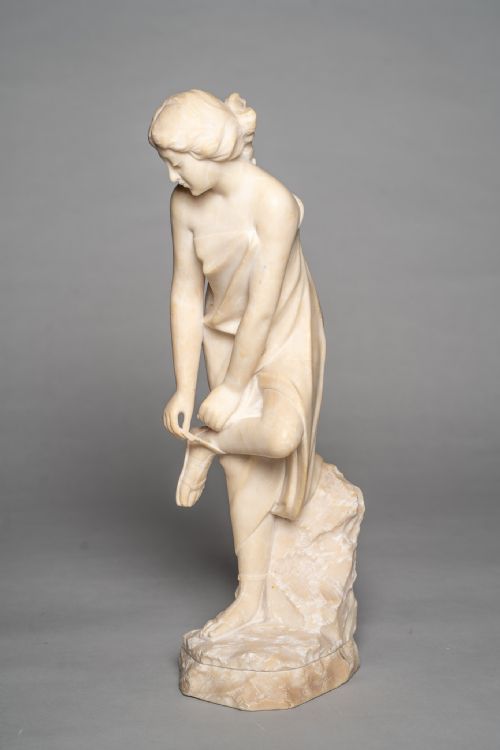
Carvers shaped soft stones like alabaster to exploit the translucent quality of the material for sculptural skin tones and delicate drapery. Artisans also worked with painted porcelain, firing ceramic figures with soft glazes and gilt highlights.
Foundries employed specialised patination and cold-painting techniques to impart varied colour and texture directly onto the metal surfaces before final assembly.
Among the dancers and maidens, one bronze lobster boy stands ready to pinch.
Assessing sculptural quality and finish
The crispness of the casting and the sensitivity of the hand-finishing separate finer sculptures from simpler production pieces. Skilled chiselling after the cast stage defines facial expressions, hair strands, and fabric folds with exceptional clarity.
The integration of mixed materials, such as combining patinated bronze with carved marble bases or ivory elements, dictates the ambition of the piece. Superior examples show harmonious proportions between the main figure and its structural support.
The depth and durability of the original patination or cold-painted surface play a significant role in maintaining the visual impact of the work over time.
August Moreau·Carl Kauba·Franz Bergman·Emmanuel Villanis·Rudolf Küchler·Georges Van Der Straeten
The Art Nouveau Statuette Glossary
- Patinated bronze
- Bronze treated with chemical solutions to produce a specific surface colour and tone. This process protects the metal while enhancing the sculptural contours.
- Cold-painted bronze
- Metal figures painted with oil or enamel paints after casting, without subsequent kiln firing. This technique allowed for vivid polychrome finishes, particularly in Austrian workshops.
- Terracotta
- Fired clay moulded into sculptural busts and figures, often left unglazed or painted to resemble stone. This medium allowed artists to capture immediate modelling marks.
- Gilt bronze
- Metal coated with a thin layer of gold or gold amalgam to create a bright, reflective surface. It provides a luxurious finish often applied to robes and decorative borders.
Art Nouveau Statuette: Frequently Asked Questions
What materials make up an art nouveau statuette?
Sculptors and manufacturers utilised bronze, patinated bronze, gilt bronze, carved alabaster, terracotta, and painted porcelain. These materials were frequently combined, such as placing a bronze figure onto a marble base.
Mixed media compositions allowed artists to contrast the dark tones of metal with the bright texture of stone or ceramic.
How do you date an art nouveau statuette?
Dating relies on stylistic markers, foundry stamps, artist signatures, and material combinations typical of the late nineteenth and early twentieth centuries. Most pieces cluster around the period from eighteen-ninety to nineteen-twenty.
Comparing the casting style and subject matter with documented works by known bronze founders helps narrow the production window.
Where were these figures manufactured?
The primary production centres were located in France, particularly Paris, and Austria, notably Vienna. French foundries produced numerous classical and allegorical bronze figures, while Austrian workshops specialised in cold-painted bronzes and porcelain.
Factories like Royal Dux in Bohemia also generated distinctive ceramic figures during the same era.
How should I display a bronze and stone sculpture?
Place the statuette on a stable, flat surface away from direct sunlight and excessive humidity to protect delicate patinas and stone bases. Ensure the support can bear the full weight of heavy marble and bronze pieces.
Dust the surface gently with a soft, dry cloth without applying household cleaning products or oils.