



Bronze Woman Figure
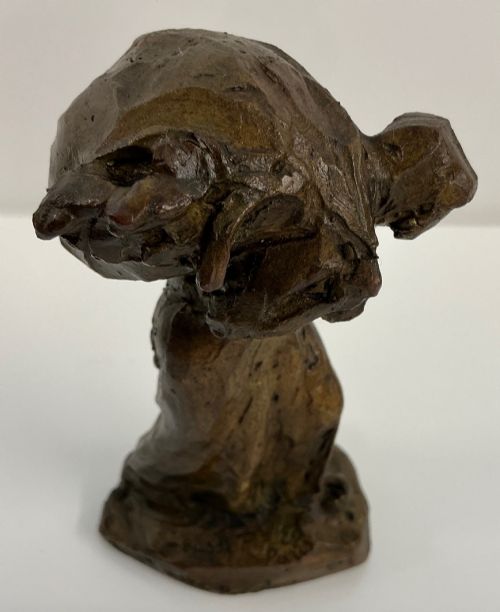
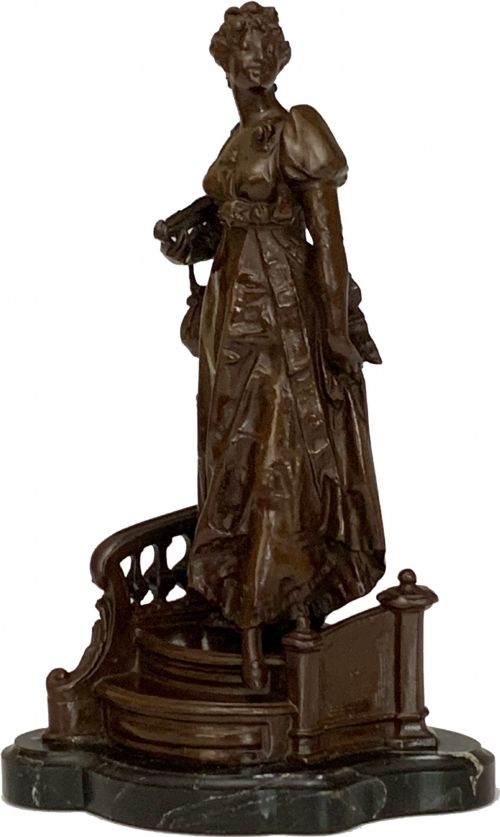
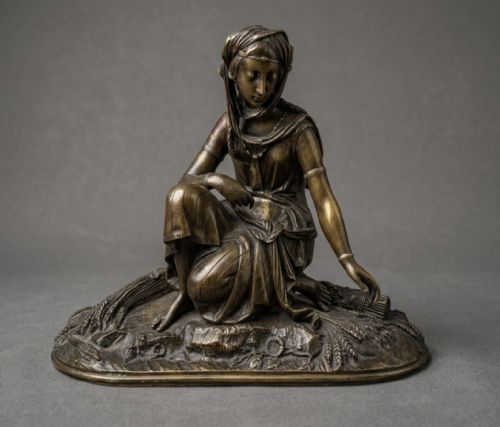
A bronze woman figure brings the elegance of the foundry into a room, capturing movement, form, and character in cast metal.
Bronze Woman Figure
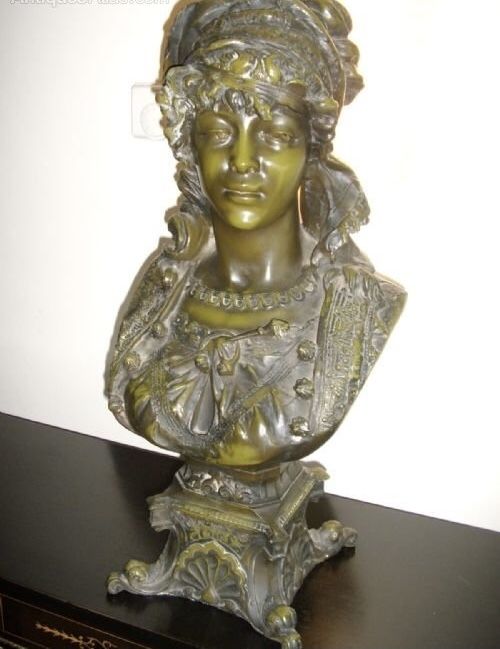
A bronze woman figure captures the female form across several centuries of sculpture, ranging from classical interpretations to sleek modernist designs. These pieces appear in numerous guises, including busts, full-length statues, and dancer studies.
Nineteenth-century French salon works and Art Deco creations dominate the offerings on this page. Buyers find subjects varying from mythical goddesses and historical maidens to elegant modern ladies and dancers.
The objects span multiple periods, from eighteenth-century casts after earlier masters through to the stylised geometry of the 1930s. Each era brings distinct clothing, posture, and facial expressions to the cast subject.
Materials and casting methods
Foundries primarily utilised the lost-wax method or sand casting to achieve intricate detail in molten metal. Artisans poured bronze into moulds, resulting in durable figures that could capture flowing hair and delicate drapery.
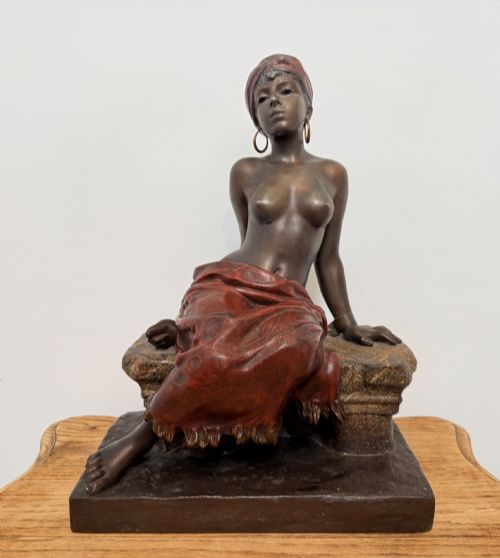
Makers frequently mounted completed casts onto stone supports such as marble or onyx to give the sculpture stability and presence. Surfaces received different chemical treatments to produce patinated finishes, cold-painted colours, or rich gilt layers.
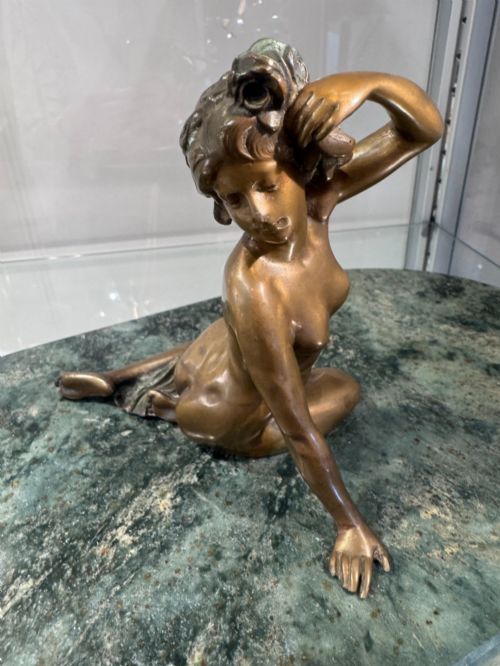
Several figures hold mirrors or are caught mid-stretch, proving that bronze ladies have checked their hair for well over a century.
Judging the work
The quality of the material foundation matters significantly, as denser marbles and richer patinas enhance the overall visual weight. Sculptures bearing clear foundry marks or recognisable signatures generally reflect higher standards of design and execution.
E Villanis·Demetre Chiparus·Henry Wissen Senior·Jules Dalou·Georges Van Der Straeten·Sibylle May·Jennings Brothers·Maurice Bouval·Susse Freres·Paul Joris·R Henn·Pierre Hebert·Devaulx·Albert Carrier Belleuse·E Laurent·Moreau·Henri Ple·Richard Thuss·Emile Pinedo
The Bronze Woman Figure Glossary
- Patina
- The surface coloration and sheen developed naturally over time or applied chemically by the foundry. This finish protects the metal and adds depth to the sculpture.
- Spelter
- A zinc alloy frequently utilised as a less expensive alternative to bronze during the nineteenth and twentieth centuries. It often received a bronze-coloured coating to imitate genuine metal.
- Lost-wax casting
- A traditional method where a wax model is melted out of a mould to create a cavity for molten bronze. This technique allows for exceptional detail in complex figures.
- Chasing
- The process of hand-finishing a raw metal casting using hammers and punches to refine textures and remove casting flaws. Superior chasing distinguishes finer sculptural works.
Bronze Woman Figure: Frequently Asked Questions
How do I identify Art Deco pieces?
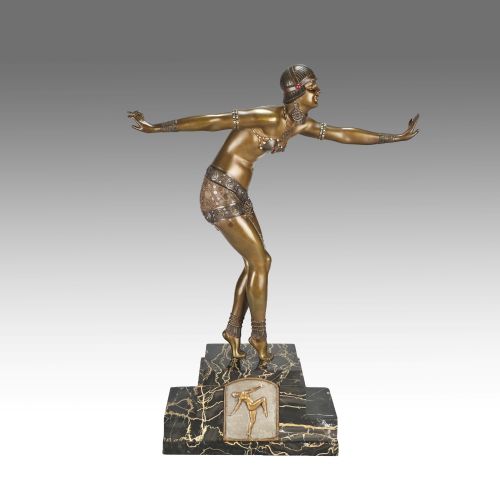
Art Deco pieces typically display stylised geometries, clean lines, and streamlined drapery that reflect the aesthetic of the 1920s and 1930s. Artists in this movement moved away from ornate Victorian realism towards modern dynamism and architectural forms.
These figures often incorporate materials like onyx or marble bases alongside cold-painted surfaces or rich patination. The poses tend to be confident and modern, frequently depicting dancers or independent women.
What is the difference between bronze and spelter?
Bronze is a durable copper alloy that takes a deep patina and holds sharp foundry details for centuries. Spelter is a softer zinc alloy that feels lighter and was often painted to resemble bronze.
Examining the underside or areas of wear usually reveals the underlying metal colour. Spelter is prone to greater brittleness and can show flaking paint rather than a true chemical patina.
Are unsigned sculptures worth collecting?
Unsigned sculptures often originate from competent European foundries that produced high-quality decorative art without individual artist attribution. Many anonymous pieces display exceptional casting and chasing work that rivals signed examples.
Collector interest in these works depends entirely on the aesthetic appeal, casting quality, and overall condition. An unsigned piece can still represent a fine example of period sculpture.