
Art Nouveau Pottery
Art nouveau pottery brings flowing organic lines and rich experimental glazes into a room, capturing the fluid aesthetics of the turn of the twentieth century.
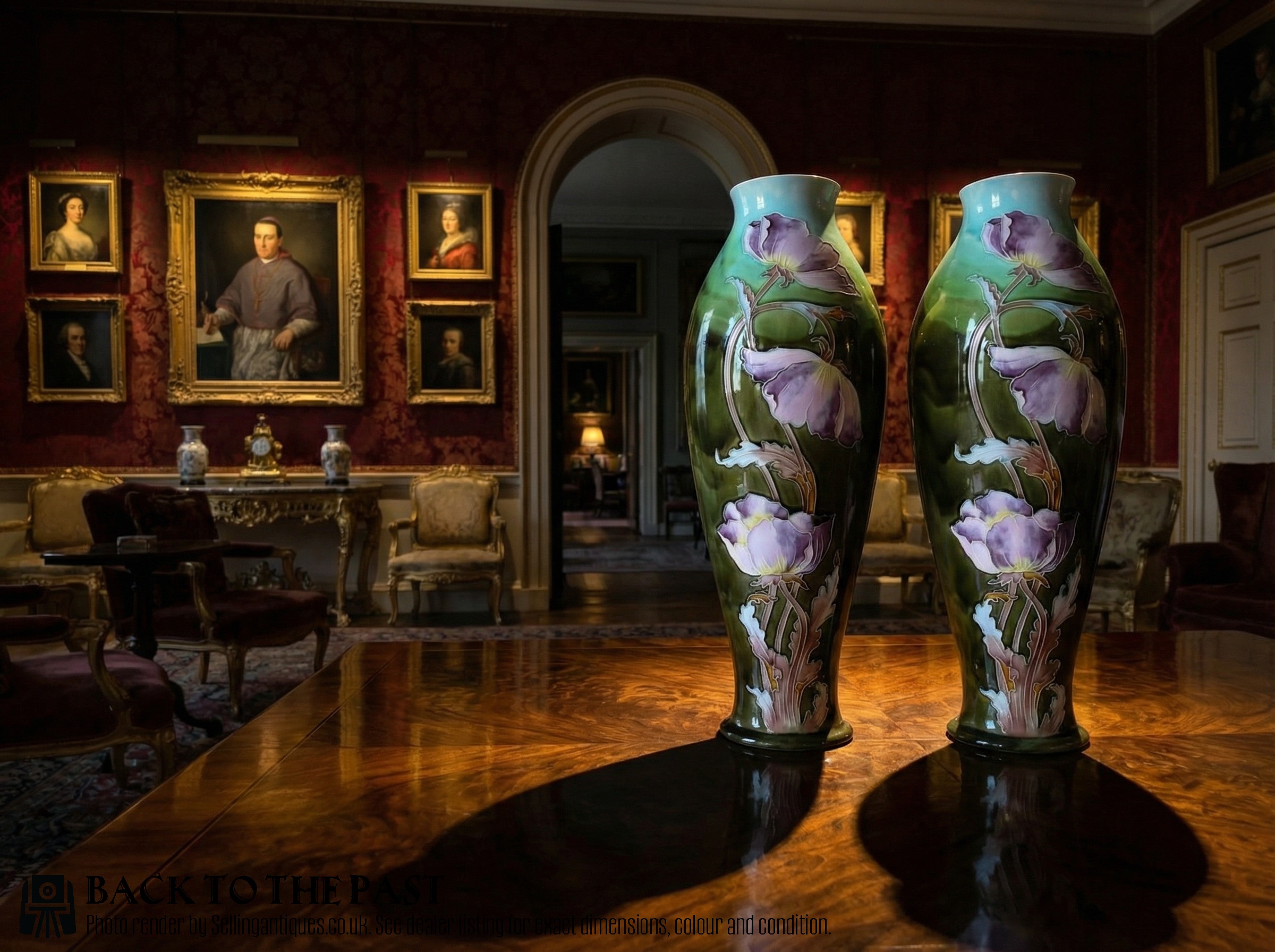
Art Nouveau Pottery
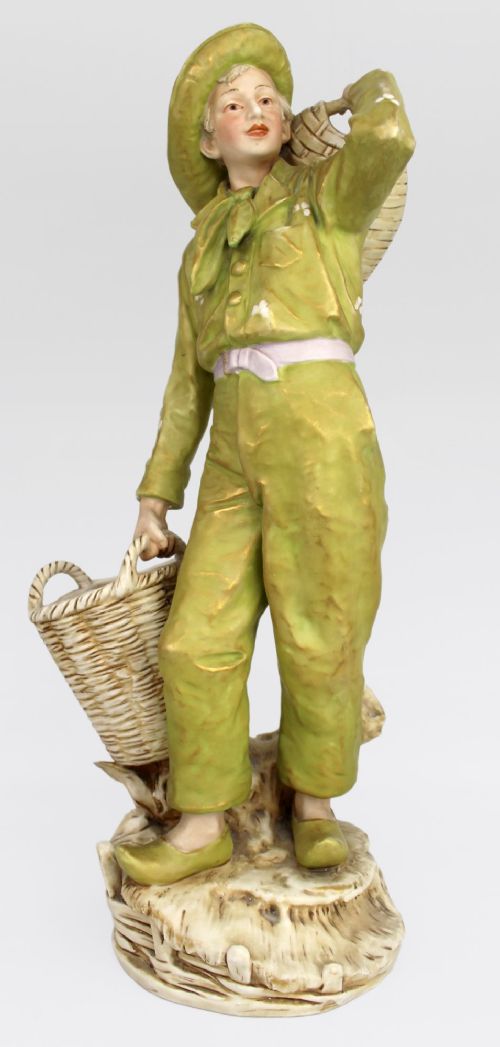
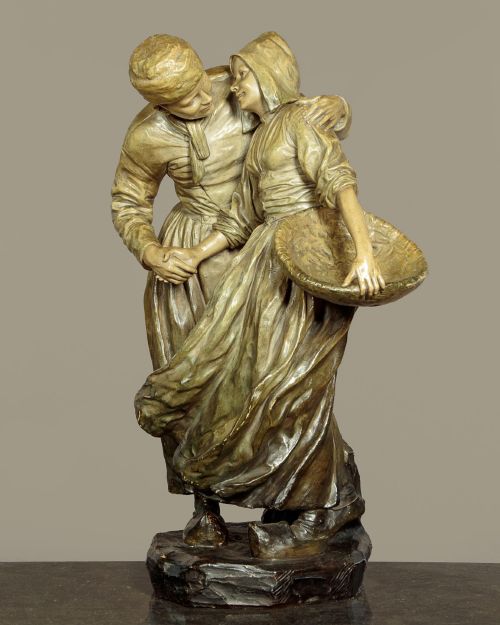
When hunting for art nouveau pottery, buyers encounter a diverse range of vessels and figures spanning the late nineteenth and early twentieth centuries. These objects primarily take the form of vases, jardinieres, bowls, and decorative figures produced across Britain and continental Europe.
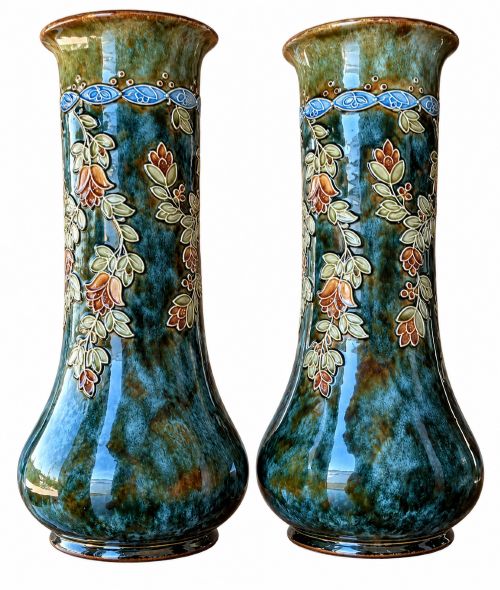
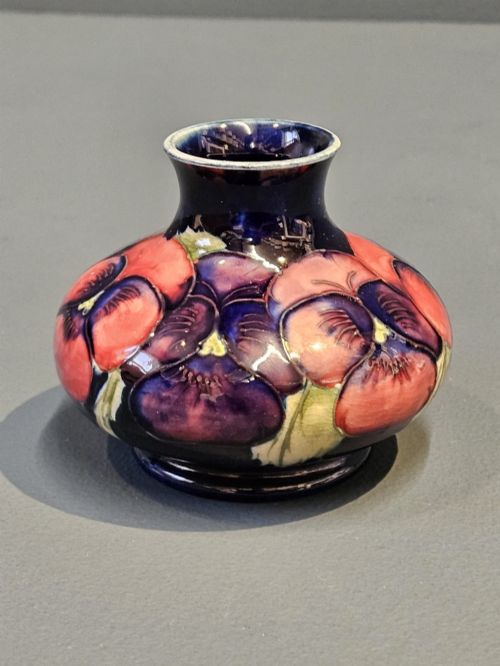
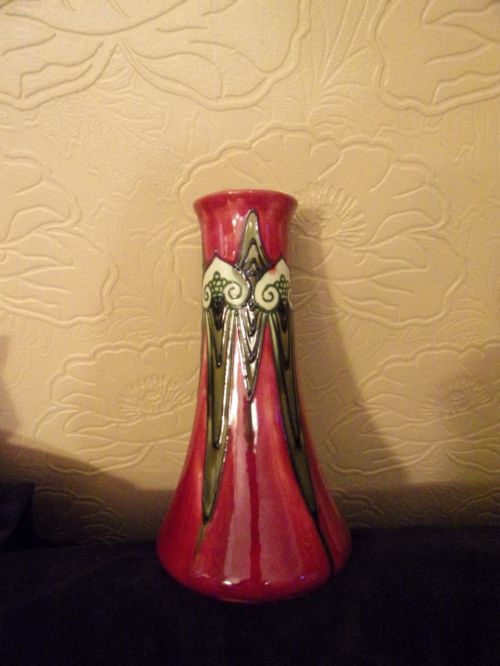
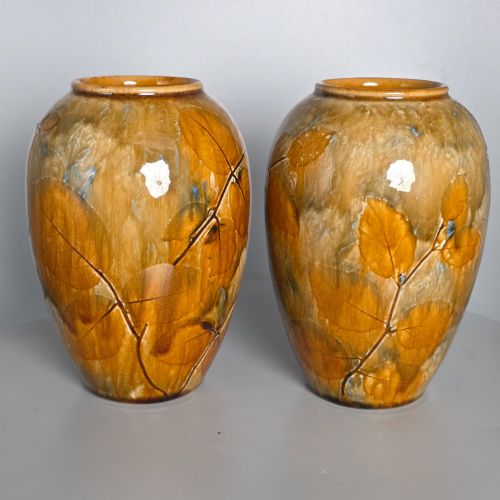
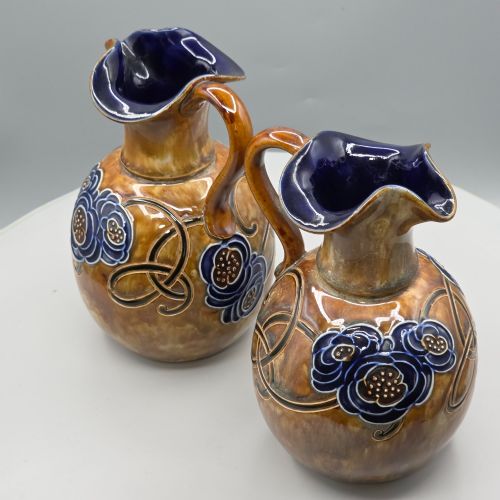
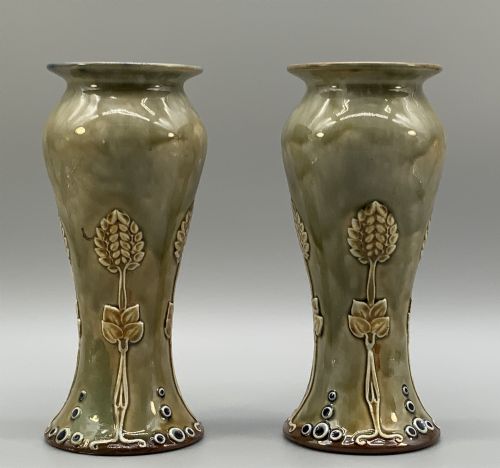
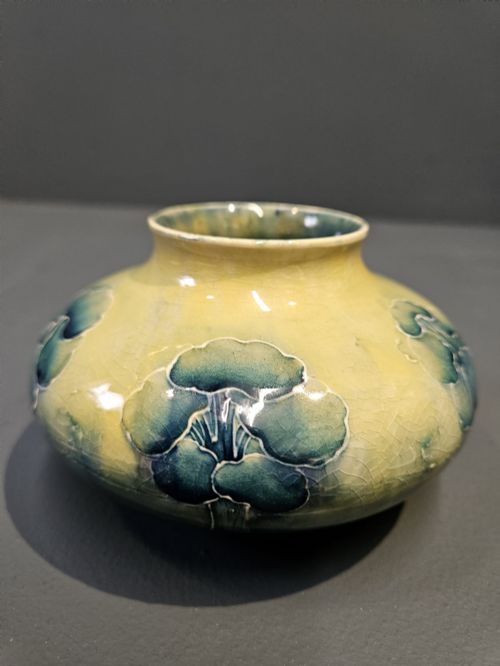
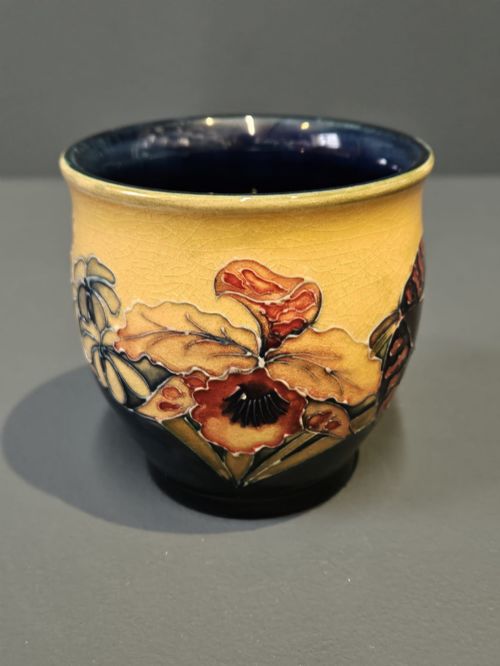
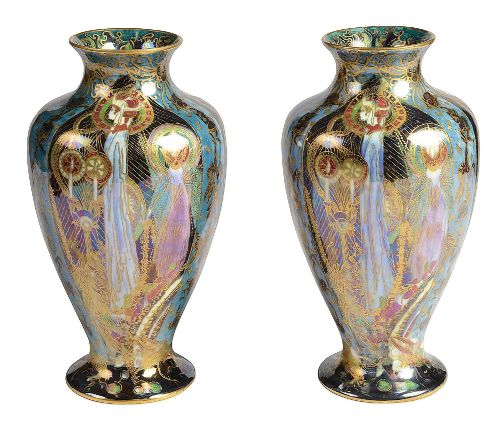
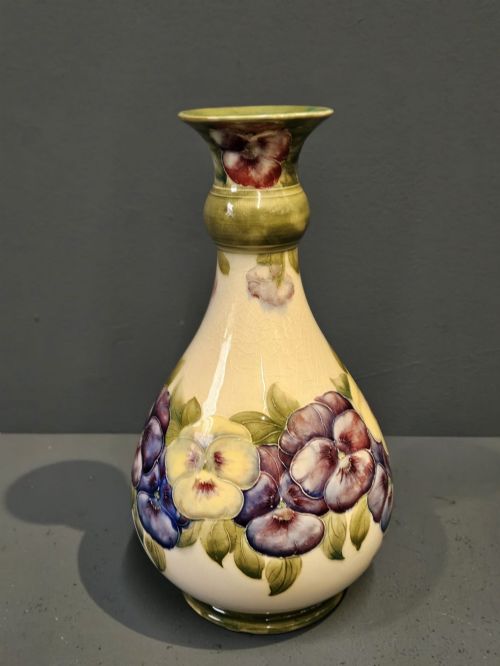
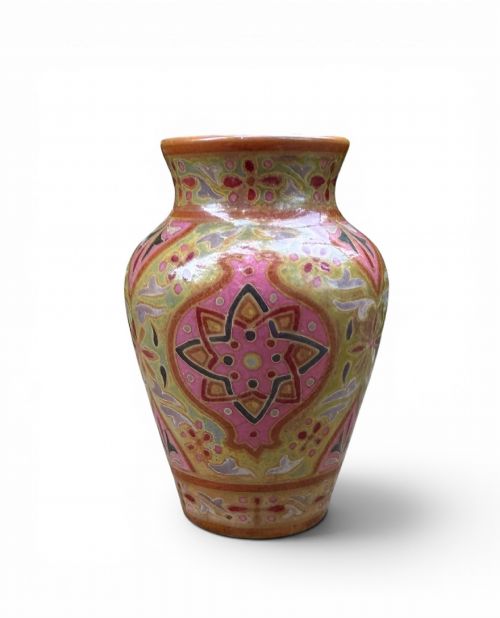
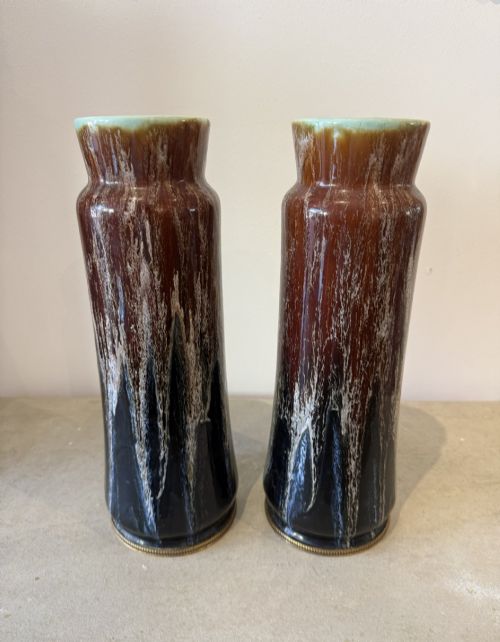
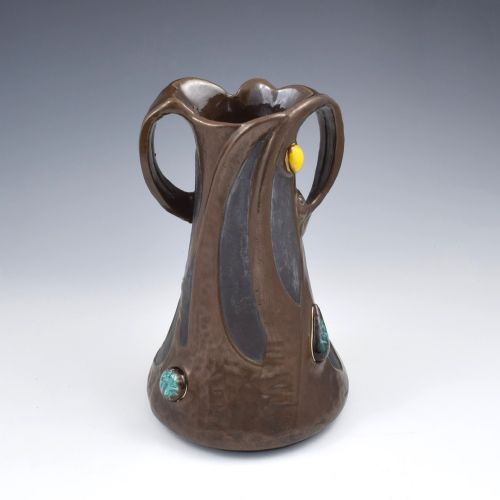
The pieces on this page lean heavily towards British stoneware and earthenware from workshops such as Royal Doulton and Moorcroft, alongside continental manufacturers like Amphora and Zsolnay. Vases dominate the selection, often bearing floral motifs, sinuous stems, or metallic lustre finishes.
Dating ranges from the late Victorian and Edwardian eras into the 1920s, showing how the aesthetic evolved from early arts and crafts experiments into fully fledged organic design. Buyers find everything from small cabinet pieces to monumental floor vases.
How they were made
Makers shaped these earthenwares and stonewars using throwing, moulding, and slip-casting techniques before applying complex glazes. Many works utilise tube-lining, a process where liquid clay is trailed across the surface to create raised outlines that contain subsequent washes of colour.
Kiln techniques determined the final character of the piece, with flambe, iridescent, and metallic lustres requiring precise atmospheric control during firing. Hand-painting and gilding frequently finished the surface, adding depth to floral and figurative subjects.
Art Nouveau Pottery Retail Price Guide 2026
Typical asking prices for art nouveau pottery among the pieces listed under this phrase on Sellingantiques today, from the lower quarter to the upper quarter. They describe what is for sale here now, not the wider market.
Several vases depict surprisingly grumpy demon faces peering out from beneath lush floral slip trails.
What varies in quality
The distinction between ordinary production ware and exceptional art pottery lies in the ambition of the design and the execution of the glaze. Master potters achieved depth through multi-layered firings and subtle shifts in tone that lesser factories could not replicate.
The clarity of hand-applied details, whether tube-lined foliage or gilded highlights, separates standard decorative items from works designed by leading artists of the period. Signature marks from notable designers and decorators add further weight to a piece's artistic standing.
Royal Doulton·Moorcroft·Goldscheider·Wedgwood·Zsolnay Pecs·Amphora
The Art Nouveau Pottery Glossary
- Stoneware
- A robust ceramic fired at high temperatures until vitrified and impervious to liquids. It often bears salt-glazes or rich metallic oxide washes.
- Lustre
- A type of ceramic glaze containing metallic salts that produce an iridescent, rainbow-like sheen upon reduction firing. Wedgwood and Zsolnay utilised this effect extensively.
- Tube-lining
- A technique of squeezing liquid clay through a nozzle to outline designs on a ceramic body before glazing. This creates raised barriers that hold distinct pools of coloured glaze.
- Jardiniere
- A large ornamental pot or stand designed to hold a live plant or floral arrangement. These frequently match the decorative motifs of contemporary table vases.
- Majolica
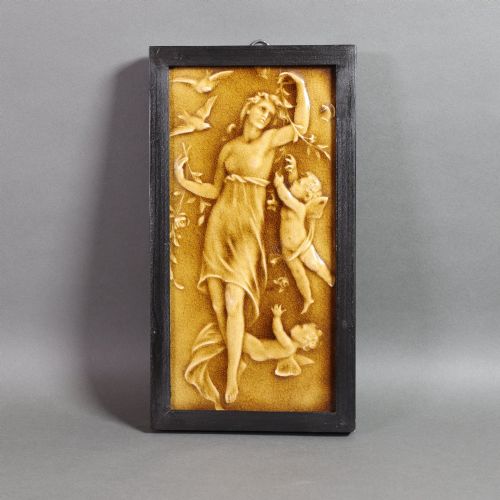
- A colourful earthenware coated with an opaque tin-lead glaze and painted with metallic oxides. It was popular for vibrant, glossy figurative and floral wares.
Art Nouveau Pottery: Frequently Asked Questions
How do I identify genuine art nouveau pottery?
Look for characteristic organic motifs, whiplash curves, and naturalistic forms combined with period manufacturing marks on the base. Signatures, impressed factory stamps, and pattern numbers help confirm the maker and era.
Examine the glaze and construction methods to ensure they match historical techniques. Genuine pieces often display hand-finished details rather than uniform modern casting.
Were these pieces used daily or displayed?
Most of these decorative vessels, jardinieres, and figures served as ornamental furnishings in middle-class and wealthy homes. Vases held fresh floral displays, while jardiniere stands housed large indoor ferns.
Some smaller items like night lights had specific domestic functions. However, the artistry involved meant many pieces functioned primarily as interior decoration.
How should I display art nouveau ceramics at home?
Place vases and bowls where natural light can catch iridescent lustres and reactive glazes. Pairing them with wooden furniture or neutral surfaces allows their complex organic colours to stand out.
Keep larger jardinieres away from heavy household traffic to protect protruding handles and delicate rims. Grouping smaller cabinet pieces together creates a focused display of period design.
What is the difference between art nouveau and arts and crafts pottery?
Arts and crafts pottery emphasises visible handcraftsmanship, simple forms, and structural honesty, often drawing inspiration from medieval traditions. Art nouveau focuses instead on dynamic, asymmetrical lines derived from the natural world.
Many British potteries crossed stylistic boundaries, producing wares that combined both movements. A piece might feature arts and crafts construction methods alongside flowing art nouveau plant motifs.