


Vintage Ceramic Bowl
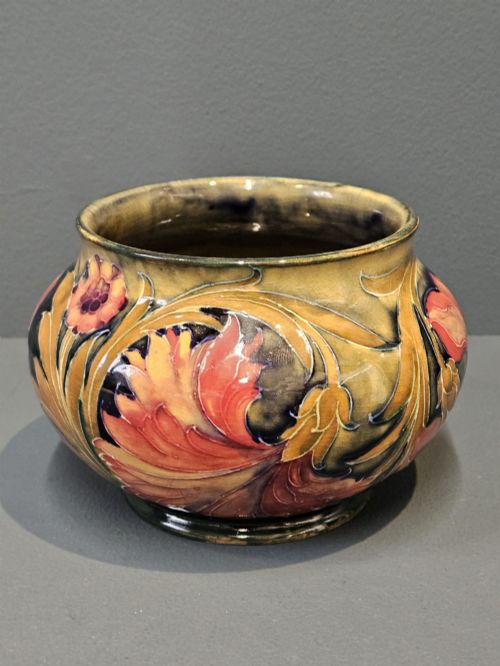
These vintage ceramic bowl selections bring together centuries of earthenware, porcelain and stoneware from diverse global kilns.
Vintage Ceramic Bowl
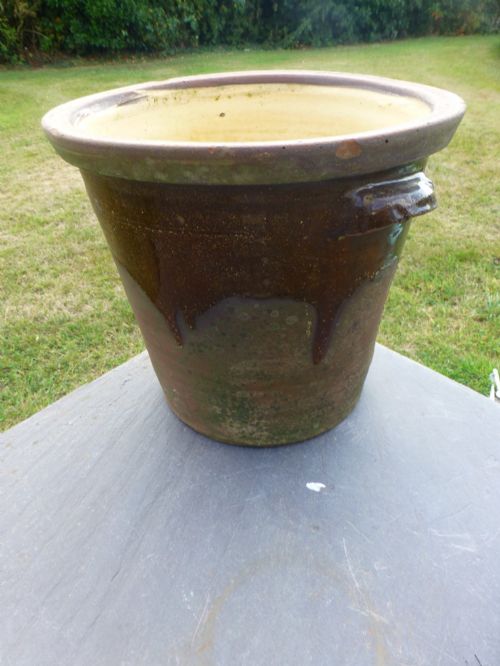
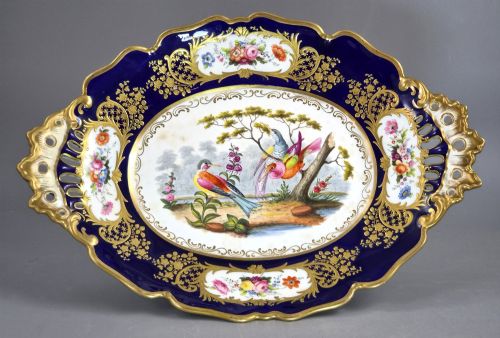
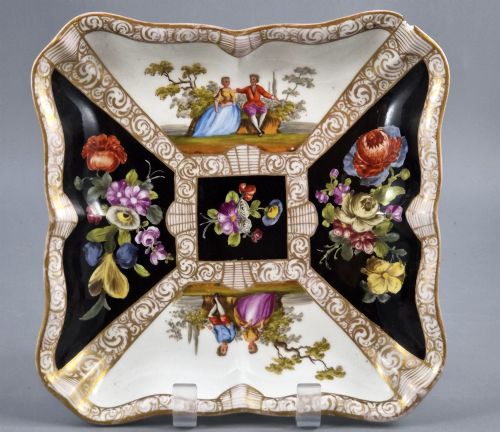
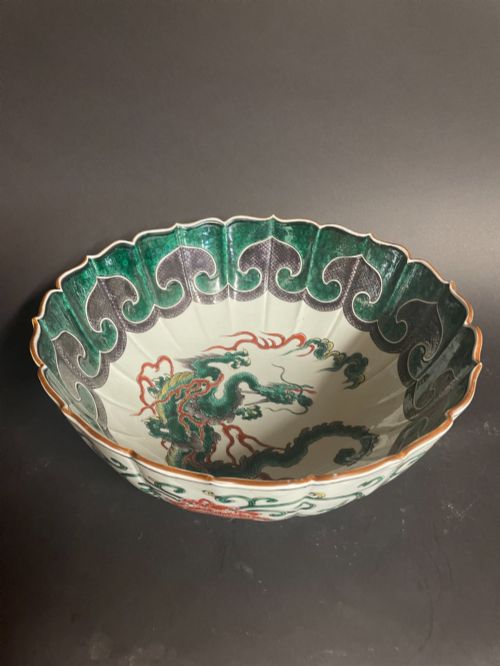
A vintage ceramic bowl encompasses everything from delicate porcelain tablewares to heavy stoneware crocks and earthenware basins.
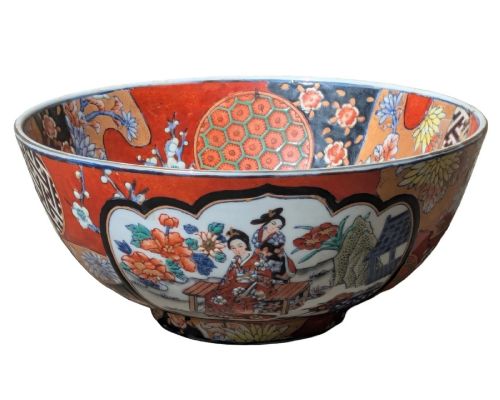
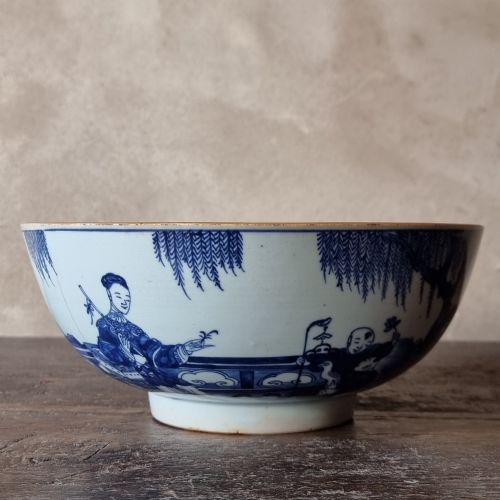
The options span 18th century Chinese punch bowls, Japanese Imari export wares and British utility pieces from the Victorian and Edwardian eras.
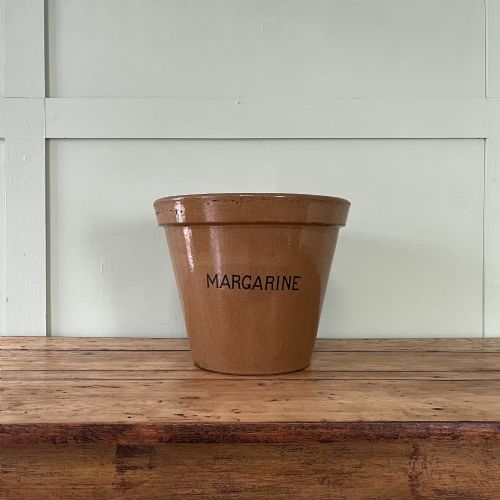
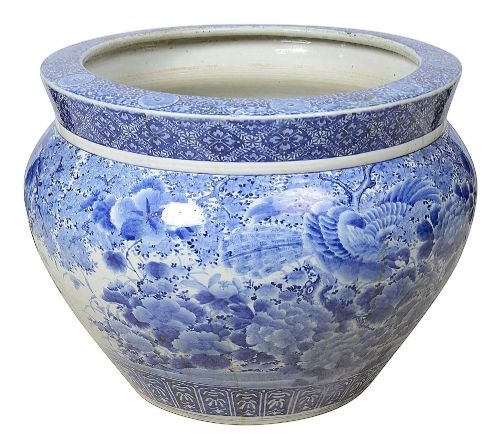
Buyers encounter utilitarian dairy crocks alongside decorative cabinet dishes and large planters spanning multiple historical periods.
How They Were Made
Potters utilised foundational materials such as clay, earthenware, terracotta, stoneware and refined porcelain bodies.
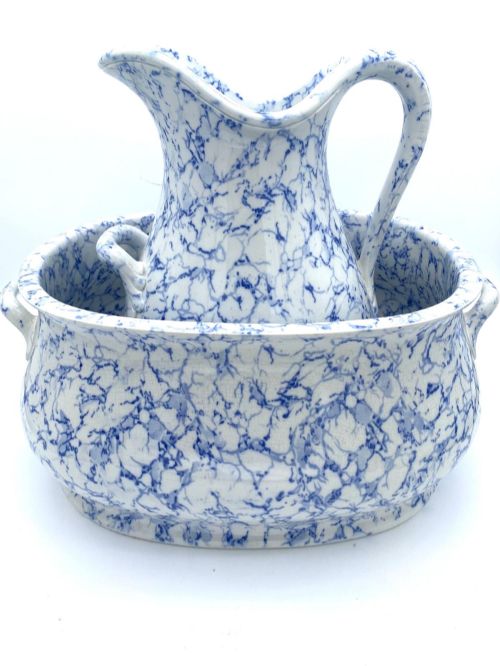
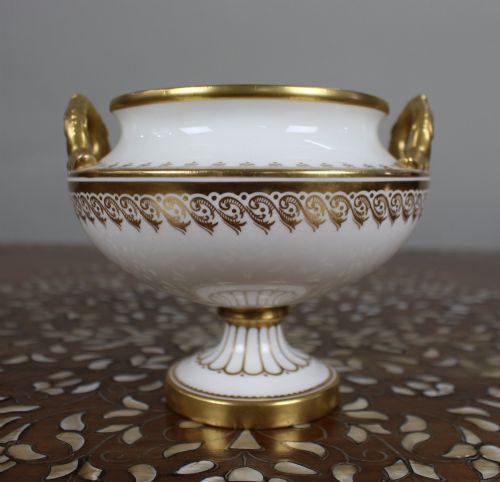
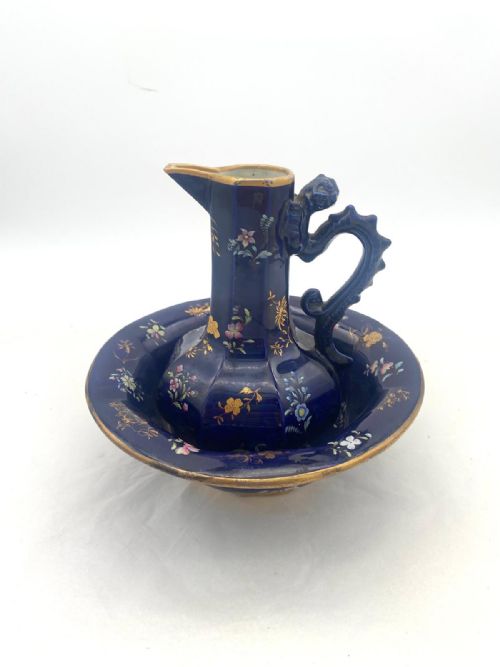
Surface decoration relied on cobalt blue underglaze, enamel painting, transfer printing, gold leaf application and rich coloured glazes.
Listings feature items spanning the 18th, 19th and early 20th centuries, executed in porcelain, earthenware and stoneware.
What Varies in Quality
Execution of hand-painted motifs and consistency in glaze firing distinguish standard utility vessels from masterworks.
The crispness of moulded relief details and the finesse of body thinning mark the divergence between basic production and high-status studio output.
Coalport·Meissen·Minton·Masons Ironstone·Wedgwood·T G Green·Spode·Rockingham
The Vintage Ceramic Bowl Glossary
- Imari
- A style of Japanese export porcelain characterised by underglaze blue and iron red, supplemented with gold.
- Ironstone
- A type of durable earthenware patented in Britain, noted for its strength and utility as tableware.
- Earthenware
- Porous pottery fired at lower temperatures, typically coated in glaze to ensure liquid retention.
- Glaze
- A glassy layer fused to ceramic bodies through firing, serving both decorative and protective functions.
Vintage Ceramic Bowl: Frequently Asked Questions
How do I date a ceramic bowl?
Dating relies on identifying maker marks, stylistic conventions of specific periods, and the composition of the paste or glaze.
Changes in manufacturing techniques across the eighteenth and nineteenth centuries also provide clear chronological clues.
Can I use these bowls for daily food service?
Many historical vessels function well for dining, though pieces featuring delicate enamels or precious metal leaf require careful hand washing.
Earlier earthenware may possess porous bodies unsuited for modern dishwasher cycles or acidic foods.
What is the difference between porcelain and stoneware?
Porcelain is vitrified, highly refined, and translucent when held to light, whereas stoneware uses coarser clay fired to a dense, non-porous state.
Stoneware typically serves utilitarian functions like storage and washing, while porcelain leans toward decorative and table use.
How should I clean an antique ceramic bowl?
Lukewarm water and mild soap suffice for most glazed surfaces, avoiding abrasive scrubbing pads that might damage historic decoration.
Crazed glazes absorb moisture readily, so immersion should be brief and drying thorough.