

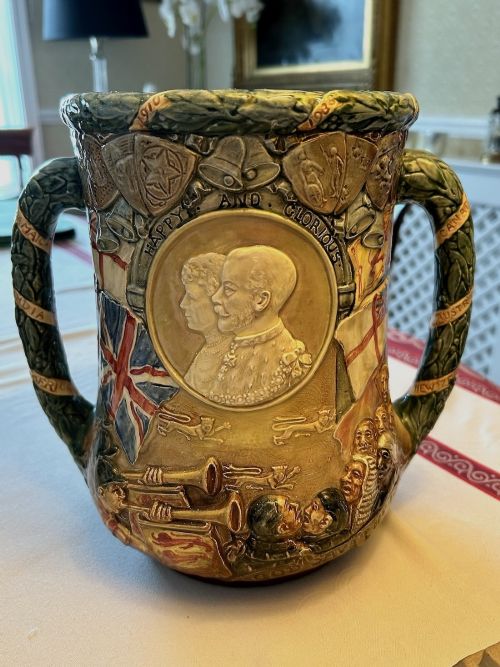


Ochre Pottery Vessel
An ochre pottery vessel brings warm, earthy tones to a room through centuries of earthenware, stoneware, and terracotta forms.
Ochre Pottery Vessel
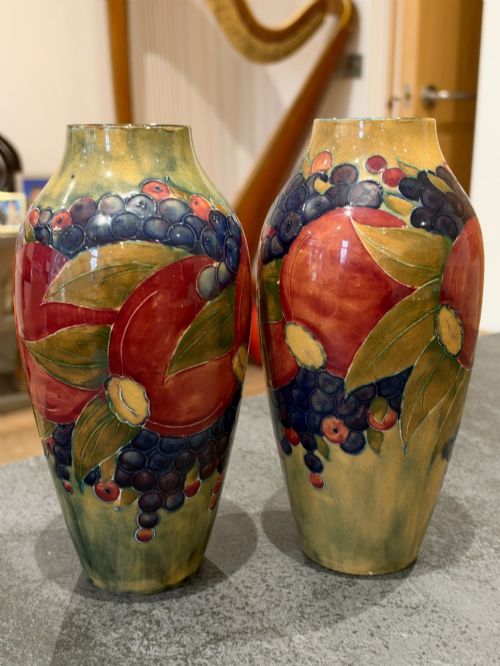
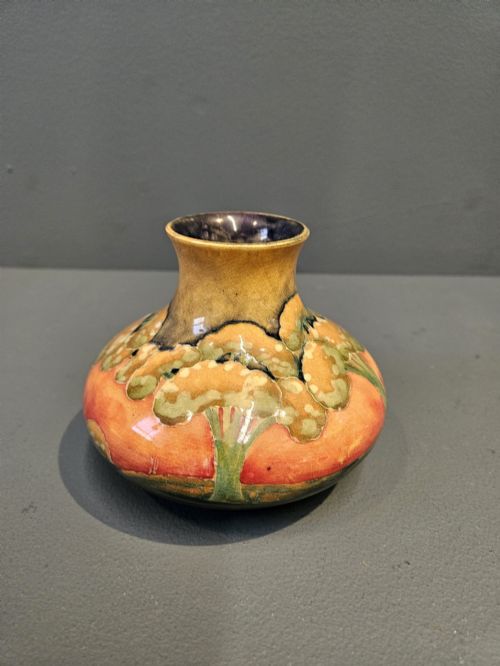
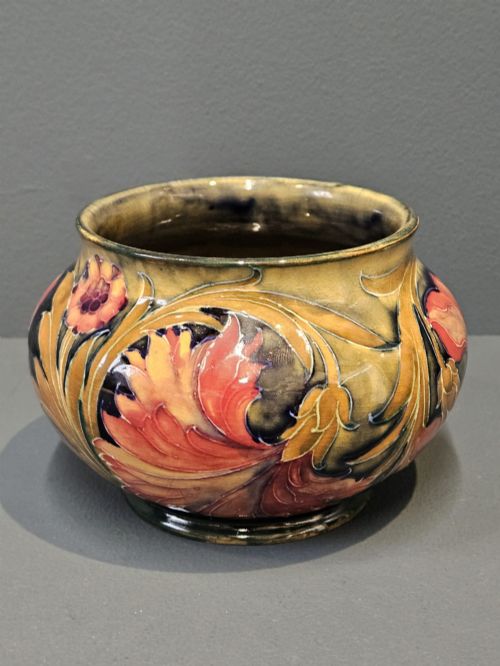
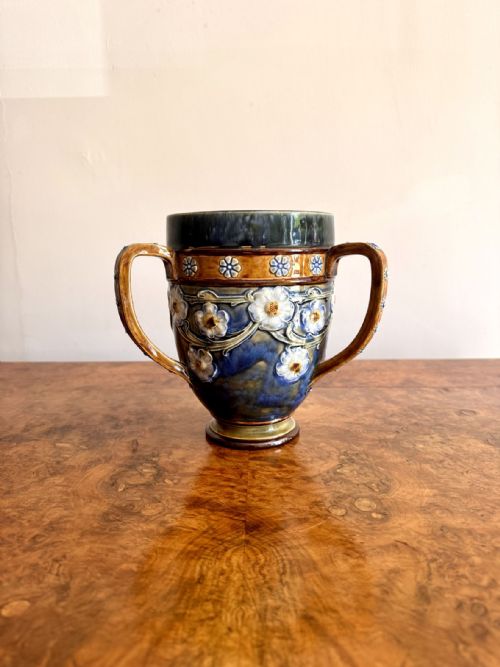
When you search for an ochre pottery vessel, you are looking at functional and decorative ceramics defined by rich yellowish-brown and golden-earth hues. These pieces span from the seventeenth century up through the art pottery movements of the early twentieth century.
The versions you are most likely to meet on this page include confit pots, tavern jugs, and decorative vases from diverse traditions such as Arts and Crafts, Art Nouveau, and French Provincial styles.
How they were made
Potters shaped these vessels using earthenware, stoneware, terracotta, and pearlware bodies, frequently applying slip and lead glazes to seal the porous clay. Specialised techniques like crystalline glazes also appear in later twentieth-century studio works.
Makers utilised traditional throwing and moulding methods to create objects ranging from utilitarian storage jars and olive jars to commemorative ceramics and tea caddies.
Ochre Pottery Vessel Retail Price Guide 2026
Typical asking prices for ochre pottery vessel among the pieces listed under this phrase on Sellingantiques today, from the lower quarter to the upper quarter. They describe what is for sale here now, not the wider market.
French confit pots were originally buried up to their necks in cellars to keep preserved duck safe through long winters.
What varies in quality
The standard of a vessel rests upon the depth of the glaze application, whether a lead glaze, slip, or crystalline finish. Superior examples display controlled fluidity in the surface finish and crispness in modelled details.
Age and regional tradition also dictate the character of the piece, with seventeenth-century Dutch slipware and Staffordshire pearlware commanding attention for their historical execution.
Moorcroft·Royal Doulton·Fulham Pottery·Ruskin Pottery
The Ochre Pottery Vessel Glossary
- Earthenware
- Porous pottery fired at relatively low temperatures. It requires a glaze to become watertight.
- Slip
- Liquefied clay applied to the pottery surface before firing for decoration or coating. It creates smooth coloured layers.
- Crystalline glaze
- A decorative surface finish where zinc silicate crystals grow during cooling. This creates star-like patterns across the vessel.
Ochre Pottery Vessel: Frequently Asked Questions
What is an ochre pottery vessel?
An ochre pottery vessel is a ceramic piece characterised by warm, earthy yellow-brown tones. These items range from utilitarian storage jars to decorative vases.
They encompass various periods, including seventeenth-century Dutch wares and early twentieth-century art pottery movements.
How do I date an old pottery vessel?
Dating relies on identifying the material, glaze type, and stylistic markers present on the piece. Earthenware and lead glazes often point to earlier centuries.
Art pottery marks, crystalline glazes, and specific stylistic eras like Arts and Crafts help pinpoint twentieth-century items.
Were these vessels used in the kitchen?
Many forms served practical daily purposes in domestic spaces. Confit pots and tavern jugs handled food and liquid storage.
Over time, robust utility wares transitioned into purely decorative objects displayed in reception rooms.
How do I care for antique pottery?
Antique pottery requires gentle handling due to the historic nature of the ceramic body and glaze. Dusting with a dry, soft cloth keeps the surface clean.
Keep pieces away from direct moisture and sudden temperature changes to protect the original finish.