





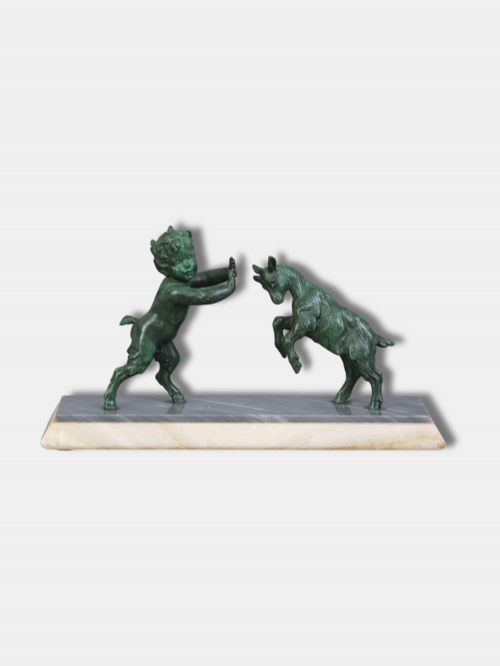
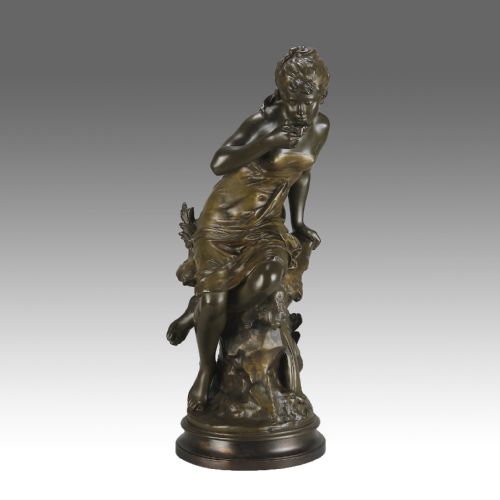
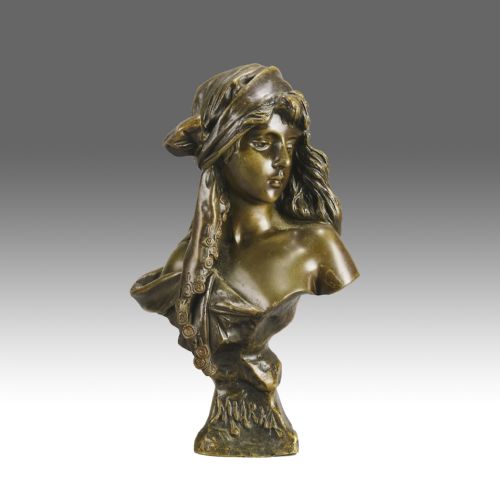
Art Nouveau Bronze
Art nouveau bronze unites the organic curves of the turn of the last century with enduring metalwork.
Art Nouveau Bronze
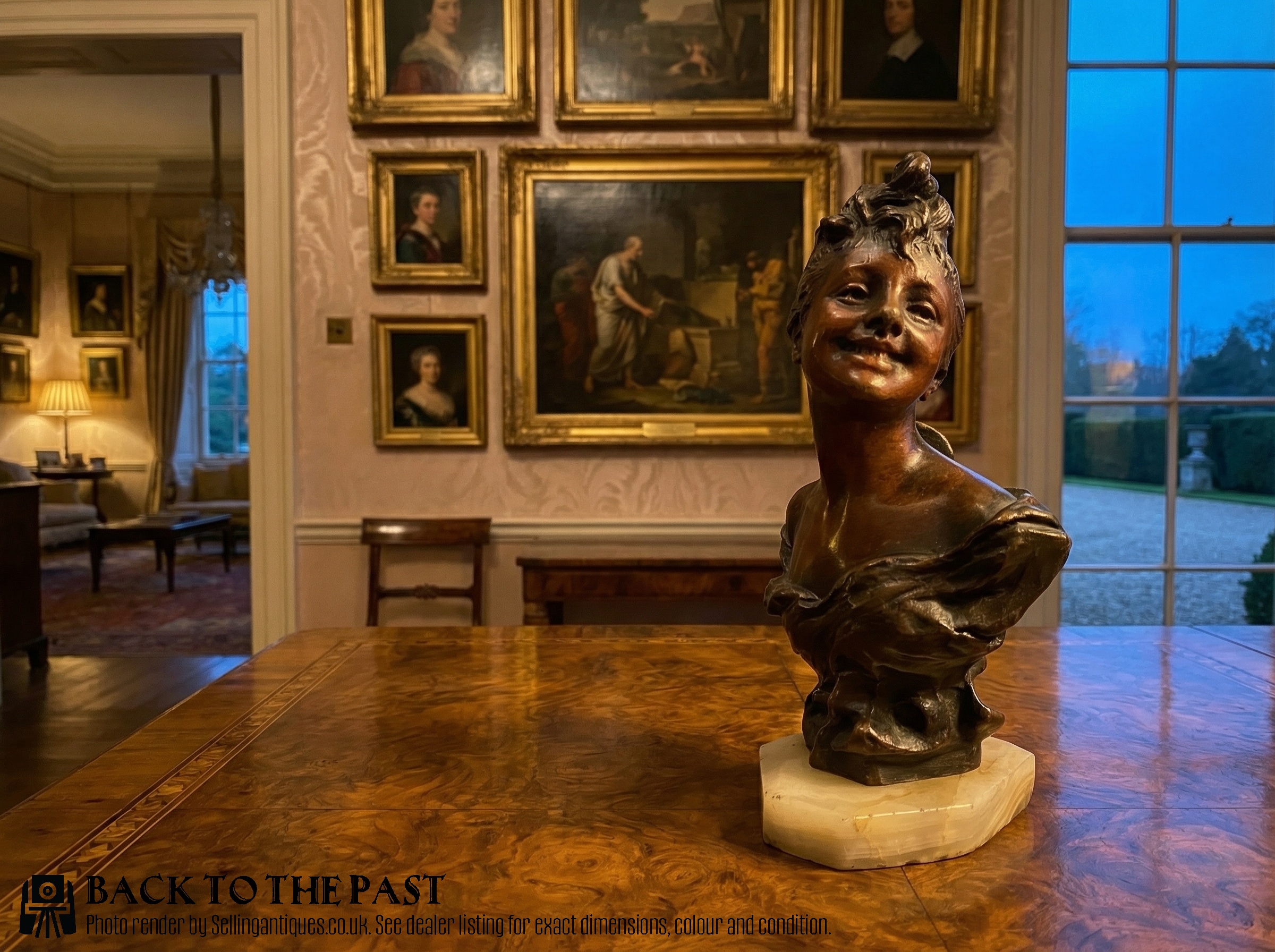
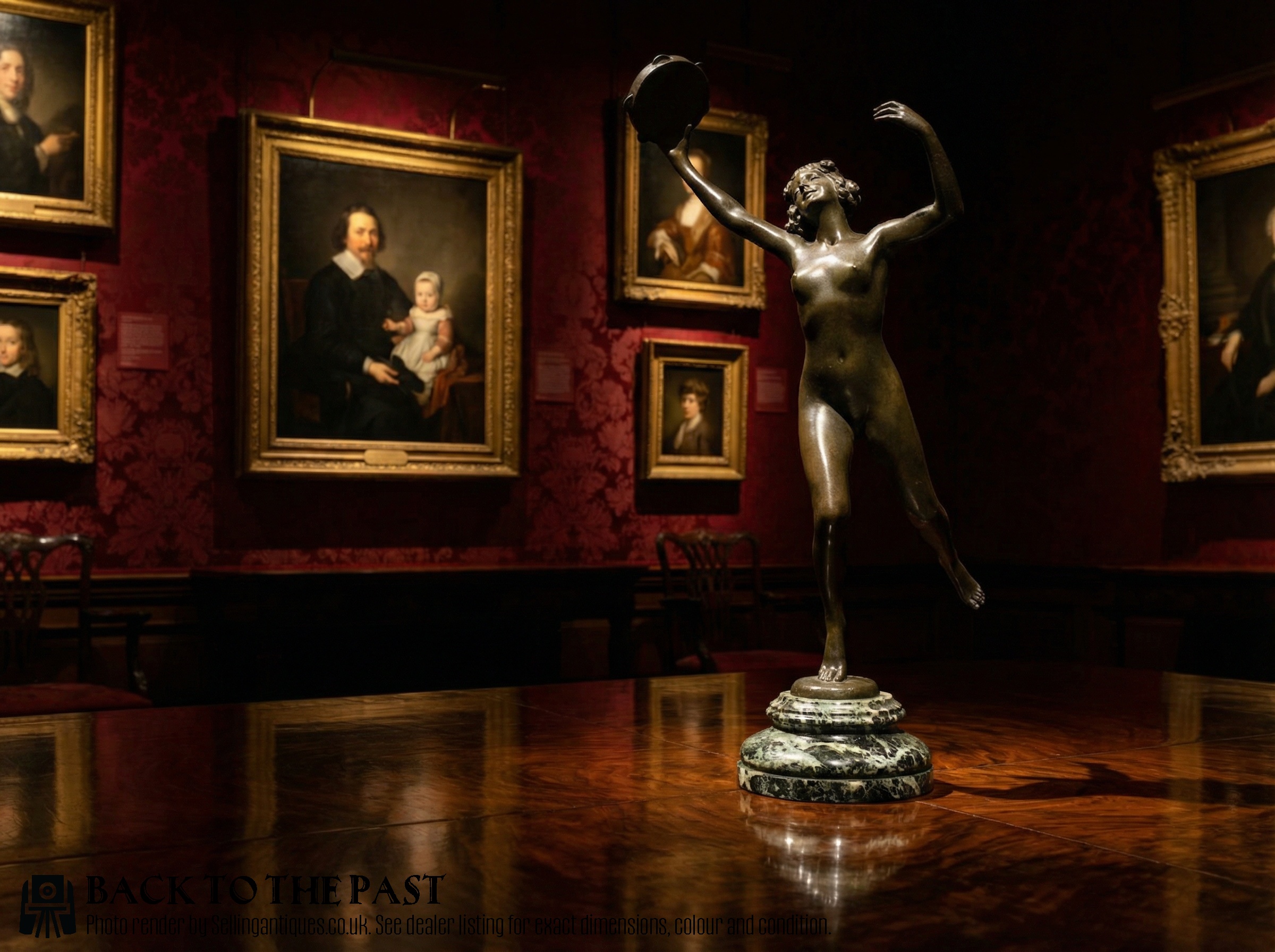
Art nouveau bronze encompasses sculptural figures, lighting, and decorative vessels produced primarily around the turn of the twentieth century. These objects capture the sinuous plant forms and flowing drapery characteristic of the aesthetic movement. The selection ranges from tabletop busts and desk accessories to large pendant chandeliers.
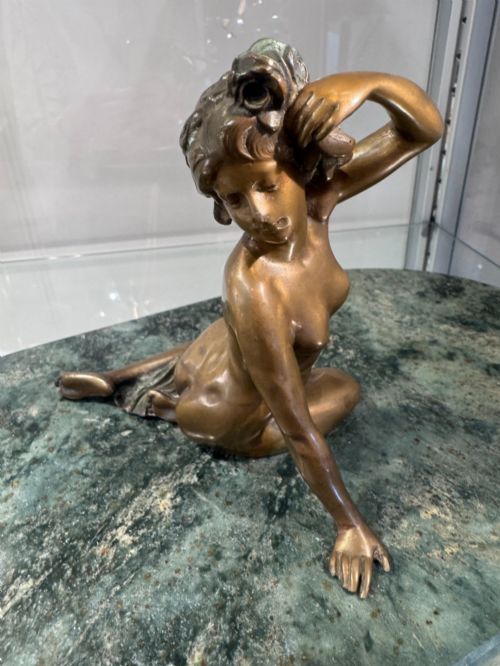
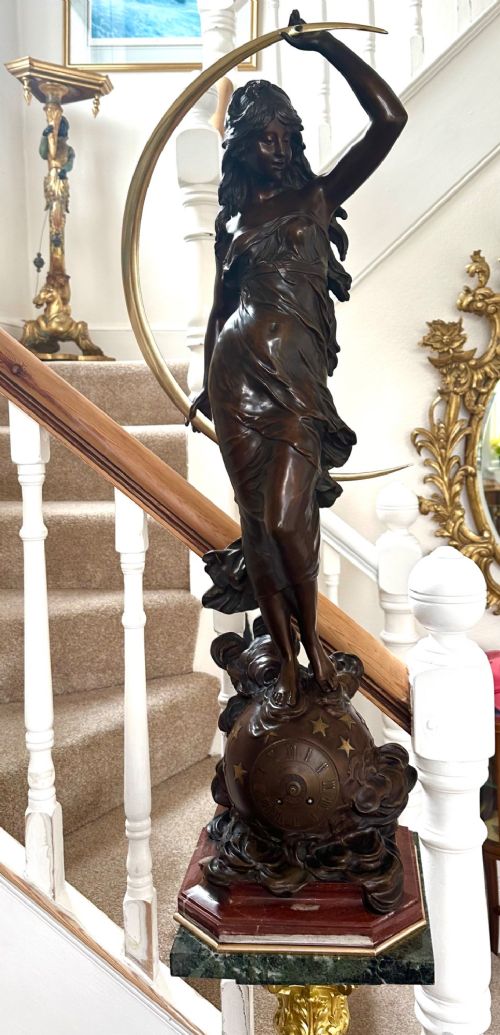
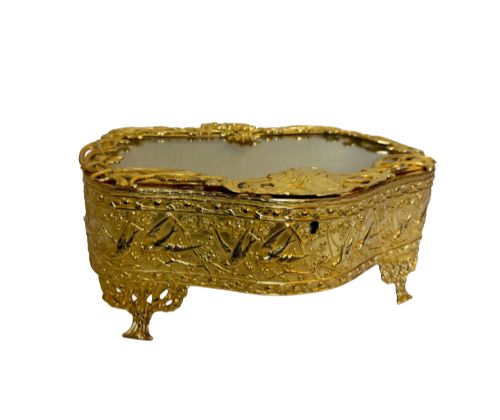
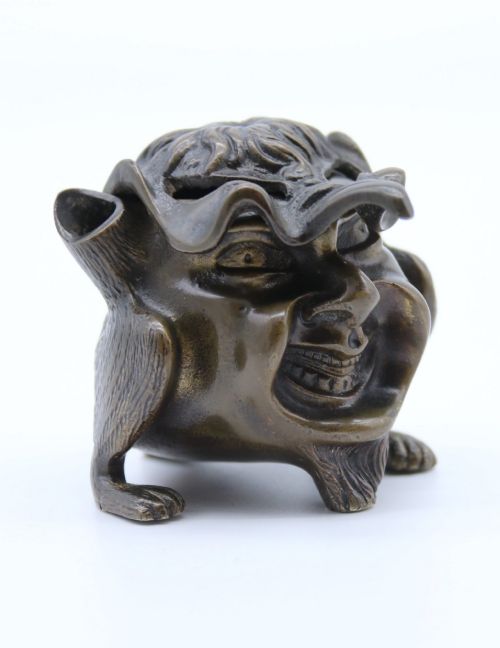
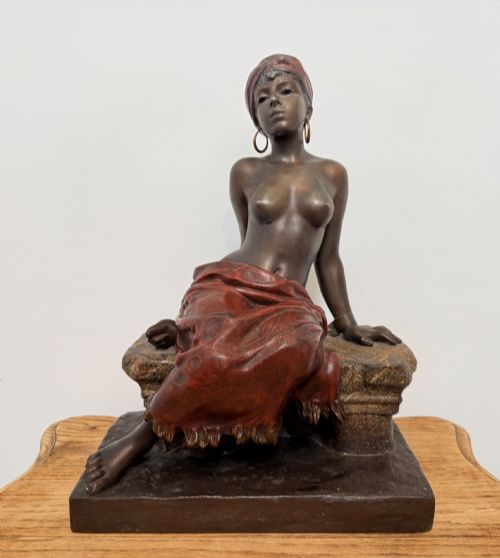
Figural sculptures of maidens, nymphs, and allegorical subjects dominate the available forms. Artists utilised the medium to render hair and botanical motifs with naturalistic fluidity. Functional items such as inkwells, lamps, and jewellery boxes also receive this decorative treatment.
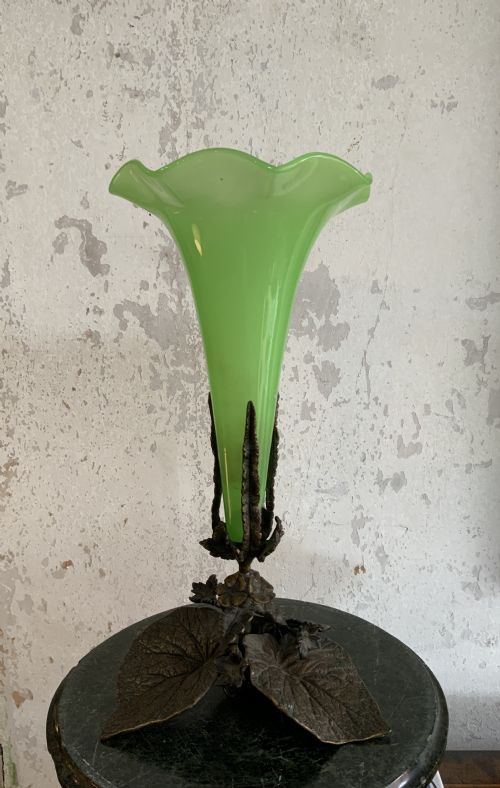
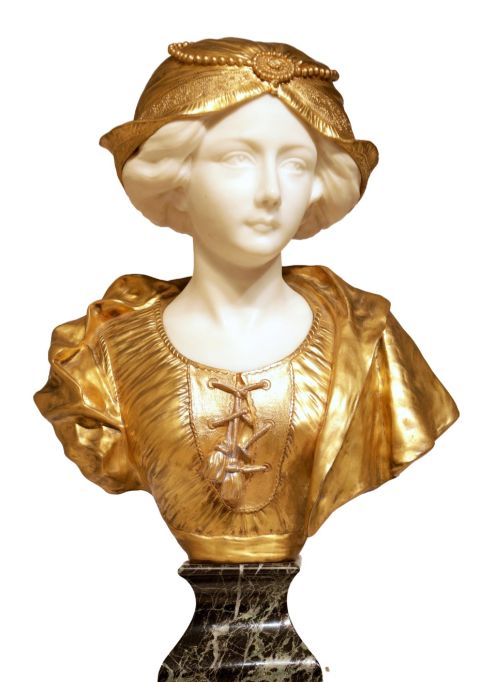
French and Austrian foundries produced the majority of these works during the late Victorian and Edwardian eras. Pieces frequently combine cast metal with secondary materials like marble bases or uranium glass shades. Collectors encounter both patinated finishes and gilt surfaces across the inventory.
How they were made
Foundries primarily employed the lost-wax casting technique to achieve intricate detail in art nouveau bronze. This method allowed artisans to render complex undercut hair, feathered wings, and delicate floral stems without losing sculptural definition. Molten metal filled the mould where the wax previously resided.
Surface treatments define the visual character of these items through chemical patination or mercury gilding. Workers applied acids to heat-treated metal to generate deep brown, green, or black patinas. Cold-painted enamel colours and contrasting marble plinths were added during final assembly.
Art Nouveau Bronze Retail Price Guide 2026
Typical asking prices for art nouveau bronze among the pieces listed under this phrase on Sellingantiques today, from the lower quarter to the upper quarter. They describe what is for sale here now, not the wider market.
A refugee monkey family in America sits immortalised in an unexpected terracotta relief plaque.
What varies in quality
The integration of mixed media reveals the ambition of the piece. High-tier works pair cast metal with hand-blown iridescent glass, carved alabaster, or variegated marble bases tailored specifically to the sculpture. Maker signatures and foundry stamps further separate standard production items from masterworks.
Rudolf Küchler·Moreau Family·Hans Müller·E Villanis·Affortunato Gory·Emile Carlier·Mathurin Moreau·Henri Godet·Loetz·Georges Van Der Straeten·Edouard Drouot·Friedrich Goldscheider·Georges-Charles Coudray·Auguste Moreau·Georges Leleu·F&C Osler·George Minne·Abel Landry·Eugene Delaplanche·Palme Konig·Hans Stoltenberg Lerche·Alfred Jean Foretay·Charles Schneider·Max Klein·Gotthilf Jaeger
The Art Nouveau Bronze Glossary
- Patinated bronze
- Metal treated with chemical solutions to produce an aged surface colour rather than relying on bare polished alloy. This coating protects the underlying material while enhancing shadow depth.
- Gilt bronze
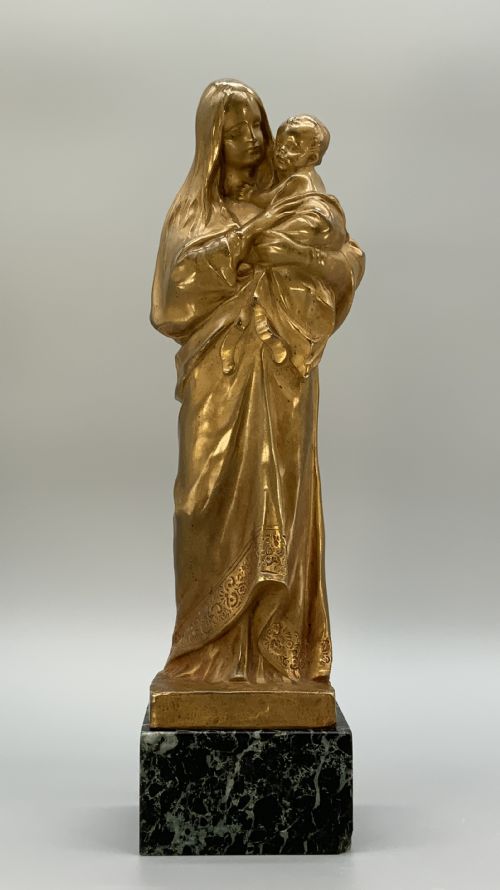
- Metal coated with a thin layer of gold using fire gilding or electroplating methods. The technique yields a brilliant yellow sheen that resists tarnishing over decades.
- Spelter
- A zinc alloy frequently utilised as a less expensive substitute for true copper-tin bronze. It accepts bronze-look finishes but exhibits a lighter weight and softer structural integrity.
- Cold-painted
- Pigment applied to metal after casting and finishing, usually without subsequent high-temperature firing. This technique appears frequently on Austrian figural work and delicate decorative items.
- Uranium glass
- Glass compounded with trace uranium dioxide to produce a distinctive fluorescent green glow under ultraviolet light. Makers combined this material with metal mounts for lamps and epergnes.
Art Nouveau Bronze: Frequently Asked Questions
How do I identify a genuine period casting?
Examine the weight, chisel marks, and foundry stamps on the base. Period pieces exhibit crisp hand-chising in concealed areas where the metal was cleaned after casting.
Inspect the patina for natural wear patterns rather than uniform modern spray coatings. Signatures of known sculptors often appear directly in the casting matrix.
What is the difference between bronze and spelter?
Bronze consists of a copper and tin alloy that provides substantial weight and strength. Spelter uses a softer zinc base that feels lighter in the hand.
Look at the underside of the piece where the bare metal remains exposed. Spelter typically shows a greyish-white core beneath surface finishes.
How should I clean my antique metalwork?
Dust surfaces gently with a soft dry brush to prevent accumulation in crevices. Avoid commercial metal polishes that strip historical patinas.
Apply microcrystalline wax sparingly if the dry surface requires protection. Consult a professional restorer before attempting any aggressive cleaning.
Why do some items feature glass elements?
Art nouveau designers favoured the interplay between heavy metallic forms and translucent glass. Makers integrated iridescent, frosted, or uranium glass into lamp shades and vessels.
This combination mirrored natural structures like flower petals held by stems. The glass components were often produced by specialised glasshouses for the bronze foundries.