

Art Nouveau Art Glass
Art nouveau art glass brings fluid organic lines into interiors through iridescent, cameo and hand-blown forms.

Understanding art nouveau art glass
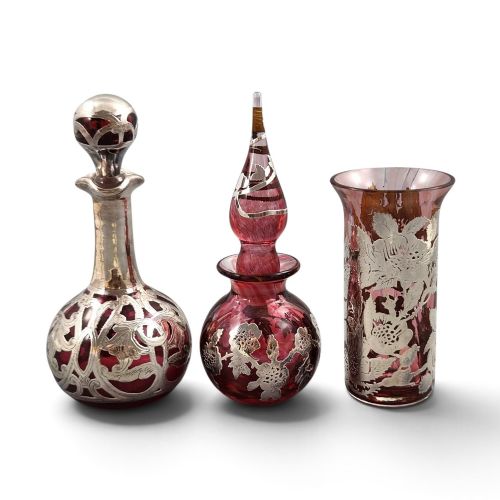
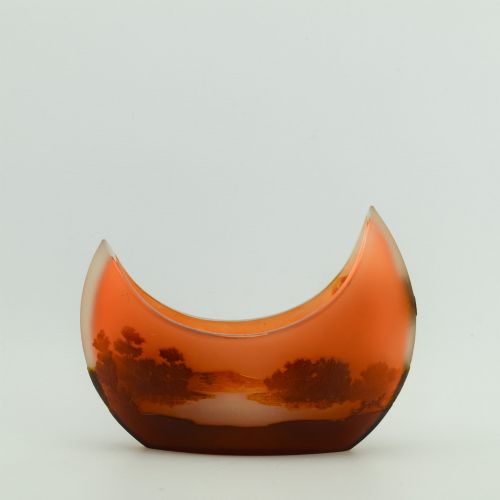
Art nouveau art glass encompasses vases, scent bottles, decanters and decorative vessels shaped by the fluid, organic aesthetic of the turn of the twentieth century. These pieces translate natural forms such as flowers, stems and aquatic motifs into sculptural glass objects.
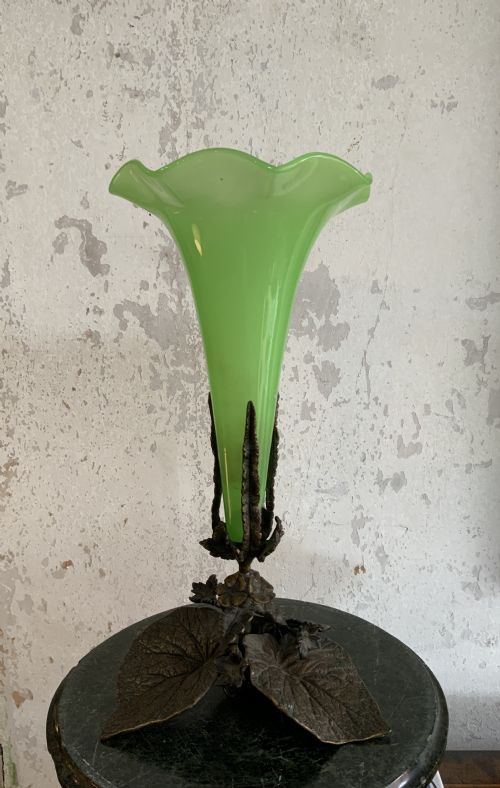
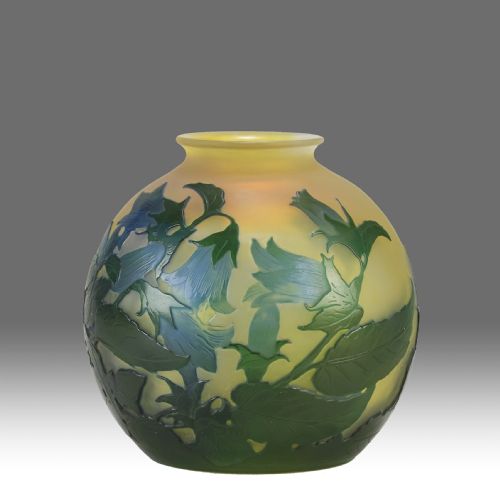
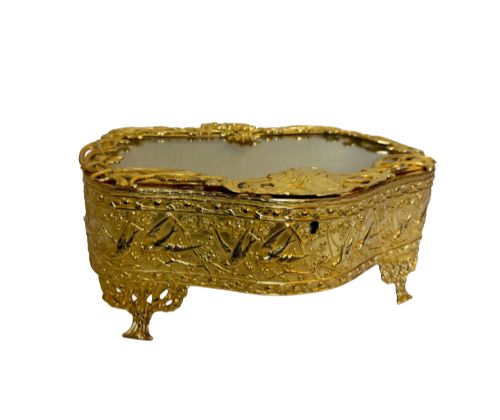
Vases dominate the selections available, appearing alongside decanters, scent bottles and small trinket boxes. Collectors encounter a variety of forms ranging from tall trumpet shapes to rounded vessels with intricate surface treatments.
The objects stem predominantly from the period around nineteen hundred, reflecting the height of the style across European workshops. Austrian, French and Bohemian makers heavily influence the range of available pieces.
Assessing quality
Quality rests in the precision of the execution, from the depth of the cameo layers to the subtlety of the iridescent sheen. Superior examples display controlled handling of heat and chemical treatments that produce complex, shifting colours across the surface.
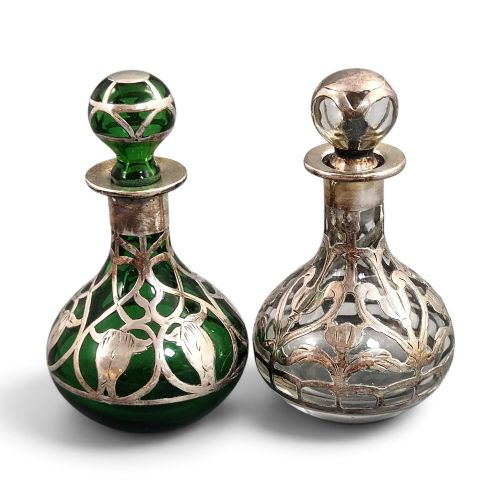
The integration of metalwork also dictates the standard of the piece, where fine silver or bronze mounts fit the glass contours precisely rather than acting as a simple addition.
Retail Price Guide 2026
Typical UK retail prices for art nouveau art glass, calculated from the Sellingantiques database of over a million retail prices indexed since 2003. This retail price guide relies exclusively on Sellingantiques data; no external sources or auction records are used, so the figures do not describe the wider market.
Listings feature items primarily from nineteen hundred and nineteen ten, utilising materials such as iridescent glass, cameo glass and sterling silver.
Loetz Witwe·Daum Nancy·Kralik·Alvin Corp·Josephinenhutte
The Art Nouveau Art Glass Glossary
- Cameo glass
- Glass formed with multiple layers of different colours where portions of the outer layers are carved away to create raised designs. This technique requires considerable skill to maintain consistent depth and contrast.
- Iridescent glass
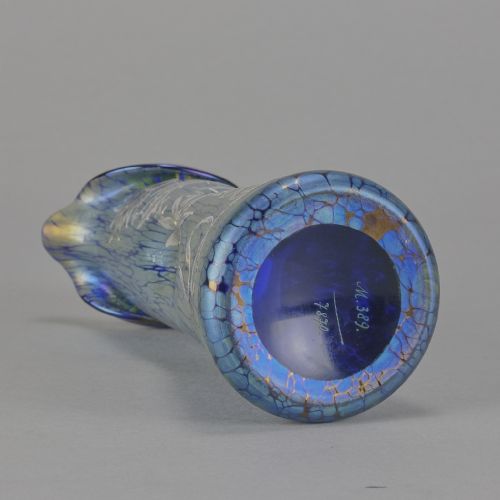
- Glass treated with metallic salts while hot to produce a shimmering, rainbow-like surface effect. It mimics natural phenomena such as the sheen on oil or insect wings.
- Acid-etched glass
- Glass decorated by applying acid to eat away exposed areas, creating frosted or textured patterns. This method allows for precise control over intricate surface details.
- Silver overlay
- Sterling silver applied directly to the glass surface in decorative patterns, often fixed through chemical and mechanical bonding. It provides a metallic contrast to the translucent body.
- Hand-blown glass
- Glass shaped by inflating molten metal through a blowpipe, resulting in organic irregularities and individual character. Each vessel bears the subtle marks of the maker's breath and tools.
Frequently Asked Questions
What is art nouveau art glass?
Art nouveau art glass consists of decorative vessels and objects created during the late nineteenth and early twentieth centuries. These pieces reflect natural motifs through specialised glass-blowing and chemical treatments.
Items typically include vases, scent bottles and decanters featuring organic shapes and iridescent or cameo surfaces.
What causes the iridescent shine?
The iridescent shine results from applying metallic salts to the molten glass during the blowing process. Heat causes the compounds to react and form a microscopic metallic film.
This film refracts light to produce the characteristic rainbow-like sheen seen on many period pieces.
How should I display these pieces?
Display these vessels in spaces with adequate natural light to highlight their translucency, iridescent sheens and layered colours. Placing them near windows or illuminated shelving enhances the visual depth of the glass.
Keep pieces away from direct heat sources and areas prone to accidental knocks to protect the delicate surfaces and silver mounts.