


Art Deco Vanity Tray
These art deco vanity tray pieces bring period glamour to a dressing table, combining mirrored surfaces and metalwork from the early twentieth century.
Art Deco Vanity Tray
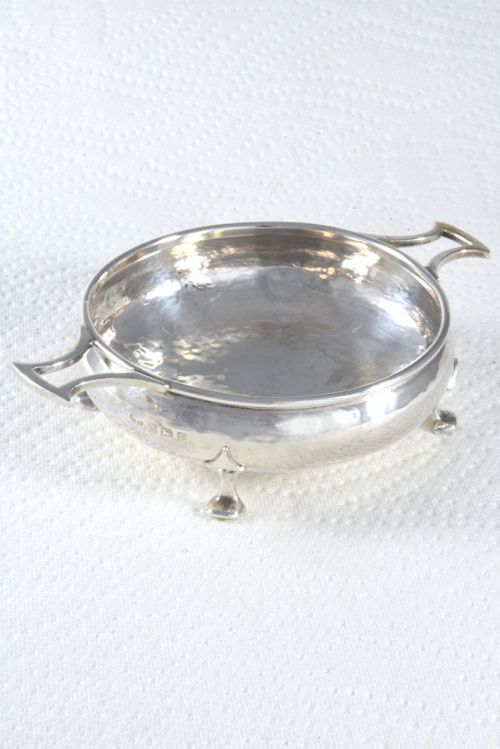
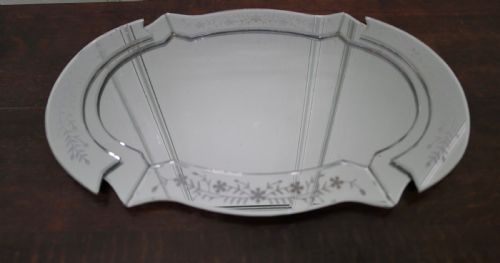
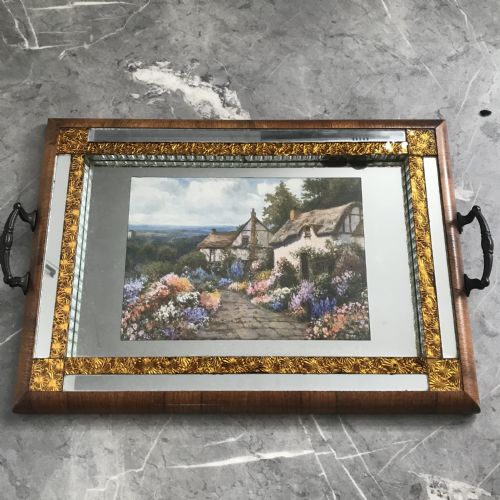
When you search for an art deco vanity tray, you encounter an array of mirrored glass, silver plate, and polished metal accessories designed for the dressing table or sideboard. These items range from small pin dishes and trinket trays to larger cocktail trays and mirror plateaus intended for display.
The versions you meet most frequently on this page date from the nineteen-twenties and nineteen-thirties, capturing the distinctive geometric and modernist aesthetic of the period. Alongside traditional mirrored glass, the selection includes pieces incorporating walnut veneer, copper handles, and guilloche enamel.
Origins span across Britain, France, and Belgium, reflecting a broad European appetite for stylish dressing table accessories during the George V era. Makers and studios of the time utilised materials like sterling silver, EPNS, and spelter to create functional yet decorative items for daily use.
How they were made
The construction of an art deco vanity tray relies heavily on the combination of reflective glass and supportive metal frameworks. Craftsmen secured mirror plate and cut glass within frames of chrome, silver plate, or sterling silver, frequently adding handles in copper or contrasting metals.
Wooden elements appear through the use of walnut veneer and ebonised bases, providing a warm textural contrast to the cold gleam of the glass. Surface decoration often involved etching the mirror plate or applying coloured enamel, such as guilloche work, directly onto the metal components.
Art Deco Vanity Tray Retail Price Guide 2026
Typical asking prices for art deco vanity tray among the pieces listed under this phrase on Sellingantiques today, from the lower quarter to the upper quarter. They describe what is for sale here now, not the wider market.
What varies in quality
Quality in these pieces is dictated by the crispness of the metalwork and the preservation of the reflective mirror plate. Superior examples display clean lines, securely fitted handles, and minimal silver loss behind the glass.
The choice of materials also divides the range, with sterling silver and detailed enamel work representing a higher tier of production compared to standard silver-plated or base metal alternatives.
René Lalique·Wemyss
The Art Deco Vanity Tray Glossary
- Mirror plateau
- A mirrored tray or base used originally to display glassware, decanters, or perfume bottles on a table or sideboard. These items reflect light upwards through the objects placed upon them.
- Guilloche enamel
- A decorative technique where a precise, repetitive pattern is mechanically engraved beneath a translucent layer of enamel. This process creates a shimmering, geometric depth popular in twentieth-century luxury accessories.
- EPNS
- Electroplated Nickel Silver, a common base metal method used for silver-plating tableware and decorative trays during the period. It provided an accessible route to the appearance of solid silver.
- Spelter
- An alloy of zinc and other metals frequently cast into decorative figures or trays during the early twentieth century. It was often painted or bronzed to imitate more expensive metals.
- Venetian glass
- Glassware originating from the Venetian islands, known for delicate cutting, etching, and mirror work. Pieces often feature intricate floral or geometric motifs.
Art Deco Vanity Tray: Frequently Asked Questions
What is an art deco vanity tray used for?
These items served as dressing table organisers for perfumes, trinkets, and cosmetics, or as small serving trays for drinks and cocktails.
Today, they function well as decorative display bases on sideboards, coffee tables, or dressing chests.
How do I clean a mirrored glass tray?
Clean the glass surface gently with a soft cloth and a mild glass cleaner, avoiding harsh chemicals that might seep behind the mirror plate.
Take care around the edges and metal frames to prevent moisture from damaging the silver backing or wooden veneers.
How can I tell a nineteen-twenties tray from a thirties one?
Nineteen-twenties pieces often retain echoes of earlier George V elegance, sometimes featuring delicate etching or floral motifs alongside emerging geometric lines.
Trays from the nineteen-thirties lean further into modernist abstraction, employing starker angles, frameless designs, and contrasting materials like walnut or copper.