



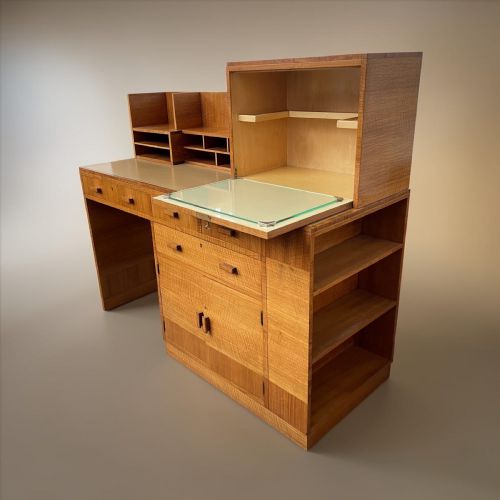
Art Deco Study Desk
These art deco study desk examples bring striking 1930s style and practical workspace into a room.
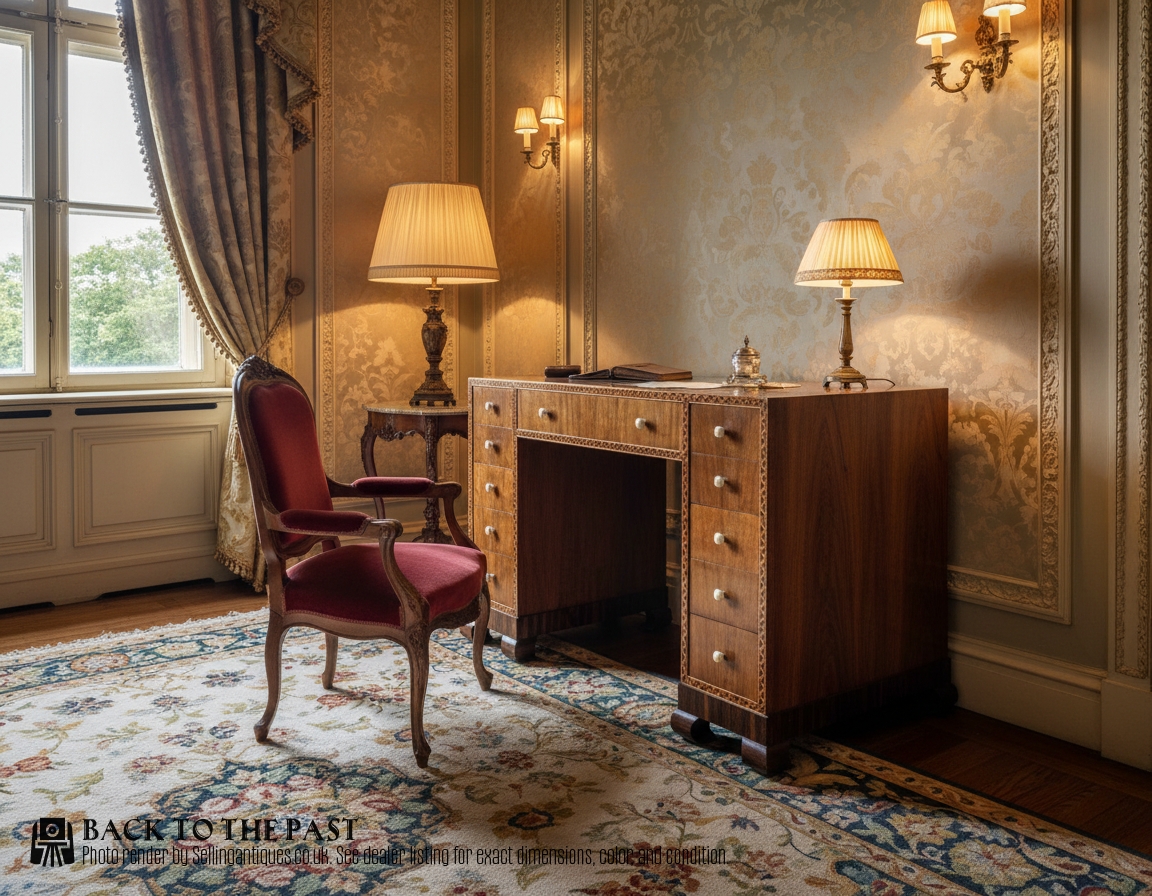
What an art deco study desk is
An art deco study desk serves as a functional workspace defined by the distinct geometric lines and rich materials of the 1930s. Buyers searching for an art deco study desk seek a statement piece that anchors a home office or library with period character.
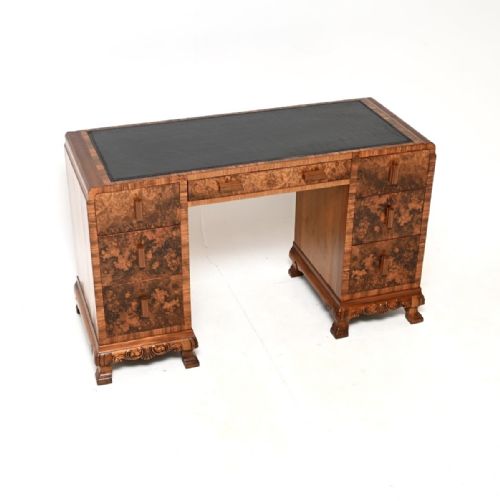
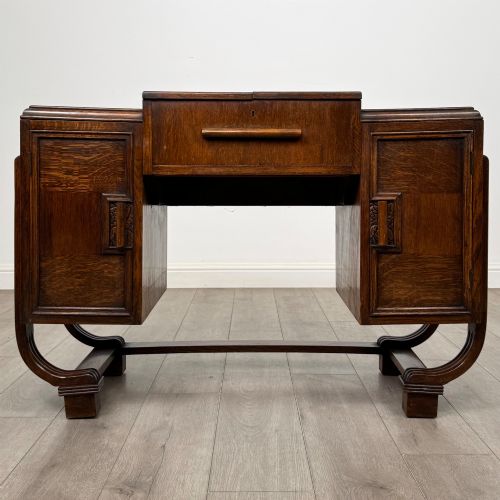
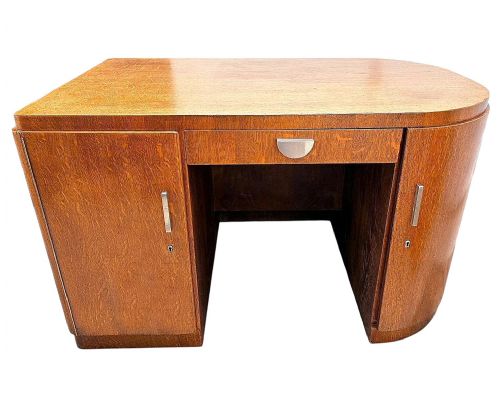
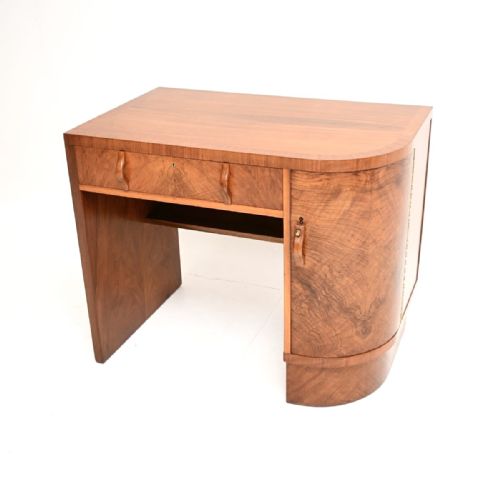
The versions met most frequently on this page date from 1930, taking the form of pedestals, writing tables, and side tables. These pieces combine traditional utility with the signature aesthetic of the era.
Materials and construction
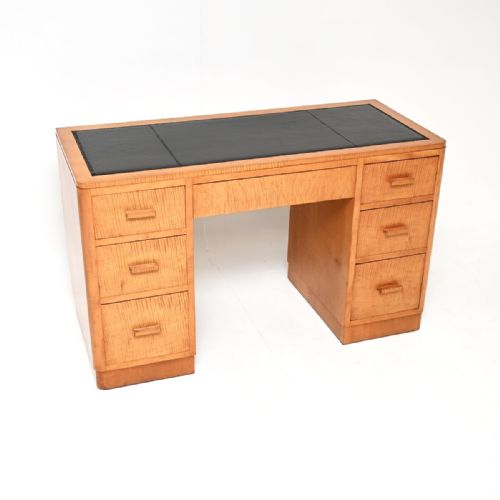
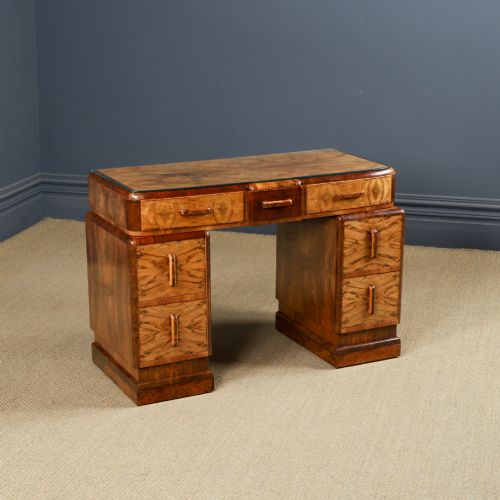
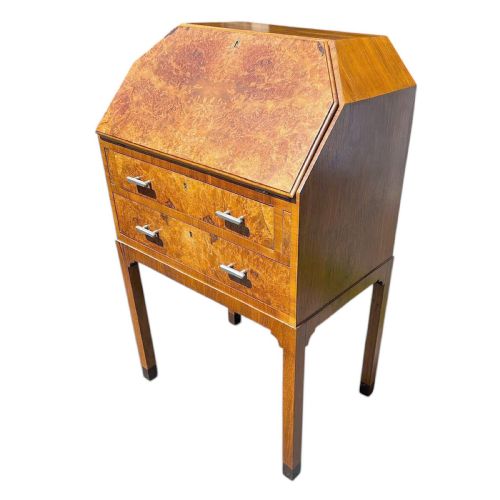
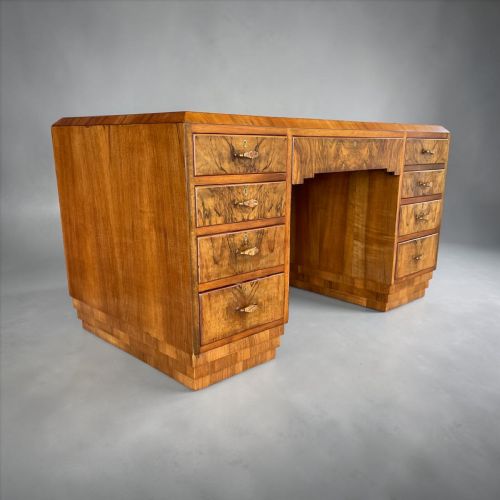
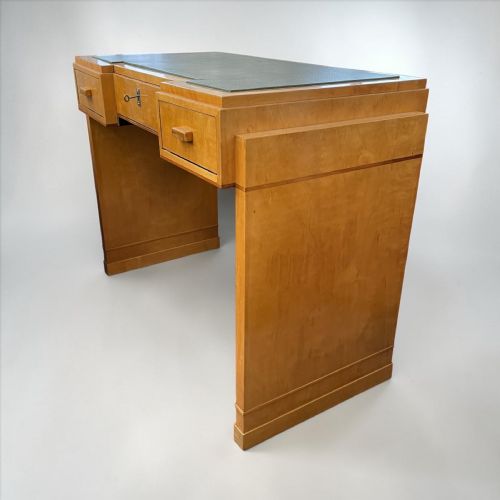
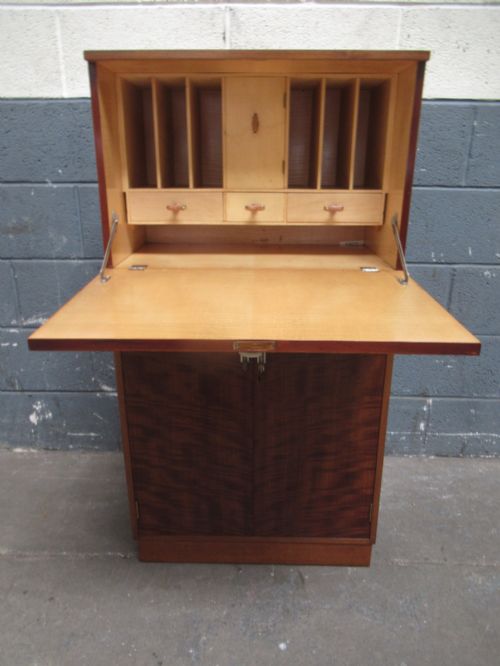
Cabinetmakers constructed these pieces using wood foundations finished with walnut, burr walnut, figured walnut, satin birch, and sycamore. Many examples incorporate contrasting veneers to highlight the natural grain patterns across the flat surfaces and drawers.
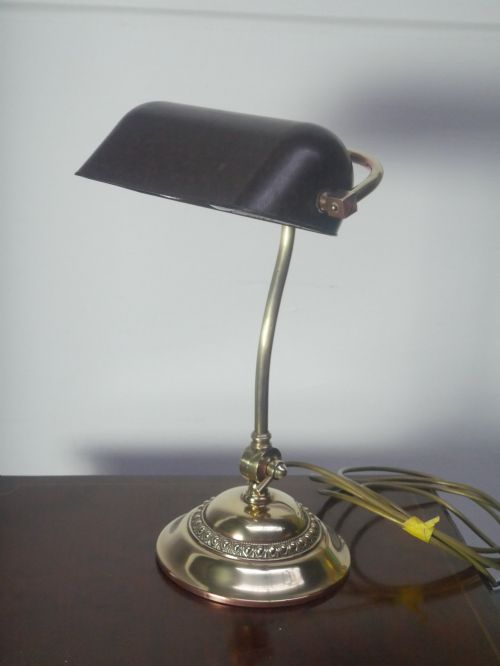
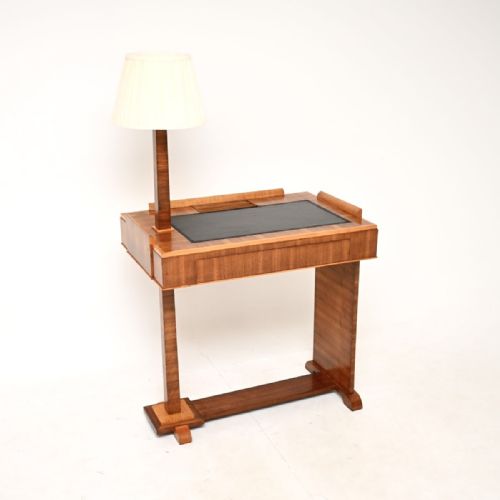
Makers integrated materials such as leather for writing surfaces, alongside brass hardware and occasional bone details. Certain designs even incorporate integrated lighting within the timber structure.
Retail Price Guide 2026
Typical UK retail prices for art deco study desk, calculated from the Sellingantiques database of over a million retail prices indexed since 2003. This retail price guide relies exclusively on Sellingantiques data; no external sources or auction records are used, so the figures do not describe the wider market.
The listings here feature walnut, satin birch, sycamore, brass, and leather across pieces dated to 1930.
Distinctions in quality
Quality rests upon the selection and matching of veneers, where skilled artisans arranged figured walnut or contrasting sycamore to create symmetrical patterns across the desktop and drawers. The sophistication of the timber pairing separates standard functional items from finer examples.
The integration of secondary materials also defines the tier of a piece, from simple wooden tops to finely tooled leather surfaces complemented by brass fittings and built-in lamps.
Heals of london
The Art Deco Study Desk Glossary
- Walnut
- A dense, dark hardwood prized for its rich colour and decorative grain, frequently utilised as a veneer on 1930s furniture. It forms the primary visual identity for many pieces from this period.
- Pedestal desk
- A freestanding writing table supported by two banks of drawers or columns on either side. This form provides substantial storage beneath the main work surface.
- Satin Birch
- A pale, lustrous hardwood used to create bright contrast against darker woods like walnut. It brings a lighter tone to the geometric designs of the period.
Frequently Asked Questions
What is an art deco study desk?
An art deco study desk is a 1930s workspace piece characterised by geometric forms, veneered wooden surfaces, and period materials like walnut and leather.
These items were designed for home offices and studies, combining practical storage with the bold style of the era.
How do I care for a walnut desk?
Keep the wood away from direct sunlight and heat sources to prevent the veneers from drying out or cracking over time. Regular dusting with a soft cloth maintains the finish without needing harsh polishes.
Leather inserts require specific conditioning to remain supple and free from cracking during daily use.
Where were these desks used?
Original owners placed these desks in studies, libraries, and home offices as both working surfaces and statement furnishings. They suited professional and domestic spaces alike.
Today, they serve similar functions while acting as central decorative elements within a room.
What materials are common?
Walnut, burr walnut, satin birch, and sycamore dominate the construction of these pieces, often paired with leather writing surfaces. Brass fittings and occasional bone details provide decorative contrast.
Integrated lamps and specialist veneers further define the material palette of the 1930s.