



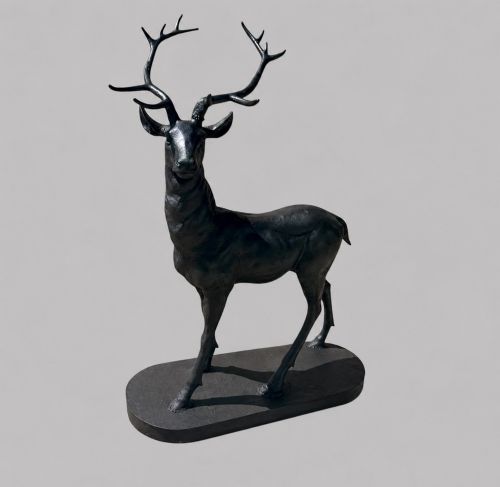


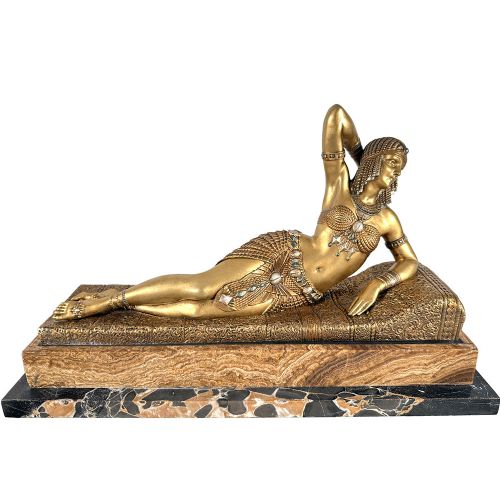


Art Deco Patinated Statue
An art deco patinated statue brings the bold, streamlined energy of twentieth-century design directly onto a mantelpiece or desk.
Art Deco Patinated Statue
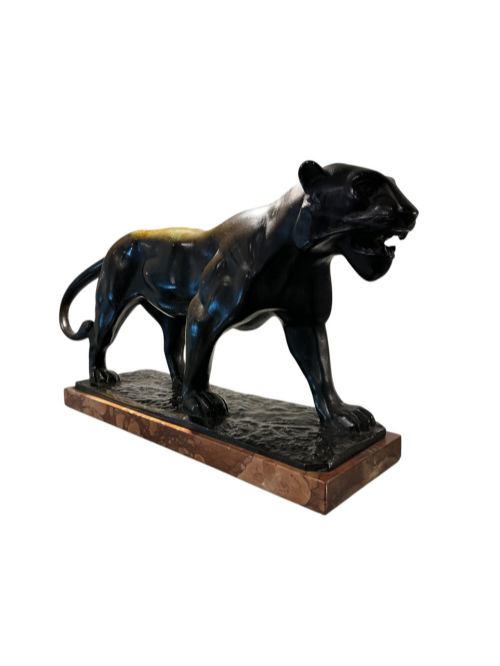
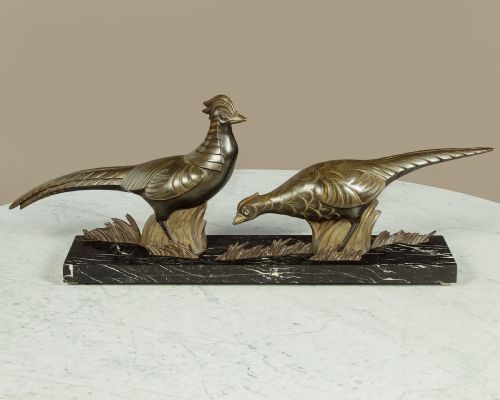
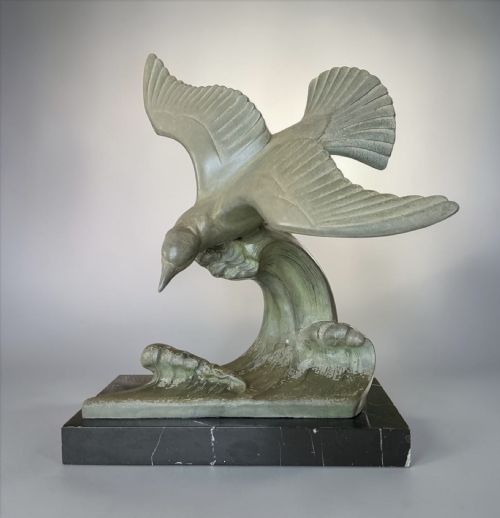
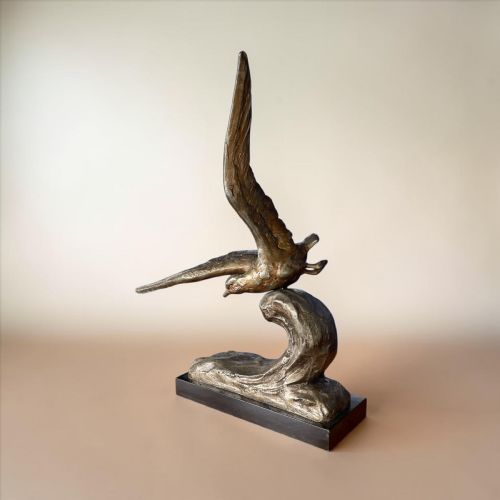
An art deco patinated statue captures the dynamic spirit of the interwar decades through sculpted figures of dancers, athletes, animals, and stylised human forms. When searching for an art deco patinated statue, collectors most frequently encounter bronze or spelter figures mounted on stone bases.
The subjects range from dancers in mid-movement to sleek panthers, deer, and mythological figures like Cleopatra. These sculptures often originate from French and British workshops active during the nineteen-twenties and nineteen-thirties.
Beyond standalone sculptures, the selection includes functional items such as table lamps, bookends, and candelabras that integrate patinated metal figures into their design. The core aesthetic relies on clean lines, geometric precision, and a distinct sense of motion.
Materials and casting methods
Foundry artisans cast these pieces primarily in bronze or spelter, applying chemical patination to achieve deep brown, green, or dark metallic surface tones. Many metal figures are paired with contrasting bases carved from marble or onyx.
Sculptors utilised the lost-wax method for finer metal castings, allowing for intricate details in facial expressions, drapery, and animal musculature. Gilt highlights and hand-painted touches occasionally complement the dark patination on dancer and figurative statues.
Listings feature bronze, spelter, marble, and onyx across pieces dated from the Edwardian era through the nineteen-forties.
Distinguishing quality in metal sculpture
Quality rests on the crispness of the casting and the sensitivity of the chased surface finish, which separates sharp, expressive details from soft or muddy reproductions. The depth and richness of the patination layer also dictate the visual authority of the metal.
The integrity of the mounting matters significantly, particularly how securely the metal figure anchors to its marble or onyx base. Original artist signatures and foundry marks provide tangible proof of authenticity that elevates a piece above unsigned studio work.
Josef Lorenzl·C J R Colinet·Zoldan Kovats·Georges-Charles Coudray·Sibylle May·Demetre Chiparus·Maurice Guiraud Riviere·L Gerfaux·Rene Andre Varnier·Alexandre Kelety·Bruno Zach·Paul de Boulogne·Marion Willis Stanfield·Elizabeth Anna Clapp
The Art Deco Patinated Statue Glossary
- Patinated
- Treated with chemical solutions to produce a specific surface colour or aged metallic tone on the metal. This finish protects the underlying material while defining the visual contours of the sculpture.
- Spelter
- A zinc alloy frequently utilised as a cost-effective alternative to bronze during the period. It accepts patination well but possesses a lighter weight and softer structural density than bronze.
- Lost-wax
- A precision casting technique where a wax model is melted away to create a mould for molten metal. This method permits complex undercut designs and delicate anatomical accuracy.
- Stylised
- Representing natural forms through simplified geometric shapes and exaggerated proportions rather than strict realism. This approach defines the core visual language of the era.
Art Deco Patinated Statue: Frequently Asked Questions
How do I spot a spelter copy?
Spelter is noticeably lighter than bronze and often reveals a grey or white metal underneath if the patination chips. It also lacks the resonant ring and dense feel associated with genuine cast bronze.
Examining the underside or mounting points usually clarifies the underlying metal composition without damaging the piece.
Are these figures signed?
Many sculptures bear the signature or monogram of the artist cast directly into the metal base or body. Signatures can range from clear, deep incisions to subtle marks that require close inspection.
Unsigned pieces remain common and are typically attributed to anonymous studio workshops or later commercial production runs.
How should I clean the patination?
Maintenance requires only a gentle dusting with a dry, soft microfibre cloth to prevent the accumulation of grit. Water, chemical solvents, and abrasive polishes strip the chemical patination and permanently damage the finish.
Preserving the original surface skin maintains both the aesthetic integrity and historical value of the sculpture.
Why are marble bases used?
Heavy stone bases anchor top-heavy figurative designs and provide a stable foundation for dynamic poses like dancers or leaping animals. Marble and onyx also introduce contrasting colours and textures that complement dark metallic patinas.
These stone plinths are characteristic of the period's preference for mixed-media decorative objects.