


Demetre Chiparus Bronze Figure
A demetre chiparus bronze figure captures the theatrical energy of the 1920s and 1930s through dramatic dancer poses and sleek materials.
Demetre Chiparus Bronze Figure
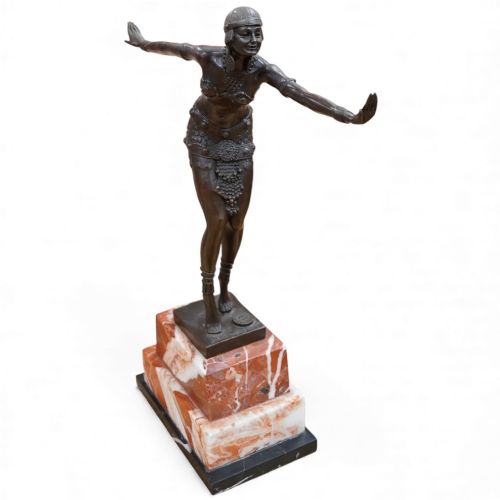
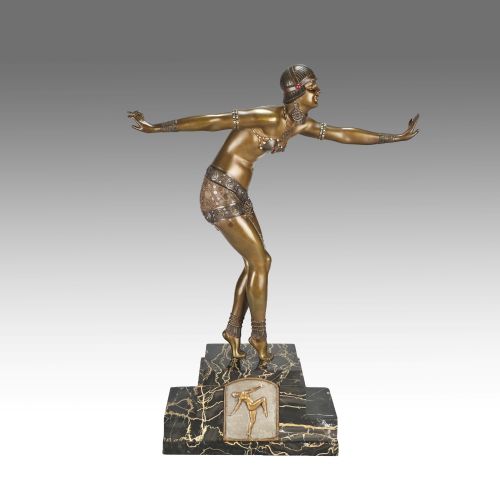
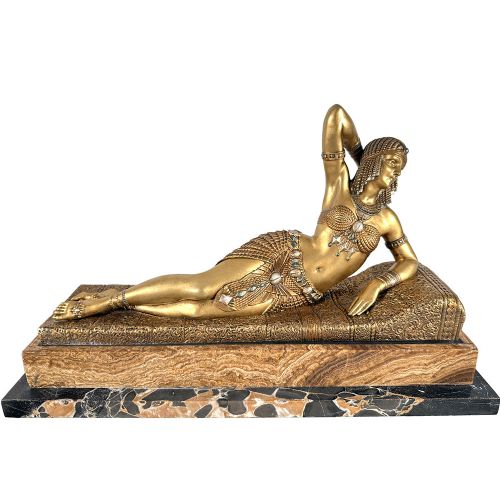
A demetre chiparus bronze figure is an Art Deco sculpture typically depicting dancers, young girls, or figures influenced by Egyptian and theatrical themes. These works capture the movement and style of the early twentieth century.
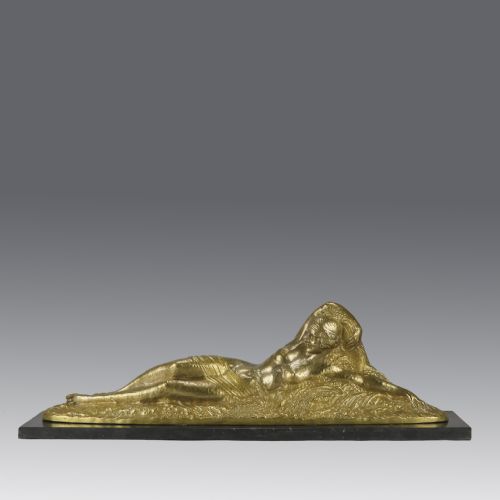
The pieces you encounter on this page span the 1920s and 1930s, taking the form of patinated bronze, gilt bronze, and cold-painted bronze sculptures. Many examples incorporate carved ivory elements or rest upon marble and onyx bases.
Subjects range from named works such as Phoenician Dancer, Été, Cleopatra, Starfish Dancer, L'Eveil, and Elegant Lady to more general studies of young women. You will also find pieces produced after D.H. Chiparus alongside alternative metal compositions like spelter groups.
How they were made
Makers utilised bronze, gilt bronze, and cold-painted bronze to cast these sculptures, capturing intricate costume details and flowing garments. Carved ivory was frequently integrated into figures to render faces and hands with contrasting texture.
The finished metal and ivory figures were mounted onto heavy stone bases made of marble or onyx to provide stability and a contrasting architectural support for the dynamic compositions.
Dancers frozen mid-kick in heavy bronze prove that even the Roaring Twenties needed a solid stone plinth to keep from tipping over.
What varies in quality
The selection of the base material and the harmonious integration of bronze with carved ivory or stone plinths distinguish the ambition of the piece.
Demetre Chiparus
The Demetre Chiparus Bronze Figure Glossary
- Cold-painted bronze
- A technique where oil paint is applied to a bronze surface after casting and allowed to air dry rather than being fired. This method was widely used to add vibrant colour to Art Deco garments.
- Chryselephantine
- A term describing statues made from a combination of bronze and ivory. The technique creates a striking tonal contrast between the dark metal and the pale carved material.
- Spelter
- An alloy of zinc and lead often used as a substitute for bronze. It offers a lighter, less expensive medium for figural casting.
- Gilt bronze
- Bronze that has been coated with a thin layer of gold or gold leaf. It imparts a luminous, reflective surface to the sculpture.
Demetre Chiparus Bronze Figure: Frequently Asked Questions
What periods do these figures date from?
The pieces shown date from the 1920s and 1930s, capturing the height of the Art Deco movement in Europe.
This era produced distinctive sculptural styles that focused on modern dance, theatre, and exotic historical themes.
What materials are used in these sculptures?
Sculptures in this category are cast in bronze, gilt bronze, cold-painted bronze, and spelter. Many are paired with carved ivory and mounted on marble or onyx bases.
The combination of metals and stone gives each piece considerable weight and visual contrast.
How do I display a bronze figure?
These sculptures require a stable, level surface such as a heavy sideboard or a dedicated display table. Keep them away from direct heat sources and strong moisture fluctuations.
Allow enough surrounding space so the dynamic poses and stone bases can be viewed clearly from multiple angles.
How do I distinguish original works from later pieces?
Examine the quality of the casting, the integration of the materials, and the presence of period patination. Look closely at how the bronze meets the marble or onyx base.
Pieces marked as after an artist reflect later interpretations rather than period production.