




Silver Bronze Dancer Figure
A silver bronze dancer figure captures the kinetic energy of the Art Deco era through enduring metalwork and expressive human form.
Silver Bronze Dancer Figure
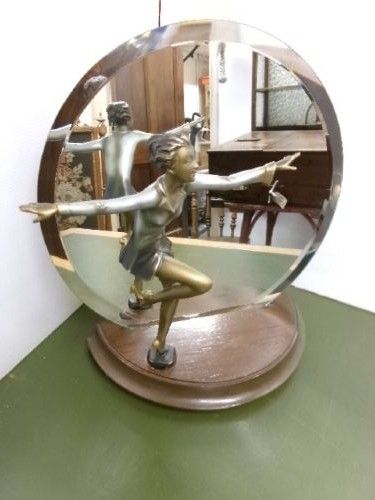
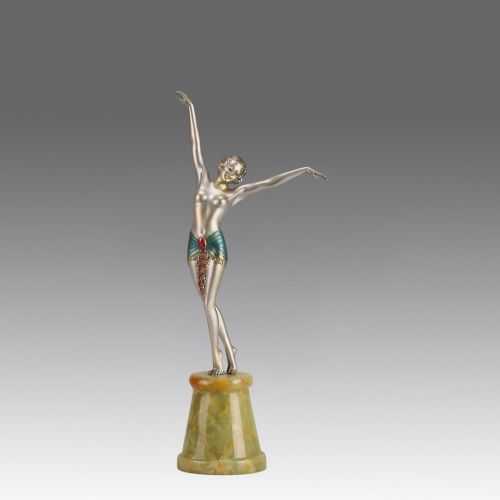
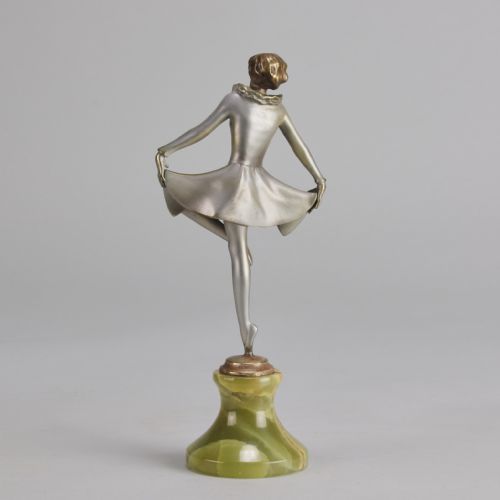
A silver bronze dancer figure represents sculptural works depicting female dancers produced during the Art Deco period of the 1920s and 1930s. These pieces frequently portray theatrical, exotic or balletic performers caught in dynamic motion.
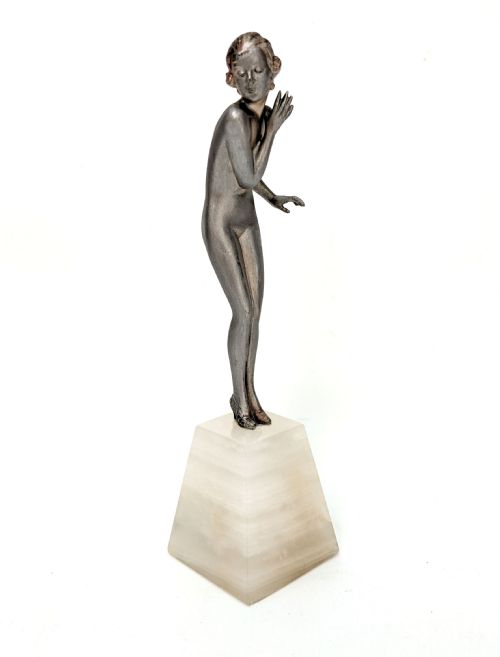
The versions most commonly met on this page combine cast metal with heavy stone bases, often standing upon cylindrical or stepped plinths. Sculptures and figurines range in scale from cabinet statuettes to substantial decorative works.
Makers working within this idiom capture the spirit of modern dance through exaggerated limbs, flowing scarves and intricate costumes. The aesthetic draws heavily upon the ballets russes and contemporary cabaret performances of the early twentieth century.
How they were made
Foundries produced these figures using traditional metal casting techniques, primarily working in bronze, silvered bronze and spelter. Molten metal poured into moulds captured fine details of drapery, hair and facial expression.
Many surfaces received hand-applied cold painting or silver plating to enhance the decorative appeal of the garments and skin tones. Artisans mounted the resulting metal figures onto heavy bases carved from onyx, marble or wood for stability and contrast.
Listings span the decade from 1920 to 1930, focusing on Art Deco forms created in bronze, silvered bronze and spelter.
What varies in quality
The choice and integration of auxiliary materials dictate the overall visual success of the sculpture. High-grade items feature richly veined marble or onyx bases that complement the patination and proportions of the metal figure above.
Pierre le Faguays·Josef Lorenzl·Claire Jeanne Roberte Colinet·Pierre Laurel·Demetre Chiparus
The Silver Bronze Dancer Figure Glossary
- Cold-painted bronze
- Bronze sculpture finished with paint applied without heat after the casting process. This technique allowed for vibrant polychrome clothing and realistic flesh tones.
- Spelter
- A zinc alloy frequently utilised as a less expensive alternative to bronze during the twentieth century. It often received copper or silver plating to mimic more costly metals.
- Patina
- The surface coloration and sheen developed naturally over time or applied artificially by the artist. It protects the metal and defines the contours of the sculptured form.
- Chasing
- The manual finishing process where a metalworker refines the surface of a raw casting using hammers and punches. This step restores lost texture and eliminates casting flaws.
Silver Bronze Dancer Figure: Frequently Asked Questions
How do I clean a bronze dancer figure?
Dust the surface gently with a soft, dry brush to prevent the accumulation of grit within the crevices of the casting. Avoid chemical cleaners and polishes, which can strip away the original patina.
Heavier deposits require professional conservation rather than domestic intervention. Maintaining a stable indoor humidity prevents moisture damage to both the metal and the stone base.
What is the difference between bronze and spelter?
Bronze is a durable alloy of copper and tin that accepts fine detail and ages with a stable patina. Spelter is a softer, zinc-based metal that feels lighter and proves more brittle under stress.
Figures cast in spelter often show greater wear around high-touch areas. Examining the underside or unpainted sections usually reveals the underlying metal composition.
Where should I display these sculptures?
Place figures on sturdy, level surfaces away from direct sunlight and heat sources to protect the painted finishes and stone bases. Low-traffic locations reduce the risk of accidental knocks to outstretched arms or delicate patinated elements.
Consider eye-level placement on cabinets or mantels to appreciate the three-dimensional composition and dynamic balance of the dancer.
Are these pieces originals from the period?
The listings on this page originate from the 1920s and 1930s, reflecting the height of the Art Deco design movement. Makers signed many of these works directly into the metal or the marble base.
Stylistic conventions, casting methods and material ageing help corroborate the period of manufacture. Documentation and signatures provide further context for individual sculptures.