





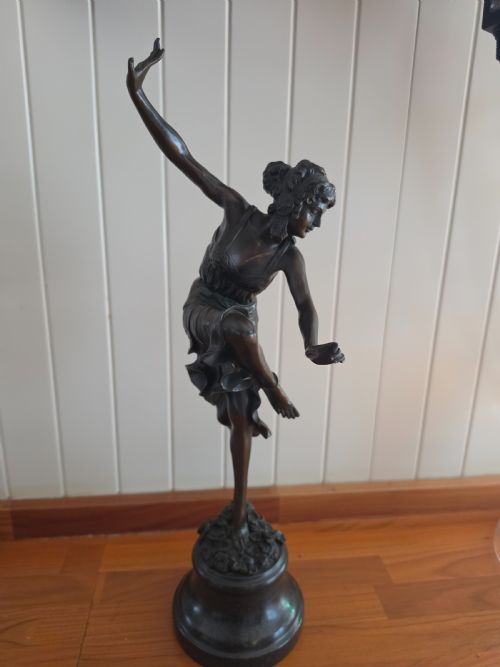


1920s Bronze Dancer Sculpture
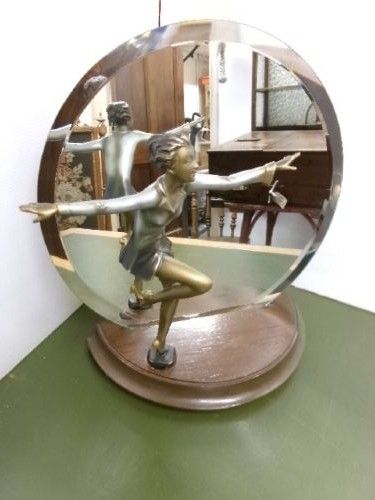
A 1920s bronze dancer sculpture captures the kinetic energy of the interwar years through stylised figures mounted on stone bases.
1920s Bronze Dancer Sculpture
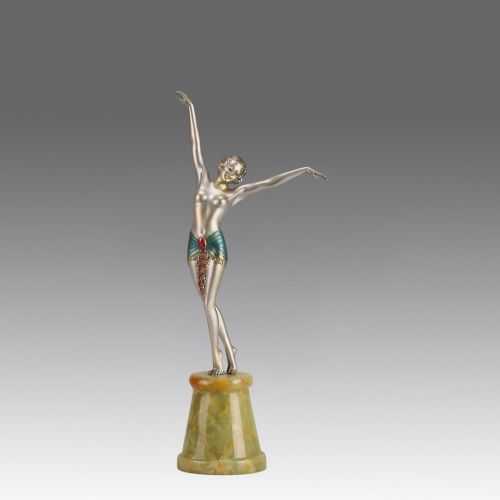
A 1920s bronze dancer sculpture embodies the dynamic spirit of Art Deco design, frequently portraying female figures in mid-motion with outstretched arms or poised legs. These works often take the form of tabletop statuettes, lamps, or wall plaques depicting named characters, exotic performers, and mythological dancers.
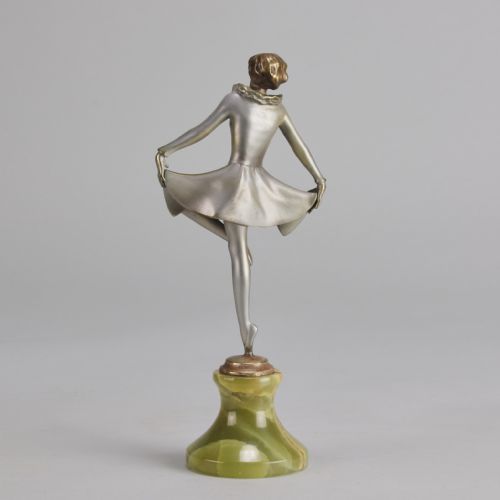
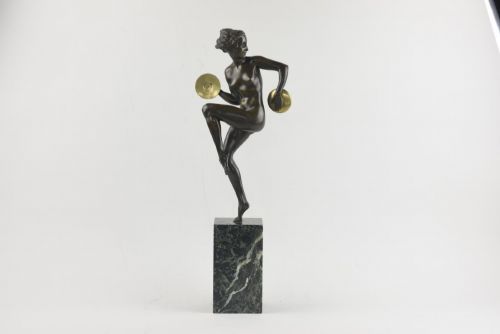
The most common versions encountered on this page date from the 1920s and 1930s, combining cast metal with heavy bases of marble or onyx. Figures span from cold-painted and silvered surfaces to rich gilt finishes, capturing the theatrical fashion of the period.
Materials and technique
Figures were produced using the lost-wax casting method in bronze, silvered bronze, gilt bronze, or lower-cost spelter, then finished by hand with cold-painted polychrome or patination. Complex compositions frequently incorporated carved ivory for faces and hands in chryselephantine pieces.
The metal sculpture was typically mounted onto stepped or geometric bases of contrasting white or black marble and onyx, grounding the balanced poses of the dancers.
Several dancers balance perilously on dice or pointed toes, defying gravity with impressive mid-air poise.
Assessing quality
Quality rests in the crispness of the casting detail, the smoothness of the cold-painted or patinated surface finish, and the harmonious integration of the figure with its stone plinth. Early editions signed by recognised modellers demonstrate superior chasing and anatomical precision compared to later commercial casts.
The choice of base material and the complexity of the dancer's pose, such as extended limbs requiring internal armature support, distinguish standard production pieces from masterworks of the movement.
Pierre le Faguays·Josef Lorenzl·Demetre Chiparus·Claire Jeanne Roberte Colinet·Bruno Zach
The 1920s Bronze Dancer Sculpture Glossary
- Cold-painted
- Pigment applied to metal after casting without subsequent kiln firing. This finish is susceptible to flaking if handled improperly.
- Chryselephantine
- Combining metal and carved ivory in a single sculpture. This technique was popular in luxury Art Deco figures.
- Spelter
- A zinc alloy used as a less expensive alternative to bronze. It offers a softer metal suitable for casting detailed figures.
- Patination
- The chemical treatment or natural ageing process that alters the colour of the metal surface. It protects the bronze while adding tonal depth.
1920s Bronze Dancer Sculpture: Frequently Asked Questions
What is cold painted bronze?
Cold painting involves applying oil paint or enamel directly onto the unheated metal surface after the casting process is complete. This technique allowed artists to render elaborate costumes and skin tones with high fidelity.
Over decades, these delicate painted surfaces acquire natural wear that helps distinguish period originals from later reproductions.
How do I identify a 1920s dancer sculpture?
Look for characteristic Art Deco styling, including stylised geometric drapery, streamlined anatomy, and dynamic poses inspired by contemporary theatre and dance. Signatures or foundry marks are frequently inscribed directly into the bronze or onto the marble base.
The choice of materials, such as heavy variegated marble plinths combined with patinated or silvered bronze, points directly to the interwar period.
What is chryselephantine sculpture?
Chryselephantine sculpture combines cast bronze elements for hair and clothing with carved ivory sections representing flesh, such as faces, arms, and hands. This luxury method dates back to antiquity and experienced a major revival during the Art Deco era.
Pieces utilising this dual-material technique require stable indoor humidity to prevent the organic ivory from separating from the metal mount.
How should I clean my bronze sculpture?
Dust the piece gently with a soft, dry microfibre brush or cloth to remove surface particles without disturbing the underlying patina. Avoid using liquid cleaners, polishes, or abrasive cloths, which can strip away cold-painted details or chemical finishes.
Maintaining a stable room temperature away from direct sunlight protects both the metal patination and the underlying stone base.