



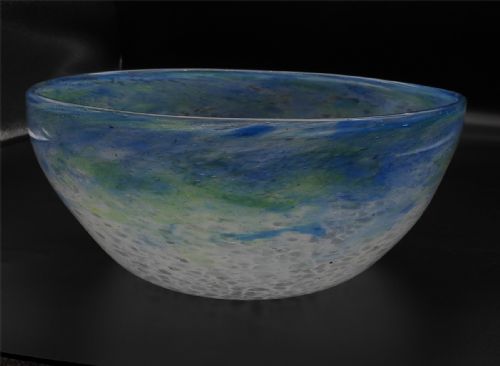


Art Deco Fruit Bowl
An art deco fruit bowl brings geometric clarity and rich material colour to a dining table.

Art Deco Fruit Bowl
An art deco fruit bowl unites the bold geometric lines and stylized floral motifs characteristic of the interwar period with practical table service. These pieces emerge predominantly from the 1920s and 1930s, reflecting an era of energetic design experimentation across Europe.
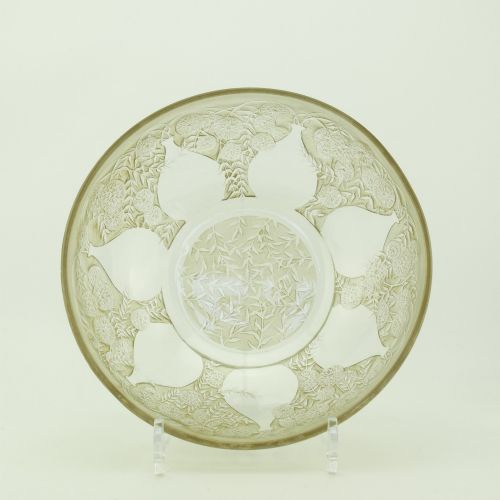
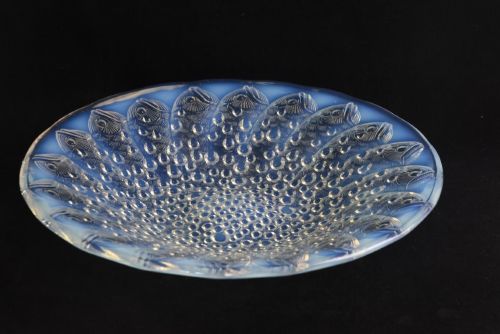
The selection here includes footed glass vessels, ceramic presentation pieces, and metal comports. Glass examples range from clear crystal over colour to milky opalescent surfaces moulded with plant and animal motifs.
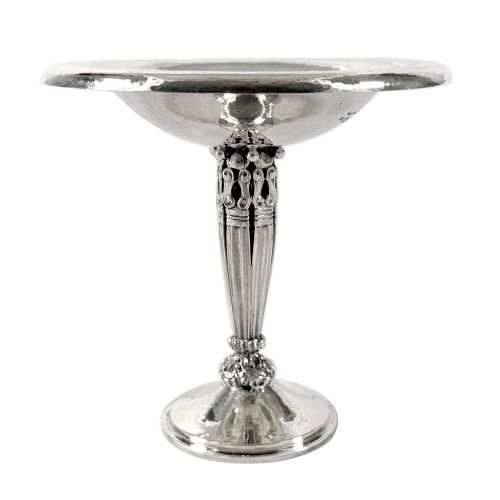
Earthenware versions often display vibrant lustre glazes or tube-lined patterns typical of British potteries. Metal pieces span hammered pewter, chrome, and silver plate, frequently taking shallow circular or tazza forms.
Distinctions in quality
The authority of the design separates standard production from masterworks. Pieces conceived by recognised artists and executed by prominent glasshouses or ceramic studios display superior proportions and crisper mould definition.
The depth and subtlety of the finish dictate overall visual success. In opalescent glass, quality rests on how effectively the material catches light to reveal milky blue and amber tones within the relief carving.
Weight and structural balance indicate the integrity of a piece. Substantial glass walls, even wall thickness in ceramics, and solid metal mounts reflect high standards of manufacture during the period.
Art Deco Fruit Bowl Retail Price Guide 2026
Typical asking prices for art deco fruit bowl among the pieces listed under this phrase on Sellingantiques today, from the lower quarter to the upper quarter. They describe what is for sale here now, not the wider market.
Objects span diverse forms including footed bowls, comports, tazzas, and serving baskets in metal and ceramic.
Rene Lalique·Hamilton & Inches·Charles Boyton·Val St Lambert·Maling·Jobling·Monart·Wedgwood·Etling·Charlotte Rhead Bursley Ware·Brille
The Art Deco Fruit Bowl Glossary
- Opalescent Glass
- Glass that milky or translucent appearance with milky blue or amber highlights when struck by light. This effect results from the addition of specific chemical agents to the molten batch before pressing.
- Tazza
- A shallow bowl raised on a high foot or pedestal. These serving vessels originated in the Renaissance but were reinterpreted with geometric motifs during the interwar period.
- Lustre
- A ceramic glaze containing metallic salts that produce an iridescent, rainbow-like sheen upon firing. Wedgwood and other potteries utilised this technique to create shimmering surface effects.
- Tube-lining
- A ceramic decoration technique where a fine trail of liquid clay is squeezed onto the pottery body to outline patterns before glazing. This method creates raised boundaries that hold pools of contrasting colour.
- Comport
- A decorative pedestal dish or bowl used for serving fruit or sweets. They appear in chrome, silver plate, and glass across French and British manufacture.
Art Deco Fruit Bowl: Frequently Asked Questions
What distinguishes an art deco fruit bowl?
These vessels are defined by their interwar aesthetic, combining stylized natural motifs like flowers with strong geometric forms. They draw on materials such as pressed opalescent glass, lustre earthenware, and hammered metal.
Unlike traditional Victorian tableware, these pieces embrace the industrial modernity and artistic experimentation of the 1920s and 1930s. Their silhouettes favor clean lines, stepped pedestals, and bold colour.
How were these bowls used originally?
They served primarily as table centerpieces or presentation dishes for fruit, bread, and sweets during formal dining. Their presence added a decorative focal point to sideboard displays and dining tables.
Beyond domestic dining, large comports and footed bowls functioned as standalone sculptural objects. Their open forms allowed households to showcase seasonal produce or decorative glass flowers.
How do I style an art deco bowl at home?
Place the piece in a well-lit area where natural light can pass through glass or catch the metallic sheen of chrome and silver plate. A low pedestal bowl works effectively as a dining table centrepiece.
Keep the surrounding surfaces uncluttered to let the geometric lines and distinct material textures stand out. Glass versions benefit from placement near windows to activate their opalescent qualities.
How can I tell the period of a bowl?
Examine the piece for maker marks, registration numbers, or studio signatures etched into the glass or stamped on the ceramic base. These manufacturing details often point directly to specific interwar production years.
Stylistic cues such as stepped motifs, angular handles, and specific colour palettes like mottled orange lustres also anchor the object firmly in the 1920s or 1930s.