

Antique Ceramic Centerpiece
An antique ceramic centerpiece commands attention at the centre of a table, offering a rich blend of historical form and painted detail that defines fine dining.

Antique Ceramic Centerpiece
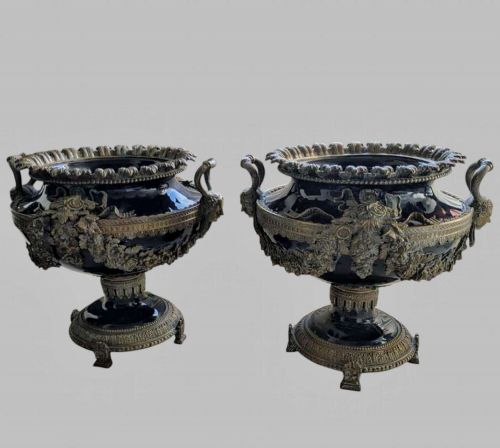
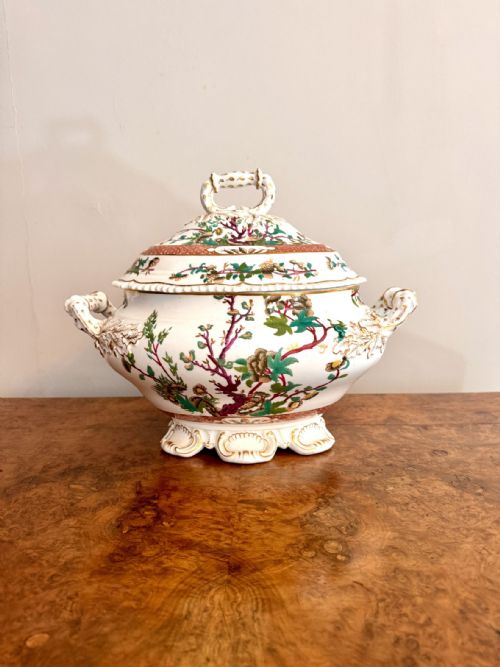
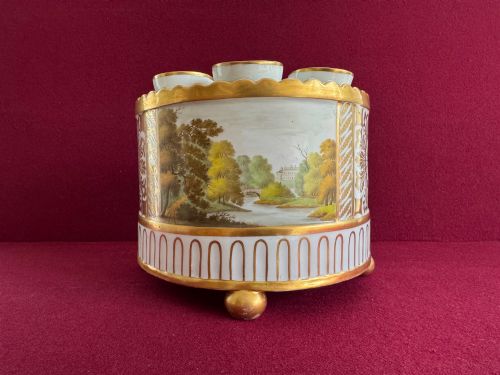
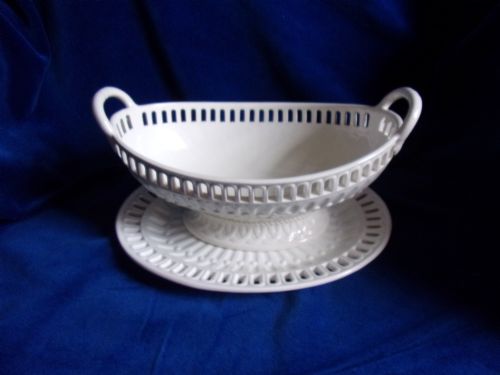
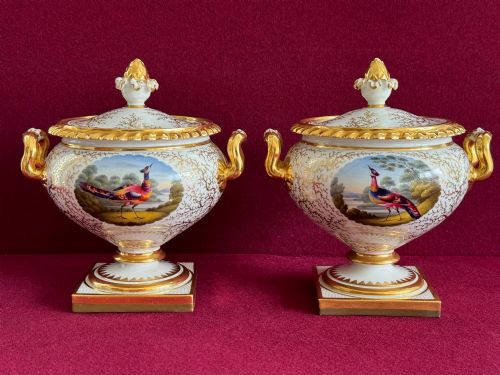
An antique ceramic centerpiece serves as a dramatic focal point for tables and sideboards, combining decorative ambition with functional serving forms. Buyers searching for an antique ceramic centerpiece encounter an array of elaborate bowls, baskets, comports, and figural tureens designed to hold fruit, flowers, or sweetmeats.
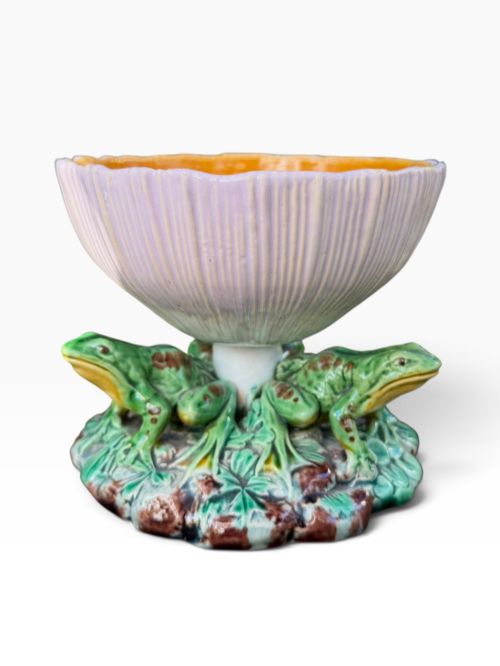
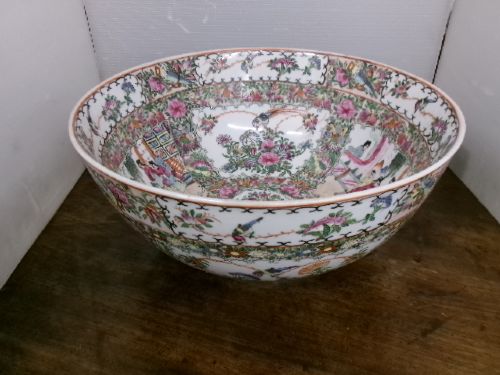
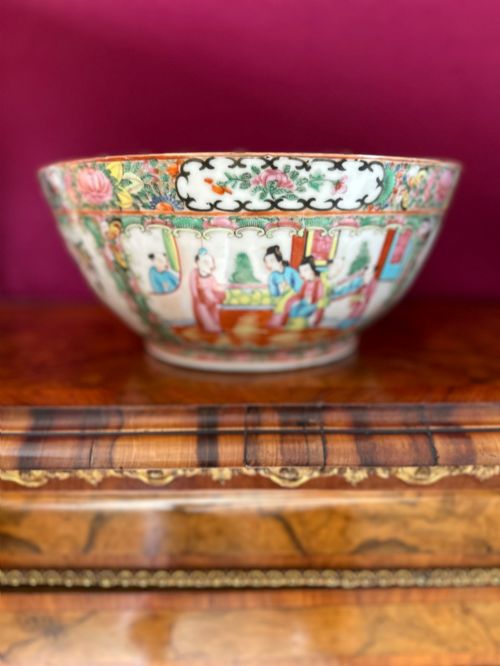
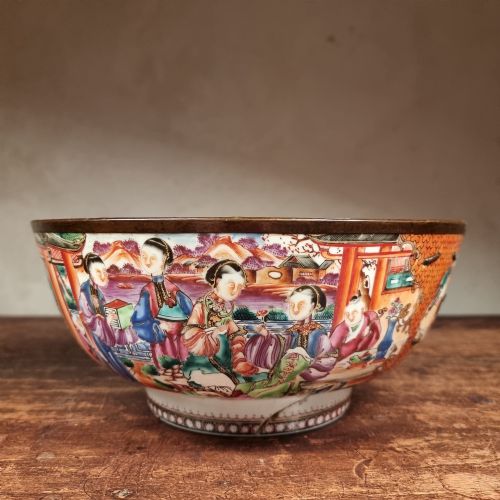
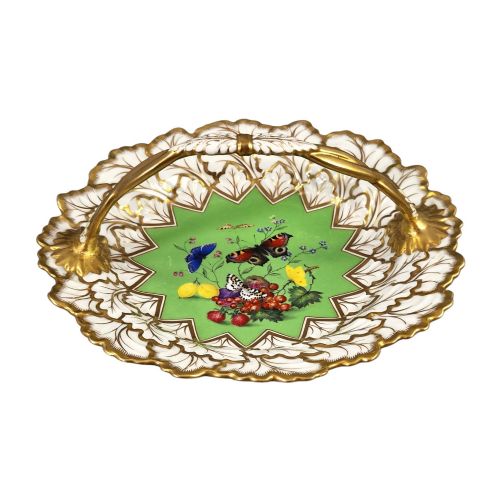
The pieces available span multiple centuries and international traditions, moving from Georgian porcelain baskets and punch bowls to Victorian majolica, French biscuit porcelain, and Japanese Imari porcelain bowls. English factories like Worcester, Coalport, and Minton sit alongside continental makers and Asian export wares.
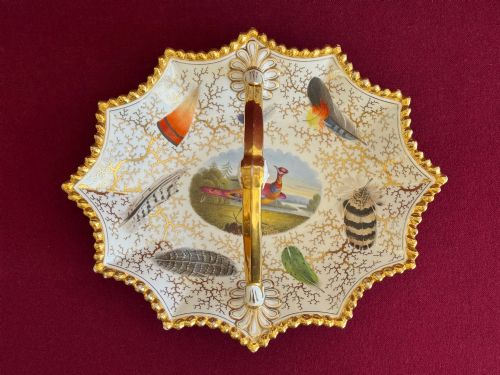
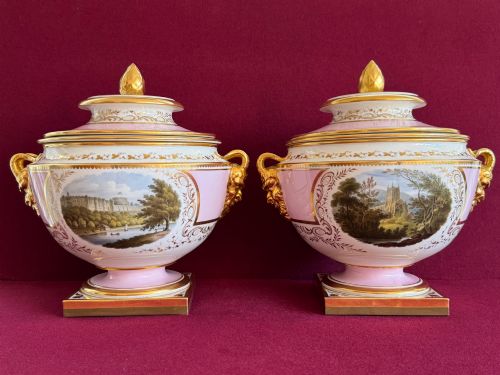
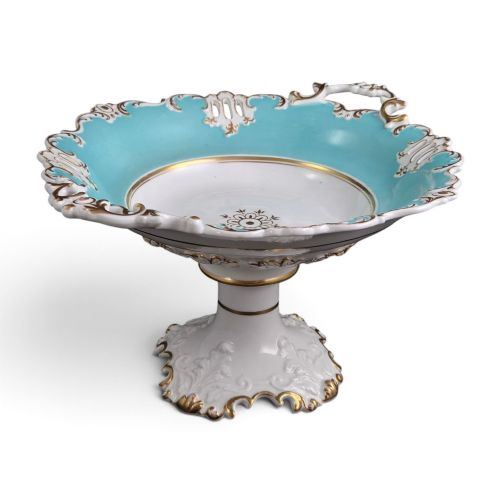
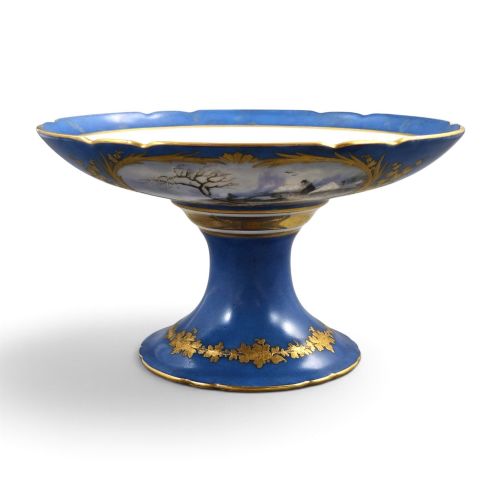
Comports, tazzas, and footed bowls dominate the selection, often elevated to draw the eye upward and showcase intricate hand-painted landscapes, floral garlands, or gilt accents. These objects reflect the changing tastes of dining and interior display from the eighteenth century through the late Victorian period.
Materials and Construction
Potters and porcelain makers utilised fine clay bodies, soft-paste and hard-paste porcelain, ironstone, and earthenware, shaping them through throwing, moulding, and casting. Complex forms frequently combined openwork basket weaves with applied sculptural elements such as cherubs, flowers, and handles.
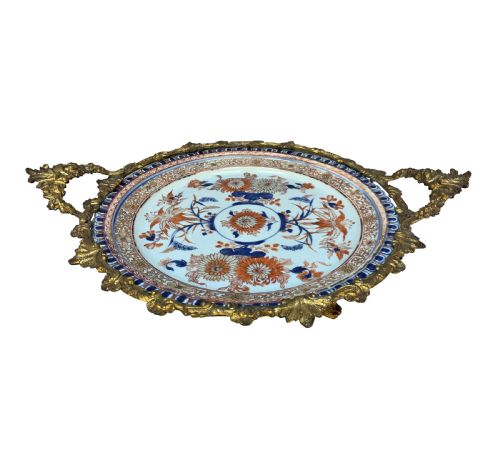
Glazing and surface decoration required skilled firing, followed by hand-painting in enamels, cobalt blue, and iron red, frequently enhanced with gold leaf and gilding. Ormolu mounts and silver plating sometimes provided structural framing for porcelain plates and bowls.
Listings feature porcelain, ironstone, and earthenware forms spanning the Georgian, Victorian, and Meiji periods.
Distinctions in Quality
Quality rests upon the crispness of the moulding, the depth and registration of hand-painted details, and the precision of the gilding. Superior pieces display finely articulated relief work, such as delicate flower encrustations or sharply defined lattice weave on porcelain baskets.
The authority of the painting dictates distinction, separating standard factory output from exceptional studio work featuring meticulous brushwork, vibrant enamel colours, and stable glaze surfaces without firing distortion or excessive kiln specking.
Coalport·Derby Porcelain·KPM Berlin·Sèvres Porcelain·Meissen·Royal Vienna·Minton·Worcester Porcelain·Mason·Limoges
The Antique Ceramic Centerpiece Glossary
- Tazza
- A shallow ornamental bowl or cup mounted on a stem and foot, often used for serving fruit or sweetmeats at dessert.
- Comport
- A decorative dish or shallow bowl raised on a footed base, designed to stand centrally on a dining table.
- Majolica
- A type of earthenware covered with an opaque tin glaze and painted with brightly coloured metal oxides, popular during the Victorian era.
- Biscuit porcelain
- Unglazed, white porcelain fired to a matte finish that resembles fine marble and highlights sculptural detail.
- Imari
- A style of Japanese porcelain decorated in underglaze blue, iron red, and gold, widely exported to Europe from the seventeenth century onward.
Antique Ceramic Centerpiece: Frequently Asked Questions
How were antique ceramic centerpieces used?
These large vessels held fruit, sweetmeats, or floral arrangements during formal dining and dessert courses, acting as decorative anchors for the table.
Wealthy households displayed them prominently on dining tables or sideboards to signal status, taste, and hospitality during elaborate meals.
How do I identify a Georgian centerpiece?
Georgian examples often feature hand-painted floral motifs, pine cone patterns, or pierced basketwork associated with factories like Worcester and Derby.
They generally display softer paste bodies, subtle underglaze blue painting, or early ironstone weights before the heavier, brighter styles of the Victorian period emerged.
What is the difference between a comport and a tazza?
A comport typically provides a wider, shallower surface meant for displaying fruit or small dishes on a dining table.
A tazza stands taller on a distinct central foot, functioning more as an elevated presentation plate for sweetmeats or decorative display.