


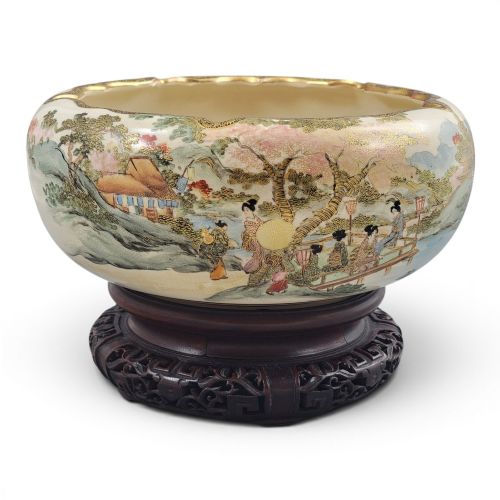

Hand Painted Earthenware Bowl
When you search for a hand painted earthenware bowl, you are looking at centuries of ceramic artistry shaped by diverse regional traditions.

Hand Painted Earthenware Bowl
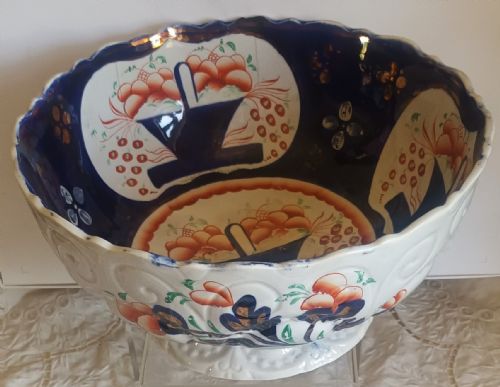
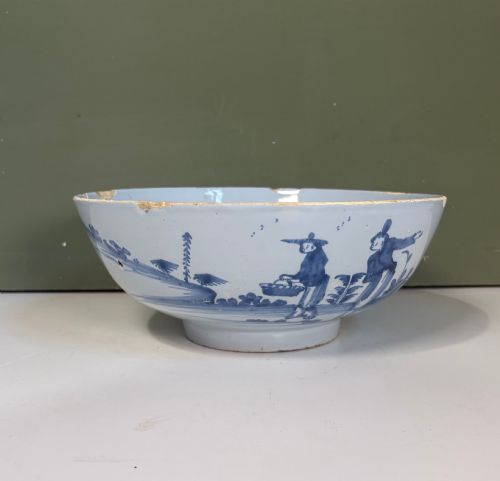
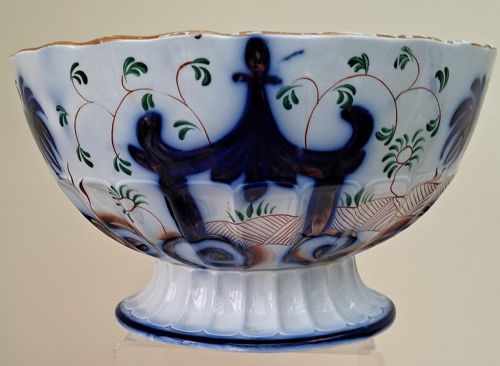
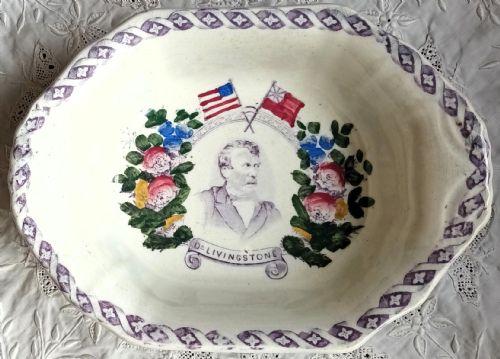
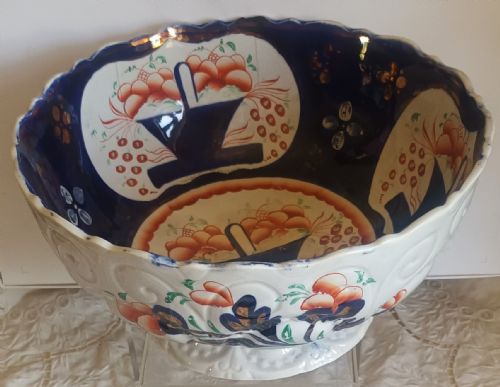
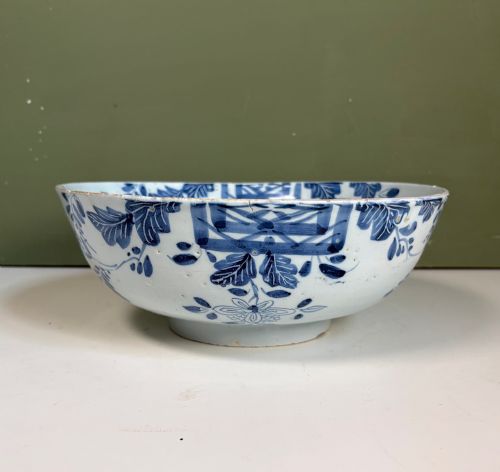
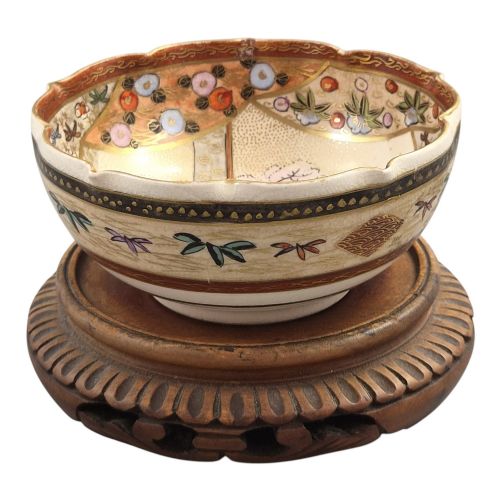
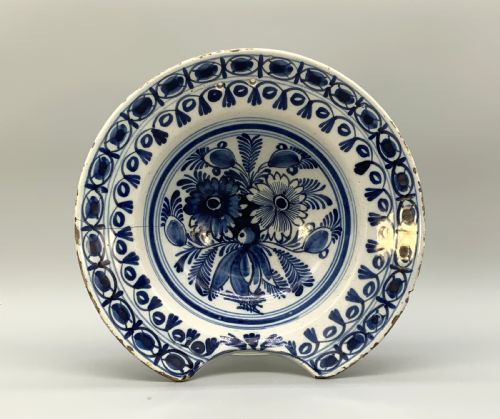
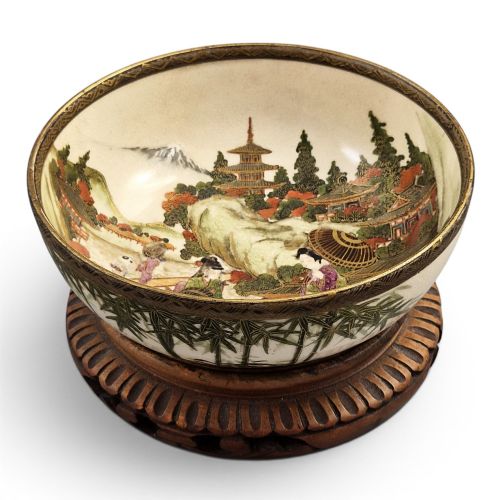
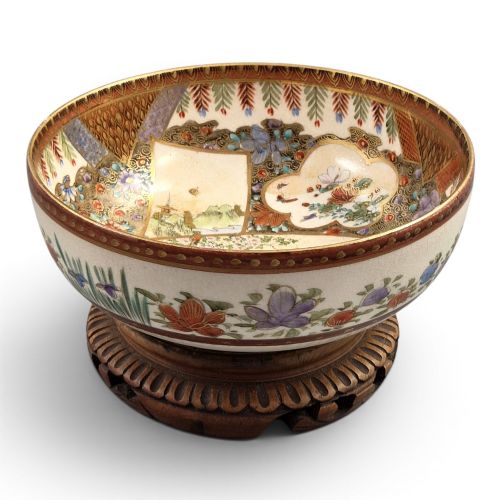
A hand painted earthenware bowl is a utilitarian or decorative vessel shaped from porous clay and finished with painted designs. You will frequently encounter examples originating from eighteenth-century Dutch workshops, nineteenth-century British potteries, and Meiji period Japanese kilns. These items range from small pudding vessels to large centrepiece bowls and commemorative dishes.
The selection encompasses distinct regional styles such as Gaudy Welsh earthenware, Delftware, and Satsuma ware. Many pieces serve decorative functions, while others reflect domestic routines or historical commemorations. Surviving examples demonstrate how makers applied pigments directly onto tin glazes, creamware, or earthenware bodies.
How They Were Made
Potters formed these vessels from earthenware clay, often coating the surface in a tin glaze or enamel to provide a smooth canvas for decoration. Artisans then applied pigments by hand, utilising mineral colours that reacted during the firing process to produce vibrant blues, reds, and greens. Some workshops incorporated gold leaf or specialised glazes to accentuate specific motifs.
Firing techniques varied according to the traditions of the pottery, from European delft kilns to Japanese Satsuma workshops. Painters worked freehand with fine brushes to render floral patterns, figures, and armorial crests directly onto the unfired or biscuit-fired surface before a final protective glaze layer was applied.
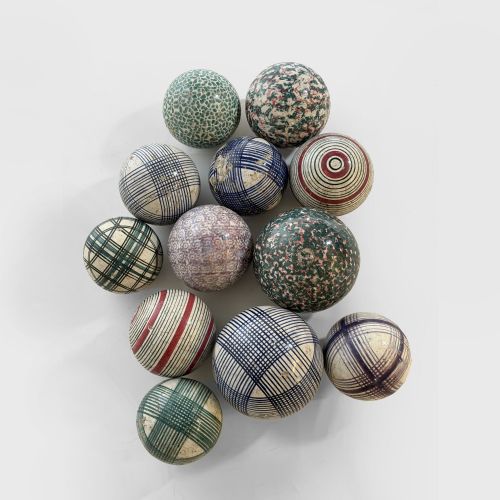
Several nineteenth-century Scottish carpet bowls on offer were originally rolled across parlour floors in indoor lawn bowls matches.
What Varies in Quality
The standard of a hand painted earthenware bowl depends significantly on the precision and fluidity of the brushwork. Master painters working in established kilns achieved crisp lines and balanced compositions, whereas lesser examples display hurried or heavy-handed execution. The clarity of the glaze and the registration of colours further distinguish superior examples.
Finer pieces often bear signatures, artist ciphers, or factory marks that indicate oversight by renowned makers. The structural integrity of the ceramic body and the preservation of the original enamel colours over centuries also influence the overall character of the piece.
Wedgwood·Mann And Co·Ulisse Cantagalli·Maling·Clarice Cliff·Charlotte Rhead·Moorcroft
The Hand Painted Earthenware Bowl Glossary
- Creamware
- A refined light-coloured earthenware developed in the eighteenth century, notable for its pale yellow or cream tone. It provided a smooth surface for painted enamel decoration.
- Tin-Glaze
- An opaque white glaze containing tin oxide, applied to earthenware to create an impermeable surface. It served as a background for blue and polychrome painting in European traditions.
- Majolica
- A type of earthenware coated with a tin glaze and painted with brightly coloured metal oxides. This technique gained popularity in nineteenth-century European factories.
- Satsuma
- Japanese pottery originating from the Satsuma province, typically characterised by a crackle-glaze earthenware body. Artisans decorated these wares with intricate polychrome designs and gold.
- Spongeware
- Earthenware decorated by dabbing or sponging pigment onto the clay body to create mottled patterns. This method produced rustic geometric and floral designs.
Hand Painted Earthenware Bowl: Frequently Asked Questions
How are these bowls dated?
Pottery is dated by examining stylistic markers, potting techniques, and factory marks stamped or painted on the underside. Comparison with documented examples from specific periods helps establish a reliable timeline of origin.
Changes in glaze chemistry and pigment composition also offer clues to the era of production. Experts look at the wear patterns and historical context to narrow down the decade or century.
Were these bowls used daily?
Many earthenware vessels served practical domestic roles, such as food preparation, washing, or serving at the table. Everyday kitchenware experienced regular handling and natural wear over generations of household use.
Conversely, highly decorative pieces or commemorative dishes were often displayed rather than utilised for meals. Their survival in good condition frequently reflects careful preservation by past owners.
How do I clean an antique bowl?
Antique earthenware requires gentle maintenance using a soft, dry cloth or a slightly damp sponge without harsh detergents. Submerging porous ceramic in water for extended periods can damage the historic body and destabilise old glazes.
Avoiding abrasive cleaners and modern dishwashers protects the hand-painted pigments from fading or chipping. Regular dusting is usually sufficient to maintain the surface safely.
What is the difference between delft and majolica?
Delft generally refers to tin-glazed earthenware produced in the Netherlands and England, traditionally featuring blue and white painting inspired by imported porcelain. The aesthetic leans towards refined floral or narrative scenes.
Majolica employs a tin glaze combined with vibrant coloured metal oxides, producing a richer palette of greens, browns, and yellows. This technique often resulted in heavily moulded, sculptural decorative objects.