





Art Deco Female Statue
An art deco female statue captures the kinetic energy and stylised elegance of the interwar years through dancers, figurines and figures.

Art Deco Female Statue
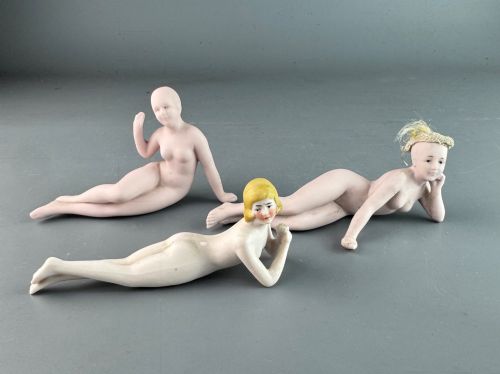
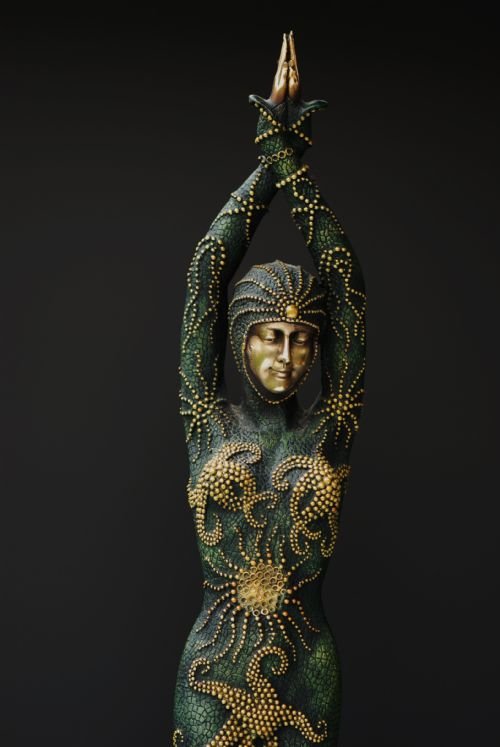
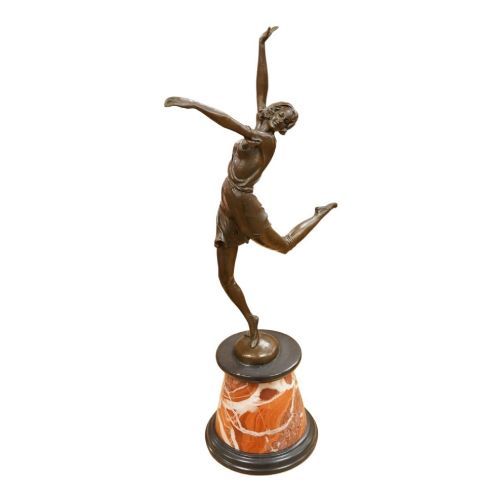
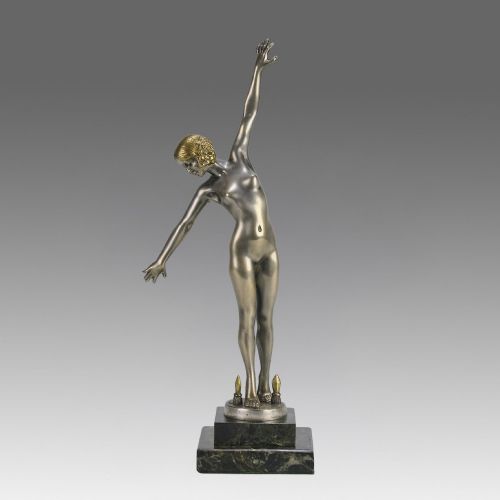
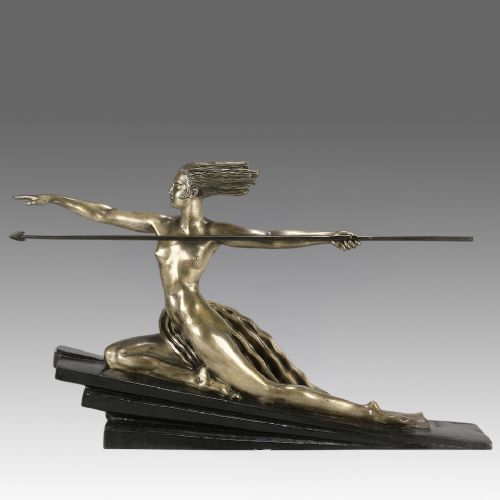
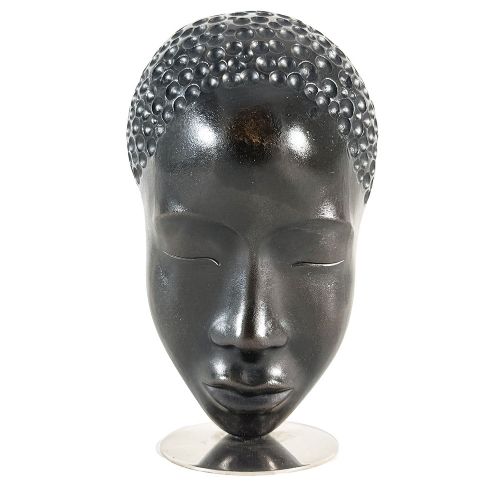
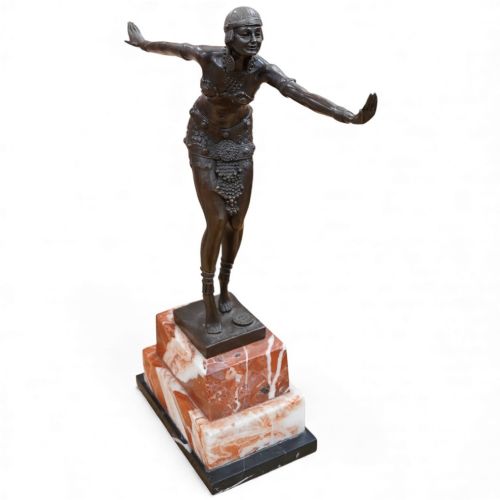
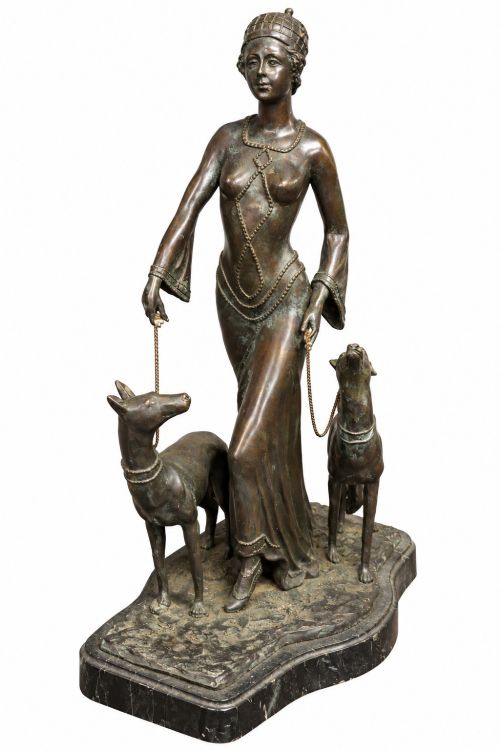
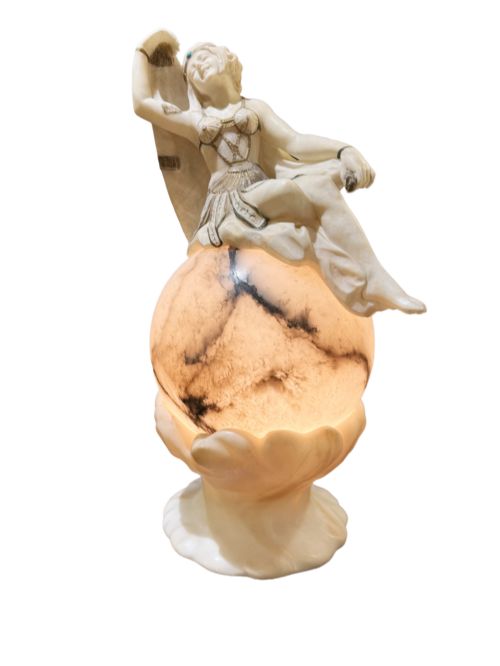
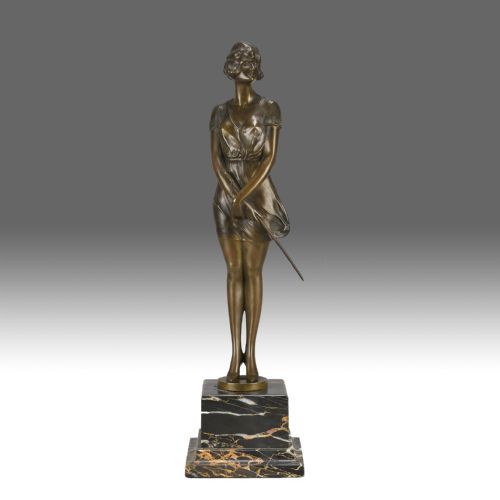
When you search for an art deco female statue, you encounter sculptural works that celebrate the human form through dancers, bathers and allegorical figures. The selections on this page focus heavily on the interwar periods of the nineteen twenties and thirties, alongside occasional earlier nineteenth century pieces. Forms range from cabinet-sized figurines and table lamps to substantial bronzes and advertising displays.
Most examples lean directly into the dominant French Modernist and Art Deco vocabularies of the era, though Balinese Art Deco and Edwardian stylistic undertones also appear. Subjects are frequently caught in motion, depicting ballet dancers, cabaret performers and athletes with stylised gestures. These works function primarily as decorative art objects designed to punctuate mantelpieces, sideboards and pedestals.
Materials and construction
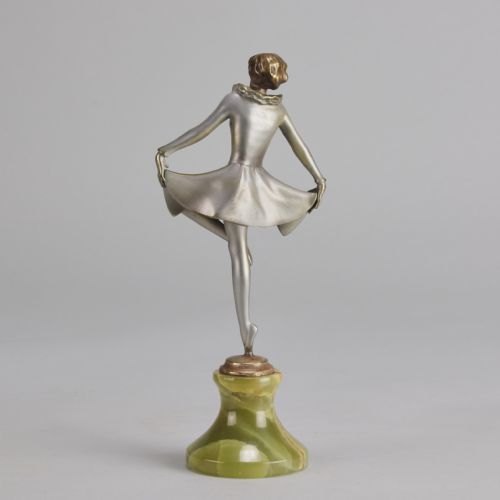
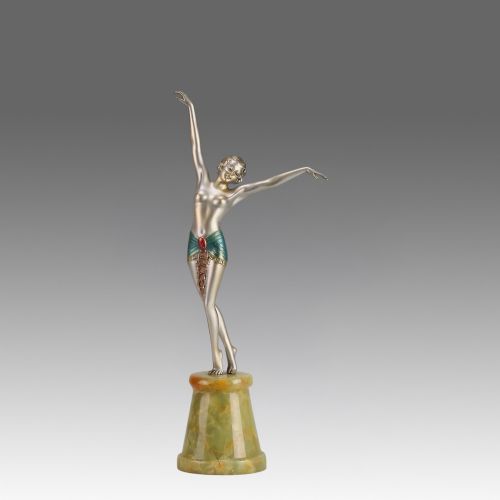
Foundry practice relied heavily on casting bronze, often enhanced with cold-painted finishes, gilt accents or patinated surfaces to accentuate costume details. Spelter and patinated metal provided a more accessible alternative to bronze for economic figures and spelter ice skaters, sometimes mounted on heavy marble or onyx bases. Artisans also worked in carved wood, glass and porcelain, while chryselephantine pieces combined metal with carved ivory for faces and hands.
Surface decoration required steady handwork, particularly in the meticulous application of cold-painted pigments to emulate textiles, hair and skin tones. Bases were turned from contrasting natural stones such as green onyx or veined marble to anchor the verticality of the figures. Details like chrome plating and painted metal finishes emerged to reflect contemporary industrial aesthetics.
Art Deco Female Statue Retail Price Guide 2026
Typical asking prices for art deco female statue among the pieces listed under this phrase on Sellingantiques today, from the lower quarter to the upper quarter. They describe what is for sale here now, not the wider market.
The listings demonstrate a strong reliance on bronze, marble and spelter as the primary media for figurative works.
Variations in quality
Hand-applied surface treatments distinguish workshop standards, particularly the subtlety of cold-painted polychrome layers or the depth of the chemical patina. Signed pieces by recognised modellers generally demonstrate superior anatomical proportion and balance compared to anonymous castings or later reinterpretations. The choice of base material, such as substantial solid marble rather than composite stone, similarly separates standard commercial production from masterworks.
Bruno Zach·Pierre le Faguays·Ferdinand Preiss·Josef Lorenzl·Demetre Chiparus·Aurore Onu·C J R Colinet·Zoldan Kovats·Georges-Charles Coudray·Sibylle May·Hagenauer·Maurice Guiraud Riviere·Paul Philippe·Theo Voss·Menneville
The Art Deco Female Statue Glossary
- Chryselephantine
- A sculpture combining metal, typically bronze, with carved ivory for the flesh portions. This technique gained immense popularity among European makers during the interwar period.
- Cold-painted
- A method where paint is applied to a bronze or metal object without subsequent firing or heat curing. It requires careful conservation to prevent flaking over time.
- Spelter
- An alloy of zinc and lead used as a cheaper substitute for bronze. It is softer and lighter than bronze, often finished with a bronze-effect paint.
- Patination
- The chemical process or artificial coloration applied to the surface of metal sculptures to create tone and depth. It protects the underlying material while defining contours.
- Stylised
- Design treatment that simplifies or exaggerates natural forms into geometric or decorative patterns. It defines the visual language of the period.
Art Deco Female Statue: Frequently Asked Questions
What is chryselephantine?
Chryselephantine describes sculptures that combine bronze with carved ivory, typically using the ivory for faces, hands and carved costume details. This technique was favoured by European studios to add tactile contrast to metallic garments.
The method required exceptional skill from carvers and metalworkers to ensure the two distinct materials joined seamlessly without weakening the internal structure of the figure.
Are these figures signed?
Many sculptures carry signatures, foundry marks or incised artist names directly on the bronze casting or engraved into the marble base. Signatures range from clear, deep stamps to subtle script initials.
Unsigned examples are common and were often produced for department stores or distributed through smaller ateliers without individual artist attribution.
What is spelter?
Spelter is a zinc-based alloy commonly utilised as an affordable alternative to bronze during the early twentieth century. It offers a lighter weight and softer texture than bronze.
Because spelter is more fragile, figures cast in this material frequently rely on thicker structural sections and heavier stone bases for stability.
Where were they displayed?
These statues were originally created as interior ornaments for urban apartments, private salons and contemporary office interiors. They occupied prominent positions on mantelpieces, occasional tables and custom pedestals.
Table lamp versions combined ambient illumination with figurative sculpture to serve a functional role in domestic lighting.