





Art Deco Desk Statue
When you want an art deco desk statue, you seek the sleek metal and stone figures that define twentieth-century modernist interiors.
Art Deco Desk Statue
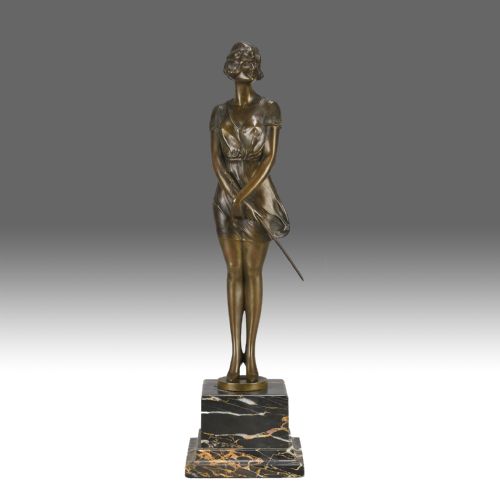
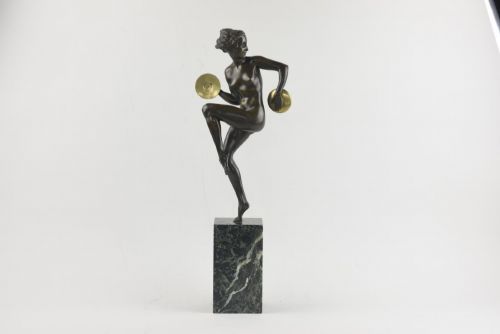
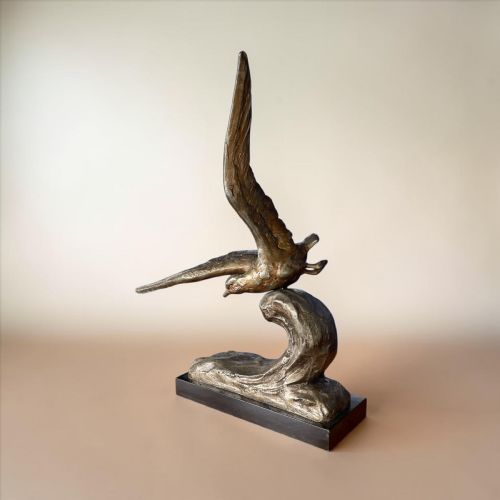
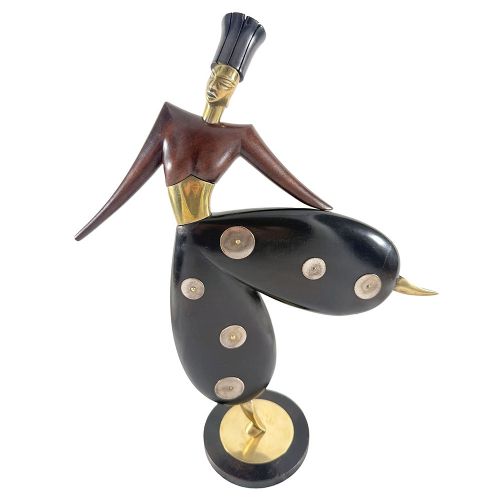
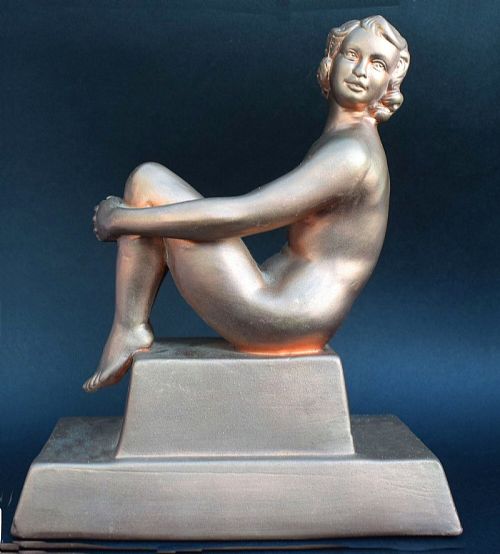
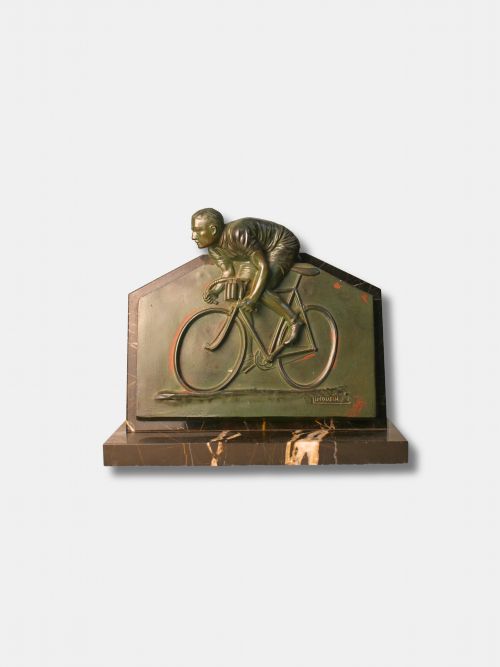
An art deco desk statue spans stylised animal figures, athletic human forms, and female dancers cast in motion. These pieces frequently appear mounted on heavy stone plinths or bases made from marble and onyx.
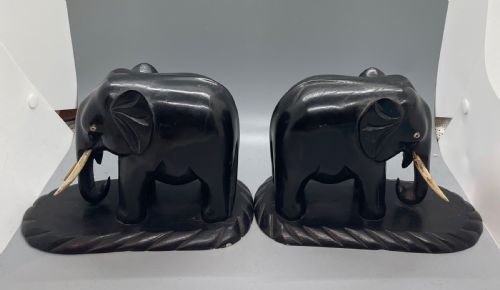
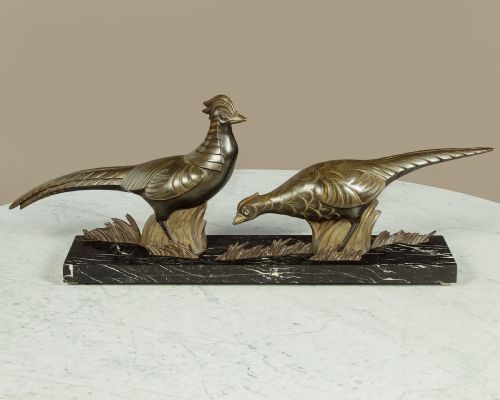
The selection ranges from French animaliers depicting panthers and pheasants to figures of dancers and sporting mascots. Bookends, table lamps, and individual sculptures dominate the forms available in this category.
Originating predominantly from the early decades of the twentieth century, particularly the nineteen-twenties and nineteen-thirties, these works capture the energetic spirit of the interwar period.
Materials and Construction
Foundry workers utilised traditional lost-wax casting methods to shape bronze into complex, linear silhouettes. Other pieces use spelter or patinated metal as more economical alternatives to solid bronze.
Statues rely heavily on heavy bases of polished marble and onyx to anchor the dynamic metal or wooden superstructures. Details frequently incorporate carved wood, brass, silvered bronze, and occasionally porcelain elements.
Greyhounds and racing dogs dominate the animal subjects, proving that interwar desk owners appreciated canine velocity.
Assessing Quality and Execution
The precision of the casting and the crispness of the chased surface detail separate standard commercial foundry output from masterworks. Sharp facial expressions and clean drapery folds indicate superior artistry.
The integration between the sculpture and its stone base dictates visual success, where well-fitted metal pins and dense, unblemished marble elevate the piece. Patination depth also plays a critical role in how light interacts with the metal surface.
Bruno Zach·Aurore Onu·Sibylle May·Josef Lorenzl·Pierre Le Faguays·Laszlo Hoenig·Eugène Désiré Piron
The Art Deco Desk Statue Glossary
- Spelter
- A zinc alloy commonly used as a substitute for bronze in interwar European sculpture. It takes patination well but possesses a lighter weight and softer durability than copper alloys.
- Patinated metal
- Metal treated with chemical solutions to produce a specific surface colour or aged finish. This process protects the underlying material while enhancing aesthetic depth.
- Onyx
- A banded variety of chalcedony frequently used for sculptural plinths and bases during the period. Its translucent quality and natural striping complement dark metal figures.
- Lost-wax casting
- A historic metalworking process where a molten metal is poured into a mould that has been created by melting away a wax model. This technique allows for exceptional detail and undercut forms.
- Bookends
- Paired heavy objects designed to support upright rows of books, often cast as symmetrical animal or human figures. They function equally well as standalone desk statues.
Art Deco Desk Statue: Frequently Asked Questions
How do I distinguish bronze from spelter?
Bronze objects feel noticeably heavier and ring with a clear tone when tapped gently, whereas spelter feels lighter and more brittle. Examining the underside often reveals the paler grey metal beneath worn areas of patination on spelter pieces.
Foundry marks and chiselled surface details also point toward bronze, as the softer zinc alloy cannot hold the same crisp definition over decades of handling.
Were these statues originally meant for desks?
Many figures and animal bronzes served as desk accessories, inkstand companions, or decorative bookends in offices and libraries during the interwar period. Their compact scale allowed them to sit comfortably among writing equipment and correspondence.
Larger interpretations functioned primarily as mantelpiece ornaments or standalone gallery sculptures rather than functional desk furniture.
How do I clean a marble and bronze statue?
Dust the bronze regularly with a soft, dry microfibre brush to prevent grime accumulation on the patinated surface. Avoid chemical polishes that strip away the original aged finish.
Clean the marble base using a damp cloth with mild soap, drying it immediately to protect the polished stone from water staining.
Why do some figures have marble bases?
The dense stone plinths provide essential physical stability for top-heavy metal figures caught in dynamic, leaning poses. They also create a visual contrast between the dark metallic sculpture and the colourful mineral strata of the stone.
This pairing became a defining aesthetic signature of the modernist design movement.