


Art Deco Dressing Mirror
An art deco dressing mirror brings geometric elegance to a vanity, offering sleek lines and adjustable reflection for the modern interior.
Identifying an art deco dressing mirror
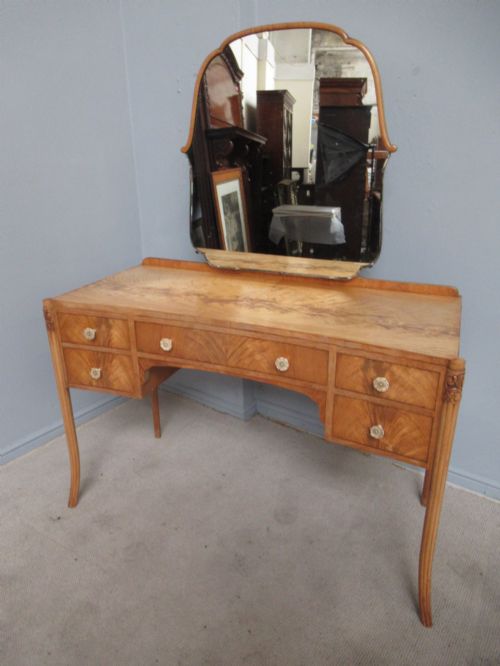
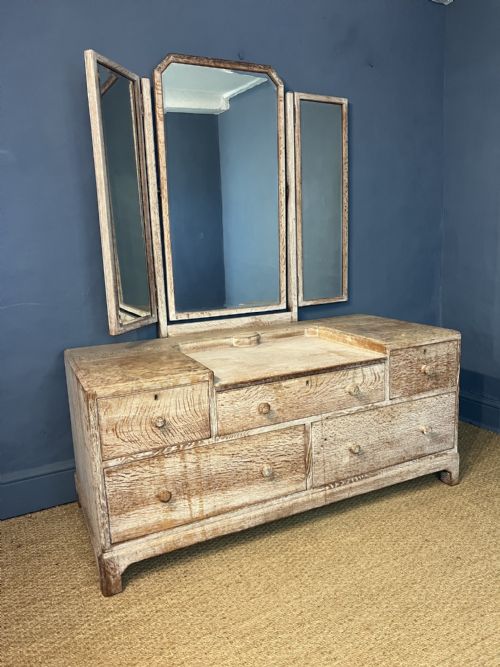
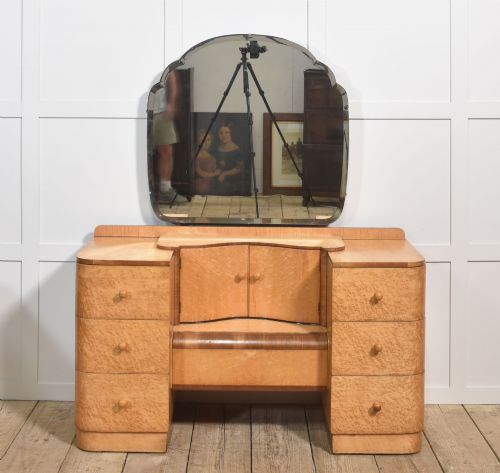
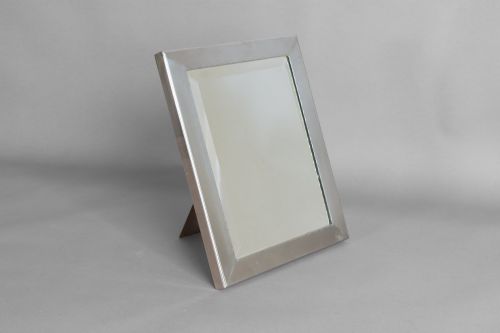
When you search for an art deco dressing mirror, you encounter vanity mirrors, dressing mirrors, and complete dressing tables dating from the nineteen-twenties and nineteen-thirties. These pieces emerge in various portable table forms, such as easel backs and revolving swing frames, as well as substantial cheval heights and triptych panel designs.
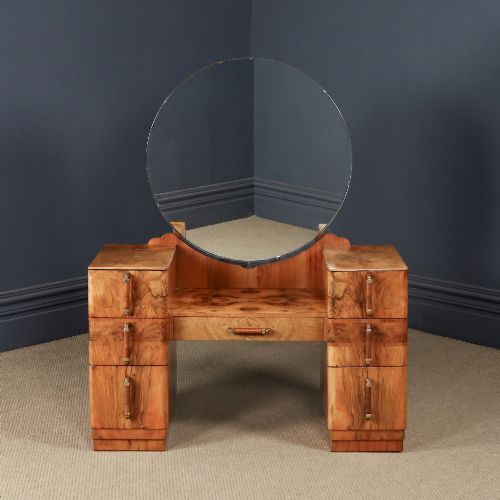
The domestic interior of the interwar period relied on these objects for daily grooming, utilising pivoting plates to catch the light from every angle. You will frequently meet compact vanity styles alongside large pedestal tables equipped with integrated mirrors and matching stools.
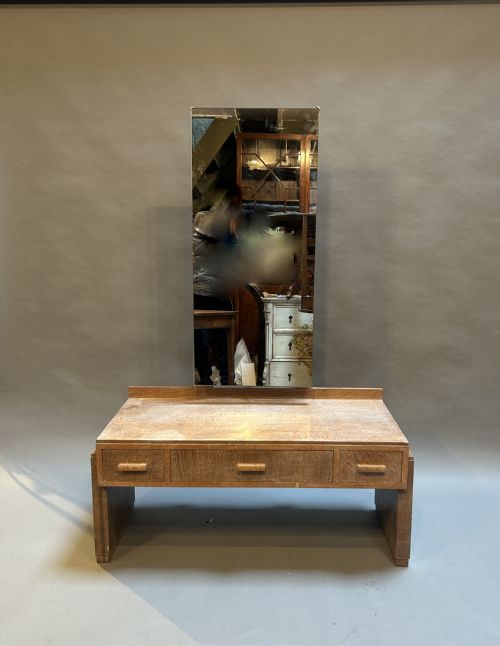
Continental origins appear alongside English examples, reflecting a widespread enthusiasm for streamlined geometry and functional dressing furniture. The surviving stock ranges from simple tabletop swing mirrors to architectural dressing units complete with drawers.
Materials and construction
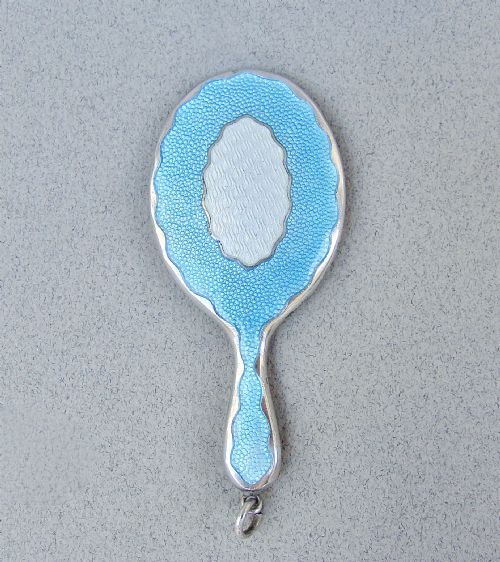
Cabinet makers utilised walnut, burr walnut, sycamore, and ebonised timber, often pairing rich wood grains with contrasting lacquered finishes in black and green. Metal elements incorporate brass, chrome, and gilt framing, while specialised glass includes peach tints, standard mirror glass, and sterling silver pink enamel.
Structural bases frequently employ board alongside natural stone elements such as green onyx and marble, providing a solid foundation for pivoting plates. Decorative accents range from chalk figures and floral bocage work to Rococo gilt interpretations of the geometric style.
Retail Price Guide 2026
Typical UK retail prices for art deco dressing mirror, calculated from the Sellingantiques database of over a million retail prices indexed since 2003. This retail price guide relies exclusively on Sellingantiques data; no external sources or auction records are used, so the figures do not describe the wider market.
The archive shows walnut, chrome, brass, and green onyx appearing alongside peach glass and mirror glass across the interwar period.
Judging quality and design
The upper tier of these pieces distinguishes itself through superior timber selection, such as figured burr walnut and sycamore, matched with complex multi-plate configurations like triptychs and revolving mechanisms. Premium examples often integrate functional cabinetry, including drawers and pedestals, executed with precision joinery.
Simpler tabletop easel versions and painted board variants sit at the accessible end of the spectrum, relying on straightforward brass fittings rather than elaborate structural engineering. The presence of coloured glass panels, such as peach or pink enamel, elevates the decorative ambition of the individual piece.
The Art Deco Dressing Mirror Glossary
- Cheval mirror
- A full-length mirror hung in a freestanding frame that tilts on vertical pivots. This design allows the entire glass plate to swing forward or backward.
- Triptych mirror
- A three-panel mirror arrangement where the outer wings angle inward on hinges. This configuration provides side views during grooming.
- Pedestal dressing table
- A dressing unit featuring banks of drawers supporting a central tabletop and mirror. It represents a heavier, more permanent bedroom furniture form.
- Easel mirror
- A tabletop dressing mirror supported by a hinged prop at the back. It rests securely on surfaces without requiring permanent wall or table fixings.
Frequently Asked Questions
How do I date an art deco dressing mirror?
Dating relies primarily on stylistic evidence and materials from the nineteen-twenties and nineteen-thirties, such as specific wood veneers and coloured glass plates.
Makers frequently combined traditional cabinet woods with modern chromium plating during the height of the period, helping to narrow the manufacturing window.
What is a triptych dressing mirror?
A triptych design incorporates three distinct glass panels hinged together so the outer two swing inward.
This layout allowed users to see their profile while seated at a dressing table during the interwar decades.
Where should I place a cheval mirror?
A freestanding cheval mirror requires sufficient floor space to allow the heavy frame and pivoting mechanism to operate safely.
Placing the piece near a light source maximises its reflective qualities in a modern bedroom.
How do swing mirrors stay in position?
Swing mirrors utilise tension screws or threaded pivot pins connecting the glass frame to the upright supports.
Adjusting these side fittings restores the necessary friction to hold the mirror plate at the desired angle.