



Art Deco Decorative Figure
An art deco decorative figure captures the streamlined energy of the interwar years through bronze, ceramic and marble.
Art Deco Decorative Figure
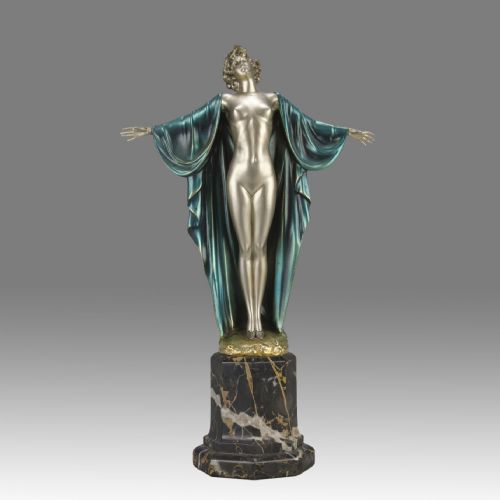
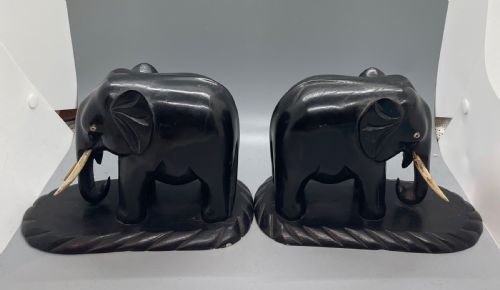
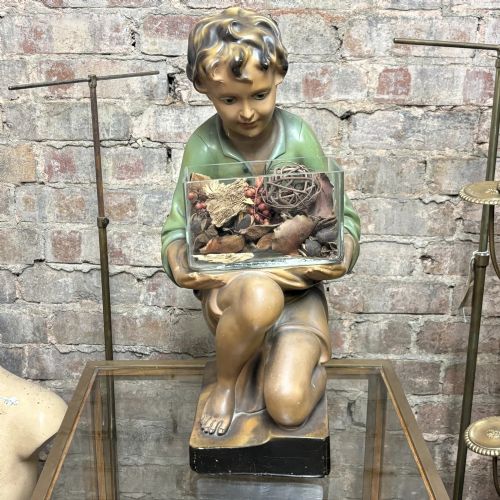
An art deco decorative figure brings stylised human forms, dancers and animals into domestic interiors from the nineteen-twenties and thirties. These pieces serve functional roles as bookends, lamps and clock garnitures alongside standalone sculptures.
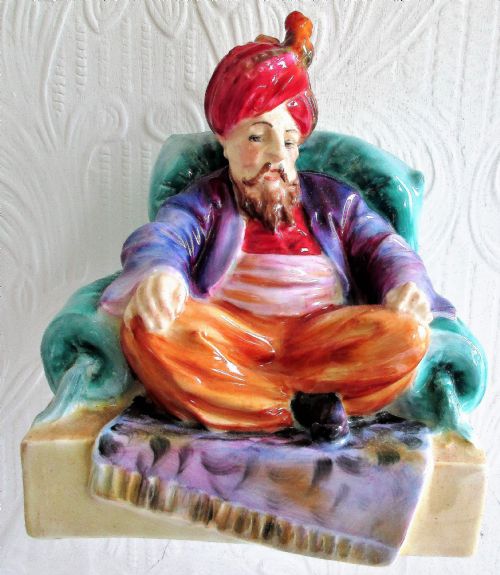
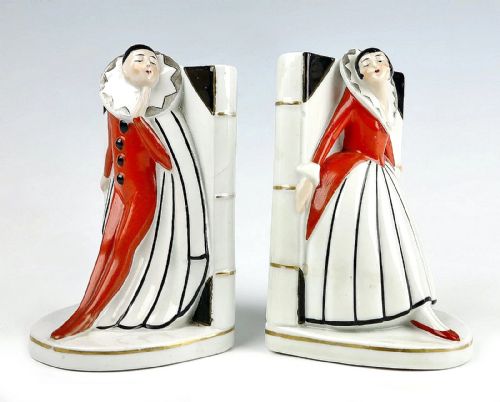
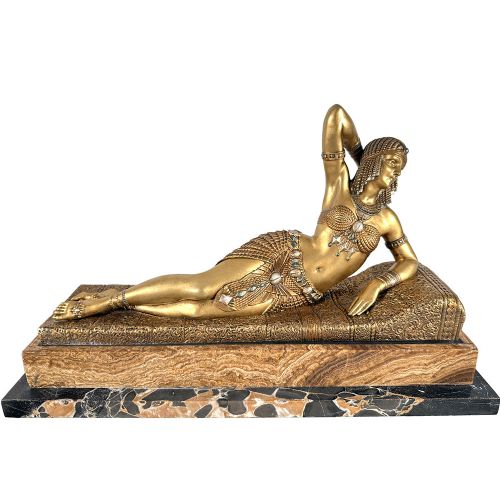
Bronze figures mounted on heavy marble or onyx bases dominate the selection, often depicting female dancers or athletic figures. Ceramic examples also appear frequently, spanning glazed dress ladies and porcelain figurines.
French and German workshops generated many of these designs, balancing metal casting with carved stone and hand-painted glaze. The resulting objects reflect the modern visual language of their period without excess ornamentation.
Materials and construction methods
Foundries cast figures in bronze, silvered bronze or cheaper spelter, often finishing the metal with cold-painted enamel or patination. These metal elements were subsequently mounted onto contrasting bases of solid marble, onyx or alabaster.
Ceramic and porcelain pieces relied on slip casting and detailed hand-painting, sometimes incorporating crackle glaze or rich colour pigments. Glass examples utilised mould-pressed techniques to achieve translucent sculptural depth.
Elephants, squirrels, leaping dogs and teddy bears share the spotlight with elegant human dancers across these shelves.
Distinctions in standard and execution
Quality rests upon the sharpness of the casting detail in metal works and the crispness of the modelling in ceramics. Finer foundry output preserves delicate facial expressions and garment folds without surface pitting.
The choice of base material signals the tier of the piece, with genuine multi-coloured marble and onyx supporting superior metal sculptures. Heavy patination wear or crude repainting diminishes the integrity of otherwise solid examples.
Ferdinand Preiss·Demetre Chiparus·Josef Lorenzl·Alexandre Kelety·Ugo Cipriani·Marius Ernest Sabino·Pierre le Faguays·Royal Doulton
The Art Deco Decorative Figure Glossary
- Spelter
- A zinc-based alloy commonly used as a cheaper alternative to bronze for sculptural casting during the period. It typically receives a bronze-coloured or painted finish.
- Patination
- The natural or chemical surface ageing on metal that creates colour variation and depth. Controlled patination enhances the contours of a cast figure.
- Garniture
- A matching set of ornamental objects, often comprising a mantel clock flanked by two matching vases or figures. These sets formed symmetrical centrepieces on fireplaces.
- Caryatid
- A sculpted female figure serving as an architectural support or structural element. In decorative arts, the term applies to figures upholding lamps or glassware.
- Cold painted
- A method where enamel paint is applied to metal objects without firing. This technique allowed vibrant coloration on bronze and spelter sculptures.
Art Deco Decorative Figure: Frequently Asked Questions
Where should I place an art deco figure?
These sculptures suit prominent display on mantelpieces, sideboards or desks where their silhouettes can be appreciated against a plain wall. Bookends work effectively on open shelving while lamp figures function well on side tables.
Keep them away from direct sunlight and excessive humidity to protect delicate cold-painted surfaces and polished stone bases.
How do I clean bronze and marble sculptures?
Dust bronze figures gently with a soft, dry cloth and avoid commercial polishes that can strip original patination. Marble bases respond well to a damp cloth followed by immediate drying.
Harsh chemical cleaners will damage both metal patinas and porous stone surfaces permanently.
How do I distinguish bronze from spelter?
Bronze feels heavier, rings with a clearer tone when tapped gently, and resists scratching beneath the base where metal may be exposed. Spelter is softer, lighter, and often reveals a silvery-grey interior beneath any surface finish.
Many period pieces utilised spelter effectively, but bronze commands higher regard among collectors.
What themes are common in these figures?
Dancers, athletes and animals dominate the repertoire, reflecting the interwar fascination with speed, movement and physical culture. Pierrots and female nudes also recur frequently across both ceramic and bronze mediums.
These subjects encapsulate the optimistic modernity of the nineteen-twenties and nineteen-thirties.