






Vintage Onyx Statuette
A vintage onyx statuette brings the sleek dynamism of the early twentieth century into a room with striking presence.
Vintage Onyx Statuette
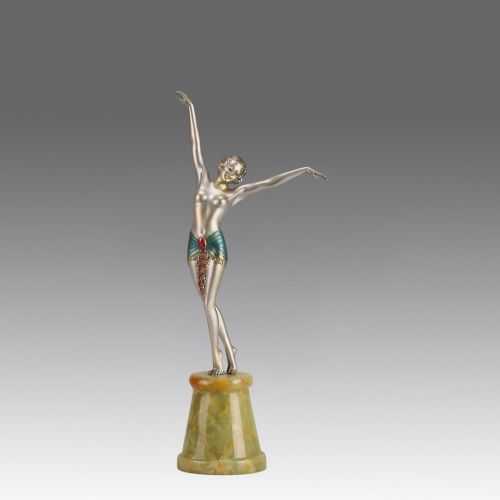
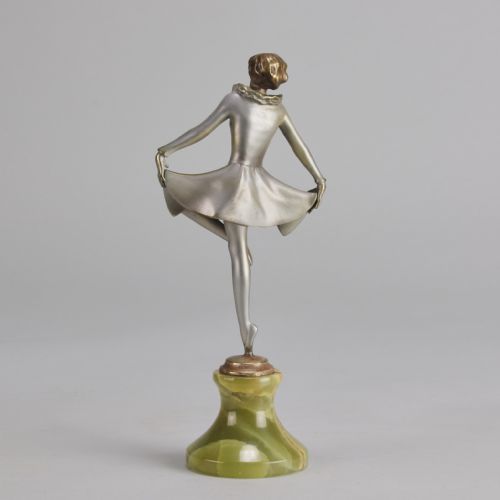
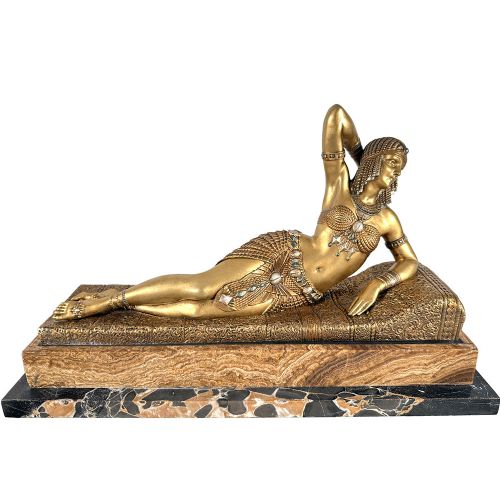
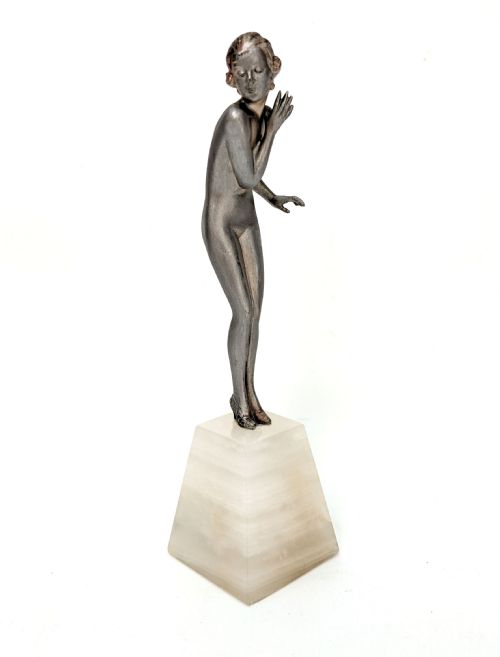
When you search for a vintage onyx statuette, you encounter sculptural works that bridge the gap between classical refinement and Art Deco energy. These pieces typically combine metal figures with distinctive stone bases, drawing on designs produced across the 1910s, 1920s and 1930s. The statuettes span a variety of forms, from dancers and nudes to animal studies and portrait busts.
The aesthetic leans heavily into Art Deco and Neoclassical styles, capturing human movement and character with sharp definition. You find figures in dynamic poses, such as dancers mid-stride or musicians with their instruments, mounted firmly on polished stone. These works reflect the artistic output of European workshops during the early decades of the twentieth century.
How They Were Made
Makers constructed these figures using bronze, spelter and marble, often applying cold-paint and enamel finishes to heighten surface detail. Bronze figures received careful patination or polychrome treatment, bringing out the vibrant costumes of dancers and the texture of animal fur. Spelter provided a more accessible alternative for metal casting during the period.
The sculptural elements sit upon bases cut from green onyx and white marble, serving as heavy, stable foundations for the figures above. Craftsmen polished the stone to a smooth finish that contrasts with the textured metals of the sculptures. Fixing pins and screws secure the metal figures directly into the stone plinths.
A sleepy baby rests quietly among the dancers, reminding us that early twentieth-century sculptors occasionally traded glamour for a nap.
What Varies in Quality
The relationship between the sculpture and its base dictates the integrity of the piece, as well-fitted mounts ensure the figure remains stable. Master sculptors achieved a fluid sense of motion that lesser productions fail to capture, translating weight into grace. The presence of a clear signature or attribution distinguishes workshop pieces from anonymous studio output.
Josef Lorenzl·Demetre Chiparus·Marion Willis Stanfield·Bruno Zach
The Vintage Onyx Statuette Glossary
- Onyx
- A banded variety of chalcedony used frequently for decorative bases and plinths in early twentieth-century sculpture. Its natural strata provide rich colour variation and a smooth, glossy surface.
- Cold-painted bronze
- A technique where bronze sculptures receive paint applications without subsequent kiln firing. This method yields vibrant polychrome surfaces on garments and skin, though the finish remains susceptible to flaking.
- Spelter
- A zinc alloy utilised as a cost-effective substitute for bronze in decorative figures. It takes patination well but possesses a lighter weight and softer structural integrity than bronze.
- Art Deco
- A design style dominant in the 1920s and 1930s characterised by sleek lines, stylised forms and geometric precision. It celebrated modern machinery, motion and glamour through varied artistic mediums.
- Neoclassical
- An artistic movement drawing inspiration from the classical art and culture of ancient Greece and Rome. It emphasises symmetry, proportion and restrained dignity in figurative subjects.
Vintage Onyx Statuette: Frequently Asked Questions
How do I display them?
Place these statuettes on sturdy surfaces where their detailed figures and polished stone bases can be viewed from multiple angles. Good lighting helps highlight the cold-painted colours and the natural veining in the onyx.
Keep them away from direct sunlight and moisture to protect the delicate painted finishes on the metal. Ensure the display location offers adequate physical support given the substantial weight of the stone.
Are bases always onyx?
Bases appear primarily in green onyx and marble, chosen to anchor the lighter metal figures above. The stone provides both functional stability and an attractive visual contrast to the bronze or spelter.
While green onyx is common, white marble also appears among the listings. Each stone base is cut and polished to complement the specific style of the sculpture it supports.
How to spot Art Deco?
Art Deco pieces display stylised human forms, dynamic movement and streamlined silhouettes that reflect twentieth-century modernity. The subjects often include dancers, nudes and musicians captured in energetic poses.
The materials and mounting techniques match the aesthetic of the 1920s and 1930s. Look for geometric proportions in the figures and polished stone bases that typify the era's design philosophy.