


1930s Spelter Statue
A 1930s spelter statue brings the sleek geometry and dynamic movement of the interwar period directly onto a mantelpiece.
1930s Spelter Statue
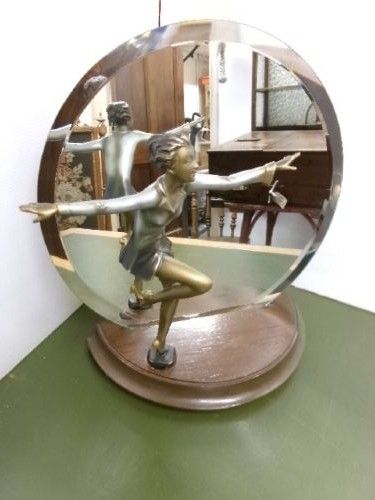
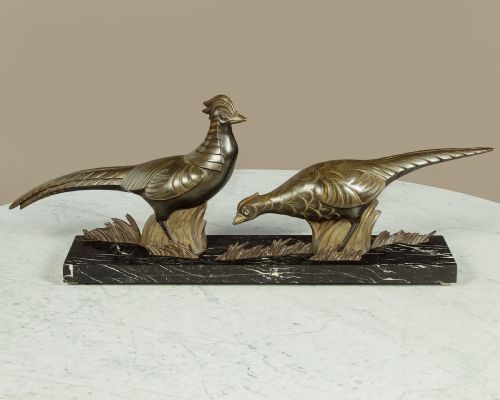
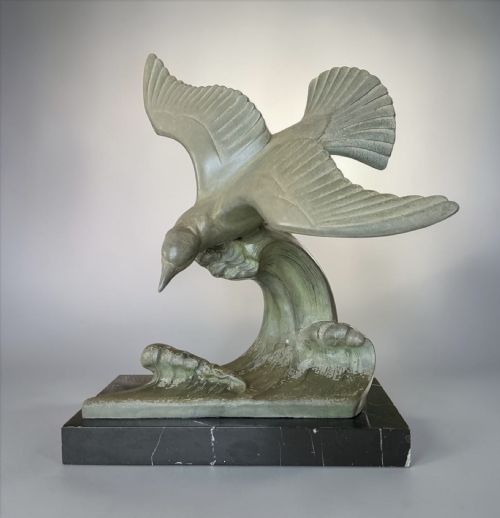
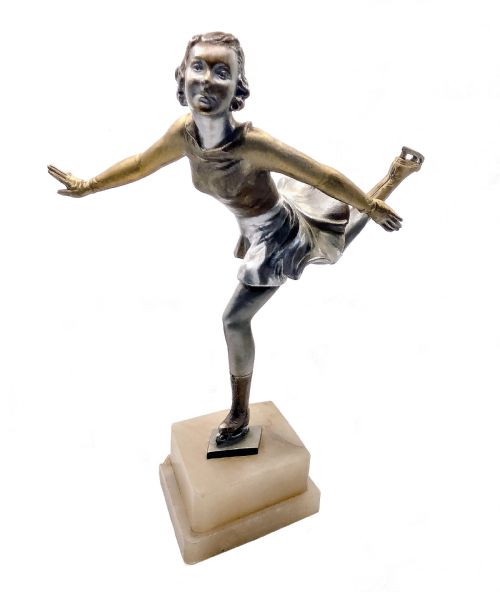
A 1930s spelter statue captures the definitive Art Deco aesthetic through depictions of dancers, athletes, animals, and figural groups. These pieces frequently emerge from French studios, translating the vibrant energy of the era into solid form.
The most common formats on this page pair a cast metal figure with a heavy stone foundation. Figures of women, panthers, stags, and birds dominate the inventory, often functioning as standalone sculptures, table lamps, or occasional table lighters.
Objects span from the 1920s into the 1930s, reflecting a stylistic shift towards streamlined motion and modern elegance. Figures balance on multi-tiered bases of marble, onyx, or alabaster, grounding the lighter metal casting above.
Materials and casting techniques
Spelter serves as the primary medium, utilising a zinc-based alloy that takes fine detail during the casting process. Workshops enhanced these metal surfaces using cold paint, patination, or treatments mimicking bronze to achieve rich visual depth.
Mounting bases rely on natural stone materials, predominantly black marble and onyx, secured underneath the metal figures. Secondary elements incorporate glass components, particularly in lamp configurations or integrated lighting designs.
Current listings feature Art Deco sculptures cast in spelter alongside natural marble, onyx, and alabaster bases.
Distinguishing quality in period casting
The integrity of the stone base and the harmony between the metal sculpture and its foundation dictate overall refinement. Pieces retaining their original patination or cold painted details demonstrate superior preservation compared to later overpainting.
Josef Lorenzl·P. Sega·Geo Maxim·H. Bal·Chiparus
The 1930s Spelter Statue Glossary
- Spelter
- A zinc-based alloy commonly used as an economical alternative to bronze for decorative sculptures during the early twentieth century. It allows for intricate surface detail while remaining lighter than traditional bronze.
- Art Deco
- A design style spanning the 1920s and 1930s characterised by streamlined shapes, geometric patterns, and representations of speed and modernity. This aesthetic heavily influences the posture and clothing of figures from the period.
- Patinated Metal
- A chemically induced surface treatment applied to metal to simulate natural ageing or create specific colour tones. It protects the underlying alloy while enhancing the visual contrast of sculptural details.
- Cold Paint
- Paint applied to a sculpture after the metal casting process without subsequent firing or heat curing. Because it sits on the surface rather than fusing into the metal, original cold paint is prized for its survival.
- Onyx
- A banded variety of chalcedony frequently utilised for heavy architectural bases supporting figural sculptures and lamps. Its polished surface provides a contrasting textural weight to the metallic figures above.
1930s Spelter Statue: Frequently Asked Questions
How do I identify a 1930s spelter statue?
Examine the base materials and sculptural style for characteristic Art Deco motifs such as stylised dancers, athletes, or animals mounted on marble and onyx plinths. Check the metal weight and surface texture to distinguish spelter from heavier bronze castings.
Look for signature markings or stamps near the base of the metal figure, though many period pieces remain unattributed or carry indistinct foundry signatures.
Where should I display a spelter sculpture?
Place sculptures on stable horizontal surfaces away from direct sunlight and high moisture areas to protect the delicate cold paint and patinated finishes. Heavy marble and onyx bases require sturdy support to prevent tipping.
Pair figural groups or animal statues with complementary interior settings where adequate lighting can highlight the metallic contours and stone grain.
Are these statues made of bronze?
Most pieces utilise spelter, which is a softer, zinc-based white metal alloy rather than copper-alloy bronze. Manufacturers often applied dark patination or metallic paint to simulate the appearance of bronze. Nail tests or scratching should be avoided; instead, inspect the underside or areas of wear where the lighter grey metal beneath the surface finish may be visible.
What functional items exist in this style?
Beyond static display figures, period workshops produced table lamps, night lights, and functional table lighters integrated into the sculptural composition. These items combine decorative figures with utilitarian elements like glass shades or lighter mechanisms.
Functional pieces maintain the same artistic subjects, such as Pierrot figures or female dancers, while serving a practical purpose on desks or sideboards.