


Art Deco Animalier Figure
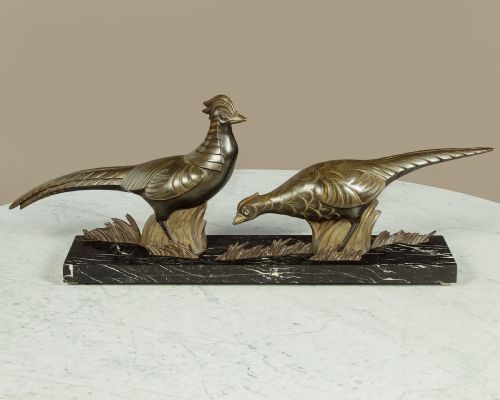
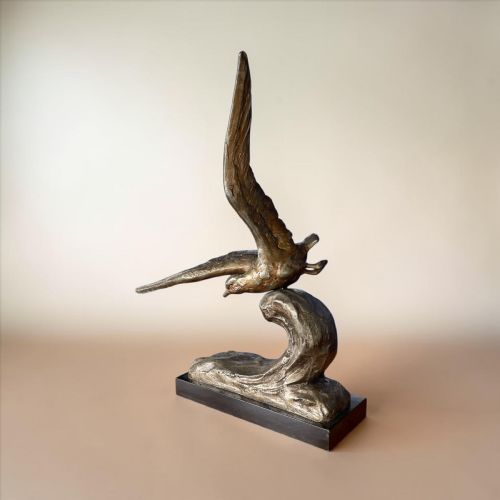
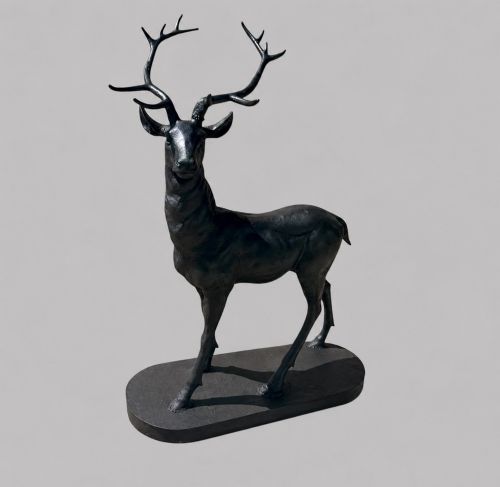
These art deco animalier figure pieces capture wildlife with modernist lines and stylised strength, bringing dynamic movement to any mantelpiece.
Art Deco Animalier Figure
An art deco animalier figure represents wild creatures, domestic pets and birds through the lens of twentieth-century design. These sculptures isolate motion, capturing large cats in mid-prowl or hounds caught in tense anticipation.
Most examples originate from the 1920s and 1930s, aligning closely with the height of the style. The forms span solitary lions, pacing panthers and soaring birds mounted securely upon heavy stone bases.
Makers frequently employ substantial plinths made of marble or onyx to anchor the metal or wooden subjects. These combined elements deliver a distinct silhouette that defines the visual character of the era.
How they were made
Foundries cast these figures in bronze or spelter, applying patinated, silvered or gilt finishes to alter the surface texture. Bronze provides a dense, lasting weight while spelter offers a lighter alternative cast with crisp surface detail.
Sculptors also carved subjects directly from wood and alabaster, highlighting the natural grain or translucent quality of the medium. These carved elements sit fastened to contrasting bases of marble or carved timber.
Greyhounds appear as racing champions and silvered companions.
What varies in quality
Quality rests in the fidelity of the casting and the crispness of the chisel work across the fur or feathers. Finer pieces demonstrate careful anatomical observation combined with clean, deliberate geometric reduction.
The choice of base materials also distinguishes the standard of a piece, with dense veined marble and shaped onyx elevating the presentation. Superior patination and the presence of clear signatures further separate individual works.
Eugene Emile Borga·C Masson·Karl Hagenaur·Guido Cacciapuoti·Chiparus·Michel Decoux·I Rochard
The Art Deco Animalier Figure Glossary
- Animalier
- A term describing art that portrays animals as the primary subject. Sculptors working in this genre focus heavily on realistic anatomy or stylised movement.
- Spelter
- An alloy based on zinc, frequently utilised as a cost-effective substitute for bronze during the period. It accepts patination readily to simulate heavier metals.
- Patina
- The surface coloration and finish achieved through chemical treatment or natural age. This layer protects the underlying metal and defines the visual depth of the sculpture.
- Alabaster
- A fine-grained, soft stone used for carving figures and bases. Its subtle translucence allows light to penetrate the surface of the carved subject.
Art Deco Animalier Figure: Frequently Asked Questions
How do I clean bronze sculptures?
Dust the surface gently with a soft, dry brush to prevent the accumulation of grit within the crevices. Avoid chemical polishes that strip away the original patination.
Apply a very light coat of microcrystalline wax occasionally if the metal requires protection. Buff the surface softly with a clean cloth to restore a subtle sheen.
What is spelter?
Spelter is a zinc-based alloy that sculptors utilised as a lighter and more affordable alternative to bronze. It was cast in moulds and finished with various patinas.
While softer than bronze, spelter allows for sharp sculptural detail. Pieces made from this material require careful handling to avoid surface dents.
Where should I display these figures?
Place sculptures on sturdy surfaces such as sideboards, mantelpieces or dedicated display cabinets where their weight is fully supported. Keep them away from direct sunlight.
Ensure the location experiences stable humidity levels to protect wooden elements and stone bases. Adequate spacing allows the dynamic silhouettes of the animals to remain visible.