





Art Deco Marble Base Sculpture
An art deco marble base sculpture combines sleek metal figures with heavy stone plinths, capturing the swift movement of the interwar period.
Art Deco Marble Base Sculpture
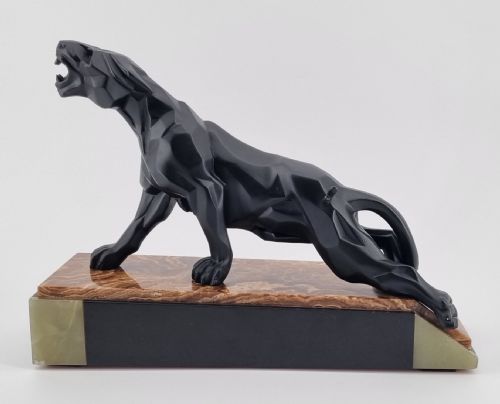
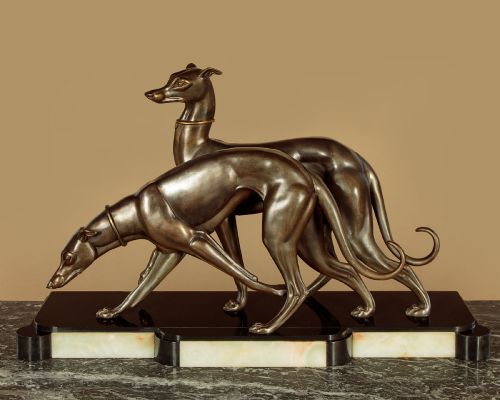
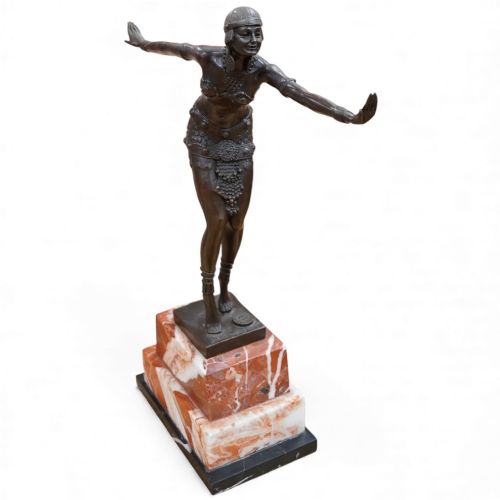
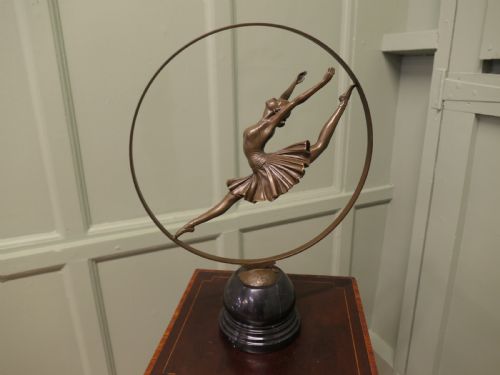
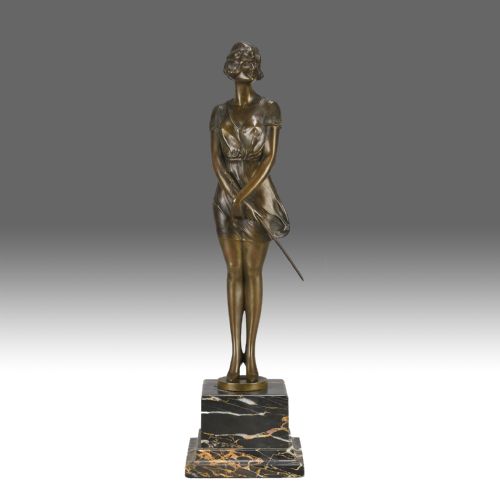
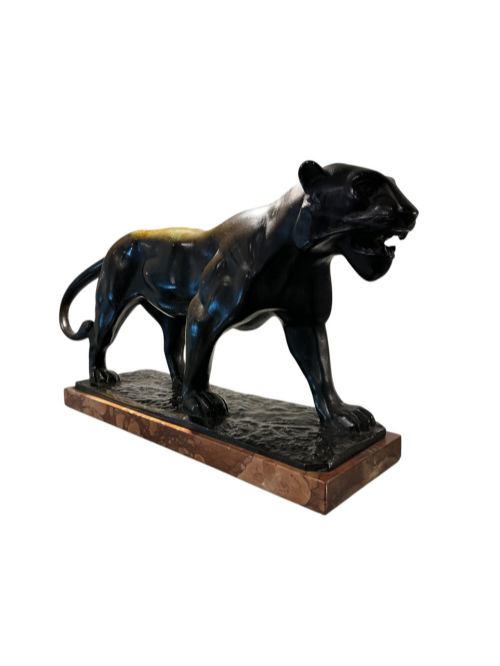
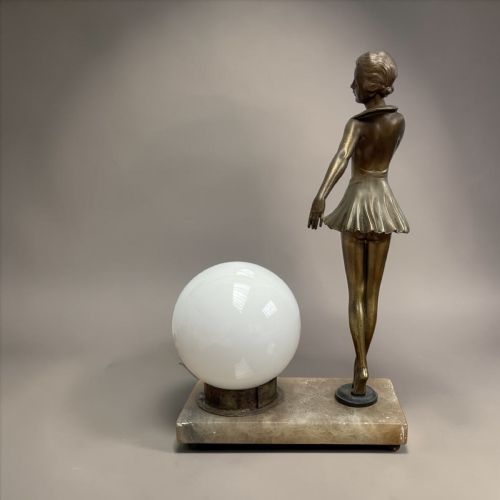
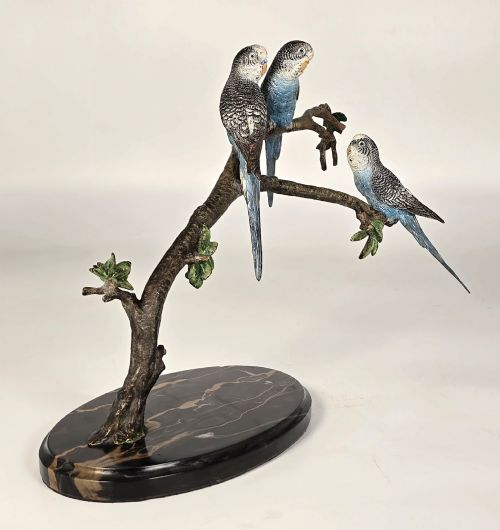
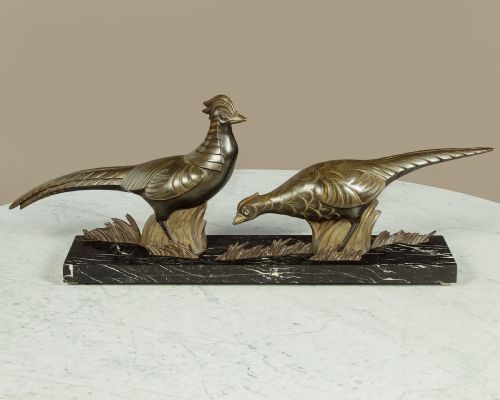
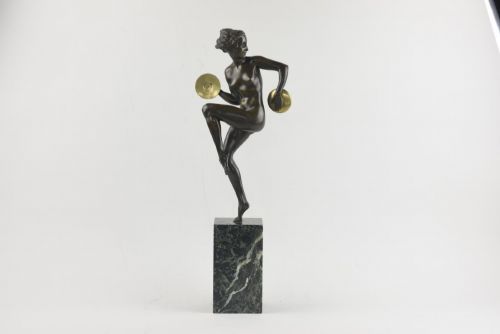
Buyers searching for an art deco marble base sculpture encounter figures representing dancers, athletes, animals and birds mounted on solid stone plinths. The most frequent versions feature patinated metal, bronze or spelter characters anchored firmly to polished black or multi-coloured marble slabs.
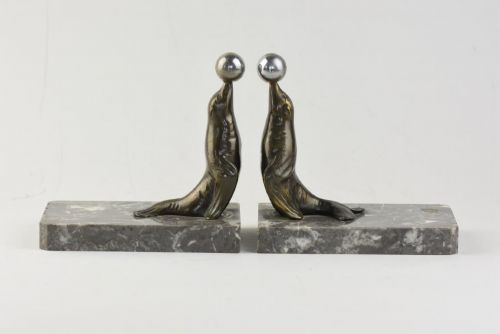
Subjects range from dynamic human dancers and tennis players to stylized panthers, stags and birds of flight. Many pieces serve functional roles too, appearing as bookends, trophies or table lamps alongside pure display figurines.
Materials and Construction
Foundry methods of the period typically utilised bronze or lower-cost spelter, sometimes finished with cold painting, silvering or gilt details. These metallic figures were then secured to substantial marble bases using threaded bolts or pins.
Makers selected contrasting stones such as black marble, onyx and Verde Genova to ground the lighter metal figures visually and physically. Artisans combined these hard elements with carved ivory in certain sculptural groups to accentuate gesture and costume.
Listings feature works spanning the 1910s to the 1940s, predominantly highlighting human dancers, athletes and stylized fauna.
Judging Quality in the Medium
Distinctions in quality rest largely upon the fidelity of the casting and the crispness of the chisel work applied to the metal figure. Finer examples retain meticulous surface detail in hair, drapery and feathering without losing the clean lines characteristic of the style.
The choice and preparation of the stone plinth also dictate the tier of a piece, with solid, well-polished multi-coloured marbles and heavy onyx slabs indicating superior production standards. Artisanal signatures etched directly into the metal or stone further elevate the standing of an individual work.
Bruno Zach·Pierre le Faguays·Ferdinand Preiss·Demetre Chiparus·Maurice Guiraud Riviere·Claire Jeanne Roberte Colinet
The Art Deco Marble Base Sculpture Glossary
- Spelter
- A zinc-based alloy commonly utilised as a cost-effective alternative to bronze during the interwar years. It takes patination well but remains softer than true bronze.
- Cold Painted
- A technique where colour is applied to metal surfaces without the use of high-temperature firing. The paint sits directly on the bronze or spelter base.
- Patinated Metal
- Metal treated with chemicals to produce a specific surface colour or aged finish. This process protects the underlying alloy while enhancing sculptural depth.
- Animalier
- A genre dedicated to the realistic or stylized depiction of animals. These sculptures frequently capture beasts in motion, such as panthers, stags or birds.
- Plinth
- A heavy block of marble or onyx serving as the solid foundation for a figure. It provides necessary physical ballast and visual framing for the sculpture.
Art Deco Marble Base Sculpture: Frequently Asked Questions
Are these figures detachable from the marble?
Most figures are secured to the stone plinth from underneath using threaded metal rods and nuts hidden beneath the base. Dismantling them is unnecessary and risks damaging the delicate attachment points.
Leave the mounting intact and lift the entire assembly by supporting the heavy stone base rather than the metal figure above.
How can I tell bronze from spelter?
Bronze carries a heavier weight and a warmer, more resonant feel, whereas spelter feels lighter and colder to the touch. Examining any points of wear will reveal a yellowish or silvery grey metal beneath the surface patina if the piece is spelter.
Finer castings in bronze display sharper surface details and crisper chisel marks from the finishing process.
What is the difference between marble and onyx bases?
Marble is a metamorphic rock with veined or solid coloration, offering a dense and uniform appearance beneath the sculpture. Onyx is a form of banded chalcedony that often exhibits a translucent quality, allowing light to penetrate the surface layers.
Both materials provide the substantial weight required to balance slender metal figures, but onyx introduces warmer honey tones and greater optical depth.