






Bronze Spelter Sculpture
A bronze spelter sculpture brings tactile figures, animals and lighting into a room, blending metallic presence with accessible form.
Bronze Spelter Sculpture
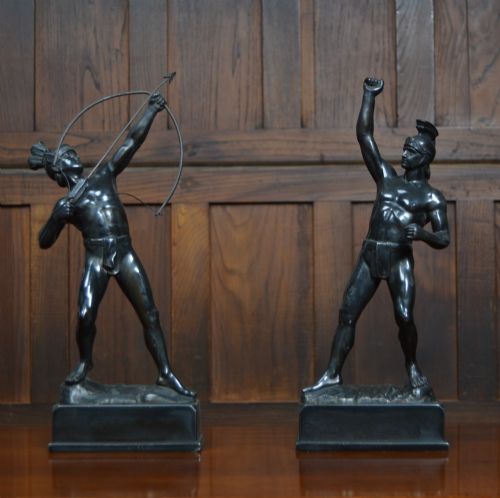
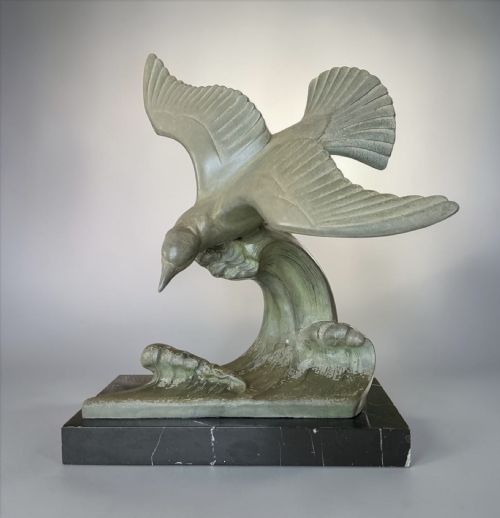
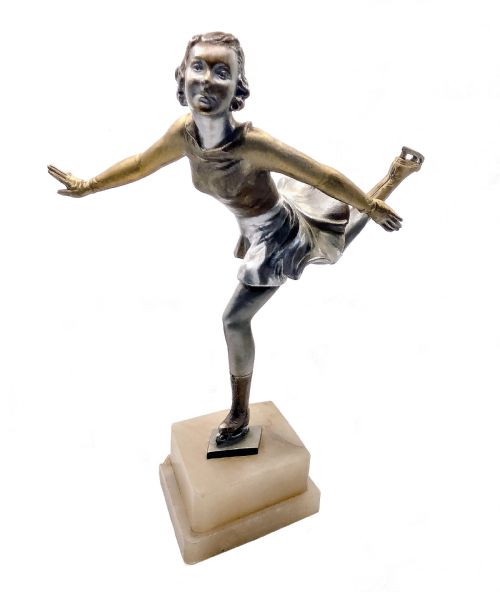
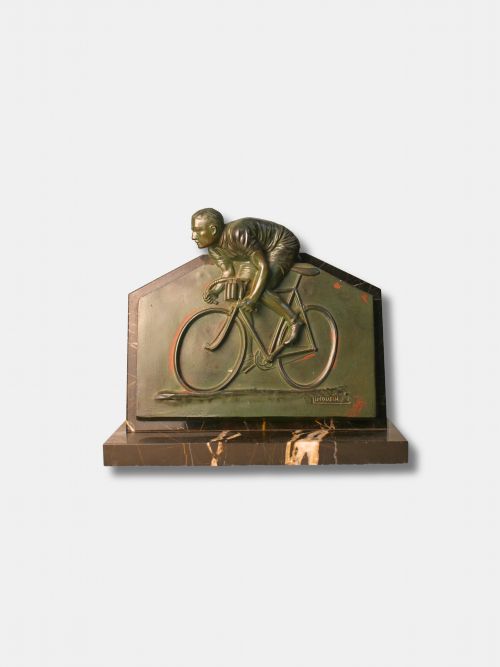
When people search for bronze spelter sculpture, they are looking at decorative figures, lamps, clock sets and bookends produced mainly across the nineteenth and twentieth centuries. These objects capture human figures, athletic subjects, animals and historical characters cast in zinc-alloy compositions.
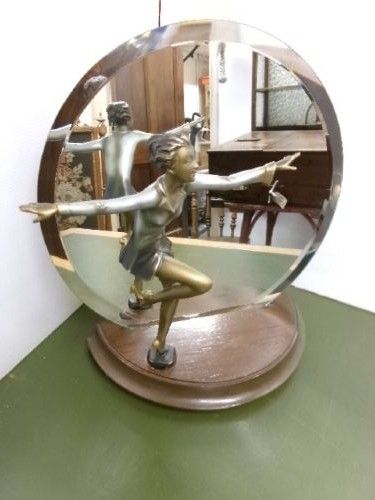
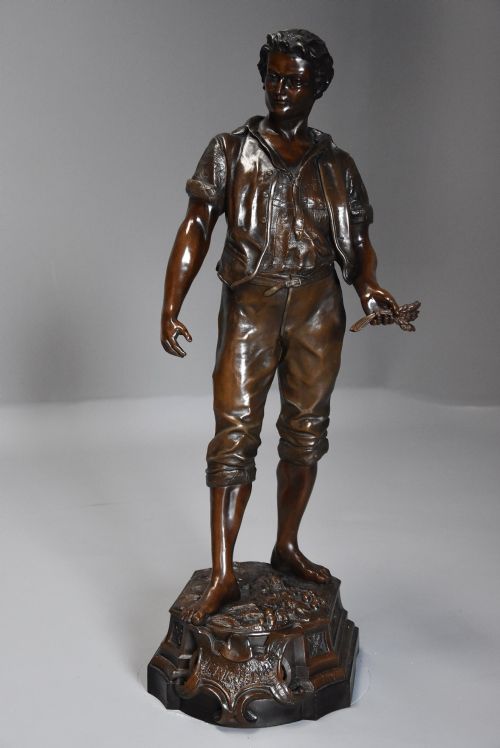
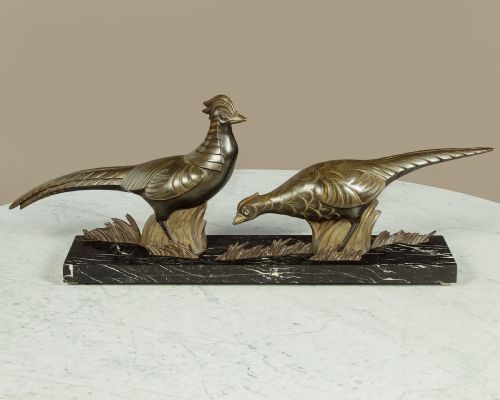
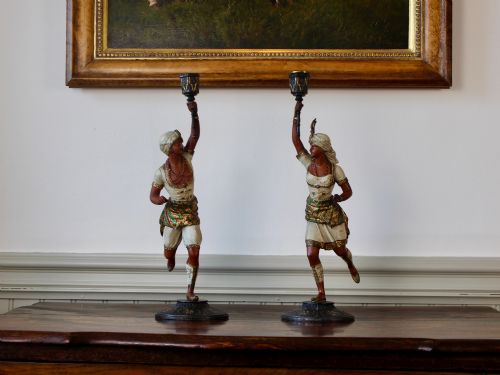
The versions most likely to be met on this page date from the Art Deco period of the nineteen-thirties, featuring dancers, athletes and fauna mounted on marble or onyx bases. Alongside these twentieth-century designs, nineteenth-century French mantel clocks, candlesticks and rustic figures appear regularly.
Makers often mounted these metal figures on shaped stone plinths to provide stability and visual contrast. The scope ranges from single statuettes to matched pairs and functional lighting components.
Materials and construction methods
Makers utilised spelter, which is primarily a zinc alloy, as a cost-effective alternative to solid bronze for sculptural casting. This metal accepts surface treatments readily, allowing artisans to apply bronze patination, cold painting or gilding.
Foundries often combined these metal castings with bases made from materials such as black marble, onyx and wood. Details were hand-finished with chisels and patination liquids to simulate the appearance of heavier traditional bronze.
Listings span multiple stylistic movements, including Art Nouveau, Art Deco, Gothic Revival and Neoclassical forms.
Factors determining the grade of a piece
The treatment of the patination and the integration of the stone plinth also distinguish better examples from simpler workshop output. Signature marks by recognised sculptors or foundries elevate the standing of an individual casting.
F.Milliot·Josef Lorenzl·P. Sega·C Masson·Geo Maxim·H. Bal·Chiparus·Auguste Moreau·C.H.Valton·Ernest Rancoulet
The Bronze Spelter Sculpture Glossary
- Spelter
- A zinc-based alloy utilised in the production of decorative figures and clocks as a substitute for bronze. It is softer and lighter than true bronze.
- Patination
- The surface finish applied to metal to simulate age or create a bronzed effect. This coating can be patinated chemically or painted by hand.
- Cold painted
- A technique where colours are applied to a metal surface without subsequent high-temperature firing. This finish is vulnerable to flaking if handled roughly.
- Onyx
- A banded variety of chalcedony used frequently for the architectural plinths and bases of twentieth-century lamps and figures. It provides a polished mounting surface.
- Plinth
- The heavy supporting base, often made of marble or slate, upon which a figural sculpture is secured. It adds physical balance to the display.
Bronze Spelter Sculpture: Frequently Asked Questions
What is spelter metal?
Spelter is a zinc alloy that foundries cast into decorative figures, lamps and clock garnitures during the nineteenth and twentieth centuries. It offered a lighter and more affordable alternative to traditional bronze.
Because the metal is relatively soft, items cast in spelter require careful handling to avoid surface dents or structural bends over time.
How do I clean my sculpture?
Dust these items gently with a dry, soft cloth to prevent the accumulation of grit in recessed details. Avoid using water, liquid polish or chemical cleaners, as these substances can strip the patination or painted finishes.
Keep the pieces away from direct sunlight and damp environments to protect both the metal surface and the stone bases.
Are these pieces solid bronze?
Most items listed under this heading are made from zinc alloy rather than copper-based bronze. They often feature a bronzed patination layer applied to mimic the appearance of heavier bronze sculpture.
Examining the underside or areas of wear will usually reveal the paler, greyish metal beneath the surface finish.
How do I date an Art Deco figure?
Twentieth-century figures often display characteristic styling from the nineteen-twenties and nineteen-thirties, such as stylised athletic poses, geometric drapery and streamlined animal forms. They are frequently mounted on contrasting black marble or onyx plinths.
Signatures from known modellers or foundry stamps inscribed directly into the metal or stone can also help establish the approximate production era.