




Arita Ware Ceramic Dish
An arita ware ceramic dish brings centuries of Japanese artistry into the home through painted porcelain and intricate glazes.
Arita Ware Ceramic Dish
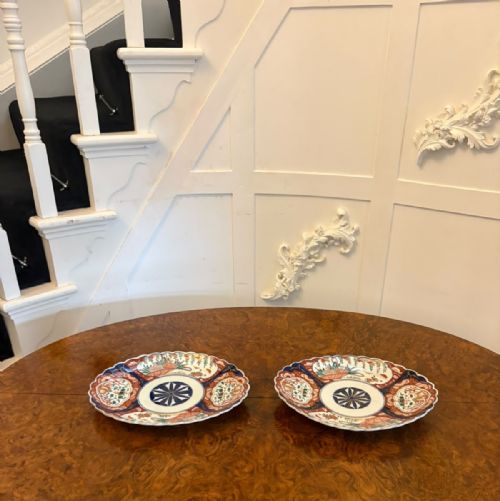
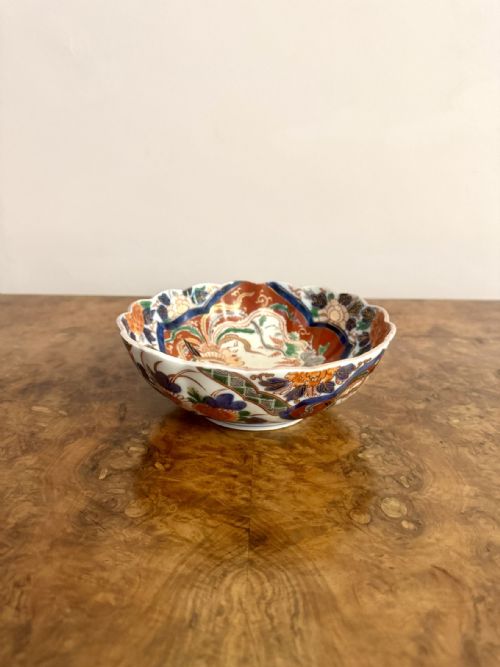
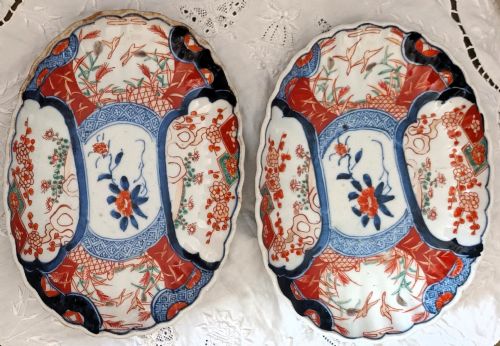
When you search for an arita ware ceramic dish, you encounter centuries of Japanese porcelain production originating from Hizen province. These pieces span the Edo and Meiji periods, taking forms such as plates, chargers, bowls, and shaped dishes. The selection on this page relies heavily on nineteenth century examples alongside pieces dating back to the seventeenth and eighteenth centuries.
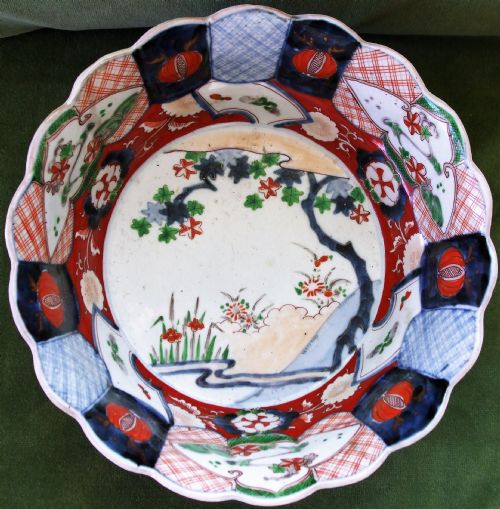
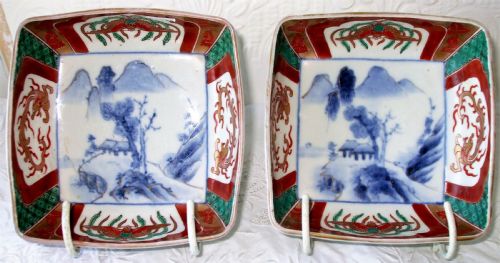
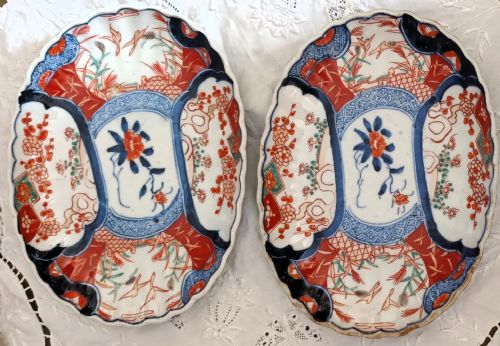
The most common formats you will meet here include circular plates, scalloped edge bowls, and large decorative chargers. Makers shaped these objects into squares, fans, hexagons, and clam shells, demonstrating a wide repertoire of ceramic forms. Such versatility allowed functional vessels to serve as decorative display items in homes across generations.
How they were made
Potters formed these items from porcelain clay, shaping them on wheels or pressing them into moulds to achieve specific geometries like hexagons and fans. Artisans applied cobalt underglaze pigments before the initial firing to create deep blue motifs beneath a clear glass-like surface. Subsequent firings accommodated overglaze enamel colours, gold leaf, and delicate gilding to enrich the final composition.
Hand painting defines the surface decoration across these items, showing floral arrangements, birds, cranes, and scrolling foliate borders. Skilled painters utilised enamel glaze alongside gold highlights to bring depth and contrast to the porcelain canvas. Each technique contributed to the enduring stability and visual texture of the ceramic body.
Listings here span production from the seventeenth century through the early twentieth century, incorporating porcelain, enamel glaze, and gold leaf.
What varies in quality
The precision of the hand painting separates standard production items from exceptional works, visible in the sharpness of floral motifs and bird designs. Artisans who applied cobalt underglaze with steady control achieved cleaner lines and more harmonious compositions than less skilled workshops. The intricacy of the secondary enamel layers and the careful placement of gold leaf further distinguish finer examples.
Form and potting thickness also influence the standing of a piece, with unusual shapes like fans and clam shells requiring advanced moulding and trimming skills. Heavier chargers and large bowls demonstrate technical mastery in preventing distortion during high-temperature firings. When enamel glaze and gilding retain their vibrancy without excessive wear, the overall visual impact rises significantly.
The Arita Ware Ceramic Dish Glossary
- Arita Ware
- Japanese pottery and porcelain produced in and around the town of Arita in Hizen province. This tradition forms the foundation of Japanese export porcelain.
- Imari
- A style of Japanese export porcelain decorated in underglaze blue, iron red, and gold. These pieces were shipped from the port of Imari to European and domestic markets.
- Edo Period
- The period in Japanese history dating from sixteen hundred and three to eighteen hundred and sixty-eight. Many foundational arita pieces originate from this era.
- Meiji Period
- The era spanning from eighteen hundred and sixty-eight to nineteen hundred and twelve. Arita production during this time maintained traditional techniques while adapting to new markets.
- Cobalt Underglaze
- A blue pigment applied to the raw porcelain body before glazing and firing. This method ensures the colour remains permanent and protected beneath the glass surface.
- Charger
- A large decorative plate utilised primarily for display on tables or walls. These substantial pieces showcase the highest levels of painting and form.
Arita Ware Ceramic Dish: Frequently Asked Questions
How do I identify an arita ware ceramic dish?
Look for the characteristic weight and density of porcelain paired with hand-painted underglaze blue or polychrome enamel decoration. Many examples exhibit traditional Japanese motifs like floral sprays, birds, and scrolling borders.
Examine the foot ring and base for signs of age, such as kiln grit adhesion or subtle potting irregularities. Historic pieces often display specific stylistic traits associated with the Edo or Meiji periods.
What is the difference between arita and imari?
Arita refers to the geographical production centre in Hizen province where the porcelain clay was shaped and fired. Imari describes the decorative style and the port from which these finished wares were shipped.
Therefore, all imari porcelain from this region is a form of arita ware, though arita also encompasses blue and white designs without the red and gold palette.
How should I display an antique dish safely?
Use sturdy plate stands designed specifically for heavy porcelain to distribute weight evenly across the base and rim. Ensure the display surface remains stable and away from heavy foot traffic or direct sunlight.
If hanging a charger on a wall, utilise professional mounting brackets that securely cradle the rim without putting pressure on the ceramic body.
Can I use these antique dishes for serving food?
While these pieces were originally functional ceramics, antique arita ware is generally collected for display and historical appreciation. Historic glazes and enamels may be sensitive to modern detergents, cutlery, and thermal shock.
Hand washing in lukewarm water with mild soap is recommended if cleaning becomes necessary, avoiding dishwashers entirely to protect the surface.