






Arita Cobalt Charger
An arita cobalt charger brings striking blue pigment and intricate Japanese ceramic artistry to a tabletop or wall.
Arita Cobalt Charger
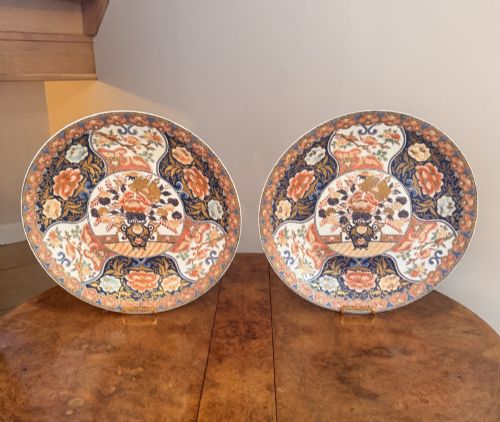
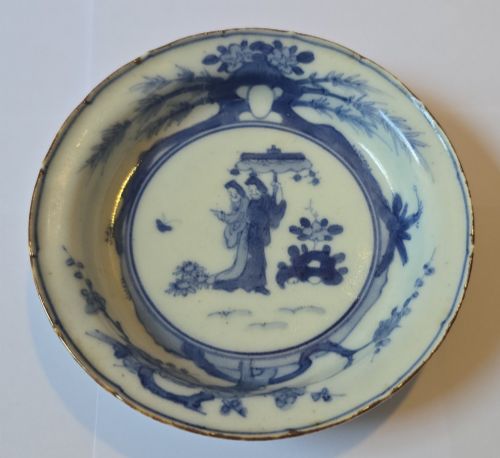
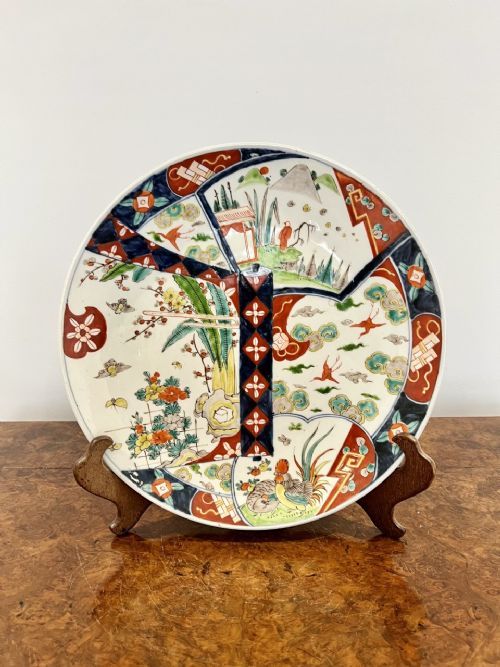
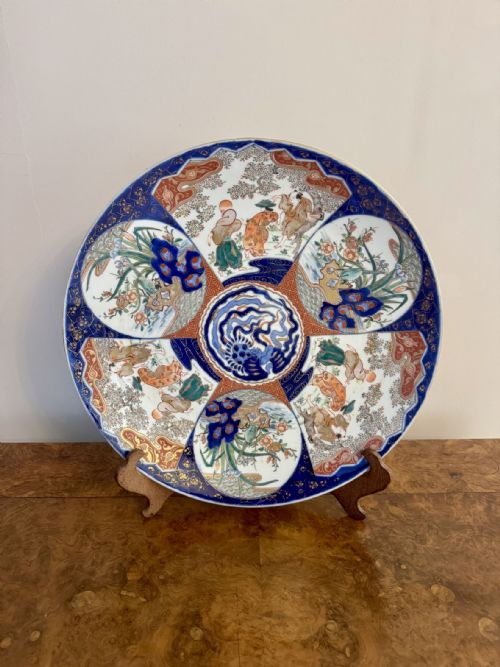
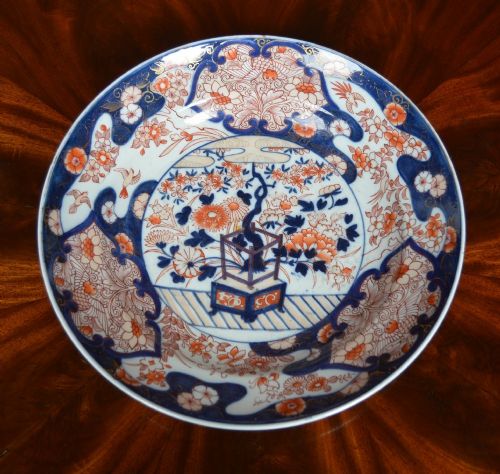
An arita cobalt charger is a large decorative ceramic plate produced in Japan, showcasing deep blue underglaze decoration alongside other traditional colours. These substantial display pieces range from early Edo period export wares to later Meiji period interpretations.
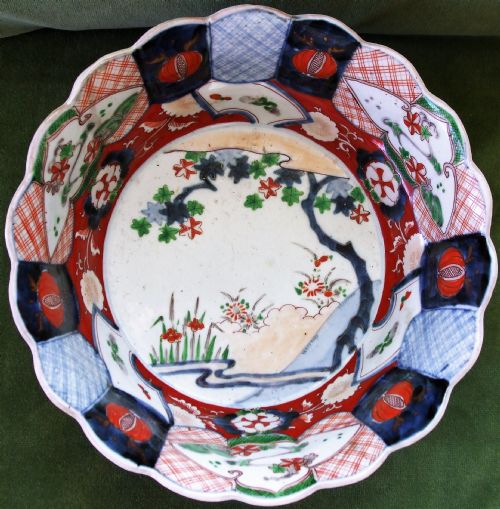
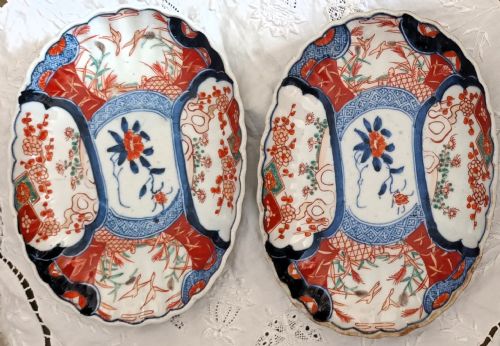
The pieces encountered most frequently on this page date from the nineteenth century and around nineteen hundred, often displaying the characteristic palette of Japanese Imari alongside crisp cobalt blue and white designs.
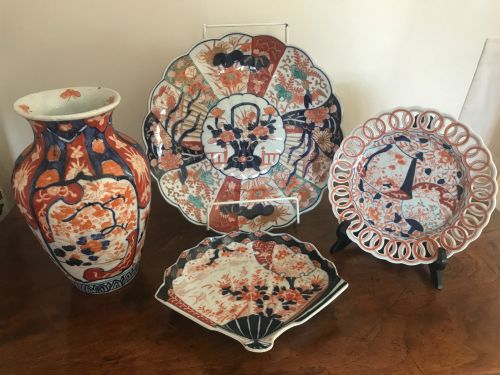
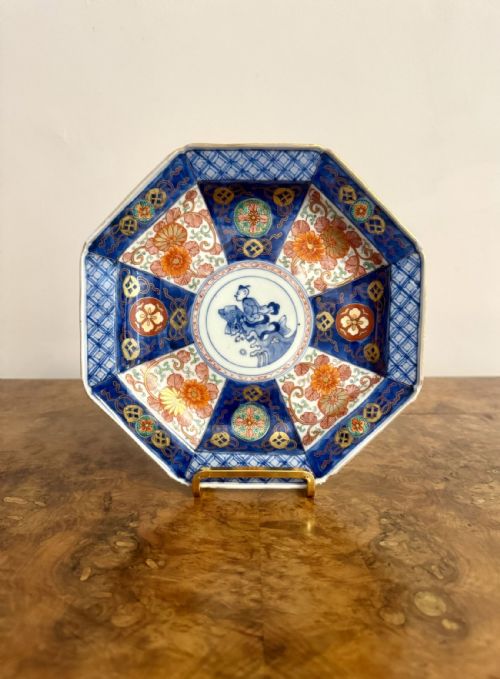
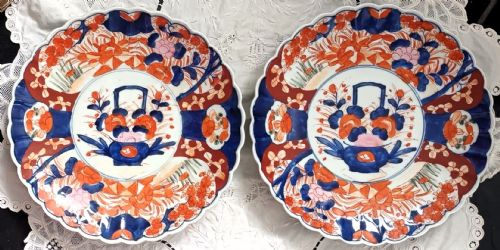
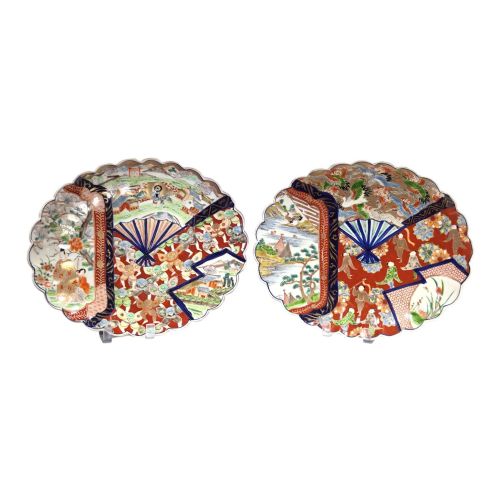
Forms include circular chargers, scallop edge bowls, hexagonal plates, and fan shaped dishes designed for prominent display rather than daily dining use.
Materials and construction
These items rely on fine porcelain clay decorated with cobalt glaze applied directly under a clear protective layer, sometimes finished with enamel, gold leaf, and gilt highlights.
Kiln firing at high temperatures fuses the cobalt underglaze into the porcelain body, creating a durable surface that withstands centuries while retaining rich blue tones.
Arita Cobalt Charger Retail Price Guide 2026
Typical asking prices for arita cobalt charger among the pieces listed under this phrase on Sellingantiques today, from the lower quarter to the upper quarter. They describe what is for sale here now, not the wider market.
Listings span multiple eras from the seventeenth century Edo period through the nineteenth century and into the early twentieth century.
Distinctions in craftsmanship
Superior examples demonstrate precise brushwork and balanced composition across large surfaces like chargers and scalloped bowls, where intricate geometric patterns and natural motifs align harmoniously.
The application of secondary colours, including enamel and gold gilt details, separates standard production items from pieces displaying exceptional artistic ambition.
The Arita Cobalt Charger Glossary
- Arita
- A Japanese town renowned for its ceramic production and porcelain industry since the early seventeenth century.
- Imari
- A style of Japanese export porcelain characterised by cobalt blue, iron red, and gold colour schemes.
- Underglaze
- A method of decorating pottery before applying the final glaze, protecting the pigment during high temperature firing.
- Charger
- A large ornamental plate utilised historically for formal presentation or wall hanging.
- Meiji
- A Japanese historical period spanning from eighteen sixty-eight to nineteen twelve, known for prolific decorative arts export.
Arita Cobalt Charger: Frequently Asked Questions
How were arita cobalt chargers used?
These large ceramic pieces served primarily as display items on sideboards, tables, or walls rather than functional tableware for meals.
Export demand in Europe and beyond meant they were prized as decorative centerpieces in fine interiors.
How do you date an imari charger?
Dating relies on examining the porcelain body, potting style, pigment depth, and stylistic markers associated with the Edo or Meiji periods.
Earlier examples often show simpler export forms, while nineteenth century items frequently feature denser patterns and richer enamels.
Can these chargers be hung on walls?
Many large plates and chargers feature sturdy forms suitable for display, though appropriate secure fixings are essential for safe mounting.
Careful consideration of weight and diameter ensures the ceramic remains secure without straining the rim or base.
What is the difference between arita and imari?
Arita refers to the Japanese production region where the porcelain clay was sourced and fired, while Imari describes the decorative style shipped from the nearby port.
Many pieces share both designations due to their manufacturing origin and aesthetic tradition.