
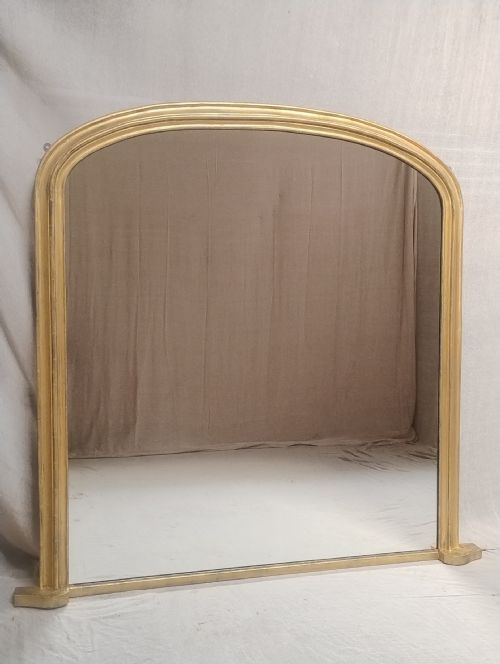
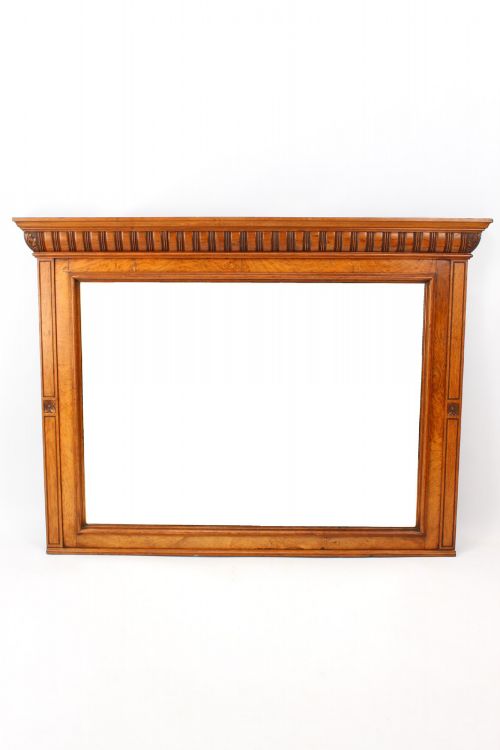
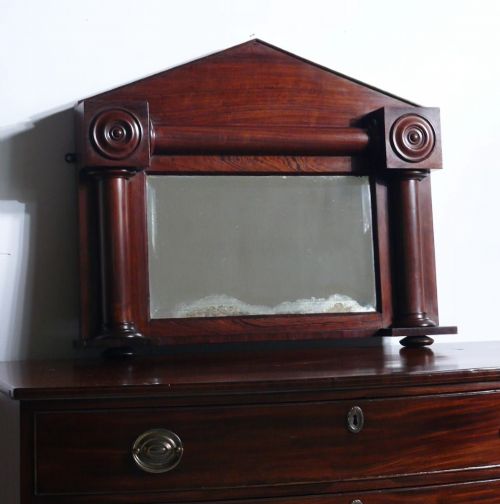
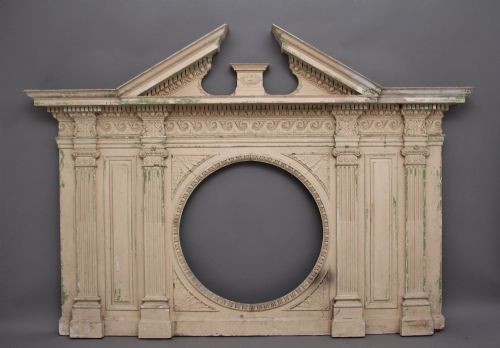
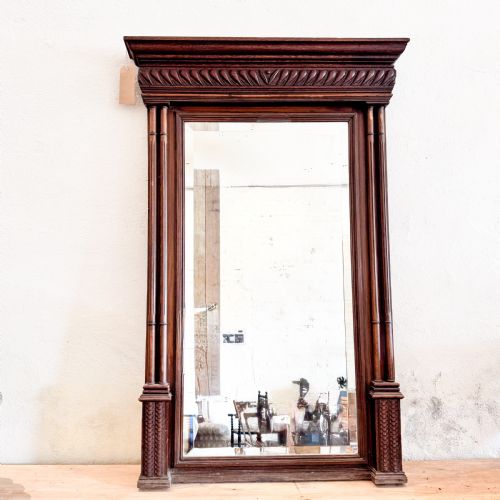


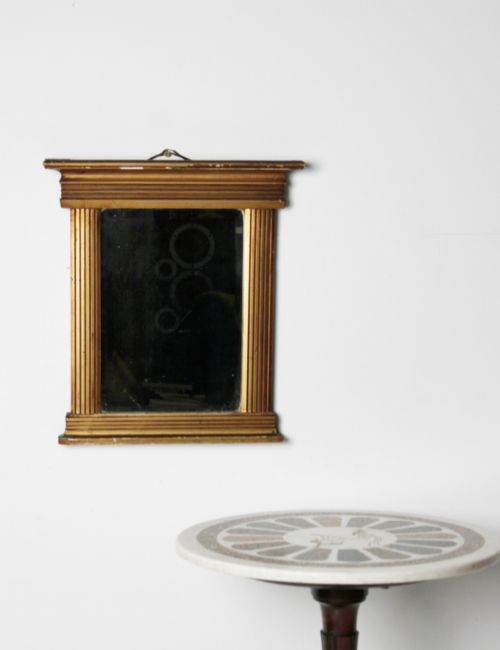
Architectural Frame Mirror
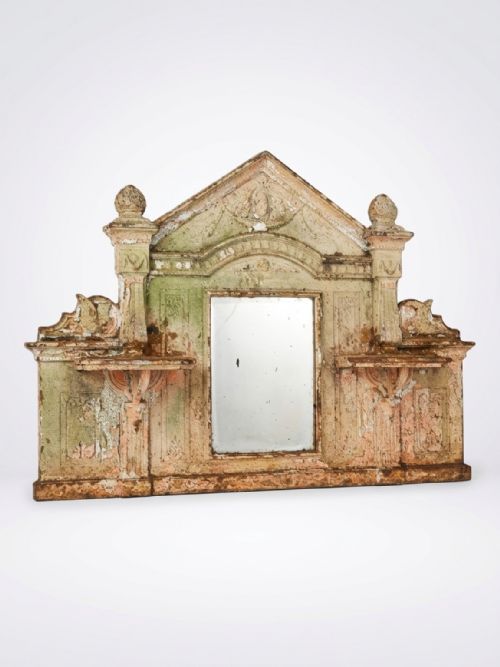
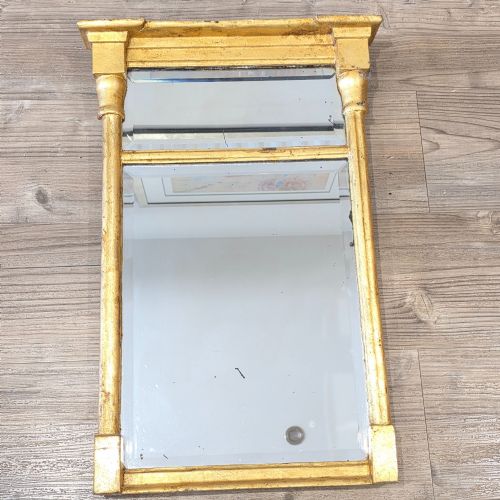
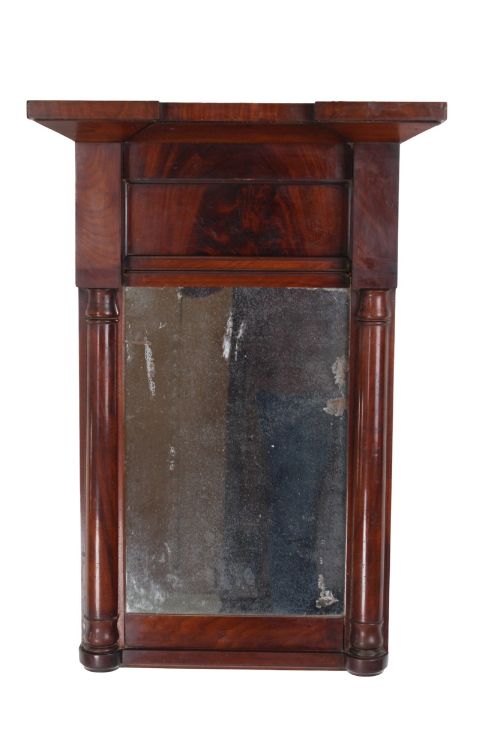
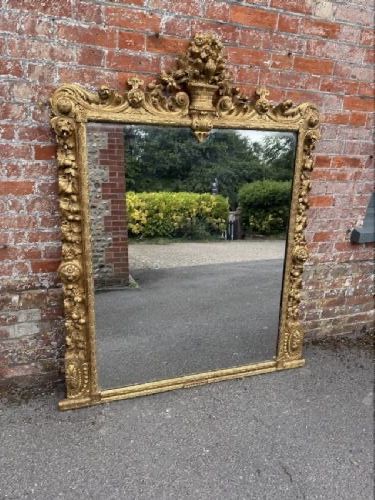
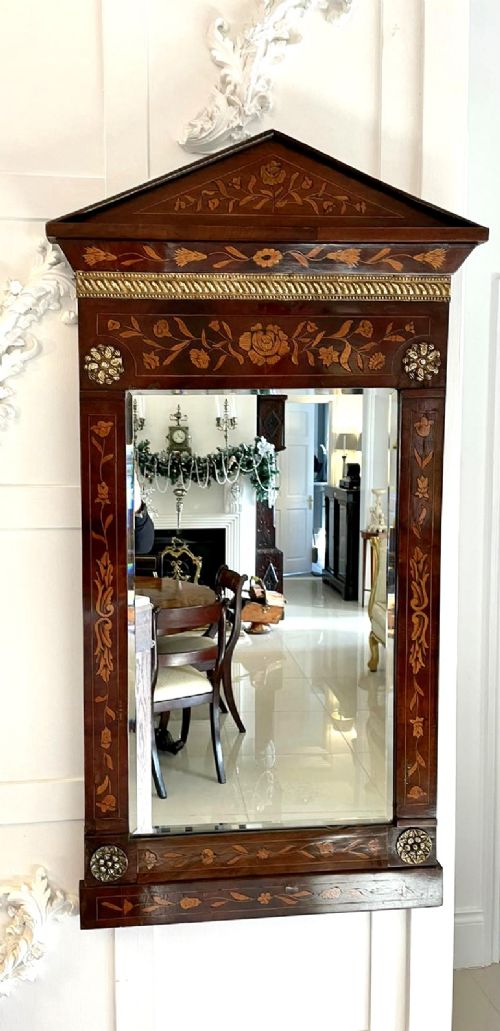
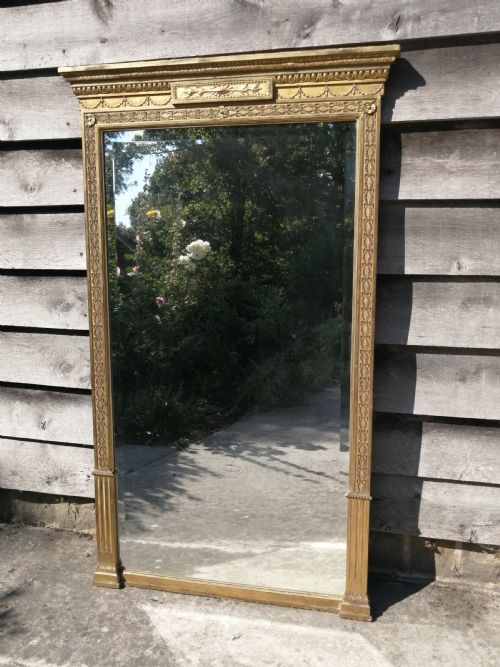
These architectural frame mirror pieces bring structural lines and classical proportion to a room, drawing the eye with pediments, columns and architectural mouldings.
Architectural Frame Mirror
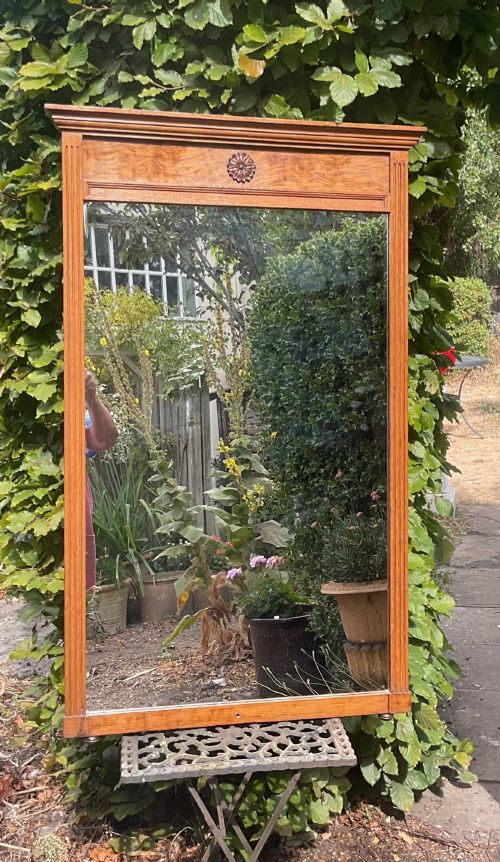
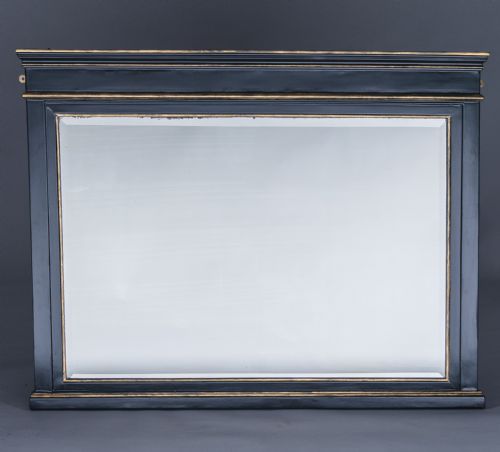
An architectural frame mirror draws on classical building design, incorporating elements like pediments, columns and classical cornices into the surrounding woodwork or gesso work. When you search for an architectural frame mirror, you encounter pieces designed to anchor a space, often hung above mantelpieces or used as pier glasses between windows.
The selections span the eighteenth, nineteenth and early twentieth centuries, with Victorian and Regency examples appearing most frequently. These pieces range from grand overmantels intended for large reception rooms to smaller wall and pier mirrors designed for more intimate spaces.
How they were made
Frames rely on timber foundations such as oak, mahogany, walnut and pine, sometimes treated with ebonisation or painted finishes. Carved wood details provide structural depth, while gesso is applied to create crisp ornamental reliefs before gilding.
Giltwood finishes utilise thin gold leaf laid over preparation layers on gesso and wood. Many pieces incorporate original glass plates, which show the characteristic subtle imperfections and silvering variations of earlier production methods.
Some nineteenth-century pier mirrors were deliberately positioned to reflect indoor candlelight twice over, doubling the evening glow.
What varies in quality
The definition and depth of the carved ornament dictate much of the visual impact, separating sharp, hand-chiselled work from softer, mould-pressed decoration. Superior pieces maintain harmonious proportions between the architectural frame and the reflective plate.
The integrity of the original surface finish, whether giltwood, painted pine or polished mahogany, influences the character of the piece. Preservation of original mirror plates and structural framing components adds distinct weight to an example.
Nosotti's
The Architectural Frame Mirror Glossary
- Overmantel mirror
- A large horizontal mirror designed specifically to hang above a fireplace mantel. These pieces frequently incorporate architectural motifs such as pilasters and cornices.
- Pier mirror
- A tall, narrow mirror traditionally hung on the pier or wall space between two windows. They often reflect additional light into darker corners of a room.
- Giltwood
- Timber that has been decorated with a thin layer of gold leaf. This technique was widely applied to nineteenth-century classical frames.
- Gesso
- A plaster-like mixture applied to wood frames to provide a smooth base for carving or gilding. It allows for intricate relief ornamentation.
- Parcel gilt
- Woodwork that is partially gilded with gold leaf while other sections display the natural grain of woods like walnut or mahogany.
Architectural Frame Mirror: Frequently Asked Questions
Where should an architectural frame mirror be hung?
These pieces traditionally command attention above a fireplace mantel or between tall windows as pier mirrors. Placing them opposite a light source maximises illumination in the room.
Consider the scale of the wall space and the surrounding furniture to ensure the architectural proportions anchor the room properly.
How do I identify a Regency period mirror?
Regency pieces often display classical motifs inspired by ancient Greece, Rome and Egypt, including reeded frames and architectural columns. Look for restrained classical proportions and specific finishes characteristic of the early nineteenth century.
Fittings and construction methods inside the frame further help confirm the period of manufacture.
Are these mirror plates original?
Many older pieces retain their original glass plates, which can be identified by slight tonal variations, tiny foxing spots and minor distortions. These subtle imperfections confirm age and add historic character.
Replacement plates sometimes appear in centuries-old frames, offering a clearer reflection while preserving the antique housing.
What is the difference between an overmantel and a wall mirror?
Overmantel mirrors are specifically proportioned in a landscape format to sit above fireplace surrounds. Wall mirrors encompass a broader range of shapes designed for general room placement.
Both styles utilise architectural framing, but overmantels often integrate more substantial cornices and decorative friezes.