

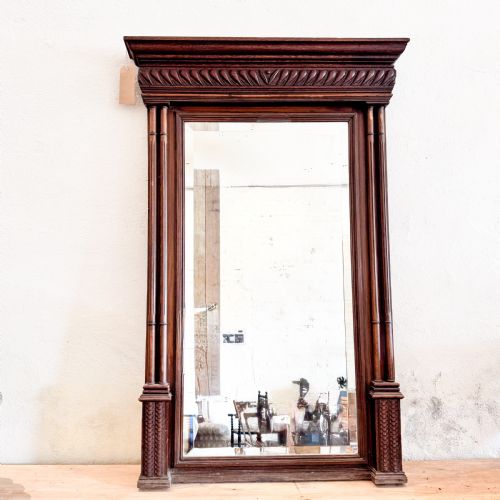
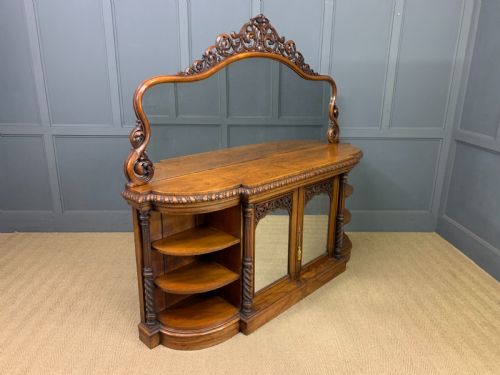


Large Walnut Mirror
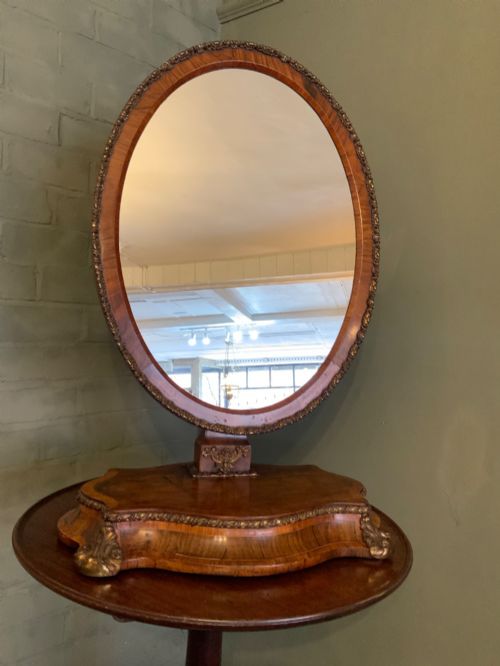
A large walnut mirror brings warmth and reflective depth to a room, drawing the eye with rich grain and substantial scale.
Large Walnut Mirror
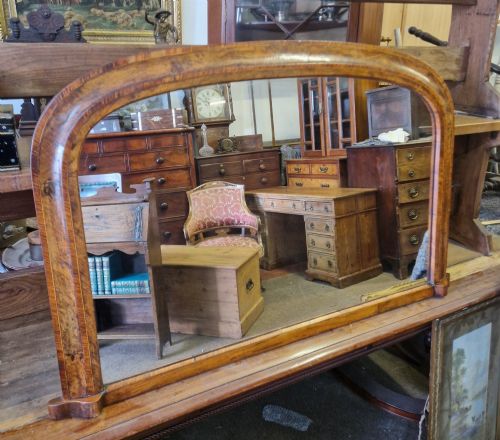
A large walnut mirror functions as a dominant architectural element, frequently encountered in Victorian overmantel formats and eighteenth-century George II styles.
The inventory on this page spans expansive wall-hanging designs, architectural overmantels meant for chimney breasts, and smaller dressing table iterations scaled up in presence.
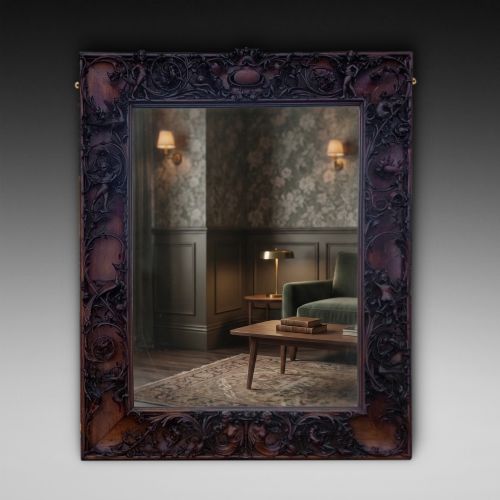
Origins range from English country houses to French chateaux, bringing diverse regional carving traditions to the solid walnut and burr veneers.
Materials and technique
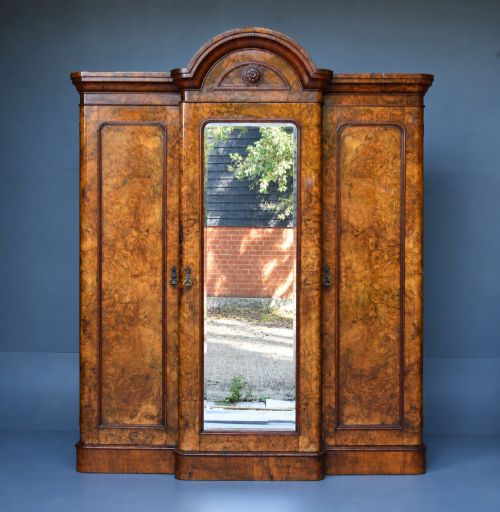
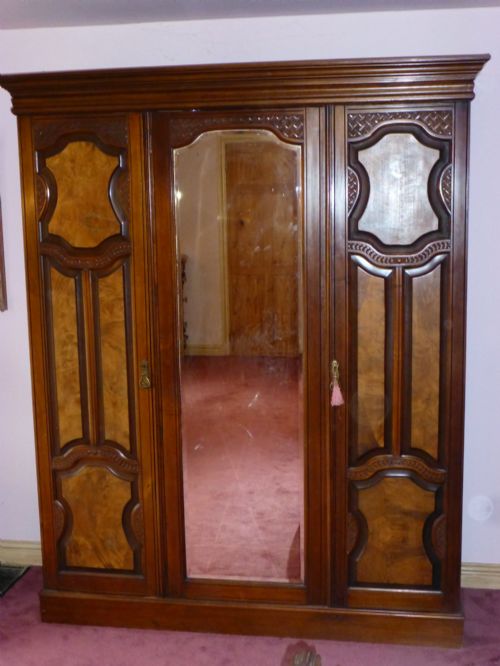
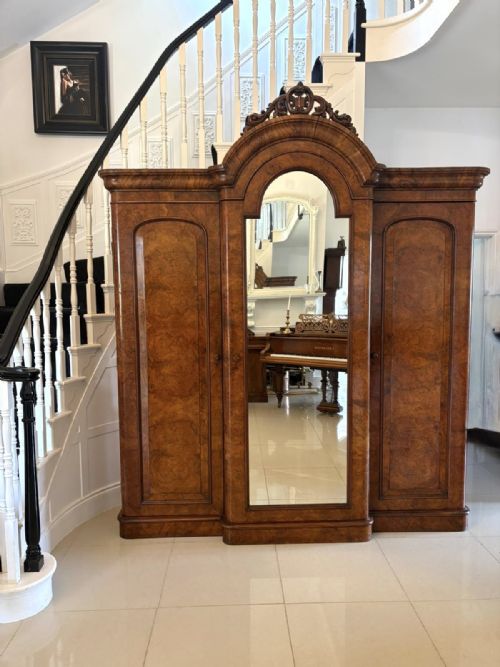
Carpenters utilised solid walnut and decorative burr walnut veneers applied to stable secondary woods, securing rich figuring across wide frames.
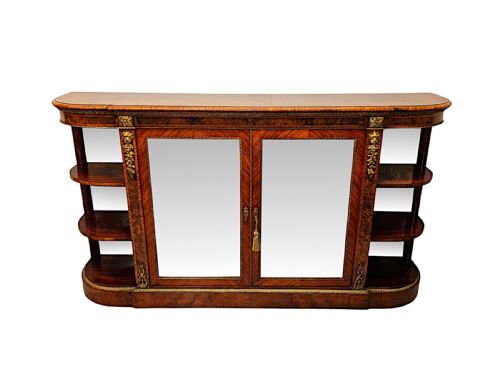
Gilding, ormolu mounts, and brass detailing frequently highlight carved crests and sight edges, adding reflective contrast to the dark timber.
Mirror glass of the period is secured within rebated frames, sometimes exhibiting bevelled edges or multiple panel configurations.
Listings feature walnut, burr walnut, ormolu, and parcel-gilt across nineteenth-century and eighteenth-century periods.
What varies in quality
Quality rests upon the selection of timber figures, where symmetrical burr walnut veneer and crisp, hand-carved mouldings separate ambitious workshop pieces from standard commercial stock.
The integration of secondary decorative elements, such as parcel-gilt accents, brass mounts, and intact original mirror plates, dictates the overall stature of the piece.
Holland and Sons·Gillows
The Large Walnut Mirror Glossary
- Burr walnut
- A highly figured timber veneer harvested from tree growths, prized for its swirling grain patterns. It appears frequently on high-status Victorian furniture.
- Overmantel mirror
- A large horizontal mirror designed specifically to hang above a fireplace mantelpiece. These often incorporate architectural mouldings and arched tops.
- Parcel-gilt
- Partially gilded woodwork where thin gold leaf highlights specific carved details against the dark walnut background. This technique adds visual contrast to frames.
- Fret mirror
- A wall mirror featuring flat-sawn fretwork borders, commonly associated with eighteenth-century Georgian and George II designs. The silhouettes are pierced and intricate.
- Trumeau mirror
- A tall decorative mirror combined with a painted panel or carved relief above the glass. French examples often feature ornate crested woodwork.
Large Walnut Mirror: Frequently Asked Questions
Where should I hang a large walnut mirror?
These pieces suit positions above fireplace mantels, along primary hallway walls, or anchoring a dining room sideboard. Their substantial scale requires solid wall fixings to support the weight of the timber and glass.
Positioning the frame opposite a window maximises natural light distribution across the room. Ensure the hanging height aligns with surrounding architectural proportions.
How do I identify a Victorian walnut mirror?
Victorian examples frequently display deep burr walnut veneers, arched crests, and heavy carved mouldings. Many are designed as overmantels intended to sit directly above a hearth.
Secondary woods like oak or pine often appear at the rear. Brass detailing and gilt highlights also point towards nineteenth-century production methods.
Are eighteenth-century mirrors different from later ones?
Eighteenth-century pieces, such as George II styles, lean towards fretwork frames, parcel-gilt accents, and precise architectural symmetry. The joinery techniques and thinner timber depths reflect earlier cabinet-making traditions.
Nineteenth-century revivals tend to be heavier in scale with more expansive burr veneers. Examining the construction behind the frame reveals these chronological shifts.
How do I care for antique walnut frames?
Maintain the timber by keeping the mirror away from direct sunlight and steady moisture fluctuations. Gentle dusting with a dry, soft cloth preserves the original polish without stripping the surface.
Avoid commercial chemical sprays, which can degrade old wax finishes and damage gilt details. Periodically check the hanging wire and structural fixings for security.