
Antique Mirror with Painting
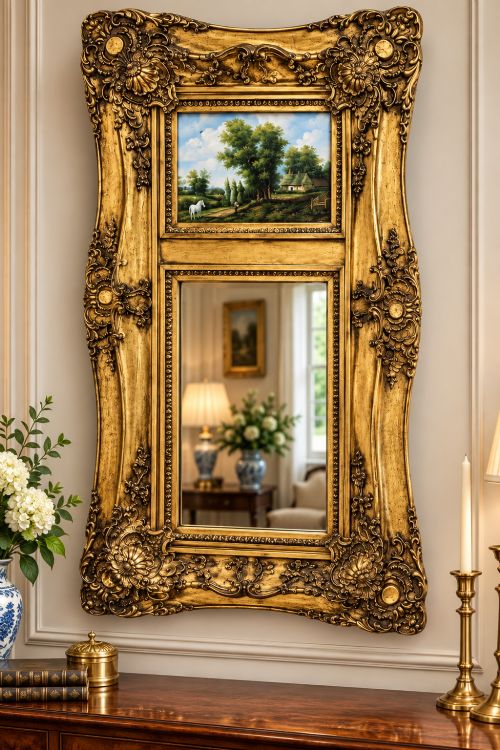
An antique mirror with painting brings together reflective glass and oil paint in a single decorative frame.
Antique Mirror with Painting
An antique mirror with painting combines functional glass with an integrated oil-painted panel, often positioned above or beside the reflective surface. When searching this phrase, buyers encounter wall-hung pieces alongside larger architectural fittings.
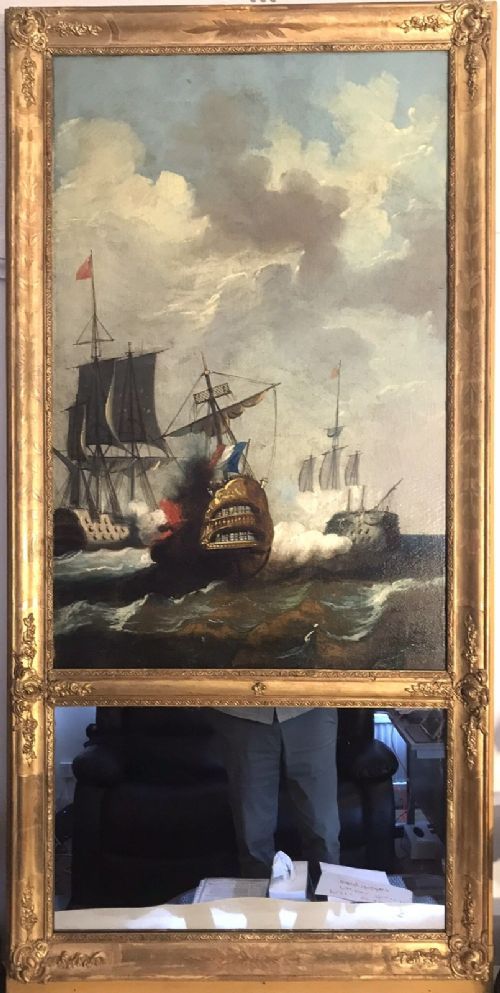
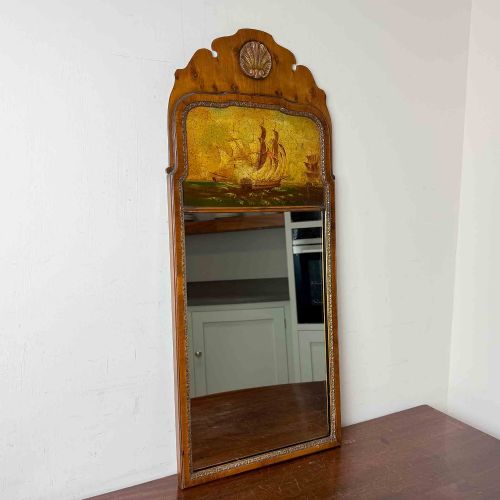
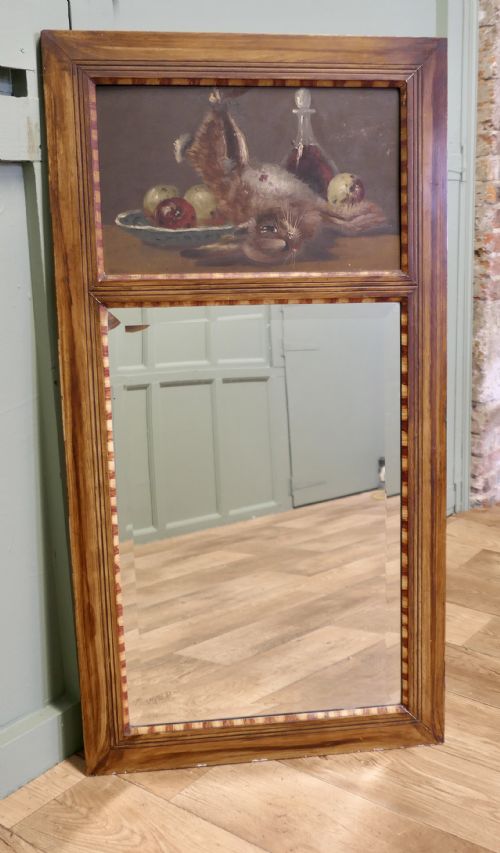
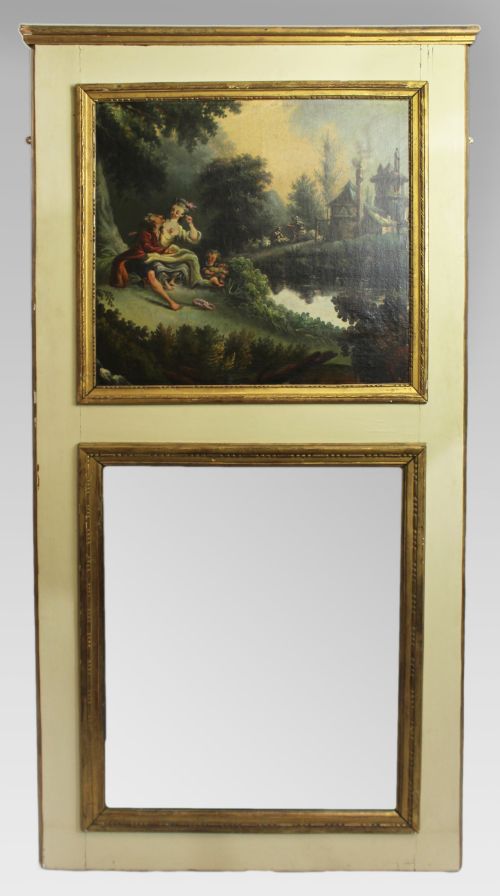
The trumeau mirror dominates the selection, featuring wooden panels decorated with maritime scenes, seascapes, or pastoral landscapes. These items originate predominantly from nineteenth-century France and Victorian England, built for grand drawing rooms and country houses.
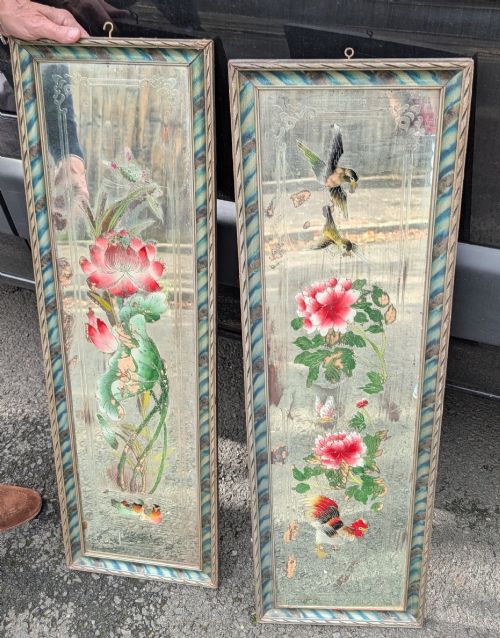
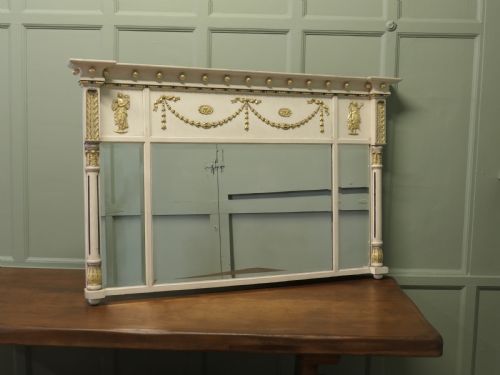
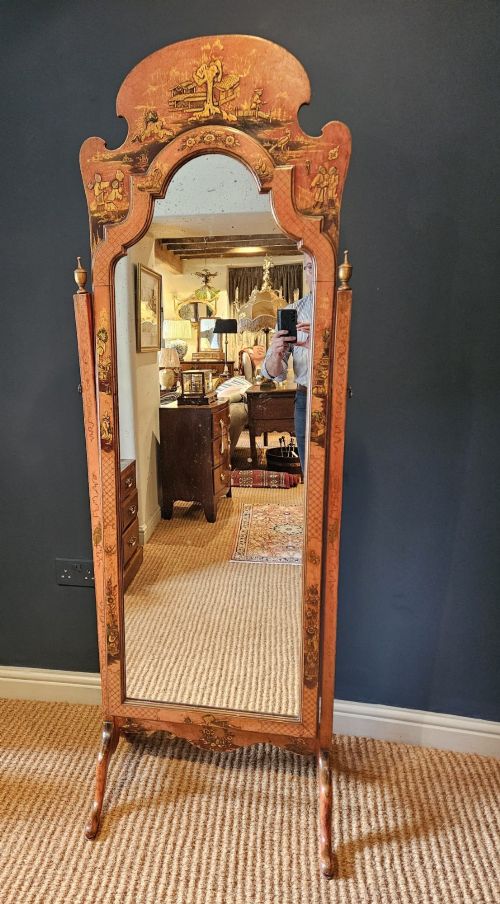
Other forms include pier mirrors and dressing glasses incorporating painted woodwork or reverse glass prints. The marriage of mirror glass and artwork served to bounce light around a room while displaying narrative or decorative artistry.
Materials and construction
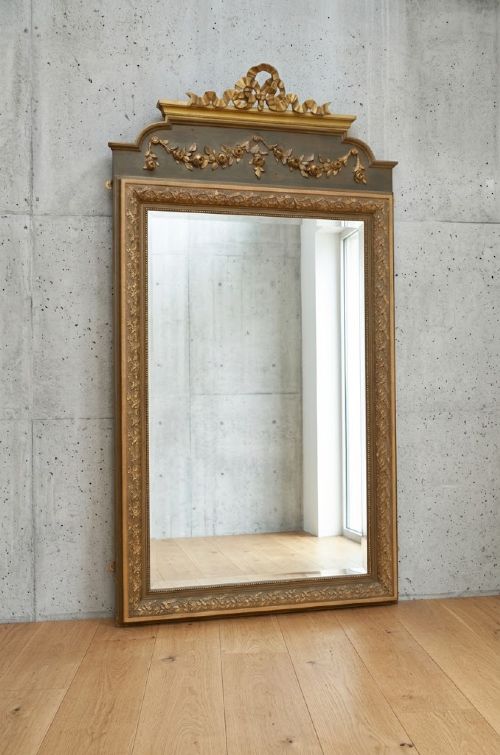
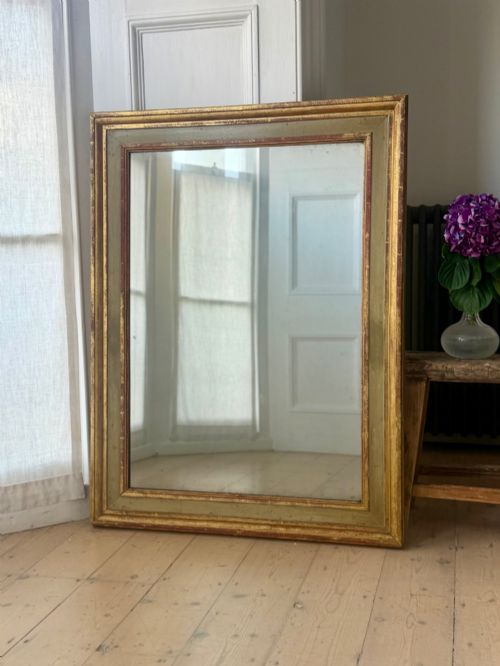
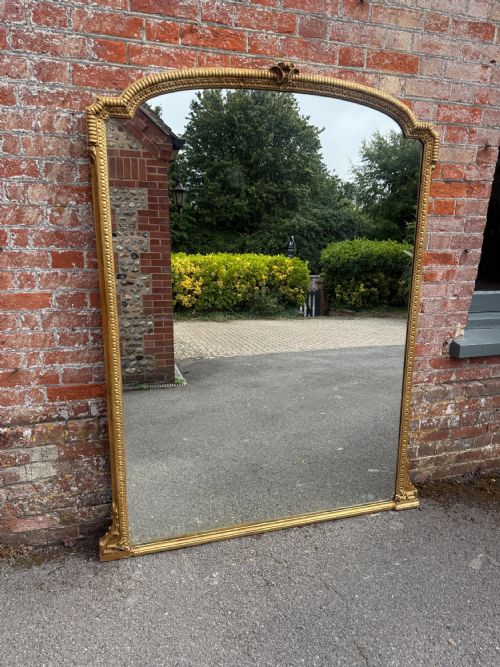
Makers utilised painted wood, giltwood, walnut, and pine for the frames, applying oil paint directly onto canvas panels, wood boards, or reverse glass surfaces. Gilding and brass detailing frequently embellish the outer moulding.
The painted panels required traditional oil painting techniques, depicting subjects ranging from galleons at sea to religious scenes and floral motifs. Carpenters and joiners constructed the dual-section frames to house both the heavy mirror plate and the delicate artwork securely.
Several mirrors capture historic naval engagements, letting you inspect miniature British and American warships while checking your hair.
Assessing quality and craftsmanship
The skill of the artist executing the painted panel determines much of the piece's standing, with finely detailed maritime or pastoral scenes outperforming simple decorative fill. The integration between the mirror glass and the upper painting reveals the thoughtfulness of the original design.
Frame construction also dictates standard, with hand-carved giltwood and deep architectural mouldings holding greater presence than simpler painted pine. Original mirror plates showing honest foxing alongside untouched oil paint represent the highest survival of these objects.
The Antique Mirror with Painting Glossary
- Trumeau mirror
- A decorative wall mirror featuring an architectural wooden frame with an integrated painted or carved panel above the glass plate. This form originated in France and became popular across European country houses.
- Pier mirror
- A tall mirror designed to hang on the narrow wall space between windows. These pieces often incorporated consoles or painted sections to match interior decoration.
- Giltwood
- Timber carved and coated with a thin layer of gold leaf or metallic gilt paint. It provides a reflective, ornate border typical of formal nineteenth-century pieces.
- Reverse glass print
- An image painted or transferred onto the back of a glass pane so that it is viewed correctly through the front. It protects the artwork from dust and damage.
- Overmantel mirror
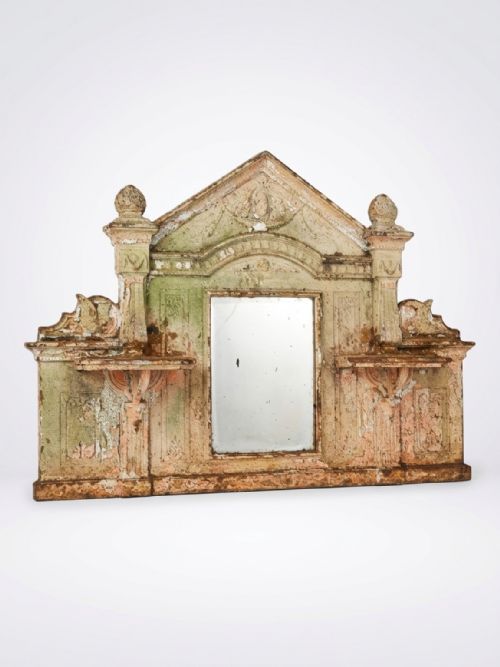
- A large horizontal mirror designed specifically to sit above a fireplace mantelpiece. They frequently incorporate decorative relief panels or painted friezes.
Antique Mirror with Painting: Frequently Asked Questions
What rooms suit an antique mirror with painting?
These pieces function well in reception rooms, hallways, and above dining sideboards where wall space allows for their height. Their dual nature provides both a reflective surface and a focal artwork.
Positioning them away from direct, harsh sunlight helps protect the oil paint on the upper panel from fading over time.
How do I date an antique mirror with painting?
Dating relies on examining the construction of the wooden frame, the composition of the glass plate, and the style of the painted subject. Nineteenth-century examples often display specific regional characteristics like French trumeau framing or Victorian gilding.
Backboards, fixings, and screws also offer clues to the period of manufacture and whether the painting and mirror plate remain original to one another.
Were the paintings always made for the mirrors?
Most pieces were conceived as a single unit by the cabinetmaker and artist, uniting mirror glass and painted panels within one frame. Maritime scenes, pastoral landscapes, and classical figures were chosen to complement the intended room.
On occasion, panels from later dates or alternative sources found their way into antique frames during subsequent restorations, making close inspection of the rebates essential.
How do I care for the painted panel?
Maintenance requires gentle dusting with a soft, dry cloth, keeping moisture well away from both the oil paint and the mirror silvering. Avoid commercial cleaning sprays on the painted areas entirely.
Stable room temperatures and moderate humidity prevent the wooden frame and canvas or wood panel from warping or cracking.