




French Walnut Wall Mirror
A French walnut wall mirror brings warmth and depth to a room through rich timber and classic proportions.
French Walnut Wall Mirror
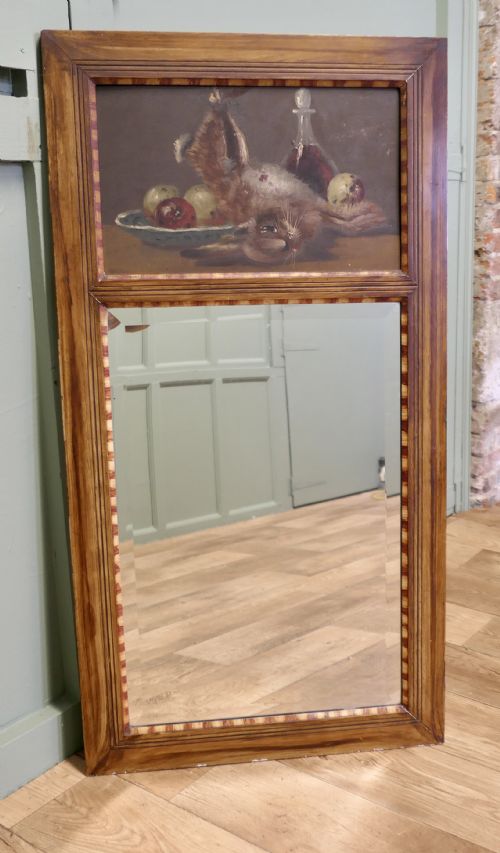
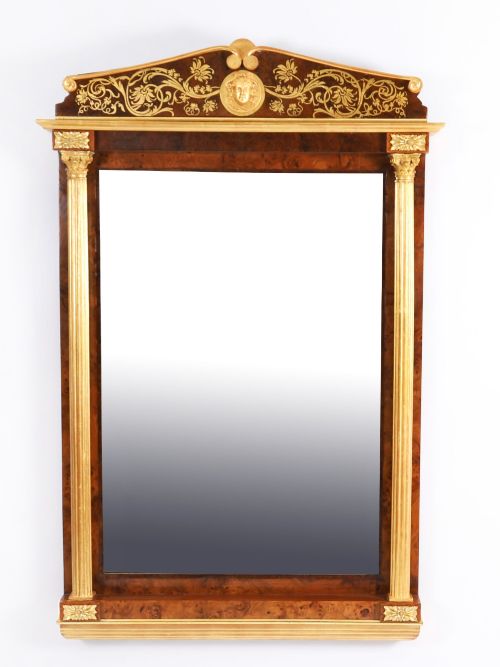
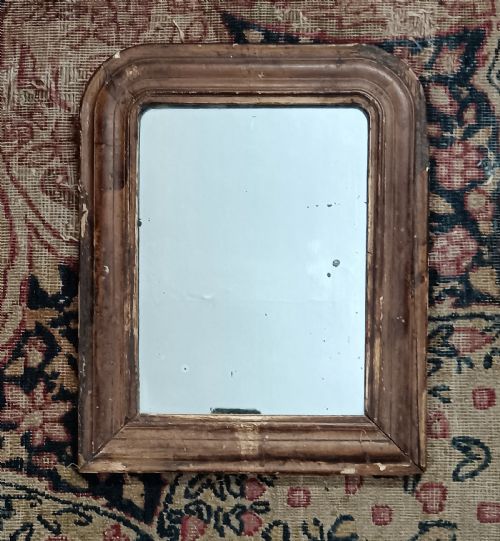
A french walnut wall mirror unites the rich grain of walnut timber with classic continental forms, spanning styles from rustic French Country and Art Nouveau to ornate Louis Philippe and chateau designs. These pieces range from petite arched plates to tall pier mirrors and grand overmantels, often integrating carved wooden frames and occasionally parcel gilt accents or oil paint details.
The versions most commonly found here date from the nineteenth century into the early twentieth century, reflecting Victorian and revival aesthetics. Buyers encounter everything from simple timber mouldings to deeply carved crests and classical motifs, suitable for hanging above console tables or mounting directly on living room and hallway walls.
How they were made
Frames are constructed from solid walnut, wood, and burr walnut veneer over secondary timbers, showcasing varied grain patterns. Many examples incorporate carved wood detailing and giltwood highlights, utilising traditional joinery techniques suited to large hanging weights.
Surfaces frequently feature hand-carved classical motifs and applied ornamentation, alongside original or period mirror glass secured within rebated frames. Selected pieces pair the walnut structure with oil paint panels or parcel gilt touches to enhance the decorative scheme.
French Walnut Wall Mirror Retail Price Guide 2026
Typical asking prices for french walnut wall mirror among the pieces listed under this phrase on Sellingantiques today, from the lower quarter to the upper quarter. They describe what is for sale here now, not the wider market.
One unexpected mirror even includes a built-in cloakroom towel rail for those very muddy nineteenth-century arrivals.
What varies in quality
The depth and crispness of the wood carving separate standard production from superior craftsmanship, particularly in the execution of classical motifs and crests on chateau and trumeau mirrors. Finer examples display meticulous hand-tooling and balanced proportions that integrate harmoniously with the mirror plate.
The choice of timber grain also dictates distinction, with highly figured burr walnut veneers and rich solid walnut patination holding greater visual presence than plain timber boards. Additionally, the integration of parcel gilt elements or oil paint scenes adds layers of artistry that elevate the piece.
The French Walnut Wall Mirror Glossary
- Trumeau mirror
- A mirror designed to fit within a wall panel or above a mantel, often incorporating a painted panel or carved artwork above the glass. These tall pieces were a staple of grand French interiors.
- Pier mirror
- A tall mirror specifically proportioned to hang on the narrow wall space between windows, frequently paired beneath with a matching console table. They maximise light distribution in period rooms.
- Burr walnut
- A specialised timber veneer harvested from walnut tree growths, prized for its swirling, highly figured grain patterns. It adds rich texture to decorative furniture frames.
- Louis Philippe
- A French design style characterised by understated elegance, curved upper arches, and minimal ornamentation rather than heavy baroque extravagance. It dates predominantly to the nineteenth century.
- Parcel gilt
- A decorative technique where specific carved details or mouldings are selectively covered in gold leaf while the surrounding walnut timber remains exposed. This creates subtle contrast.
French Walnut Wall Mirror: Frequently Asked Questions
Where should I hang a french walnut wall mirror?
These mirrors suit placement above a fireplace mantel, a hallway console table, or as a focal point on a plain living room wall. Their warm timber tones anchor the surrounding decor while reflecting light across the space.
Tall formats work well where vertical proportions need emphasising, whereas petite arched versions fit comfortably in narrower alcoves or smaller rooms.
How do I identify a nineteenth-century piece?
Nineteenth-century examples typically display hand-carved wooden frames using solid walnut or burr walnut veneer, showing traditional joinery and authentic patination on the timber surfaces. The mirror plates often exhibit slight age foxing or distortion consistent with historical manufacture.
Revival styles such as Louis Philippe or French Chateau frequently define these older pieces, distinguishing them from mid-century or modern reproductions.
Can these mirrors be mounted on partition walls?
Because many of these frames utilise solid walnut and heavy glass plates, they carry substantial weight that requires secure wall anchoring. Fixing directly into timber studs or using appropriate heavy-duty cavity fixings is essential.
Checking the hanging wire or integrated brackets on the back of the frame ensures the structure supports the vertical load safely.
What is the difference between a pier mirror and an overmantel?
Pier mirrors are traditionally tall and narrow, engineered to hang on the wall space between two windows above floor furniture. Overmantels are specifically proportioned to sit horizontally above a fireplace opening.
Both types utilise walnut frames and carved crests, but their physical dimensions dictate their original architectural placement within a room.