

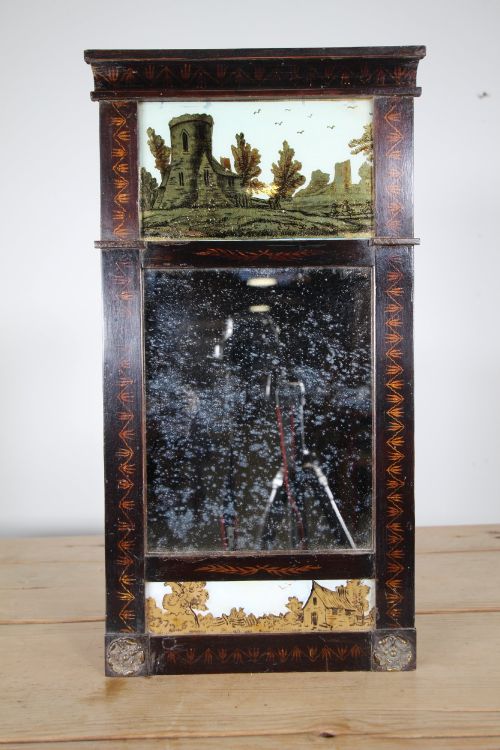
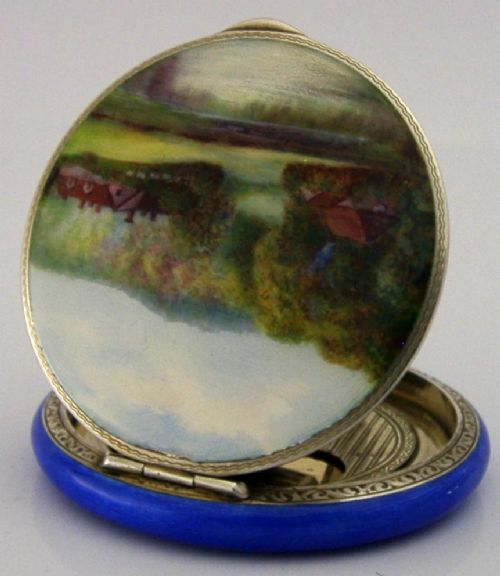


Landscape Painting Mirror
These landscape painting mirror pieces combine decorative glass with oil paint scenes, offering a dual display of reflection and artwork that defines classical interiors.
Landscape Painting Mirror
When you search for landscape painting mirror, you are looking at decorative looking glasses paired with hand painted artistic scenes. These pieces serve a dual purpose as both reflective glass and framed artwork.
You are most likely to meet wall hung items, particularly trumeau forms and overmantel mirrors. The evidence shows these pieces appearing across multiple periods including Regency, Georgian, and the nineteenth century.
Forms span grand scale overmantels alongside compact pieces like powder compacts with hand painted enamel scenes. Styles range from classical French Empire and Neoclassical to Chinoiserie and Art Deco.
Materials and construction methods
Makers utilised wood, gesso, and composite materials as foundations for frames, applying giltwood or paint finishes to the exterior surfaces. Gilding and carved details provide the traditional decorative borders surrounding the glass and canvas components.
Artisans applied oil paint directly onto canvas panels, wood panels, or eglomisé glass surfaces to create the landscape scenes incorporated into the trumeau and pier mirrors. Mirror glass and standard glass supply the reflective portions positioned alongside or beneath the artwork.
Landscape Painting Mirror Retail Price Guide 2026
Typical asking prices for landscape painting mirror among the pieces listed under this phrase on Sellingantiques today, from the lower quarter to the upper quarter. They describe what is for sale here now, not the wider market.
Materials recorded across the inventory include giltwood, oil paint, canvas, eglomisé glass, gesso, and walnut.
What separates the top of the range
The sophistication of the painted scene and the depth of the frame carving divide simpler items from superior examples. Finely executed oil paint landscapes set within carved giltwood frames demonstrate higher workshop execution.
The integration of the painted panel with the mirror plate determines the visual balance of the piece. Regency and Georgian overmantel mirrors with original eglomisé panels or intact canvas artwork represent the higher end of the scale.
The Landscape Painting Mirror Glossary
- Trumeau mirror
- A wall mirror featuring an upper panel decorated with a painting or relief carving above the glass plate. This form originated in France and remains common in nineteenth century examples.
- Eglomisé panel
- Glass decorated with gilding or painting on the reverse side to produce a reflective, metallic pictorial surface. This technique appears frequently in Regency pier mirrors.
- Giltwood
- Wood carved and coated with a thin layer of gold leaf or metallic powder. It provides the bright finish seen on many Georgian and Regency frames.
- Overmantel mirror
- A large looking glass designed to hang specifically above a fireplace mantel. These pieces often incorporate landscape scenes within their upper frames.
- Pier mirror
- A tall narrow looking glass made to hang on the wall space between two windows. Regency examples in this style often feature painted panels.
Landscape Painting Mirror: Frequently Asked Questions
Where should I hang a landscape painting mirror?
These mirrors function effectively above fireplaces as overmantel pieces or on large expanses of wall space between windows as pier mirrors. Their combined artwork and glass allow them to serve as the focal point of a room.
Positioning the piece where ambient light can strike the glass enhances both the reflection and the visibility of the painted landscape panel.
How do I identify a Regency period mirror?
Regency pieces often display specific architectural motifs, carved giltwood frames, and eglomisé panels depicting classical scenes. The proportions tend to follow neoclassical design principles popular during the early nineteenth century.
Examining the construction methods and the materials, such as original mirror glass and hand applied paint, helps confirm the period of manufacture.
What is a trumeau mirror?
A trumeau mirror is a decorative wall looking glass that includes an integrated painted or carved panel positioned directly above the glass plate. Originating in grand domestic interiors, these items combined wall art with functional reflection.
French Empire and nineteenth century versions frequently utilise this format, pairing oil paint landscapes with carved wooden frames.
How do I care for antique glass and paint?
Maintaining these pieces involves keeping them away from direct sunlight and damp environments to protect the oil paint and the silvering on the glass. Gentle dusting with a dry cloth prevents the accumulation of particles on carved giltwood surfaces.
Avoid using liquid cleaners directly on the painted panels or eglomisé sections to preserve the historical surface layers.