
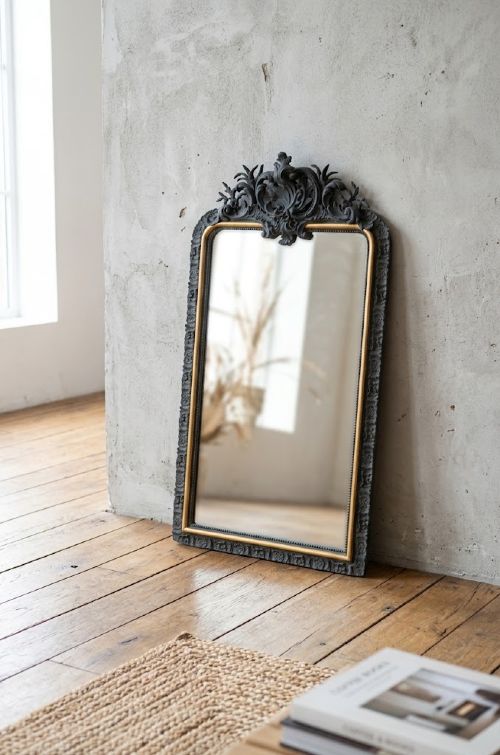

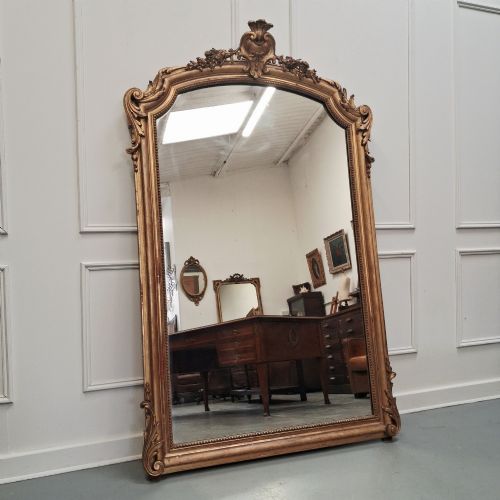
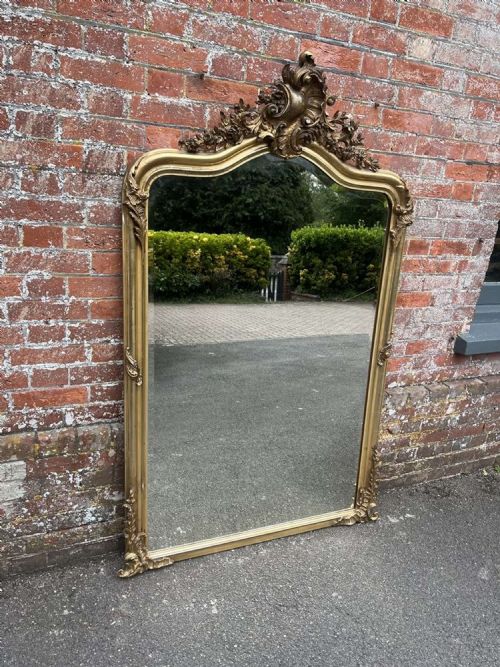
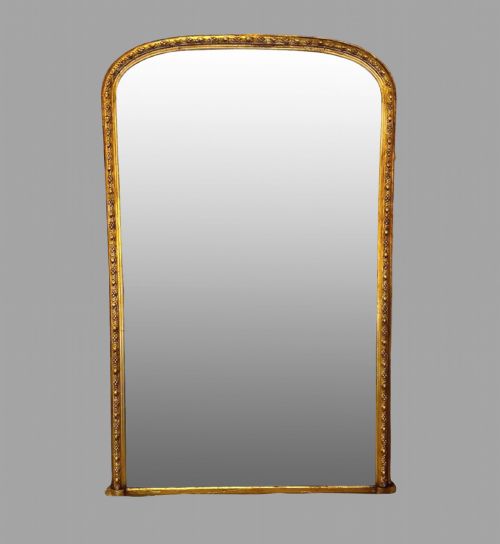

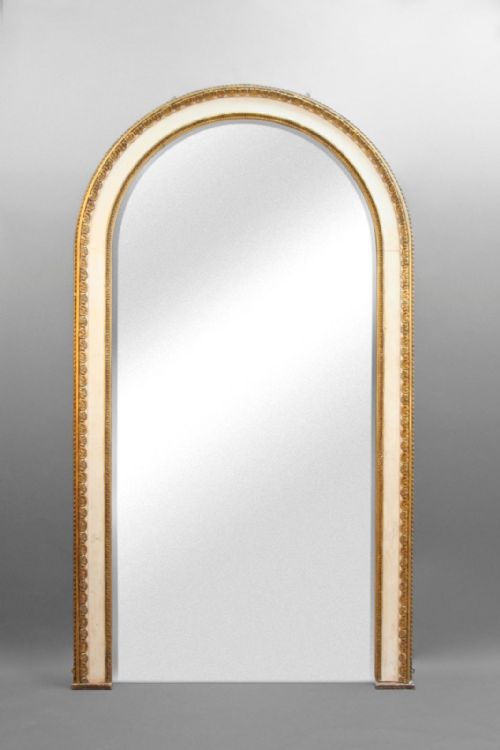
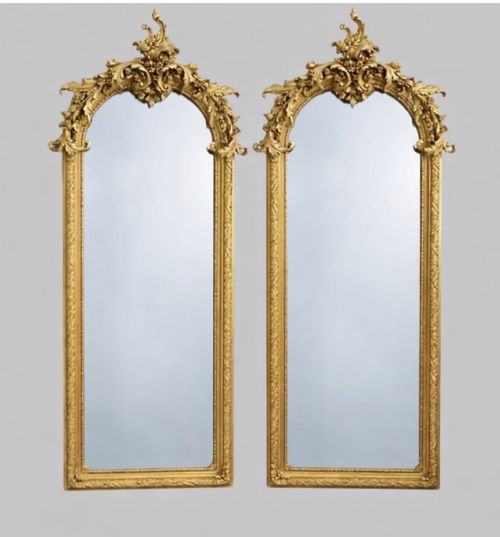
Arched Pier Mirror
An arched pier mirror brings height and reflected light to a tall wall space, traditionally fitted between windows.
Arched Pier Mirror
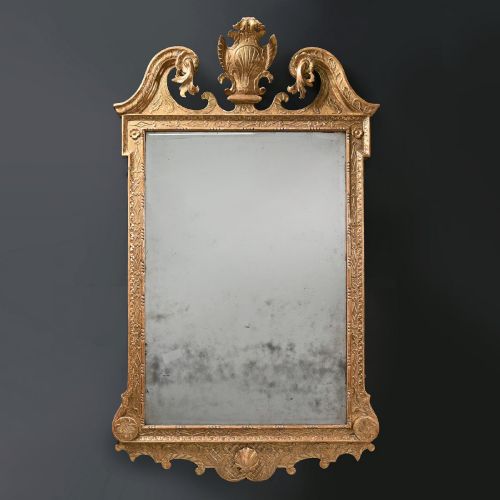
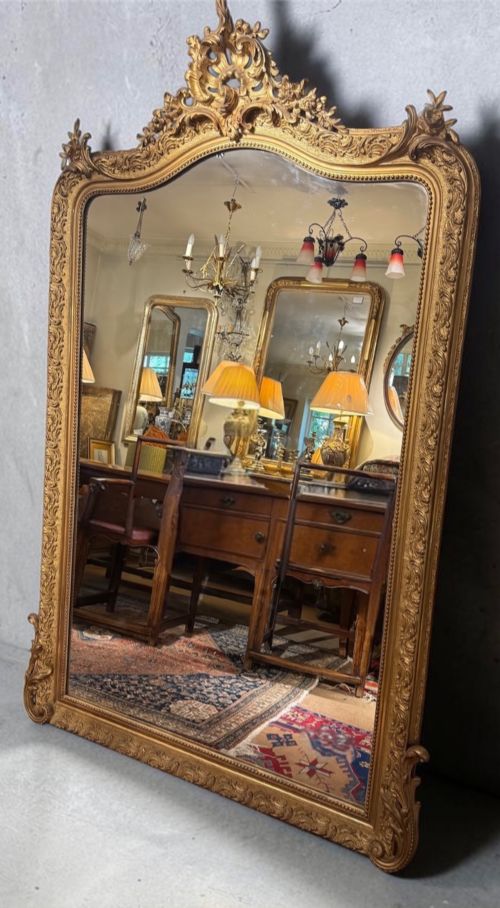
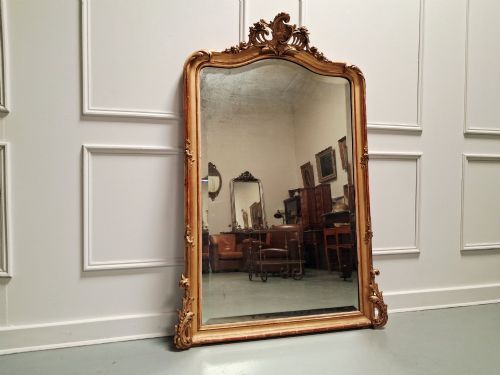
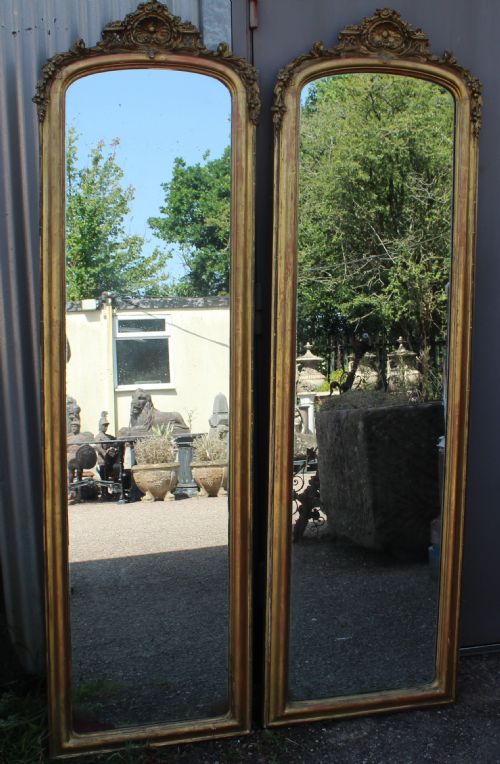
When you search for an arched pier mirror, you are looking at tall vertical glasses designed to anchor the space between two windows or above a console table. The pieces found here span the nineteenth century, with strong representation from Victorian, Georgian, and French chateau origins.
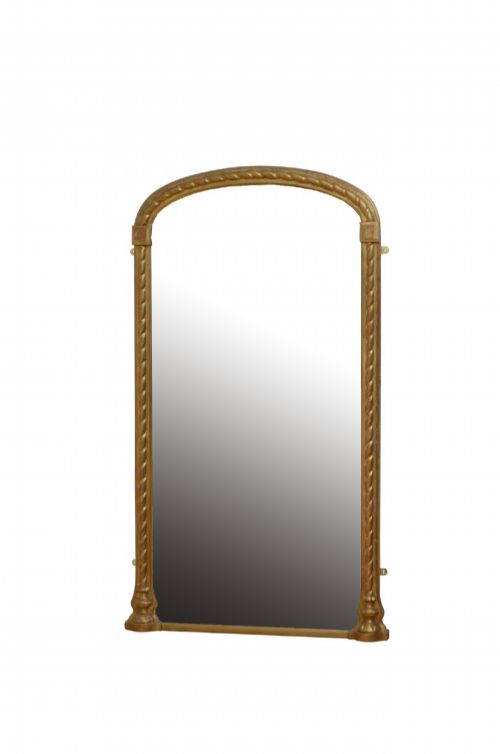
Most examples meet you as substantial giltwood or painted wall glasses featuring shaped tops, often standing well over a metre and a half in height. Alongside standard wall formats, you will encounter overmantel combinations and console table pairings recorded across the archive.
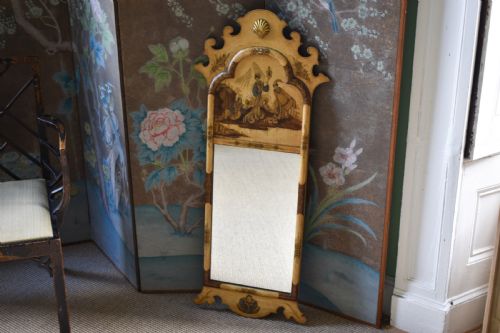
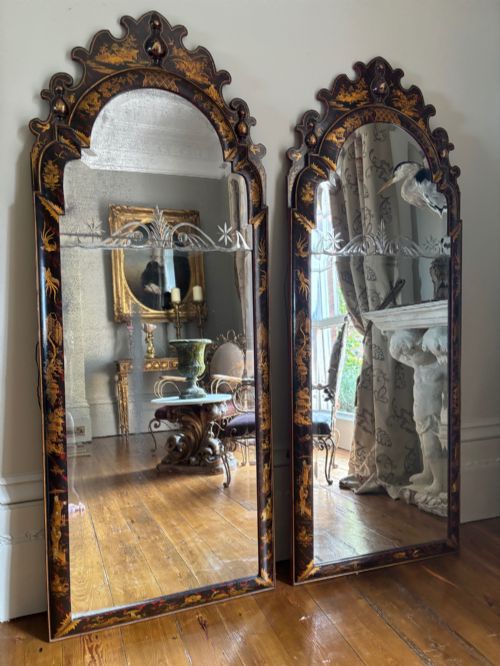
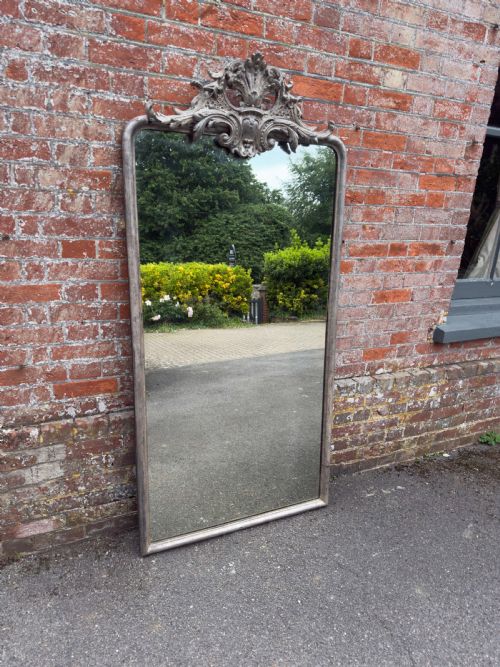
The aesthetic vocabulary stretches from French Rococo Revival and Louis Philippe to Queen Anne style Chinoiserie and Swedish Empire revival birch. These forms serve to draw the eye upward, utilising proportion and reflective surface to alter the perceived volume of a room.
How they were made
Makers shaped these frames from carved wood, walnut, or mahogany, applying layers of gesso to build up intricate surface ornament before finishing with gold leaf, silvering, or overpainting. The underlying timber work provides the structural integrity required to support tall sheets of glass.
Giltwood and carved gesso surfaces frequently incorporate decorative details like rope carving, ferns, or elaborate scrollwork executed by hand. Eglomise panels and parcel gilt treatments further demonstrate the layered craft traditions employed by period workshops.
Botanical enthusiasts can find nineteenth-century frames adorned with delicate carved ferns, bringing woodland greenery permanently indoors.
What varies in quality
The standard of a piece rests upon the crispness of the carved wood and gesso ornamentation beneath the gilding or paint. Deeper relief work and cleanly defined architectural proportions indicate a higher level of workshop skill during manufacture.
The integrity of the original glass and the harmonious ageing of the gold leaf or silvering dictate visual success. Pieces that retain their original backing and untouched surface patination command greater appreciation than those with heavy later interventions.
The Arched Pier Mirror Glossary
- Pier glass
- A tall mirror specifically proportioned to hang on the narrow wall space between windows.
- Gesso
- A plaster-like mixture applied to wood frames to create a smooth surface for subsequent gilding or painting.
- Eglomise
- A technique where design is painted and gilded on the reverse side of glass panels.
- Parcel gilt
- A finish where only specific carved elements of a painted or stained frame are highlighted in gold leaf.
- Overmantel
- A mirror designed specifically to be positioned on the wall directly above a fireplace mantelpiece.
Arched Pier Mirror: Frequently Asked Questions
Where should I hang an arched pier mirror?
These tall glasses work best between two windows or on any expansive wall where height needs accentuation. They bounce natural light across the room effectively.
Ensure the wall construction supports the considerable weight of timber and glass, anchoring securely to studwork or masonry.
How do I identify a nineteenth-century mirror?
Examine the construction of the timber frame, the composition of the gesso, and the silvering on the glass plate behind. Hand-carved elements and period joining techniques offer clear clues to age.
Watch for the specific proportions and decorative motifs typical of Victorian or French Louis Philippe production seen in the listings.
What is the difference between giltwood and painted finishes?
Giltwood involves applying thin gold leaf over a prepared gesso and bole ground, creating a warm reflective metallic sheen. Painted finishes utilise coloured pigments, often with parcel gilt highlights.
Both treatments were popular across different stylistic revivals, from French Empire to Chinoiserie decorated pieces.