
Large Dressing Mirror
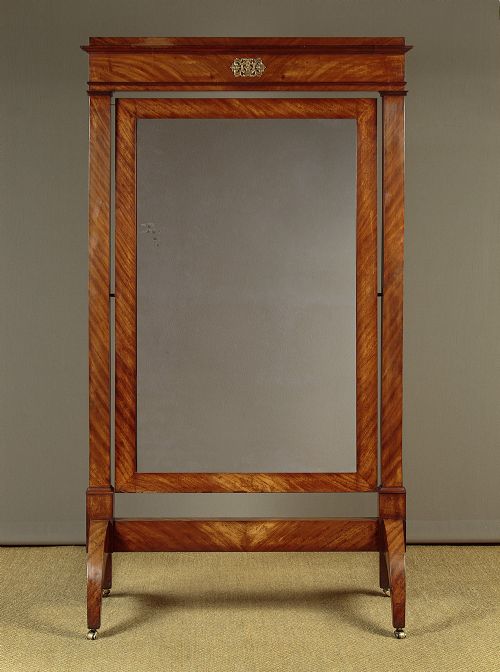
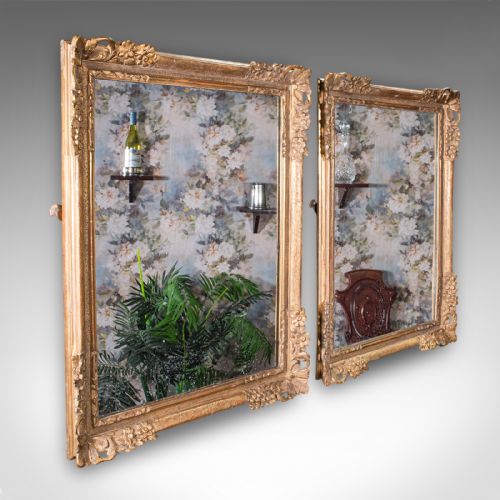
When you search for a large antique dressing mirror, you enter a field spanning cheval frames, tabletop swing glasses and grand architectural wall hangings.
Large Dressing Mirror
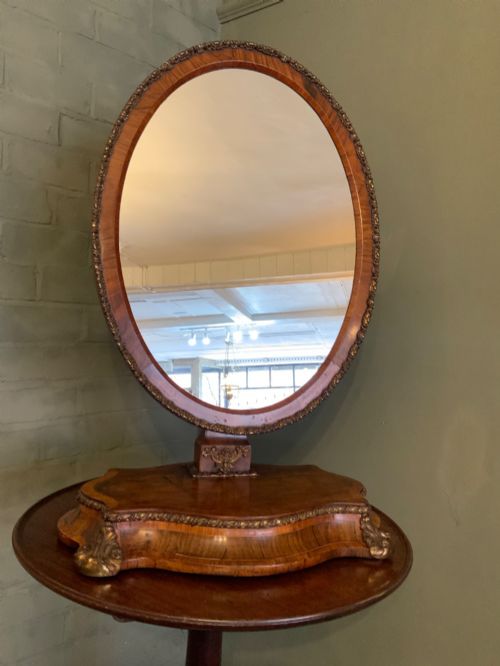
A large antique dressing mirror encompasses several distinct forms designed for personal reflection, stretching from freestanding cheval frames to substantial tabletop swing glasses.
The pieces appearing on this page originate predominantly from the nineteenth and early twentieth centuries, spanning periods such as Regency, Victorian, and Edwardian.
Makers produced these mirrors for diverse settings, ranging from country house bedrooms and haberdashery shops to French chateaux, resulting in formats that sit on tables or stand independently upon the floor.
Materials and Construction
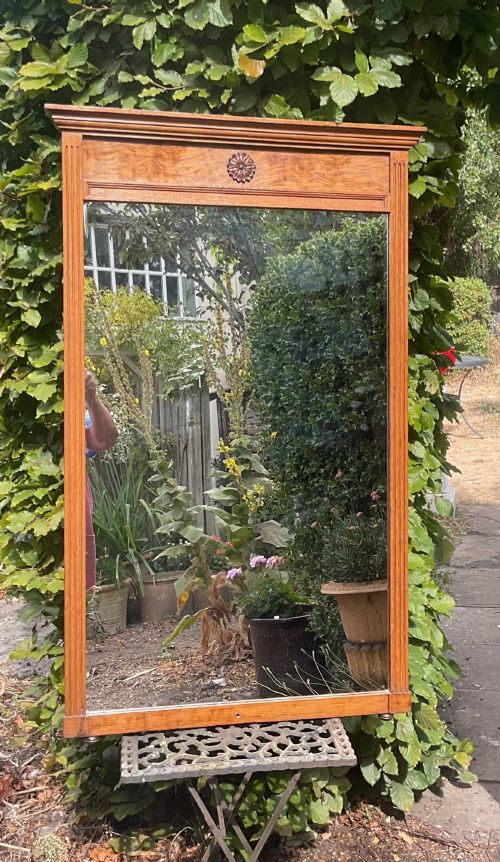
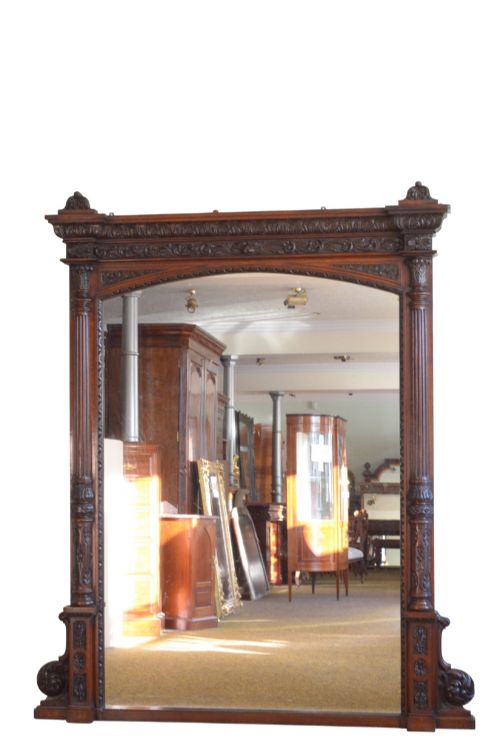
Cabinet makers utilised dense timbers like mahogany, walnut, and oak to construct the robust frames and swing stands required to support heavy glass.
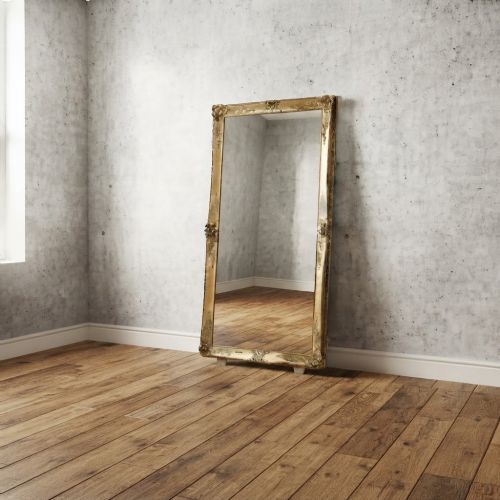
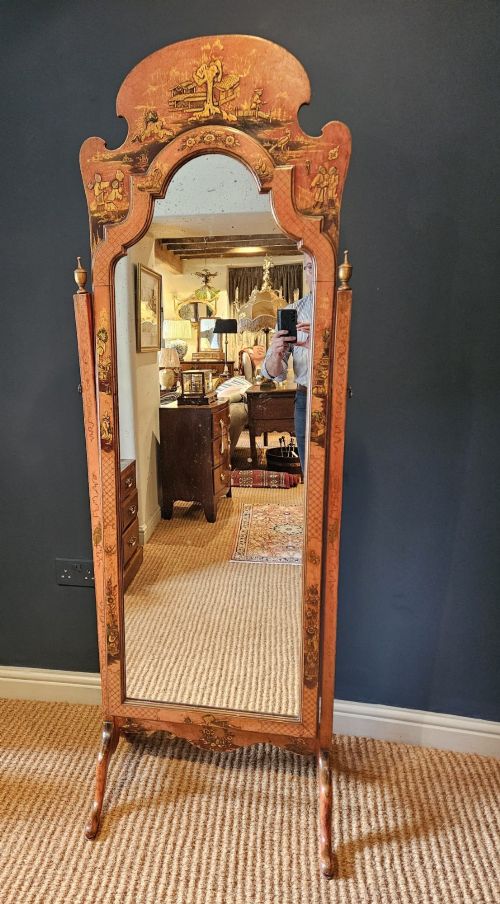
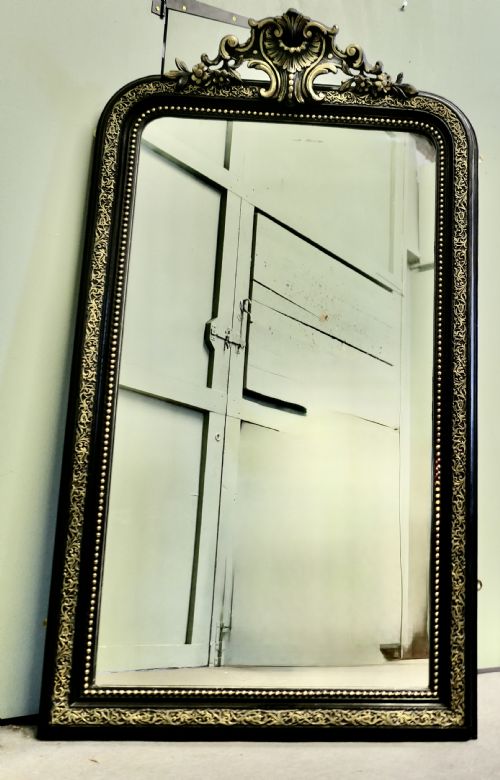
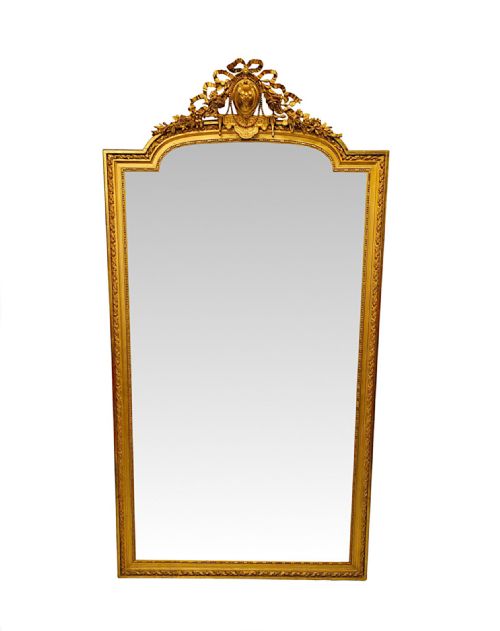
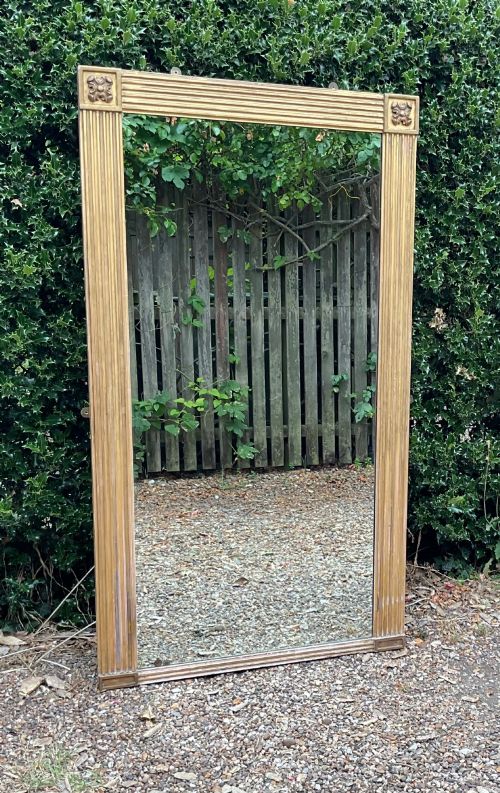
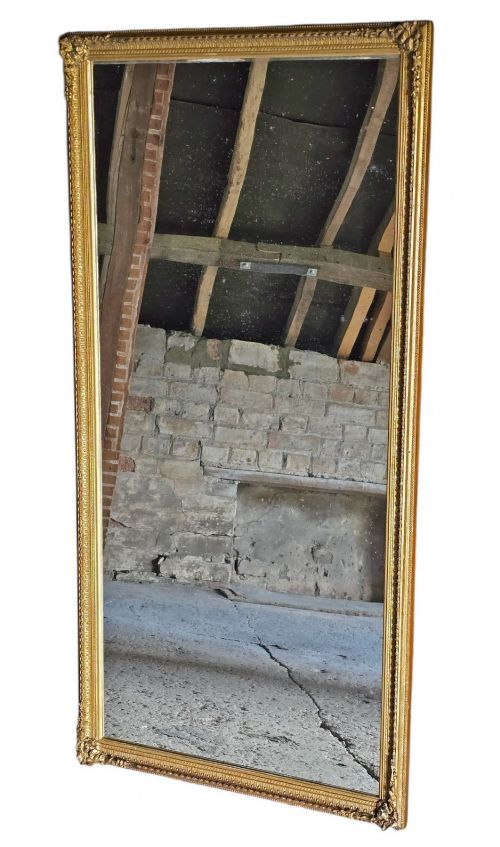
Giltwood and gesso finishes appear frequently on decorative pieces, often shaped into elaborate arched or serpentine crests through traditional carving techniques.
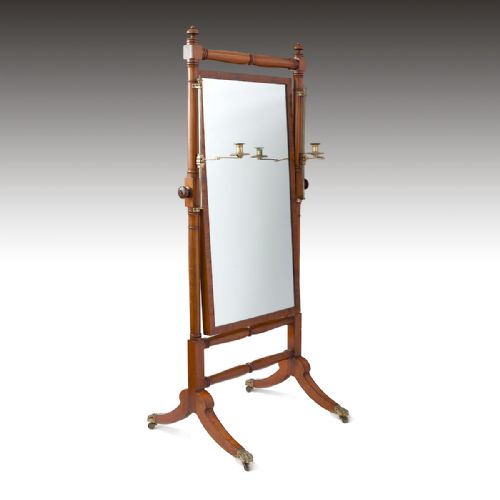
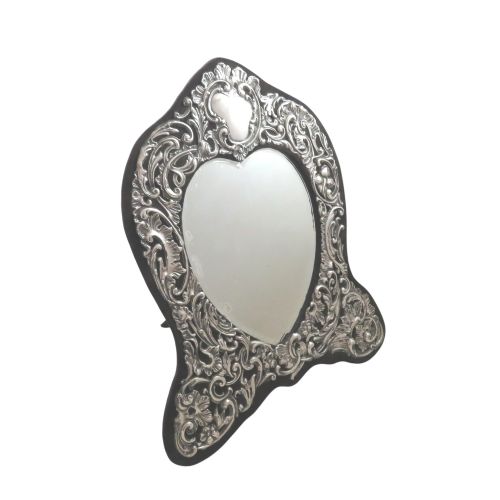
Many examples incorporate brass pivots, hinges, and candle sconces, while later twentieth-century iterations introduce silvered metals and inlaid details.
Current listings feature timber frames in mahogany, walnut, and oak alongside ornate giltwood and gesso pieces from the nineteenth and early twentieth centuries.
Evaluating Craftsmanship and Depth
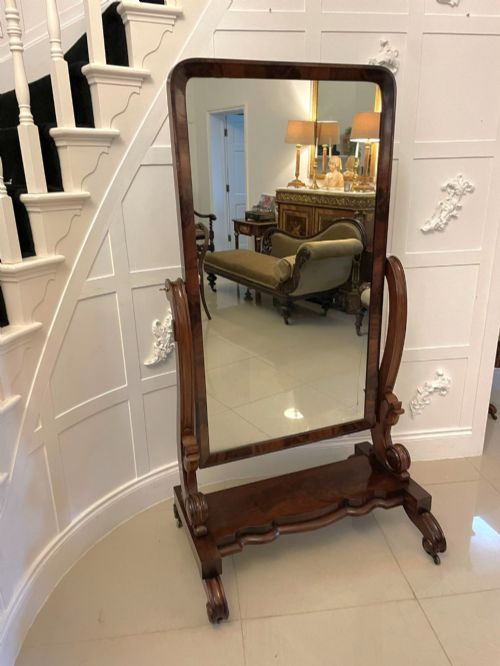
The distinction between ordinary production and superior craftsmanship rests in the depth of the timber grain, such as flame mahogany, and the crispness of carved wooden or gesso details.
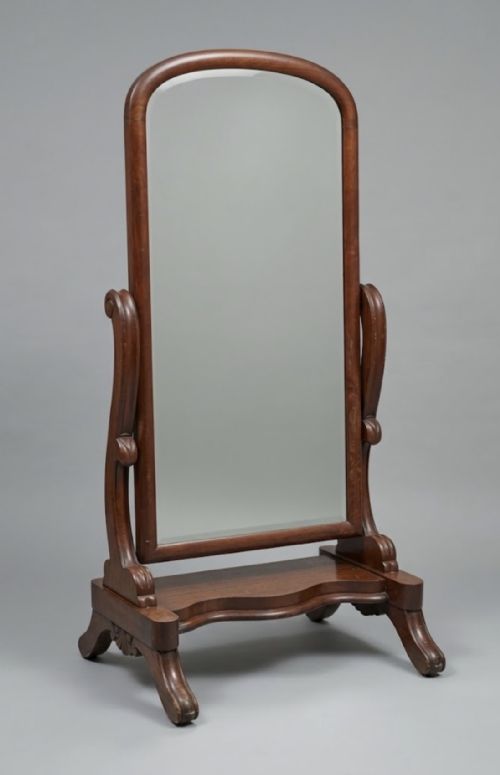
Proportion dictates the balance of the piece, where heavier floor-standing cheval frames maintain stability through well-engineered pivots and substantial secondary woods.
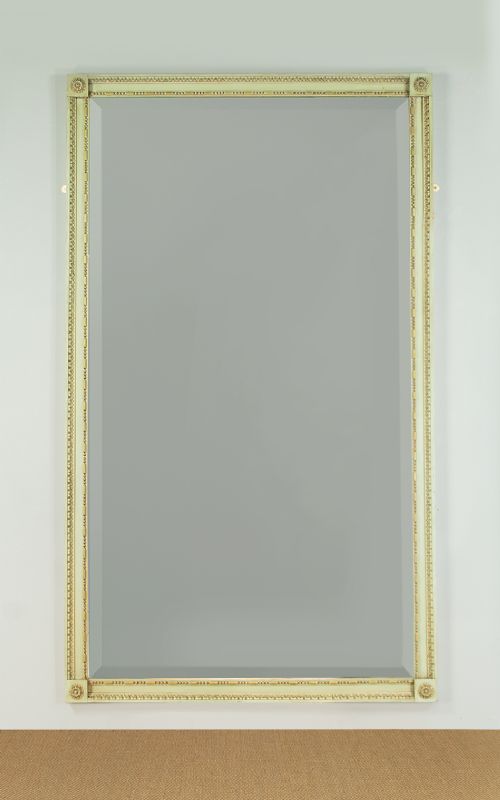
The integrity of the reflective glass itself, including original bevels and silvering condition, distinguishes well-preserved survivals from later replacements.
The Large Dressing Mirror Glossary
- Cheval mirror
- A freestanding full-length mirror suspended on vertical side posts that allow the glass to swing. This design emerged to provide a complete view of attire in the bedroom.
- Toilet mirror
- A smaller mirror designed to sit on top of a dressing table or chest of drawers. These often feature small box bases fitted with tiny storage drawers.
- Gesso
- A plaster-based material applied to wood frames before gilding or painting. Artisans mould this substance into intricate relief ornaments and scrolls.
- Pier glass
- A tall mirror specifically designed to hang on the narrow pier of wall space between windows. These frequently feature elaborate crests and painted or gilded surfaces.
- Swing mirror
- Any reflective glass mounted on horizontal pivots between two upright supports. The mechanism allows the user to tilt the angle of reflection.
Large Dressing Mirror: Frequently Asked Questions
How do I choose between a cheval and a table mirror?
Cheval mirrors stand directly on the floor and offer a full-length view, making them suitable for bedrooms where outfit checking is the primary goal.
Table mirrors require a separate surface like a dressing chest and focus on upper-body reflection, often providing integrated storage drawers for small accessories.
Where should I place a large floor mirror?
These pieces function best anchored against a sturdy wall or positioned near a natural light source to bounce illumination across the room.
Ensure the floor surface is level if you use a freestanding cheval frame, as the heavy wooden structure requires stable ground to tilt safely.
How can I tell a Victorian mirror from a Regency one?
Regency examples often display classical Neoclassical restraint, featuring giltwood finishes, architectural lines, and bold proportions influenced by ancient styles.
Victorian pieces frequently lean towards heavier dark mahogany frames, elaborate carved scrollwork, and robust proportions built for substantial nineteenth-century interiors.
Are these mirrors suitable for daily use?
Most antique dressing glasses function reliably for daily routines, provided the pivot screws and mounting brackets receive gentle handling during adjustments.
Original glass may exhibit minor age spots or foxing, which adds historical character without hindering everyday reflection.