


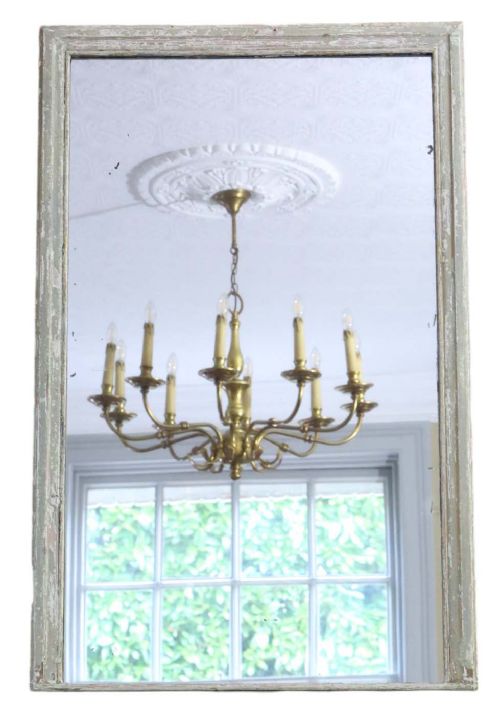


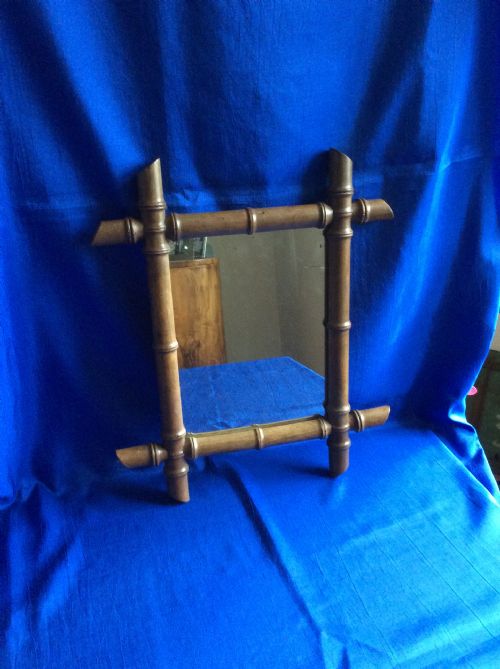
19th Century Pine Mirror
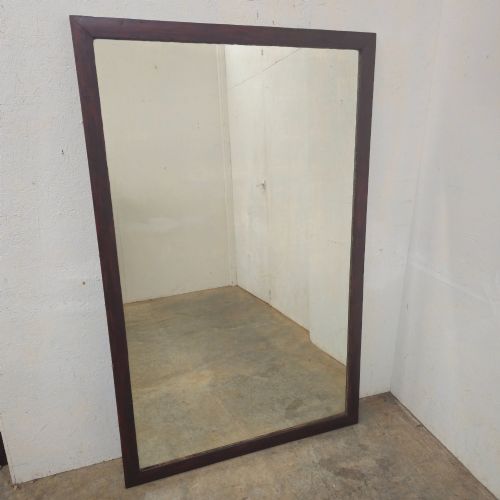
A 19th century pine mirror brings warmth and solid construction to a room, offering functional reflection through time-tested timber frames.
19th Century Pine Mirror
The versions most commonly met on this page are wall-mounted frames, often recorded with original painted surfaces or simple carved details. These items span Victorian and Georgian stylistic influences, reflecting the domestic utility and changing aesthetic tastes of the nineteenth century.
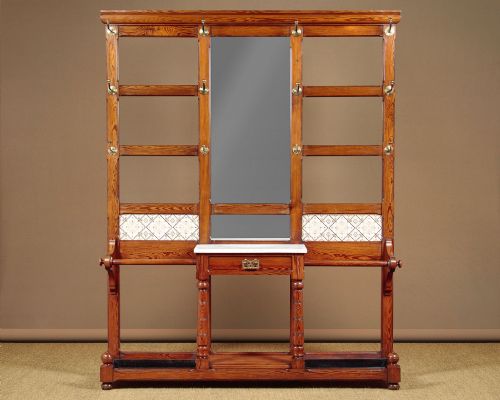
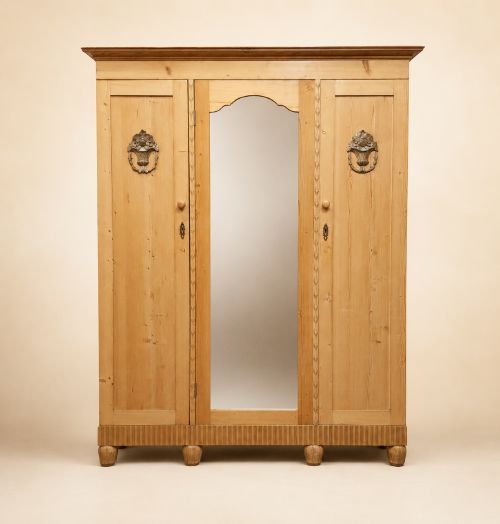
Beyond standalone mirrors, the evidence records pine utilised in related forms such as dressing tables, wardrobes, and hallstands that incorporate swing or fixed looking-glasses. This broader domestic context shows how pine served as a primary material for functional bedroom and hallway furniture.
Materials and Construction
Makers utilised solid pine timbers, including standard pine, pitch pine, and Oregon pine, often paired with gesso for applied ornamentation and moulding. Frames frequently incorporated mirror glass, mercury glass, or original bevelled glass secured within deep wooden rebates.
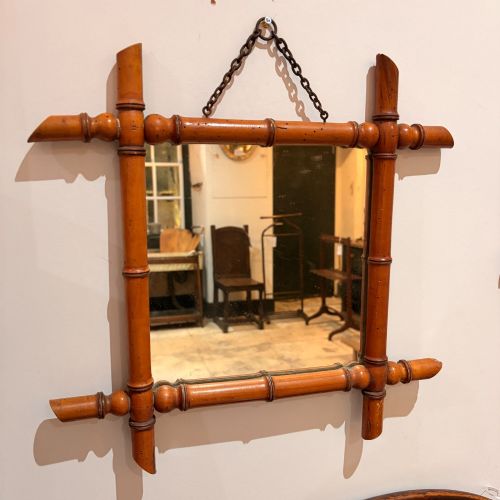
Surface treatments recorded in the evidence range from unpainted natural timber to painted finishes, cream paint, and elaborate carving in specific historical styles such as faux bamboo, Adam, and Greek Key. Structural joining relied on traditional carpentry methods suited to the softwood timber.
Some Victorian dressing mirrors managed to travel through time while retaining their original paper backings and tiny brass castors.
Assessing Quality and Character
Quality in these mirrors rests upon the depth of the carving, the integrity of the timber frame, and whether original elements such as mercury or bevelled glass survive intact. Finer examples display crisp moulding and sophisticated decorative motifs like gesso relief work or specialised turnings.
The condition of the surface finish significantly influences the character of a piece, with original paint layers or untouched patinated pine holding greater historical interest. Structural robustness, particularly in large overmantel and Cheval floor-standing formats, distinguishes superior joinery from simpler utility items.
The 19th Century Pine Mirror Glossary
- Overmantel mirror
- A large looking-glass designed specifically to hang above a fireplace mantelpiece. These frames often span considerable widths to balance the proportions of a hearth.
- Cheval mirror
- A large floor-standing swing mirror supported by a frame with four legs or pedestals. The glass swivels on vertical pivots to allow full-length reflection.
- Gesso
- A plaster-like mixture applied to wooden frames and carved or moulded into decorative reliefs before gilding or painting. It provides crisp detail on 19th century mouldings.
- Faux bamboo
- A decorative style where pine or other wood is turned and carved to imitate the jointed stems of bamboo. This aesthetic gained popularity during the Victorian period.
- Mercury glass
- An early type of silvered glass created by pouring a mercury amalgam between two walls of blown glass. It produces a characteristic mottled reflective appearance.
19th Century Pine Mirror: Frequently Asked Questions
Where should I hang a large pine overmantel?
These large mirrors sit naturally above a fireplace in a reception room or act as a focal point on a main wall. Their substantial scale helps to reflect light and visually expand the dimensions of a space.
Ensure the wall fixings match the weight of the timber frame and original glass. Positioning the mirror at a height that captures window light will maximise its reflective purpose.
How do I care for antique pine frames?
Maintain the timber by dusting regularly with a dry, soft cloth and avoiding silicone-based polishes. Keep the mirror away from direct heat sources and damp environments to protect the wood and any gesso work.
For painted or waxed surfaces, occasional application of appropriate natural wax preserves the finish. Check structural joints and hanging wires periodically to ensure safe wall mounting.
What is the difference between pitch pine and standard pine?
Pitch pine contains a higher resin content, which gives the timber a harder density and a more pronounced, stripy grain pattern. It appears frequently in robust Victorian furniture and architectural pieces.
Standard pine offers a softer, more uniform grain that takes paint finishes readily. Both woods were standard for 19th century domestic furnishings but present distinct visual textures.
How do I identify a faux bamboo mirror?
Faux bamboo frames feature turned mouldings carved with horizontal nodes and rings that replicate natural bamboo canes. Makers applied this distinct style during the Victorian era for exotic aesthetic appeal.
The technique appears on wall mirrors, dressing tables, and overmantels, often combined with painted or lacquered surfaces to complete the imitation.